

Men's skiing: how to choose the right clothing without complicating your day
- 8 in the guide


 LS Half Zip T-shirt - Blue
€125,00
View →
 Men's Thermic 2 Sweater Black
€105,00
View →
 Men's Down Sweater Jacket New Navy
€260,00
View →
 Men's Sabre Trousers Multiverse
€550,00
View →
 Trail Trousers - Black
€92,00
View →
 MB Prospect Men's Jeans Gloves
€49,60
View →
 Polar Cap Neck Warmer - White
€39,00
View →
 Crowbar Tanner Hall - Prizm Snow Jade Iridium Ski Goggle Green
€186,00
View →
Products in this guide
On screen
LS Half Zip T-shirt - Blue
€125,00
View →
On screen
Men's Thermic 2 Sweater Black
€105,00
View →
On screen
Men's Down Sweater Jacket New Navy
€260,00
View →
On screen
Men's Sabre Trousers Multiverse
€550,00
View →
On screen
Trail Trousers - Black
€92,00
View →
On screen
MB Prospect Men's Jeans Gloves
€49,60
View →
On screen
Polar Cap Neck Warmer - White
€39,00
View →
On screen
Crowbar Tanner Hall - Prizm Snow Jade Iridium Ski Goggle Green
€186,00
View →
When you look for men's ski clothing, usefulness should come before the brand. You need to decide whether you want a kit to use a few times each season, a more reliable setup for many days on the slopes, or just a few pieces to replace those that make you sweat, pull at the shoulders, or get too wet. For many skiers you don't need the most technical item in the catalogue. You need what stays comfortable from morning to afternoon, with consistent layers underneath. In the Ski & Snowboard collection from Ski Sises you'll find very different products: judging them by function is more useful than stopping at the look.
In short
- Start with how you'll use it: a relaxed day on the slopes requires less technical gear than long outings with wind or continuous snow.
- Build your layers well: base layer, thermal midlayer and outer shell should work together, not fight each other.
- Too much heat is a real problem: if you start sweating early, you've often put too much bulk under your jacket.
- Accessories matter a lot: hands, neck and visibility can ruin or save your day.
From the catalogue
Explore the models
Open a photo for details


Men's skiing: first decide how much protection you really need
If you ski three or four times a year, on groomed runs with regular breaks at the mountain hut, starting from highly technical garments isn't always sensible. What you mainly need is reliable protection from cold, wind and snow, with freedom of movement and enough room for layers.
If instead you spend many hours outside, often face uncertain weather or want clothing that copes better with temperature swings, breathability, moisture management and the quality of the outer layer become more important. In short: less casual padding, more balance.
Here the distinction between shells and softer garments helps. On the official Arc'teryx pages, shells are described as pieces designed to protect against rain, wind and exposed conditions without adding unnecessary bulk, while softshells emphasize stretch, comfort and resistance to variable weather. Practically speaking: for on-piste skiing in true cold and constant snow, outer protection matters more than an urban look; for milder days or mixed use, a less constrictive garment can be more enjoyable.
The layers under the jacket must help you move, not just keep you warm.
Many mistakes start here. People expect the jacket to do everything, then they end up wearing a cotton T-shirt or an overly thick fleece underneath. The result is immediate: you feel cold as soon as you stop, sweat on lifts or when walking, and discomfort around neck and arms.
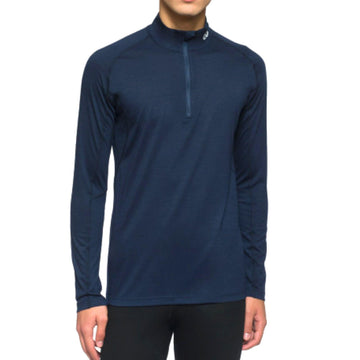
As a base layer, it makes sense to choose a piece that handles moisture and temperature well. Men's LS Half-Zip T-shirt Blue The Rewoolution model is made from 100% ZQ Merino wool and is designed with a clearer technical purpose than a casual sweater. The advantage is simple: Merino helps regulate temperature and naturally controls odor, so it can perform well through a full day on the snow. The limit is also clear: alone it won't replace an outer protective layer, and in very cold conditions or during long stops it may not suffice without a midlayer over it. Before buying, decide whether you need a base layer to keep close to the skin or a top you can wear off the slopes too.
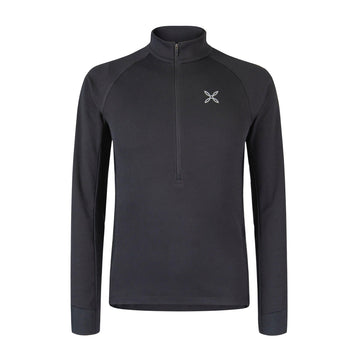
As a midlayer, a light fleece with a short zip often proves more useful than a heavy one. The Thermic Sweater 2 Men's Black The Montura is made of polyester fleece at 180 g/m², suitable for ski tours and outings, offering stretch and breathability. It makes sense if you want a thermal layer you can regulate by opening the zip when your pace rises or the sun comes out. The trade-off is that it isn't designed as an outer barrier against snow and wind. The practical check is concrete: under your jacket there should be room at the shoulders, neck and armpits even when you bend your arms to grip poles.
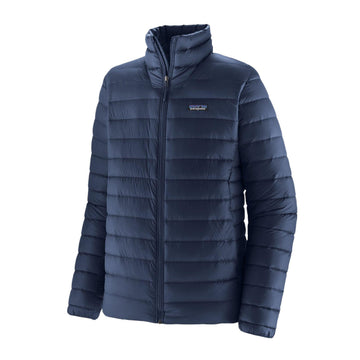
The reverse is also true: a very warm jacket doesn't automatically become a ski jacket. The Men's Down Sweater Jacket New Navy The Patagonia has a shell in recycled nylon and recycled down insulation at 800-fill-power. It can be a sensible choice for transfers, walks around resort, or moments before and after skiing. For full on-slope use, however, you should read it for what it is: a warm, lightweight jacket, not a dedicated snow shell according to the provided data. If you're looking for a single piece to wear for many hours in snow, wind and wet conditions, it's better not to assign it a more technical role than the specs support.
Men's ski pants: here you feel the difference after a few hours
You oversimplify trousers. In store or on screen they may look similar. After a few hours they change a lot: cold seat on the lift, snow at the ankles, restricted knee mobility, internal dampness.
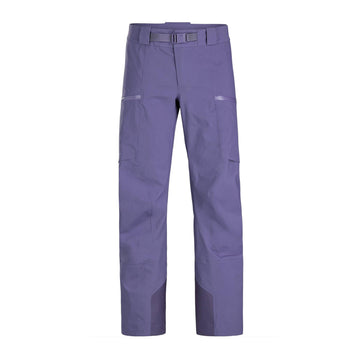
The Men's Sabre Multiverse Pants The Sabre Men's Multiverse pants from Arc'Teryx are the clearest example in the selection of trousers built specifically for winter sports. The spec lists waterproofing, windproofing, breathability, ultra-durable 100D Cordura cuffs and a RECCO® reflector. The benefit is obvious if you want a garment made for protection and movement, not just to feel comfortable for the first twenty minutes. The downside is that this technicality makes less sense if you ski only occasionally and plan to use the same trousers off-snow. Before buying, check two things: boot room and enough space for thermal layers underneath.
If instead you were looking at merino trousers or models designed for other outdoor uses, pause a moment. The Men's Black Trail Pants Products from Rewoolution can be interesting for thermoregulation and moisture management, but the spec sheet does not present them as ski pants protecting from snow and external elements. They can work in other contexts, not as a direct substitute for on-piste trousers.
If you want to dig deeper into the link between movement and sweat management, the guide on cross-country ski pants — fit and breathabilityIt discusses different use, but its reasoning about comfort in motion is still useful.
Gloves, neckwear and goggles: they often decide how your day ends.
When hands, neck or visibility perform poorly, even a good jacket helps less. These aren't secondary details.
The MB Prospect Men's Gloves — Jeans Products from Burton list waterproofing, breathability, Thermacore™ insulation and touchscreen compatibility. For a day on the slopes, that combination is practical: dry hands and good dexterity matter more than a bulky, uncomfortable glove with zips, bindings and phone. The limit is that the spec sheet alone can't tell you if the warmth level will suit your sensitivity to cold. If your hands get very cold, check that before choosing practicality alone.
For the neck, a simple but well-chosen neck warmer prevents constant adjustments. The Polar Cap White neck warmer by Montura is made from double-pile thermal polyester and can be converted into a beanie. It's useful if you want a lightweight, compact, versatile accessory. Its limitation is clear: it doesn't replace more specific face protection when you encounter strong wind or driving snow. Check whether you prefer a snug neck warmer to wear under your jacket or an accessory to use during transfers.
On visibility, the Crowbar Tanner Hall goggle - Prizm Snow Jade Iridium from Oakley is described with a Prizm Snow Jade Iridium lens, a flexible O Matter frame that performs at low temperatures, and triple-layer foam that moves moisture away. That already tells you something useful: it's designed to stay comfortable for hours and to help you read the terrain across a wide range of light. What you need to check is helmet compatibility and how you feel about a goggle that sits more prominently on your face.
A casual snow look doesn't replace a piste outfit
If you’re shopping for men’s skis, you’re not always looking for piste-only gear. Sometimes you need items for the resort, transfers, snow walks or simple après-ski. Here it helps to separate winter inspiration from technical ski clothing.
Read the approved “Urban Neutral Snow” look like this: Icon Low Glance Women's Shoes Platinum, the Zelda Women's Pants Open Blue, the Funny Women's Top Beluga, the Down Sweater Hoody Women's Jacket Black and the Hat Bird Head Toque 24K Black They build a clean, wintry outfit that suits the resort more than the descent. The strong point is the balance of neutral tones with the silver Moon Boots as the focus. Be clear about the limit: it’s a snow lifestyle look, not a substitute for technical ski wear.
What to check before ordering online
If you’ve skied before, you know real discomforts show up after two hours, not in front of the mirror. Before ordering, do a simple check.
Start from the layers you'll actually wear. If you're wearing a base layer and a thermal midlayer underneath, don't pick a jacket or pants so tight you expect to cram them on.
Then assess how cold you actually get. People who sweat easily often buy gear that's too warm and end up opening everything after the first run. Those who get cold on the chairlift should prioritise wind protection and managing breaks.
Finally, separate what you need on the slopes from what you'll wear in town. A versatile piece is useful. An item used outside its context often disappoints.
If you also want to read more about materials and product placement, you'll find a guide on the same topic in this area: how to evaluate ski products made in Italy.
The practical rule is this: for men's skiing choose the level of protection you need first, then build layers and accessories around it. If you want to compare models at leisure, you can start from the Ski and Snowboard selection.
From the catalogue
Choose a model
Open the product page for sizes and details.
 Rewoolution
LS Half Zip T-shirt - Blue
€125,00
 Montura
Men's Thermic 2 Sweater Black
€105,00
 Patagonia
Men's Down Sweater Jacket New Navy
€260,00
 Arc'Teryx
Men's Sabre Trousers Multiverse
€550,00
 Rewoolution
Trail Trousers - Black
€92,00
 Burton
MB Prospect Men's Jeans Gloves
€49,60
 Montura
Polar Cap Neck Warmer - White
€39,00
 Oakley
Crowbar Tanner Hall - Prizm Snow Jade Iridium Ski Goggle Green
€186,00
FAQ
Do I really need a dedicated ski jacket to ski on piste, or is a warm down jacket enough?
That depends on duration, weather and the pace of your day. A warm down jacket can work for transfers, walks in resort or moments before and after skiing, but it doesn’t always replace a jacket made for snow. On the slopes you also need protection from wind and snow, moisture management and freedom of movement with layers underneath. If you go out only a few times in easy conditions, what you already have may be enough so long as it doesn’t soak through and doesn’t restrict movement. If you spend many hours outside or often encounter variable weather, a dedicated outer makes more sense.
How should I dress to ski without sweating too much after a few runs?
Usually the problem is wearing too many heavy layers. The easiest combo to manage is a base layer that moves moisture away, a light or mid thermal layer and an outer shell suited to the weather. If you pile on heavy underwear, a thick fleece and an overly insulated jacket, you risk getting hot on the first runs. When that happens, it’s often best to lighten the midlayer before the jacket. The right mental check isn’t how you feel standing in the parking lot, but how you’ll feel after a lift queue or a walk in boots.
Which accessories actually improve comfort for men when skiing?
Three accessories matter more than the rest: gloves, goggles and a neck warmer. Gloves are crucial because they must keep your hands dry without killing dexterity when you handle bindings, zips or your phone. Goggles aren’t just for sunny days: they help you read the terrain better and protect you from wind and snow. A neck warmer reduces the sting of cold air on your neck and on a chairlift often makes more difference than you expect. If your budget is tight, improving these three items can change your day more than a small upgrade between similar jackets.
If I ski only a few times a year, is it worth buying very technical pants?
Not always. Very technical pants make sense when you need reliable protection for long days, strong abrasion resistance in high-wear areas and construction designed for snow, wind and movement. If you only do a few piste days in good weather with frequent breaks, they can be overkill. Before spending more, ask yourself how often you’ll really use them and whether the rest of your kit matches. Technical features are useful when they solve a real problem, not just because the spec sheet is richer.
Can a casual snow outfit replace ski clothing on the slopes?
No — it’s better to keep the two uses separate. A casual snow outfit works well for walks around town, après-ski, transfers or easy days off the lifts. On the slopes you face direct snow contact, wind, damp, repetitive movement and many hours outdoors. Lifestyle boots, winter knitwear and urban down jackets can be right for some situations, but they don’t automatically count as ski gear. If you really want to ski, prioritize a purpose-built layering system and protective clothing.
Ski Sises on Google
Choose Ski Sises as a preferred source: you'll see our guides and news more often in Top stories on Google.


