

Article: Danish backpack: a guide to choosing
Danish backpack: a guide to choosing
- 8 in the guide
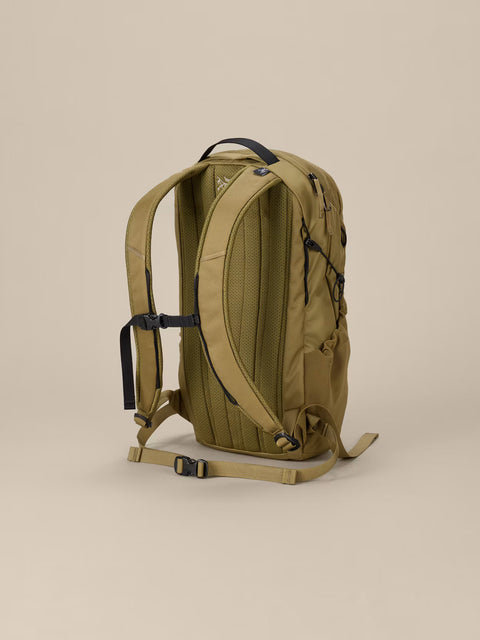

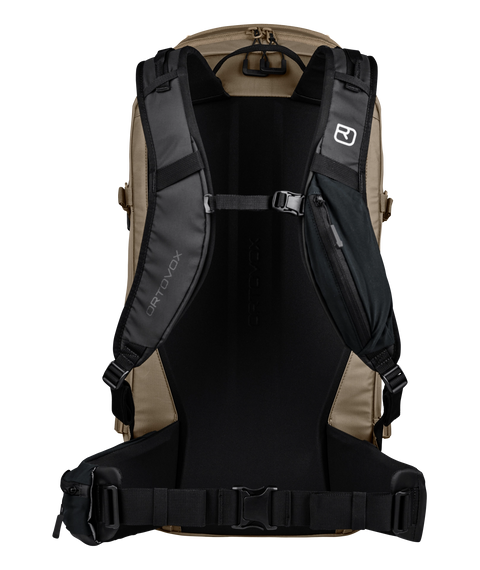


 Mantis 16 Backpack Bracken
€130,00
View →
 Konseal 15 Backpack Ultima
€100,00
View →
 Venet Tour 30 Backpack Dark Linen
€150,00
View →
 Haute Route 32 Backpack Blue Nanatak
€190,00
View →
 Women's Cross Rider 20 S Backpack Pacific Green
€130,00
View →
 Cross Rider 22 Backpack Petrol Blue
€130,00
View →
 Kanken Backpack Appel Mint
€99,00
View →
 Base Camp M Bag Summit Gold/Black
€150,00
View →
Products in this guide
On screen
Mantis 16 Backpack Bracken
€130,00
View →
On screen
Konseal 15 Backpack Ultima
€100,00
View →
On screen
Venet Tour 30 Backpack Dark Linen
€150,00
View →
On screen
Haute Route 32 Backpack Blue Nanatak
€190,00
View →
On screen
Women's Cross Rider 20 S Backpack Pacific Green
€130,00
View →
On screen
Cross Rider 22 Backpack Petrol Blue
€130,00
View →
On screen
Kanken Backpack Appel Mint
€99,00
View →
On screen
Base Camp M Bag Summit Gold/Black
€150,00
View →
Looking for a Danish backpack often means seeking an essential aesthetic: a discreet shape, easy to match and suitable for many moments of the day. But style alone doesn’t tell you how comfortable the pack will be or whether it can hold what you actually carry. This guide is for anyone who wants to move from inspiration to a concrete choice in the Backpacks collection by Fabbrica Ski Sises. We start from use, fit and outfit pairings, separating aesthetic reference from the brand’s origin and evaluating four alternatives without attributing unverified features to them.
From the catalogue
Explore the models
Open a photo for details




To get you started:
- Use: consider the contents of a typical day, not those of an occasional trip.
- Fit: try the backpack with a realistic load and with the jacket you wear most often.
- Function: check the product page for essential features, and don’t infer them from shape or name.
Danish backpack: distinguishing style from origin
Your search can start from a specific brand or from an image: clean volumes, few visible details and an accessory that doesn’t dominate your outfit. These are two different needs. In the first, brand identity matters; in the second, the relation between shape, organization and everyday use does.
A minimal look doesn’t prove a product’s Danish origin. Likewise, a brand’s nationality doesn’t necessarily match the place of manufacture. If these factors are decisive, check the manufacturer’s information.
Arc’teryx and Ortovox shown here are not listed as backpacks from Danish brands. They are alternatives from the Fabbrica Ski Sises selection to consider if your priority is finding a backpack that fits your wardrobe and habits, rather than buying a specific brand.
The useful question becomes concrete: do you mainly want an essential silhouette, or are you after a specific internal organization? Setting the priority prevents choosing an object that looks convincing in photos but is impractical once filled.
Start from the use and the items you usually carry
To choose a Danish backpack, or an alternative with the same style, first consider what you carry. A water bottle, documents, an extra layer and any devices take up space differently. Total volume matters, but so do item shapes and how often you need to retrieve them.
If you use it mainly for daily travel, judge how easy it is to open and reach essentials. If you move often between indoor and outdoor spaces, allow room to stow a layer when you’re not wearing it. For outdoor use, begin from the equipment the activity requires: aesthetics come afterward.
Don’t assume every backpack has a dedicated laptop compartment. If that feature is essential, check for the pocket and the declared compatibility with your device. A laptop that fits the main compartment isn’t automatically protected adequately.
The same criterion applies to rain. A compact appearance, neat closure and seemingly sturdy fabric aren’t enough to prove waterproofing. Look for an explicit statement on the product page and distinguish real water protection from a mere visual impression.
Fit and size: how to try it on effectively
You don't choose a backpack size like you pick a shirt. Torso length, strap placement and how much space it takes when the main compartment is full matter. The number in a model's name alone won't tell you how it will fit your body.
When assessing a Danish backpack for everyday use, try it with realistic contents. Adjust the shoulder straps without over-tightening them to compensate for a poor fit. Walk, sit and move your arms forward: the load shouldn't force you to change your posture or limit normal movement.
Test it also with the outer layer you wear most. A padded jacket changes how the pack rests compared with a light shirt; check that the shoulder straps are comfortable in both cases and that the backpack doesn't interfere with the hood.
For online purchases, compare any published dimensions with a backpack you already own. That's a more concrete reference than a photo alone. If a measurement or adjustment isn't listed, don't infer it from the picture's proportions.
Four options to compare in the selection
These models are different starting points, not an absolute ranking. The notes help you build a shortlist of candidates; each product’s page remains the reference for features, materials and dimensions.
Arc’teryx Mantis 16: worth considering for a versatile wardrobe
The backpack Arc’teryx Mantis 16 is a proposition to consider if you want to include an outdoor brand accessory in everyday outfits. What to check is whether its organization matches the items you habitually carry.
For pairing, use a simple reference set: a knit, regular-cut trousers and a minimal jacket. You don’t need to add other technical pieces to make the backpack coherent. It’s a useful choice if you want a single accessory to integrate into different combinations, after verifying its actual capacity for your load.
Arc’teryx Konseal 15: an alternative worth comparing beyond the brand
The backpack Arc’teryx Konseal 15 It deserves a comparison with the Mantis if you prefer to stay within the same brand but want to choose based on the model. Don't treat them as interchangeable just because they share the manufacturer's name.
Compare opening, layout and carrying options shown on their respective spec sheets. For the outfit, keep proportions readable: a low‑bulk jacket and trousers with a simple cut let you better judge the overall effect. This is the recommended approach if you want to understand which offering fits your use before deciding based only on the picture.
Ortovox Venet Tour 30: to consider starting from outdoor use
The backpack Ortovox Venet Tour 30 is included in the selection for those who want to evaluate an Ortovox proposal and start from outdoor needs. Before purchase, compare the spec sheet with the list of equipment you need to carry: the model name does not replace that check.
In everyday wear, pair it with a simple outer layer and plain trousers. If you pick it for a specific activity, first check compatibility and required features. It’s worth considering when function matters more than a purely urban accessory.
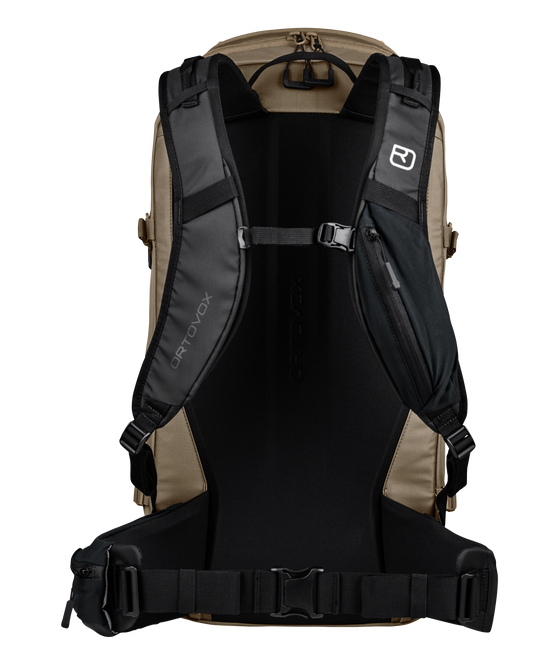
Ortovox Haute Route 32: for an equipment-led comparison
The backpack Ortovox Haute Route 32 is another option to examine if you're comparing the Ortovox models. Your choice versus the Venet Tour should depend on the features listed in the spec sheets and on intended use, not just the number in the name.
Pair it with the layers required for your activity, checking freedom of movement with the pack loaded. For possible everyday use, ask whether its bulk matches your usual contents. It's the option to explore if you already have defined needs and want to verify, one by one, the functions you really need.
Pairings and checks before purchase
If your interest in a Danish backpack comes mainly from its style, look for proportionate balance. With a bulky coat, note how much the pack protrudes; with a slim jacket, make sure the whole outfit doesn’t look top-heavy. The aim isn’t to make everything technical, but to avoid the accessory seeming out of place.
For an everyday wardrobe you only need a few well chosen pieces. A simple sweater, comfortable trousers and footwear suited to your route let the backpack play a purely functional role. You don’t need to repeat the same brand across every item.
Before deciding, return to what you carry. Check what must fit inside, what needs to be easily reachable and which features you wouldn’t willingly do without. An essential feature should be confirmed, not assumed. This check is especially useful when buying a gift: knowing the items someone carries daily matters more than guessing an aesthetic preference.
With these priorities set, explore the selection of Fabbrica Ski Sises backpacks and compare models starting from the features you’ll actually use.
From the catalogue
Choose a model
Open the product page for sizes and details.


FAQ
Does a Danish backpack have to be made in Denmark?
No. The search can refer to the brand or to an aesthetic style. The brand’s origin and the place of manufacture are different pieces of information; check the manufacturer’s details to confirm.
Are the recommended models from Danish brands?
No. The suggestions Arc’teryx and Ortovox are alternatives from the Fabbrica Ski Sises selection, shown to help you compare use, fit and styling without implying Danish origin.
How do I tell if the backpack is the right size?
Check any published dimensions and compare them with a backpack you already use. During fitting, consider the actual load, your usual jacket and freedom of movement, not just the person’s height.
Can I use it to carry a computer?
Check that the spec sheet states a suitable space and specifies compatibility. Don’t assume a protective compartment is present from the backpack’s shape or from being able to fit the device in the main compartment.
How do I check its rain protection?
Look for explicit indications on the product page. Don't assume a backpack is waterproof just from its appearance; assess the level of protection you need based on what's inside and the intended conditions of use.
Ski Sises on Google
Choose Ski Sises as a preferred source: you'll see our guides and news more often in Top stories on Google.


