Ski mountaineering skis: how to orient yourself in selection without choosing the wrong category
- 8 in the guide
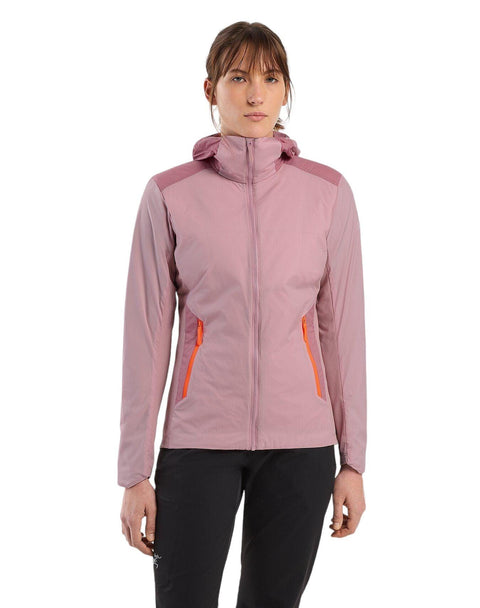



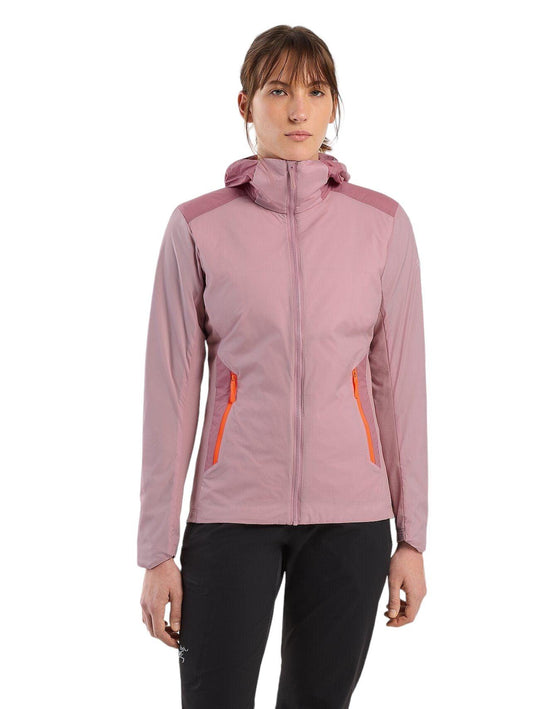
 Women's Atom Lightweight Hoody Jacket Bliss/Spark
€200,00
View →
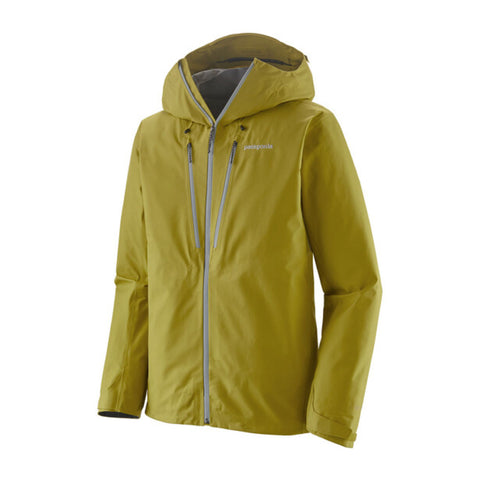
 Men's Triolet Jacket Shrub Green
€450,00
View →
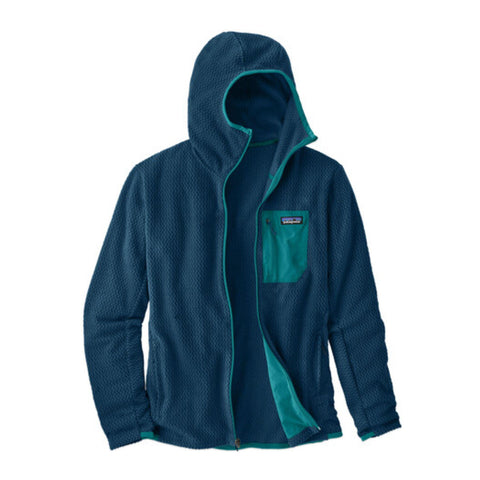
 Men's R1 Air Full-zip Hoody Sweater Lagom Blue
€150,00
View →
 Men's Thermic 2 Sweater Black
€105,00
View →
 Women's Cross Rider 20 S Backpack Pacific Green
€130,00
View →
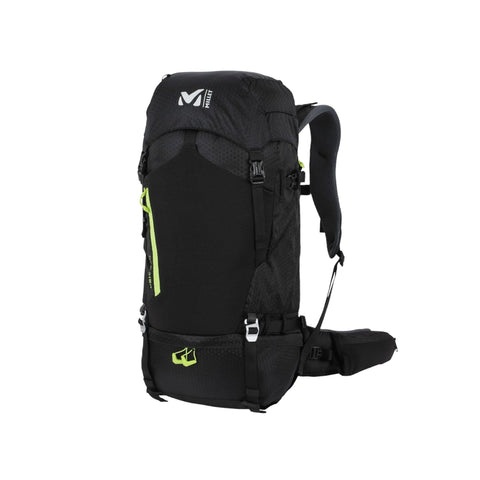
 Ubic 30 Backpack Black
€152,00
View →
 Polar Cap Neck Warmer Black
€39,00
View →
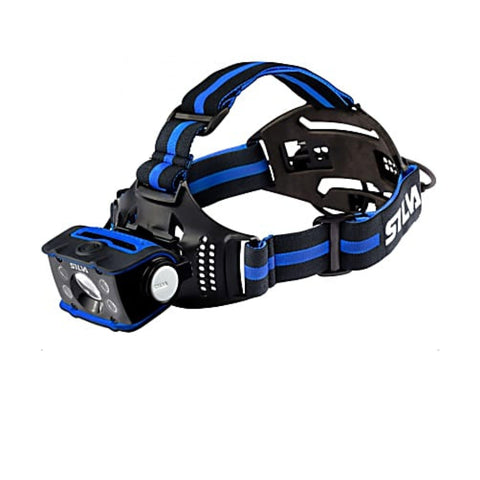
 Sprint Plus Headlight Blue
€166,00
View →
Products in this guide
On screen
Women's Atom Lightweight Hoody Jacket Bliss/Spark
€200,00
View →
On screen
Men's Triolet Jacket Shrub Green
€450,00
View →
On screen
Men's R1 Air Full-zip Hoody Sweater Lagom Blue
€150,00
View →
On screen
Men's Thermic 2 Sweater Black
€105,00
View →
On screen
Women's Cross Rider 20 S Backpack Pacific Green
€130,00
View →
On screen
Ubic 30 Backpack Black
€152,00
View →
On screen
Polar Cap Neck Warmer Black
€39,00
View →
On screen
Sprint Plus Headlight Blue
€166,00
View →
In short
- Consider the actual outing: A short, fast outing doesn't require the same setup as a long day with wind and frequent stops.
- On the ascent the problem is often overheating: In ski touring, layers should help you shed moisture, not just add warmth.
- Water-repellent doesn't mean waterproof: A DWR finish helps with light snow and dampness, but it doesn't replace a proper shell.
- Not all outdoor gear is specific to ski touring: Some products work well as support pieces, while others perform better for trekking or everyday use.
Anyone buying ski touring kit is usually looking for a system that works while you climb, when you stop, and when the weather changes. That’s the point that complicates choosing. A single garment can seem right on its own but become uncomfortable if it doesn’t work well with other layers. In the Ski Touring from Ski Sises you'll find a wide selection: to guide you, distinguish right away what you'll use for hours on the move from what you mainly need for protection or rests.
From the catalogue
Explore the models
Open a photo for details



Ski touring: start with how you manage heat while you climb
At first many dress as if for a still, cold day. On the climb, though, you often hit limits from excess heat before from cold. If after a few minutes you have to open everything or strip layers, your setup is probably too warm for your pace.
For dynamic outings with continuous climbing and short stops, a lightweight, easy-to-manage jacket can make more sense than a very insulated garment. The Atom Lightweight Hoody Jacket Women Bliss/Spark is described with Tyono fabric 20, elastic fleece side panels, a DWR finish and Coreloft insulation on chest and back. In practical use this means: some protection from light wind, targeted warmth where you need it, and an easier time shedding moisture than with a very closed jacket. You feel the benefit on cold but active days. The limit is clear: it’s not the main barrier if you expect persistent snow or true bad-weather protection.
The official Arc’teryx extract on the Atom places it exactly in this role: a versatile synthetic layer, also suitable as a midlayer, designed for high-output days and useful where down would be less appropriate. If your main use is climbing, that matters more than how it looks in the shop.
Before you buy, do a quick check: will you wear it mostly while you're moving continuously, or will you pull it on when you stop? If it's the former, breathability and freedom of movement matter more than sheer insulation.
When a shell can truly change your day
In outdoor terms different products are grouped. A water-repellent jacket helps with dry snow, light moisture and brief uncertain weather. A waterproof shell is for when you expect longer exposure to snow, wind or precipitation.
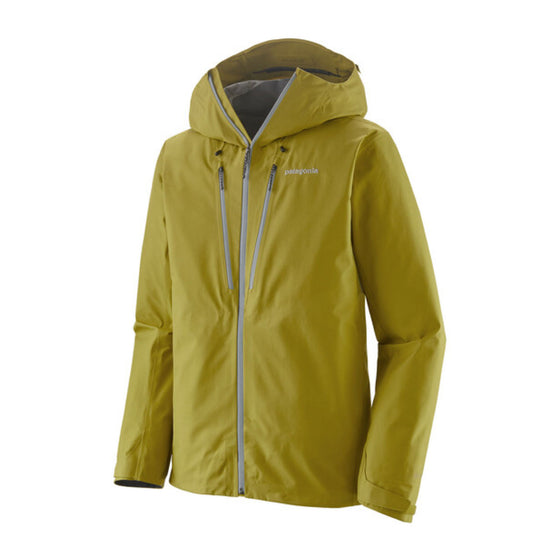
The Men's Triolet Jacket Shrub Green It’s described as a GORE-TEX jacket with 3 layers, fully waterproof, breathable and wind-resistant, with a helmet-compatible hood and underarm vents. The benefit is tangible: it provides complete protection when the weather turns suddenly or when you stay exposed for longer stretches. The compromise is equally real: if you wear it constantly on the ascent, on stable days and at a high pace, it can be overkill and feel less airy than lighter options.
Official sources Arc’teryx on shells explain a useful distinction for shopping: the hardshell is designed for reliable waterproof and windproof coverage; the softshell prioritizes stretch, airflow and resistance to changing conditions, but it isn’t waterproof. So don’t buy the beefier shell merely because it looks more technical — it only makes sense if you really encounter those conditions.
The practical question is: do you often head out in uncertain weather, across exposed terrain and with little margin for error? If so, the shell moves up your list. If you already own a reliable shell, it may be more useful to improve the layers underneath.
Midlayers and fleeces should perform well under your pack and beneath your shell
In ski touring an intermediate layer is useful when it adds warmth without feeling bulky. If it creates too much shoulder volume, hinders movement under pack straps, or traps sweat, you'll notice after a few hours.
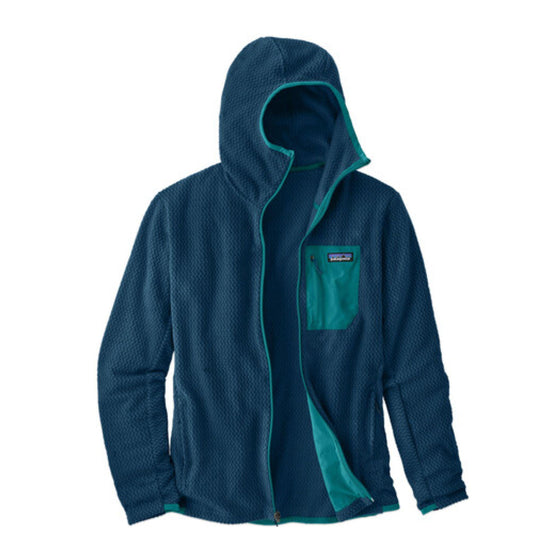
The R1 Air Full-zip Hoody Men Lagom Blue Described as a lightweight technical fleece that’s breathable and quick-drying for high-intensity activity in cold conditions. The product sheet also notes a slim hood designed to fit under a helmet or an outer hood, and shoulder seams shifted to sit more comfortably under pack straps. It’s the kind of piece that makes sense if you sweat easily, climb regularly and want a layer you’ll wear often. The limitation is the same as other lightweight fleeces: on their own they don’t provide serious protection against strong wind or precipitation.
If instead you're looking for a more basic, less technical option, the Thermic Shirt 2 Men's Black it has a more straightforward spec: fleece at 180 g/m², declared weight 240 g, also listed for ski touring use, breathable and stretchy construction. The advantage is simplicity: it can work well as an insulating layer that’s easy to read even as you keep building your system. The trade-off is it offers less nuanced effort management than garments designed specifically for very intense activity.
If your question is broader and covers your entire kit, the guide on how to choose materials for ski mountaineering can help you place these layers better within the overall setup.
Backpacks and accessories: comfort is often decided here
Many people look at the jacket first. Then, on the outing, they realize the difference is made by the pack, neck area, small items and accessories you use for hours. If they’re wrong, you notice them constantly. If they work, they almost disappear.
For short or light outings, a compact, purpose-built pack can be neater to use. The Cross Rider Backpack 20 S Women's Pacific Green It’s described as designed for ski mountaineering and freeride, with dedicated compartments and a system for carrying skis and snowboard, plus a construction calibrated for the female anatomy. The advantage is consistency with snow use. The limitation is volume: it’s a compact pack, so it only makes sense if you keep your gear truly essential and already know how to fit everything into that space.
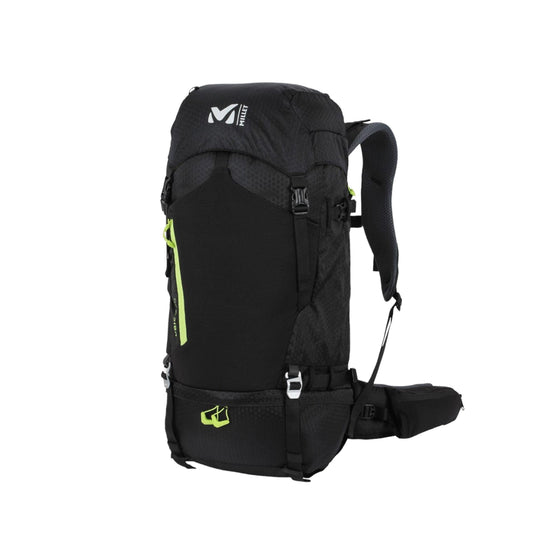
If you need more capacity, the Ubic Backpack 30 Black lists a capacity of 30 liters, dimensions 62 x 27 x 22 cm, a weight of 1265 g and a recycled polyamide fabric with DWR treatment. It’s useful when you want extra room for clothing, water and accessories. Be honest about the category: the product sheet presents it as a versatile trekking pack, not a model specifically for ski mountaineering. It can work in some situations, but it isn’t automatically equivalent to a pack organised for snow and equipment transport.
Among the accessories, the Polar Cap Black neck gaiter It serves a simple but practical role: polyester fleece, adjustable top, dual use as a neck warmer or beanie. Its advantage is low bulk. Its limitation is that it remains a support accessory: if your main layers are wrong, it won't fix the problem.
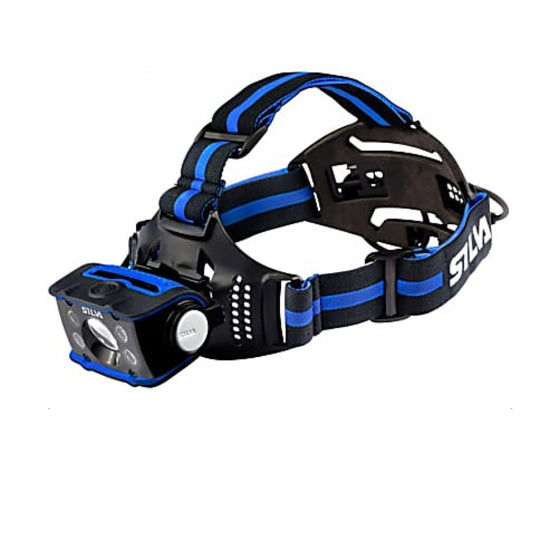
The Sprint Plus Headlamp isn't essential for every outing. It makes sense if you start early, finish late, or want to carry a margin in your pack when timings might run long. For a short daytime trip it can stay at home.
The look helps gauge volumes, it doesn't replace technical checks
For this search it can help to look at a full set, because in ski touring volume compatibility matters almost as much as the individual item. In the “Ascent natural tones” look you'll find the Atom Hoody Jacket Men Black, Argo Hooded Top Men Anthracite, Napoleon 500 Striped Pants Men Army, 001A Shoes Men Star Anise and the Haute Route Backpack 32 Dark Linen. It works well for judging proportions, color palettes and layering overlap.
But there’s one check you can’t skip: a coordinated look isn’t enough to say every item is suitable for an actual ski-touring outing. Boots and pants must always be evaluated by function and real category, not just by overall appearance. This section is meant to help you understand volumes and combinations better, not to automatically turn every piece into specific technical gear.
What to buy first and what can wait
If you’re building your setup from scratch, you don’t need to fill every slot right away. Usually it pays to prioritize what you’ll use for the most active hours. Start with a base layer or midlayer suited to your pace. Then choose an outer shell appropriate for the conditions you actually encounter. Only afterwards does it make sense to complete the kit with a backpack and less urgent accessories.
A warm rest-layer piece such as the Down Sweater Hoody Jacket — Men’s, New Navy or the Down Sweater Jacket — Men’s, New Navy It can be very useful during breaks, on transfers or in less dynamic cold situations. The card mentions recycled down 800-fill-power and a recycled-nylon shell. The advantage is warmth with low weight. The drawback, for active ski mountaineering, is that it doesn’t automatically become the right first purchase if your problem shows up during the ascent.
A lightweight synthetic jacket or a technical fleece will, in many cases, give a more immediate benefit. The simple rule is: buy the garment you’ll use while moving for most of the day, not the one that feels most reassuring when you wear it standing still.
A practical rule for choosing from the Ski Mountaineering selection
If you do regular, dynamic outings, start with a layer that handles effort and moisture well, add a waterproof shell only if your typical weather often requires it, and complete the setup with a pack and accessories that each have a clear role. If you’re still figuring out frequency, routes and commitment level, avoid duplicates and overly specialized gear bought too early.
To start from a concrete base, you can calmly explore the Ski Mountaineering selection and compare models based on intended use, protection and layering volume.
From the catalogue
Choose a model
Open the product page for sizes and details.
 Arc'Teryx
Women's Atom Lightweight Hoody Jacket Bliss/Spark
€200,00
 Patagonia
Men's Triolet Jacket Shrub Green
€450,00
 Patagonia
Men's R1 Air Full-zip Hoody Sweater Lagom Blue
€150,00
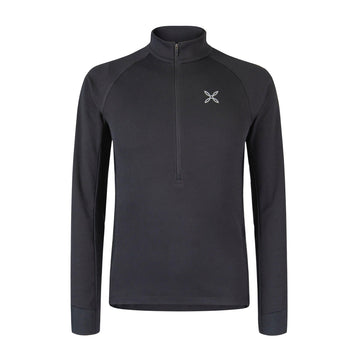 Montura
Men's Thermic 2 Sweater Black
€105,00
 Ortovox
Women's Cross Rider 20 S Backpack Pacific Green
€130,00
 Millet
Ubic 30 Backpack Black
€152,00
 Montura
Polar Cap Neck Warmer Black
€39,00
 Ferrino
Sprint Plus Headlight Blue
€166,00
FAQ
For ski touring, is a shell jacket more useful than a warm down jacket?
It depends on when you hit your limit. If the problem comes when the weather worsens — wind, snow or prolonged exposure — the shell takes priority because it adds real external protection. If you mainly get cold when you stop, a belay or rest insulation jacket can be more useful. If you start feeling uncomfortable during the climb, often neither shell nor insulated jacket is the first fix: check your base and mid layers to avoid overheating and sweating.
Can a trekking backpack of 30 liters be suitable for ski touring?
It can work in some cases, especially if you want a more versatile pack for use off‑snow and need extra capacity. But don’t assume it’s automatically equivalent to a ski‑touring pack. Before you choose, check whether the product sheet lists ski carry systems, glove‑friendly organization and easy access to gear. If you go out on snow often, a pack designed specifically for ski touring usually remains the more appropriate choice.
How do I tell whether a jacket is meant for the ascent or to stay in your pack until stops?
Look at how it’s made and imagine using it on the move. A climbing piece tends to be lighter, more breathable and less bulky, so you can keep it on longer without overheating. A piece meant for resting aims to retain more heat when you’re stationary. The most useful check is practical: could you do a continuous half-hour ascent in that garment without having to open it constantly or take it off almost immediately?
Are three layers enough to start ski mountaineering?
In most cases yes, provided the three layers have clear roles. A base layer to manage sweat, a mid layer to add warmth without restricting movement, and an outer shell suited to the conditions. You can add a warm item in your pack for stops if needed. Owning many similar layers doesn’t automatically improve comfort; it often just makes temperature regulation more complicated.
Are a neck gaiter and a headlamp secondary purchases, or do you need them right away?
They don't have the same urgency for everyone. A compact neck warmer is often immediately useful because it takes up little space and improves comfort in wind and cold. A headlamp becomes important if you head out early, return late, or want extra margin in case of delays. If you make short outings in full daylight, it can be a lower priority than your core layers or your pack.
Ski Sises on Google
Choose Ski Sises as a preferred source: you'll see our guides and news more often in Top stories on Google.