Article: Kway skiing: when it makes sense to choose Kway for snow, piste and everyday use
Kway skiing: when it makes sense to choose Kway for snow, piste and everyday use
- 8 in the guide
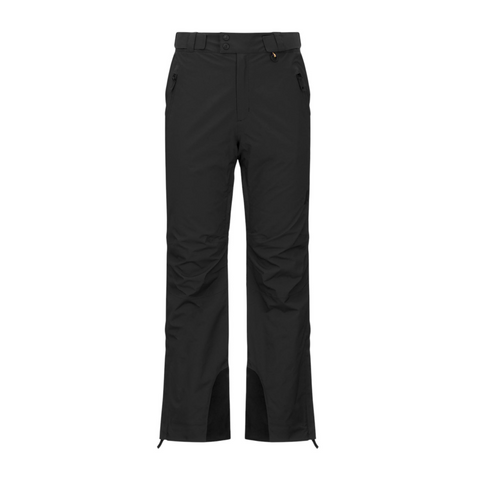
 Men's Queyras 2L Twill Trousers Black Pure
€250,00
View →
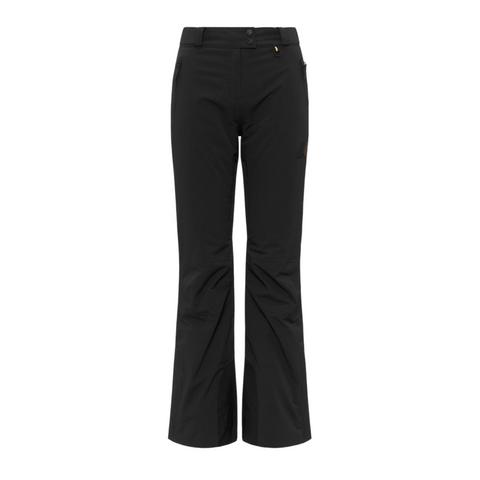
 Women's Lura 2L Twill Trousers Black Pure
€250,00
View →
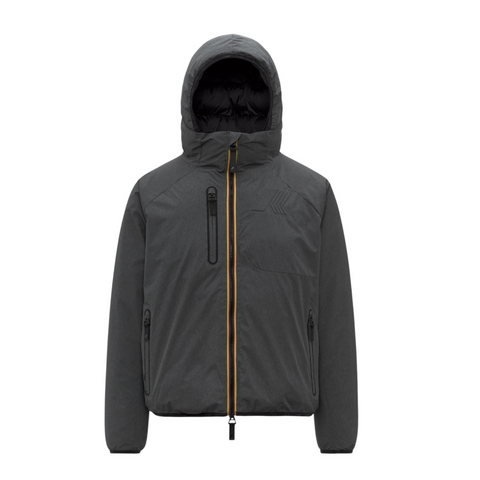
 Men's Parpaillon Jacket Grey Dark Micro Grid
€280,00
View →
 Men's Le Vrai 4.0 Claude Orsetto Jacket Blue Depth
€260,00
View →
 Men's Jack Stretch Dot Jacket Blue Insignia
€170,00
View →
 Men's Jack stretch Jersey Jacket Blue Insigna
€180,00
View →
 Jack St Thermo Double Down Jacket Blue Depth/Green Army
€410,00
View →
 Men's Jack Stretch Dot Jacket Blue Depth
€160,00
View →
Products in this guide
On screen
Men's Queyras 2L Twill Trousers Black Pure
€250,00
View →
On screen
Women's Lura 2L Twill Trousers Black Pure
€250,00
View →
On screen
Men's Parpaillon Jacket Grey Dark Micro Grid
€280,00
View →
On screen
Men's Le Vrai 4.0 Claude Orsetto Jacket Blue Depth
€260,00
View →
On screen
Men's Jack Stretch Dot Jacket Blue Insignia
€170,00
View →
On screen
Men's Jack stretch Jersey Jacket Blue Insigna
€180,00
View →
On screen
Jack St Thermo Double Down Jacket Blue Depth/Green Army
€410,00
View →
On screen
Men's Jack Stretch Dot Jacket Blue Depth
€160,00
View →
When you look at kway skis, you usually face a concrete choice. You want to know whether K-Way can accompany you on a ski week, whether it’s enough for a few days on the snow, or whether the catalogue also includes pieces closer to real ski wear. The short answer is simple: yes, but not the same way for every model. In the K-Way collection you’ll find lightweight jackets for rain and wind, reversible pieces for everyday wear, and some items that come much closer to snow-specific gear. To choose well, distinguish three scenarios right away: resort and short transfers, occasional off‑piste snow, and long days on the lifts. That’s where comfort, limits and value really change.
In short
- Same brand, different uses: Inside the K-Way selection not everything is designed for the same climate or duration of use.
- Practical details matter for skiing: a boot-compatible hem, fit adjustments and construction suited to cold and damp make the difference.
- A lightweight jacket can be enough, but not always: yes for short trips, travel and unstable weather; for many hours on the slopes, often no.
- You notice the wrong ski pants right away: In skiing, the mistake often becomes annoying before the jacket does.
From the catalogue
Explore the models
Open a photo for details
Kway skiing: the first fork is between mountain towns and a real slope
K-Way presents its men's and women's jackets as garments designed for rain, wind and changing weather, with varying degrees of insulation. That's a useful clue to the brand, but it doesn't mean every model is suitable for a full day on the slopes.
If you'll be in the mountains mainly to move between hotel, town, car and a few walks on the snow, a well-made waterproof or windproof jacket can make sense. Here practicality and reusability matter: adjustable hood, taped seams, compact pack size, freedom of movement. You’ll easily wear it again at home.
If instead you expect hours on chairlifts, repeated descents, cold stops and continuous contact with snow and moisture, the required level changes. A jacket made for midseason or travel can feel too light, even when the specs say waterproof or windproof. It's not a product flaw: it's a matter of context.
The K-Way pieces that make most sense when skiing is serious
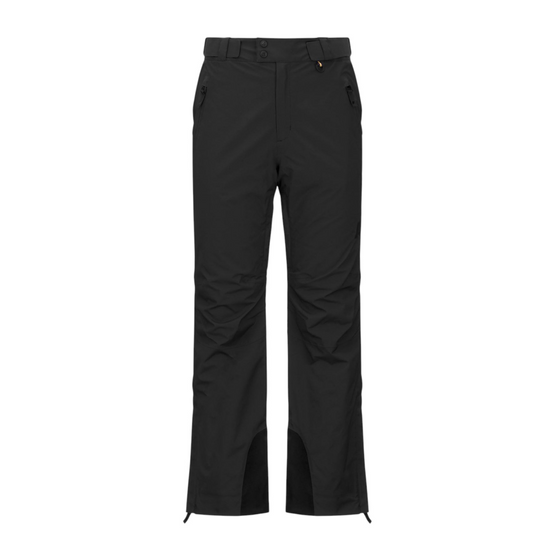
In the catalog there are some products that clearly show the difference. The Queyras 2L Twill Men's Pants Black Pure are intended for pistes or resorts and use 2L Twill fabric. The really useful part, though, are the details linked to use: waist adjustments, boot-compatible leg openings and targeted reinforcements. If you ski, these elements aren't accessories. They make the pants, boot and movement work together well. The downside is that off the snow they are less versatile than everyday trousers.
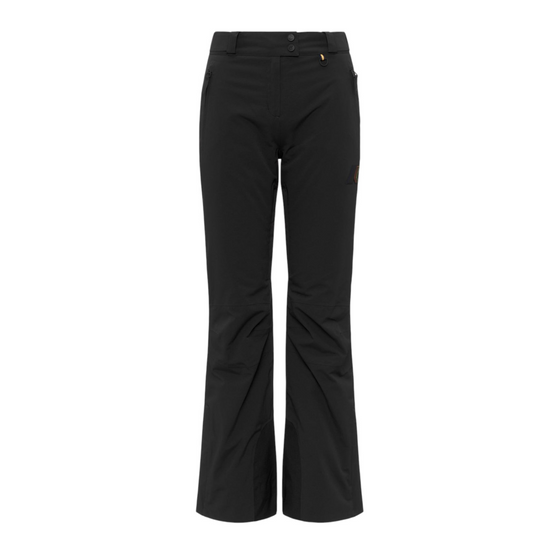
The same reasoning applies to the Lura 2L Twill Women's Pants Black PureThey're described for days on the snow, with waist adjustments and boot-compatible leg openings. If your question is whether to adapt an ordinary pair of trousers, the answer here leans towards no: in skiing a wrong leg hem, moisture coming from below, or a fit that pulls when you bend quickly become annoying.
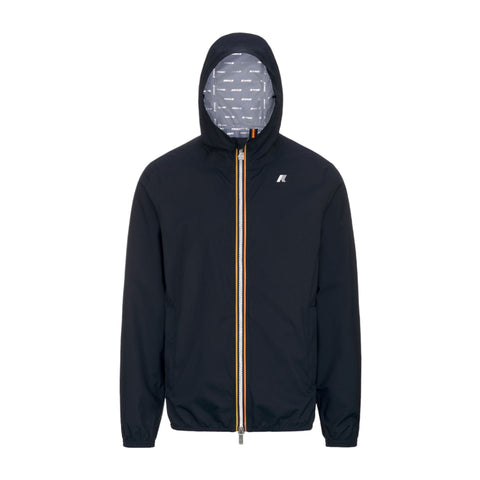
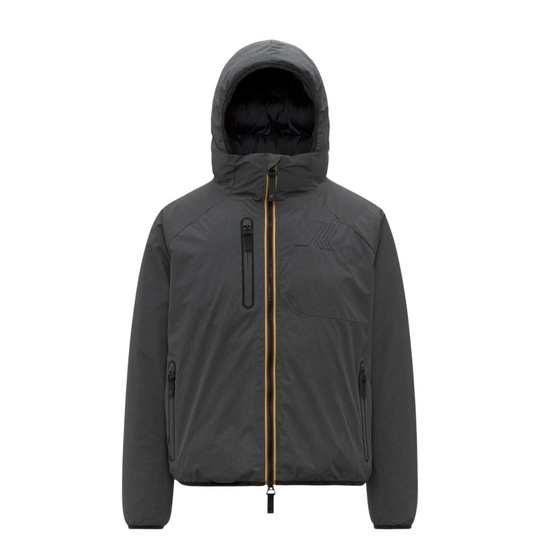
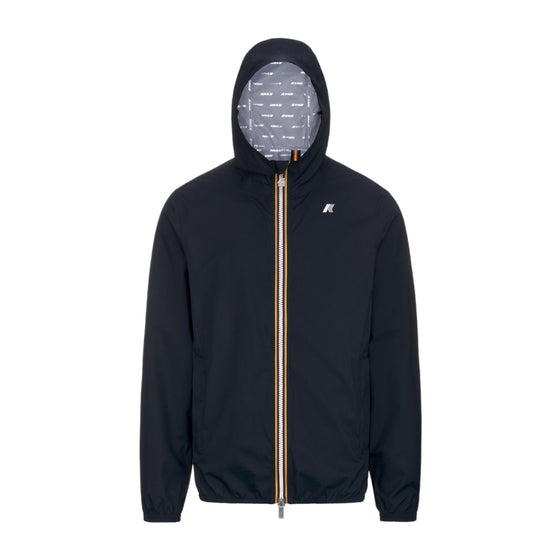
For the upper part, the Parpaillon Men's Jacket Grey Dark Micro Grid It’s the closest item to the ski theme among the products provided. The spec mentions waterproof, windproof fabric, an adjustable hood, zip pockets, and adjustable cuffs and hem. In practical terms: it’s a choice more suited to cold, mountainous conditions than a short city jacket. The useful check before you buy is simple: do you really need it for snow and low temperatures, or are you after a more versatile piece you can wear year‑round?
If your main question is how to interpret a snow jacket, our guide may also prove useful to you. guide on how to choose a ski jacket, because the brand name alone tells you little about the protection you actually need.
When a lightweight K‑Way jacket is the most sensible choice
It isn’t always sensible to buy a garment made specifically for the piste. If you only go to the mountains a few times, if you move frequently between indoors and outdoors, or if you want a jacket you can also use while travelling, a lightweight K‑Way may be the more coherent choice.
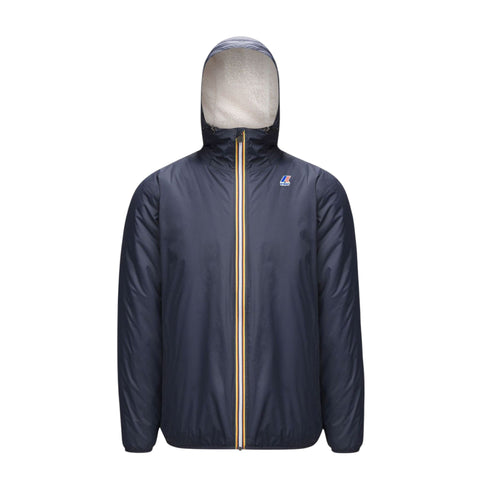
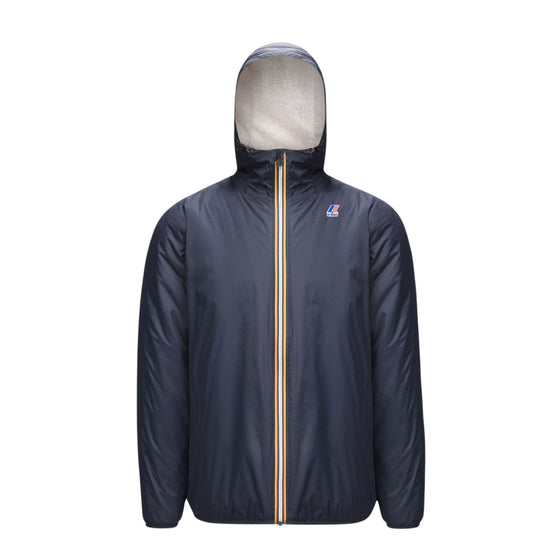
The Le Vrai Jacket 4.0 Claude Orsetto Men’s Blue Depth It's the clearest example. The spec lists micro-ripstop 4.0 recycled nylon, thermally taped seams, DWR treatment and a packable construction that fits in the inner pocket. The benefit is real: it weighs little, takes up little space and stays ready when the weather turns. On a winter holiday that matters a lot if you don't want to carry a bulky garment for every outing.
A clear limit must be stated. Lightweight and packable doesn't automatically mean suitable to sit in the cold for hours or to withstand a full day on the lifts by itself. If you ski seriously, insulation, exposure duration and the layers underneath also make the difference. A compact shell can be very useful, but it isn't always enough as the only solution.
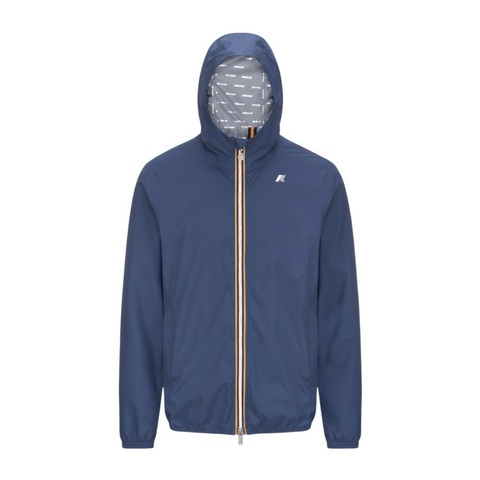
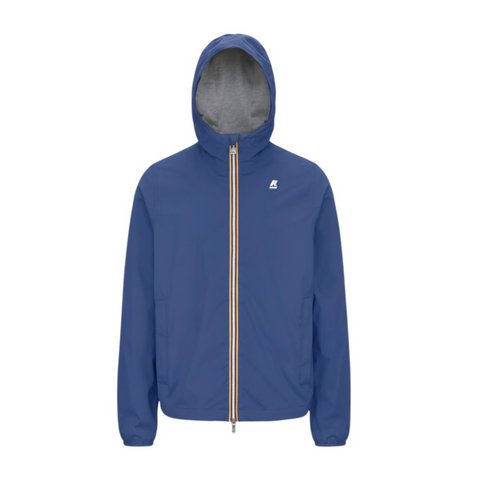
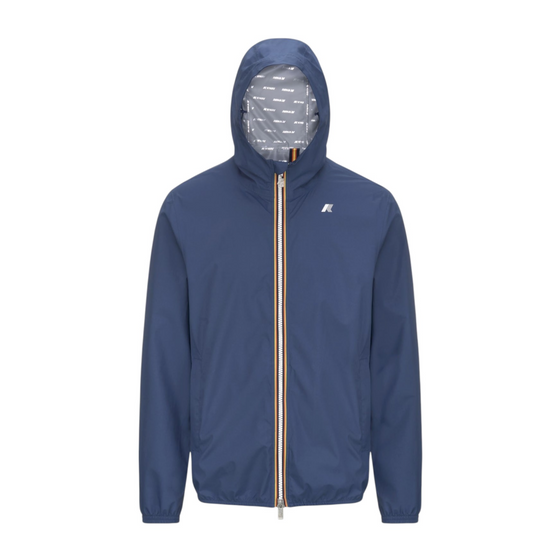
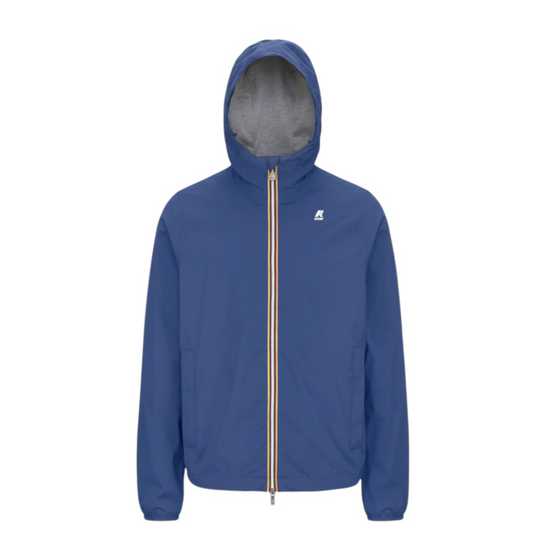
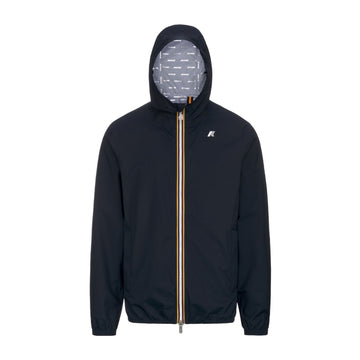
The same logic applies to the Jack Stretch Dot Men's Jacket in Blue Insignia and the Jack Stretch Jersey Men's Jacket Blue InsigniaThey make sense for city use, travel, midseason and variable weather, featuring an adjustable hood, zips, zippered pockets and thermally taped seams. They can also accompany you in the mountains, especially off-piste. But if you need an outfit for many hours on chairlifts, wind and snow, you're moving into a more specific use than these jackets are designed for.
Why on snowy days the pants matter more than the jacket
Many people look at the outer layer first. In practice, though, the pants often decide whether your day stays comfortable or not. You'll notice it quickly: a hem that doesn't work with your boot, fabric that wets from below, a waistband that won't hold layers, discomfort when you bend or get on a lift.
That's why, if you want to build a K-Way set for use close to skiing, starting with dedicated pants is often smarter than immediately investing in a very technical jacket you'll wear twice a season. The selection's 2L Twill models solve exactly this problem. They're not the most versatile in your wardrobe, but they're more consistent where it counts.
Conversely, if you'll only do walks in the snow, high-altitude markets or cold weekends without skiing, a dedicated ski pant can be overkill. In those cases be honest about how you'll use it: less technical gear, well chosen, can mean more reuse and fewer unused items in your closet.
A K-Way look that says winter, but don't mistake it for a piste outfit
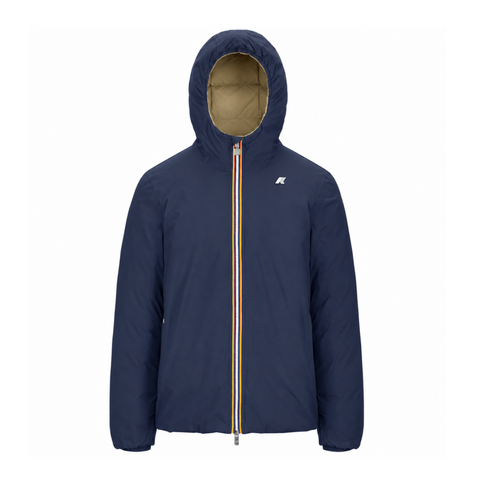
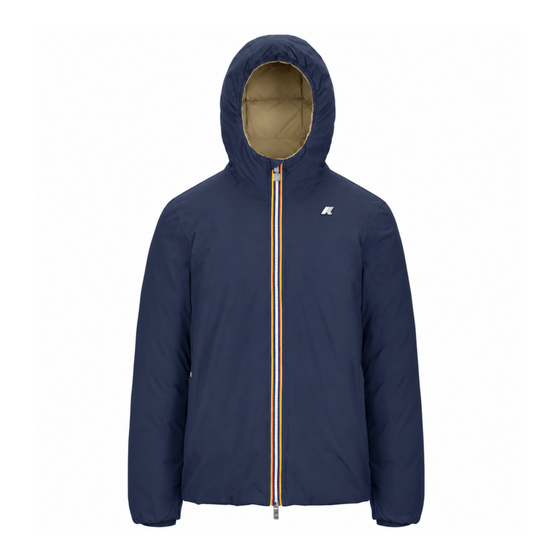
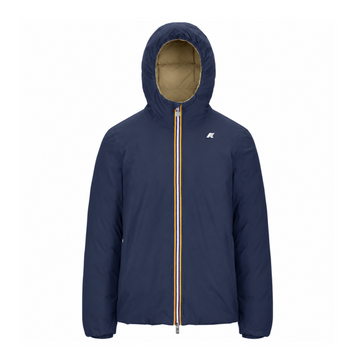
If you pick kway skis partly for style, the “cold urban blue” look helps read the boundary between snow fantasy and real use. The focal point is the Jack St Thermo Double Blue Depth/Green Army Jacket, paired with Men's Argo Hooded Top Anthracite, Regent 1000 Striped Men's Pants Dark Navy, Cloud X5 Men's Shoes Navy/Glacier and Pop Hat Steel Blue/Blueberry.
It works if you want a clean winter ensemble, with blue, anthracite and black tones, suitable for the city, travel or mountain resorts. Here K-Way remains central, but the outfit stays urban-sporty. The limitation is important: training shoes, velvet and casual items can work well off the lifts, not instead of a ski suit. If your goal is to actually ski, this look is meant to convey the aesthetic register, not to replace the proper equipment.
What to check before choosing a K-Way for snow
Before ordering, check three things. These are enough to avoid almost all bad purchases.
The first is exposure time. An hour spent between the parking lot, the village and an outdoor lunch doesn’t feel the same as six hours in windy, broken-up alpine conditions. The longer you stay in the cold, the less wise it is to rely on a jacket designed mainly for midseason.
The second is what you wear underneath. An outer jacket only works well if the layers beneath don’t create unnecessary bulk or restrict movement. If you put on a heavy sweatshirt not meant to live under a shell, the issue often isn’t the jacket: it’s the whole system that pulls, traps heat poorly, or limits mobility.
The third is reading technical terms carefully. Water-repellent doesn’t mean waterproof. A DWR treatment helps the fabric’s surface but doesn’t replace a more protective construction on its own. And a jacket marketed for city, travel, or leisure use doesn’t automatically become a ski jacket just because it copes with rain and wind.
A practical rule for choosing
If you actually ski, start with garments designed for snow and boots, especially the pants. If instead you want a K-Way you’ll wear a lot off the mountain too, choose a lighter, more versatile jacket and don’t expect it to do the job of a piste garment. To compare available models, the most useful thing is to calmly review the K-Way selection starting from the use you'll make most often.
From the catalogue
Choose a model
Open the product page for sizes and details.
 Kway
Men's Queyras 2L Twill Trousers Black Pure
€250,00
 Kway
Women's Lura 2L Twill Trousers Black Pure
€250,00
 Kway
Men's Parpaillon Jacket Grey Dark Micro Grid
€280,00
 Kway
Men's Le Vrai 4.0 Claude Orsetto Jacket Blue Depth
€260,00
 Kway
Men's Jack Stretch Dot Jacket Blue Insignia
€170,00
 Kway
Men's Jack stretch Jersey Jacket Blue Insigna
€180,00
 Kway
Jack St Thermo Double Down Jacket Blue Depth/Green Army
€410,00
FAQ
For a ski holiday where you won't ski, is K-Way enough?
Yes — often it is. If your days will be spent between the village, the hotel, short walks on the snow and car transfers, a well-chosen waterproof or windproof K-Way jacket can make more sense than a dedicated ski jacket. The advantage is that you can reuse it easily after the trip. You should however check two things: how long you'll be stationary in the cold and what layers you'll wear underneath. For long outdoor stops or very low temperatures, a very light jacket may be insufficient.
Is a packable K-Way jacket better, or a more structured jacket for going to the mountains?
It depends on the predominant use. A packable jacket is practical if you travel light, move frequently between indoor and outdoor spaces, or want quick protection from rain, wind and light snow. A more structured jacket makes more sense when you'll spend many hours outside in continuous cold with fewer chances to warm up through movement. A useful check: will you mostly carry it in your backpack as a backup, or wear it for most of the day?
If you ski only a few times a year, what should you buy first from K-Way?
For a few outings it often makes sense to start with the right ski pants, not the jacket. The wrong pants show their flaws quickly: they don’t work well with your boot, let in moisture from below, or restrict movement when you bend. A versatile jacket can sometimes be adapted with the right layers. If you get the pants wrong, discomfort arrives sooner. Prioritizing trousers is especially sensible if you plan to build your kit gradually rather than buy everything at once.
Is a city K-Way jacket suitable for après-ski use?
Yes — often that’s exactly one of the situations where it performs best. For après-ski, walks around town, transfers and evening wear, a city or mid-season K-Way jacket can be more comfortable and easier to reuse than a technical ski jacket. The caveat is not to confuse that with on-piste use: what works well between shops, bars and short trips may not stay comfortable after hours outdoors.
Ski Sises on Google
Choose Ski Sises as a preferred source: you'll see our guides and news more often in Top stories on Google.