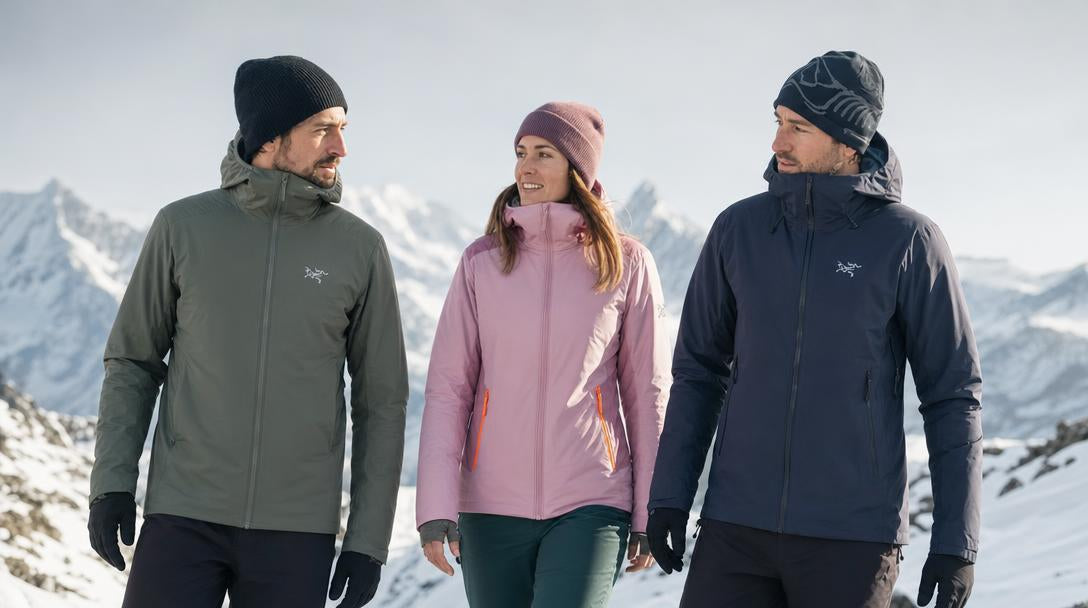
Article: Arc'teryx Beta LT Gore-Tex shell: when to really look for the Beta SL
Arc'teryx Beta LT Gore-Tex shell: when to really look for the Beta SL
- 8 in the guide
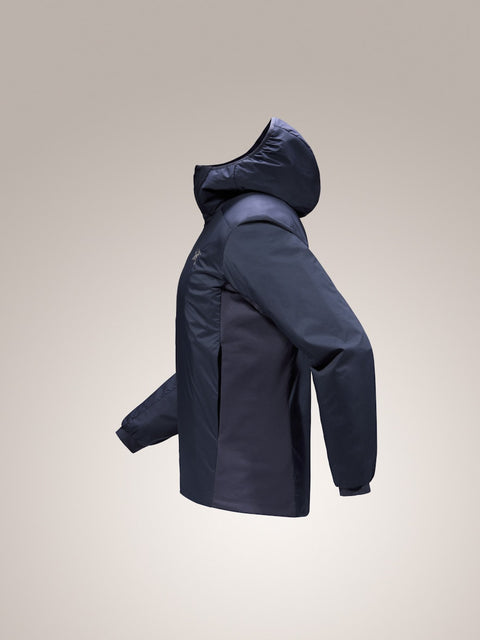


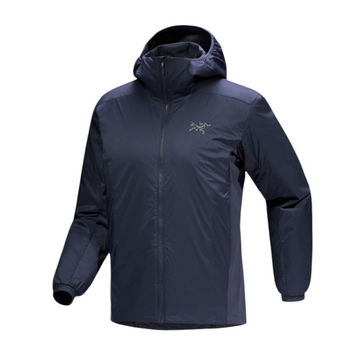
 Jacket Atom Hoody Man Black Sapphire
€252,00
View →
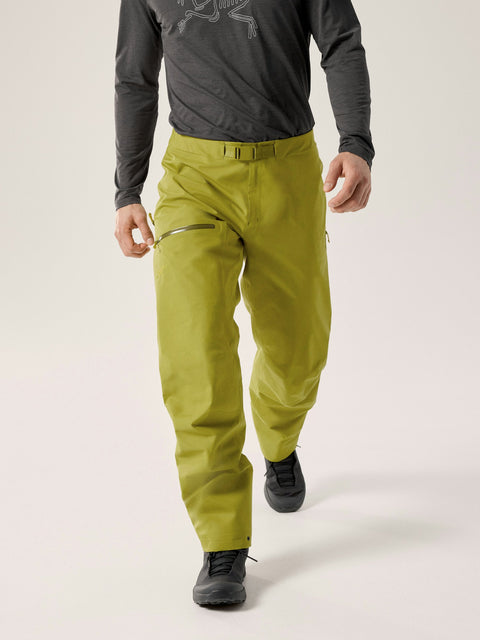
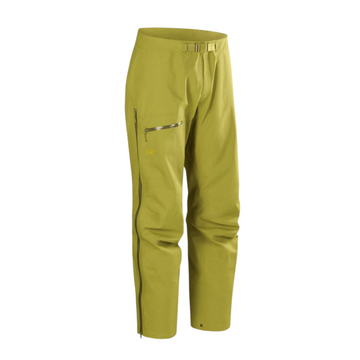
 Men's Beta Trousers Olive Moss
€270,00
View →
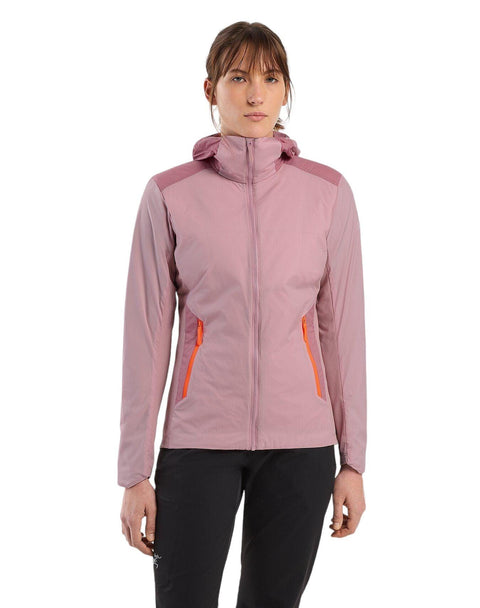
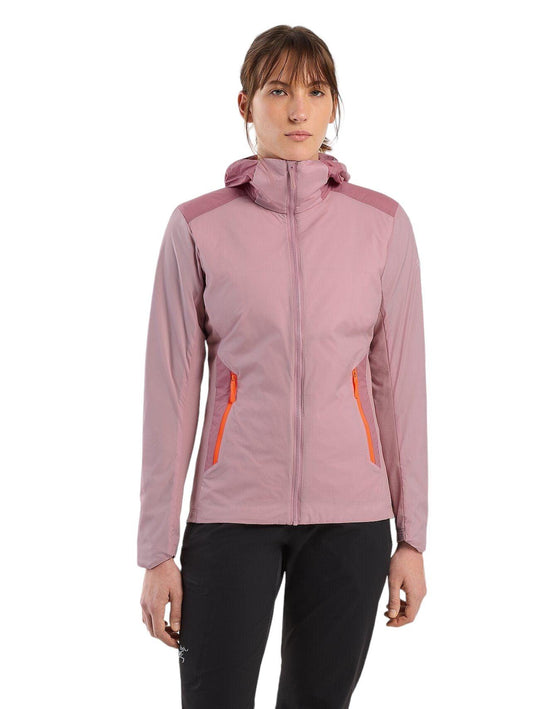
 Women's Atom Lightweight Hoody Jacket Bliss/Spark
€180,00
View →
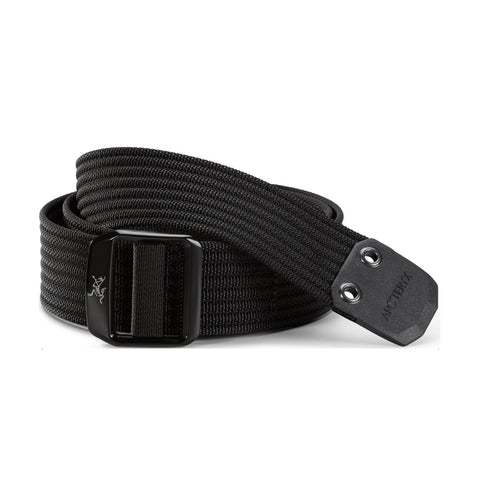
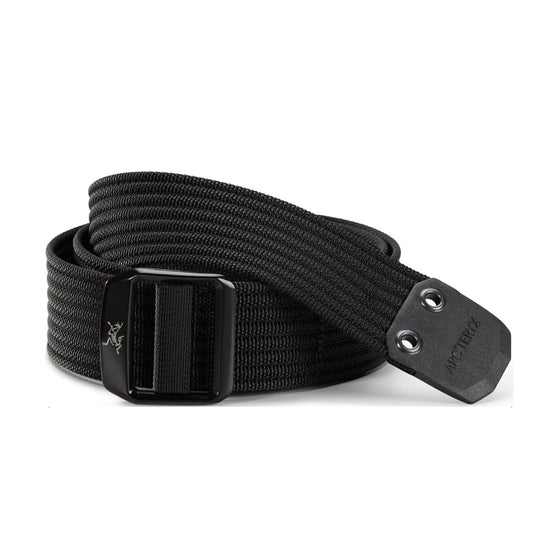
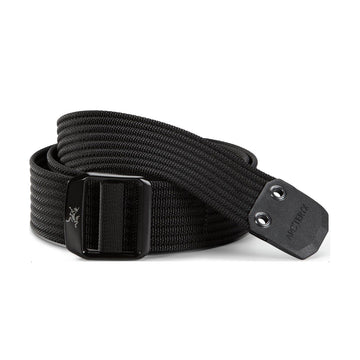
 Conveyor Belt 38 Belt Black
€45,00
View →
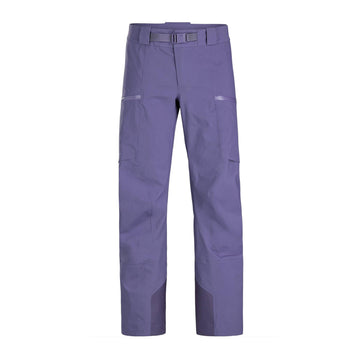
 Men's Sabre Trousers Multiverse
€495,00
View →
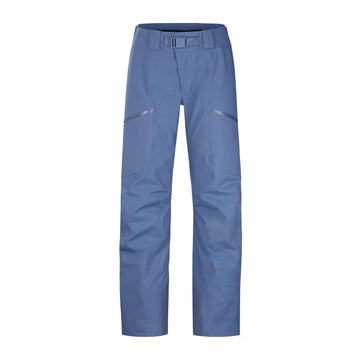
 Women's Sentinel Trousers Moonlight
€495,00
View →
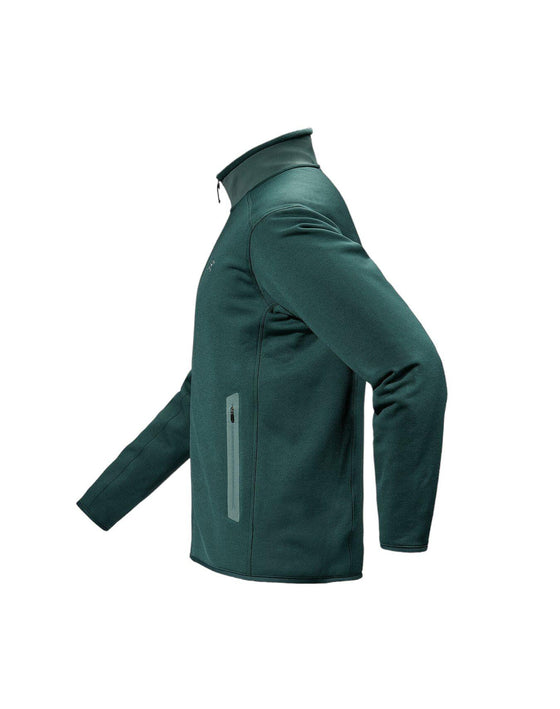
 Women's Kyanite Hoody Sweater Black Sapphire
€171,00
View →
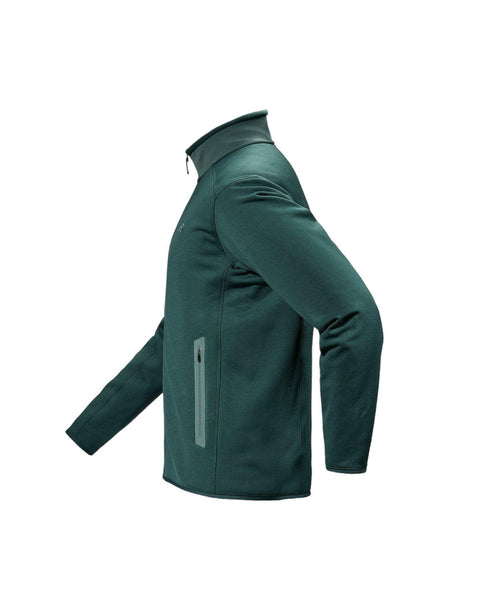
 Men's Kyanite Sweater Pytheas
€162,00
View →
Products in this guide
On screen
Jacket Atom Hoody Man Black Sapphire
€252,00
View →
On screen
Men's Beta Trousers Olive Moss
€270,00
View →
On screen
Women's Atom Lightweight Hoody Jacket Bliss/Spark
€180,00
View →
On screen
Conveyor Belt 38 Belt Black
€45,00
View →
On screen
Men's Sabre Trousers Multiverse
€495,00
View →
On screen
Women's Sentinel Trousers Moonlight
€495,00
View →
On screen
Women's Kyanite Hoody Sweater Black Sapphire
€171,00
View →
On screen
Men's Kyanite Sweater Pytheas
€162,00
View →
If you're looking for an arcteryx Beta LT GORE-TEX shell, you usually aren't after a generic jacket: you're after a serious waterproof shell for mountain use, trekking or unsettled weather. The thing is, searches often point you to the Beta SL, and not always for the right reason. Before you fixate on the letters, work out what role the jacket will really play: stay in your pack until the weather turns, be your main outer layer, or cover occasional rainy, windy outings. Once you nail that, it's much easier to tell when the Beta SL makes sense and when you should pause before buying the lightest model just because it’s the one you looked up. sought.
In short
- Beta SL: the official line presents it as the lightest Beta, built for full protection with good packability.
- You really need it when: you do trekking, approaches or mountain outings in unsettled weather and want a waterproof shell you can wear or stow without much bulk.
- Don't buy the badge: for dry days with constant movement, a softshell often suits better than a GORE-TEX hardshell.
- Before deciding: check how much rain you’ll actually get, what layers you'll wear underneath, and whether you need a helmet-compatible hood or not.
From the catalogue
Explore the models
Open a photo for details


If you’re looking for an Arc'teryx Beta Gore-Tex, the first fork in the road isn’t LT versus SL
The search “arcteryx beta lt gore tex” usually starts well: you’re looking for a serious waterproof shell, not just any jacket. The common mistake comes right after, when the choice collapses to the initials. First you must define the category.
In official sources Arc'teryx distinguishes GORE-TEX hardshells, softshells and lighter windproof pieces. They don’t do the same job. A hardshell is for when you can expect steady rain, snow, exposed wind or open stretches where getting wet really changes the day. A softshell instead prioritizes stretch, breathability and dynamic comfort, but is described as weather-resistant, not waterproof.
You notice that difference on the trail. If you walk fast on a cool but dry morning, a waterproof shell can stay in your pack or feel stiffer than needed. If the weather turns quickly and you don’t have a quick return, the shell becomes central to the choice.
For this reason, inside the Arc'teryx collection, read the Beta SL first as a garment type and only then as a model.
Beta SL Arc'teryx: who it's really for
The Beta SL's official page describes it as the lightest Beta. It places the jacket in alpine travel and mountain realities, meaning mountain use where protection and pack size must stay balanced. In the same excerpt it lists the details that really matter when choosing: a lightweight, thin GORE-TEX ePE membrane, a StormHood compatible with helmets, pit zips, and a RECCO reflector.
Put into real use, the Beta SL makes sense if you want a fully waterproof shell but don't want to fill your backpack with a jacket more structured than necessary. It's a logical choice for trekking, climbs in uncertain weather, mountain travel and days when the jacket goes in and out of your pack repeatedly.
There's one limit to state up front. Light doesn't mean suitable for everyone. If you mainly do short outings on easy routes with fairly stable weather, you might end up with a technical level you'll rarely use. Conversely, if you expect many hours in bad weather and repeated use as your main shell, being the lightest alone isn't enough to make it the most sensible choice.
GORE-TEX shell or a softer garment: you feel the difference after a few hours
A GORE-TEX shell is designed to stop wind and water while remaining breathable. That doesn't automatically make it the most comfortable choice for every outing. Compared with an insulated jacket or a softshell, it feels more technical in the hand and less soft against your body.
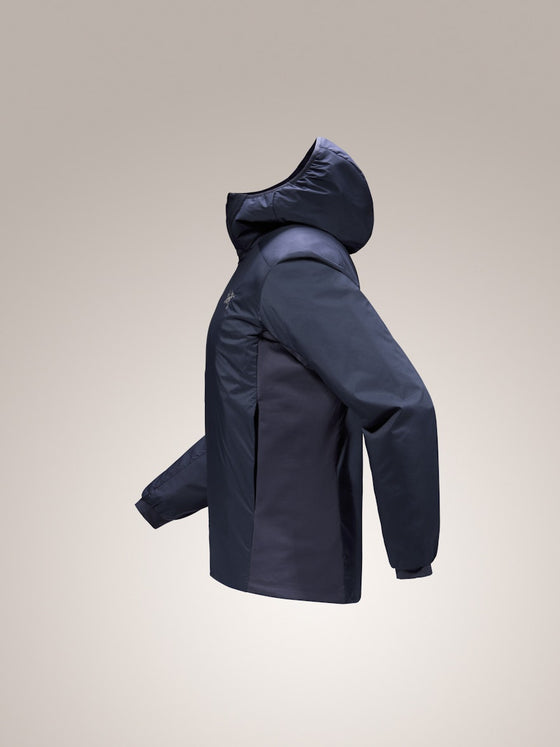
To understand its role, it helps to compare it with a garment many use in different situations, like the Men's Atom Hoody Jacket — Black SapphireAn Atom works on light insulation, wind protection and resistance to light moisture. A Beta SL comes into play when full waterproofing is needed. They aren't mutually exclusive: often they complement each other, because one warms and the other shields you from the elements.
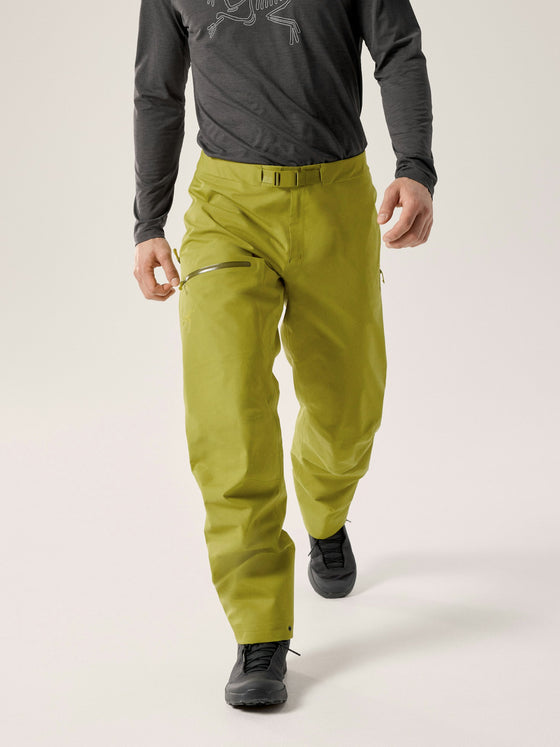
You see the same logic in Men's Beta Pants — Olive MossThe spec lists GORE-TEX ePE in 3 layers with C-KNIT backing, side zippers at 3/4, and a construction intended for layering. Those are typical details of a protective shell for variable conditions, not of pants meant for a dry, easy outing.
The single most useful check before buying is simple: in a typical month, how often will you actually use a waterproof technical shell for rain, snow or exposed wind? If rarely, you may be chasing the model name. If often, choosing the shell makes much more sense.
Details that influence your choice more than the model name
Pit zips
Pit zips listed on the official page matter a lot if you move at pace. A shell protects, but when you climb you build heat. Opening vents under the arms lets you dump heat without removing the jacket and without immediately exposing yourself to rain. If you do active outings, this detail weighs more than many marketing claims.
Helmet-compatible hood
The StormHood is a tangible advantage if helmet and shell are part of the same kit, for example in alpinism or on routes where you often use a helmet. If you never wear a helmet, the benefit remains in coverage and visibility, but it's fair to ask how much you'll really use that compatibility.
Compressibility
A lightweight shell really pays off when it spends time in your pack. If you leave the valley with decent weather and encounter wind or rain higher up, you immediately notice the difference between a garment that stows away easily and one that takes up a fixed volume. If, instead, you’ll wear the jacket all day, compressibility matters a bit less and comfort and how it feels during prolonged use become more important.
The RECCO
The RECCO reflector, mentioned by the official source, can help rescue teams equipped with detectors locate a person more quickly. Read it the right way: it’s an additional aid and does not replace caution, planning, or the specific equipment required by the activity.
An approved look that makes it clear when you don’t necessarily need a Beta
If Arc'teryx appeals to you but your primary use remains city life or relaxed weekends, starting with a Beta shell isn’t always the most useful choice. The “technical blue for the city” look makes that point without blurring each piece’s role.
The Men's Atom Hoody Jacket — Black Sapphire is the Arc'teryx piece of the look and works as a lightweight outer layer or as a mid layer. Underneath, the Men's Half-Zip Navy adds warmth. The Wide 5 men's raw denim pants they keep the outfit on a casual, everyday register. The XT-6 shoes in Spellbound/Maritime Blue they pick up the blue palette, while the Logo Lined Steel Blue Hat ties the look together coherently.
For this purpose the useful point is this: if you like the Arc'teryx aesthetic but want a piece you can wear more often in dry weather, an Atom or a midlayer is a more coherent starting point than a technical waterproof shell.
When the Beta SL is a sensible choice — and when it isn't
The Beta SL makes sense if you want a technical shell to carry on outings where the weather changes quickly, if you go trekking or do mountain activities and want full protection without immediately moving to a bulkier garment. It also works well if you already use a layering system and know you'll wear a technical base layer, a lightweight fleece or a thin insulating layer underneath.
It makes less sense if you mainly want everyday softness, or if you go out almost always in good weather and end up wearing the jacket out of habit rather than necessity. In that case a softshell, or a lightweight insulated jacket from the same collection, will give you more actual hours of use.
If the question isn’t only about this model but about the role of a shell itself, the guide on how to choose a Gore-Tex shell Arc'teryx. It’s the right step when you’re still deciding between hardshell, softshell and an insulated jacket.
What to check before you really decide
Before you buy a Beta, think about the outing you do most often, not the exceptional one you do once a year. How long are you out? In which season? How much rain or snow do you actually encounter? Do you use a helmet? Do you wear a light base or a substantial midlayer underneath? Do you want an emergency weather shell or your main outer layer?
Then check size according to layers. In the men's guide Arc'teryx available in the collection, M corresponds to chest 102 cm, waist 86 cm and sleeves 86 cm; L rises to chest 110 cm, waist 94 cm and sleeves 89 cm. For a shell these numbers shouldn't be read like a close-fitting shirt. They must leave you room to move and to add a layer underneath, without creating unnecessary bulk under your backpack straps.
The practical rule is this: if you need genuine waterproof protection for changeable mountain conditions, the Beta SL is a credible choice; if you're mainly after everyday comfort and staying dry, stop earlier and reassess the category. If you want to compare models calmly, start from selection Arc'teryx and check what role the garment you're missing actually needs to fill.
From the catalogue
Choose a model
Open the product page for sizes and details.
 Arc'Teryx
Women's Atom Lightweight Hoody Jacket Bliss/Spark
€180,00
 Arc'Teryx
Conveyor Belt 38 Belt Black
€45,00
 Arc'Teryx
Men's Sabre Trousers Multiverse
€495,00
 Arc'Teryx
Women's Sentinel Trousers Moonlight
€495,00
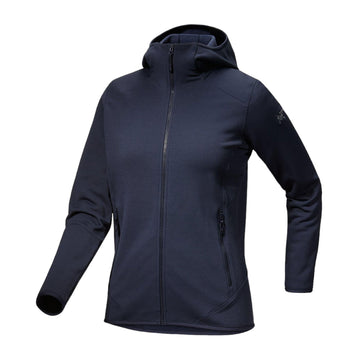 Arc'Teryx
Women's Kyanite Hoody Sweater Black Sapphire
€171,00
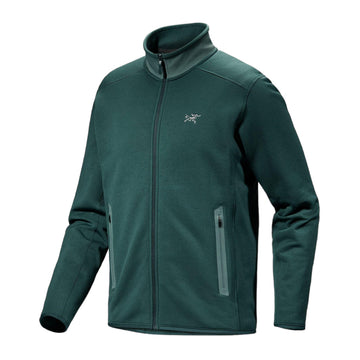 Arc'Teryx
Men's Kyanite Sweater Pytheas
€162,00
FAQ
Could the Beta SL Arc'teryx be the only jacket you need all year?
It can serve as a standalone waterproof shell, meaning a layer designed for rain, wind and changeable weather. However, it doesn't replace a garment that warms. If it's cold, you'll need to add a fleece or an insulating jacket underneath. In practice it works well if you already think in layers and want reliable outer protection. If instead you want a jacket to wear often even in dry weather, it may feel more technical than necessary.
For trekking and walks, is the Arc'teryx Beta SL or Atom better?
They have different roles. The Beta SL is a waterproof, windproof shell: choose it when protecting yourself from bad weather is the top priority. The Atom is a lightweight insulated jacket with good wind protection and light moisture resistance: you'll prefer it in cool, dry or variable conditions. If you trek in real rain or unstable weather, the Beta SL fills a specific need. If you go out mostly in cool dry weather, the Atom can become your go-to piece.
How should I size a Arc'teryx Beta shell to wear over layers?
Start from the actual measurements and how you’ll use the garment. In the men’s guide Arc'teryx in the collection, M corresponds to chest 102 cm, waist 86 cm and sleeves 86 cm; L moves to chest 110 cm, waist 94 cm and sleeves 89 cm. If you’ll wear only a technical base layer and a thin fleece underneath, your usual size may be fine. If you often plan a bulkier midlayer, pay particular attention to chest and sleeves. A useful fit check isn’t only static: zip up, raise your arms, mimic shouldering a pack and confirm the garment doesn’t pull at the front or ride up too much.
Is a Beta SL too technical for city use and easy walks?
It can be, if your real use doesn’t require full waterproofing. In town or on short walks in good weather, a technical shell can feel stiffer and less natural to wear than a softshell or a lightweight insulated jacket. It’s still useful if you want a true barrier against rain during daily commuting or travel. The key is to accept it for what it is: a technical shell, not a casual-looking outdoor jacket.
What practical difference is there between a Gore-Tex Arc'teryx shell and a softshell?
The difference is in the job they have to do. A GORE-TEX shell is designed to offer full protection from water and wind, while remaining breathable. A softshell focuses more on stretch, airflow and comfort in motion, but isn't waterproof like a hardshell. If you face continuous rain, snow or long exposure, the shell is the right category. If you move fast in fair weather and want a less stiff feel, the softshell is often more consistent.
Ski Sises on Google
Choose Ski Sises as a preferred source: you'll see our guides and news more often in Top stories on Google.