Arc'teryx winter jacket: how to choose the right one
- 8 in the guide



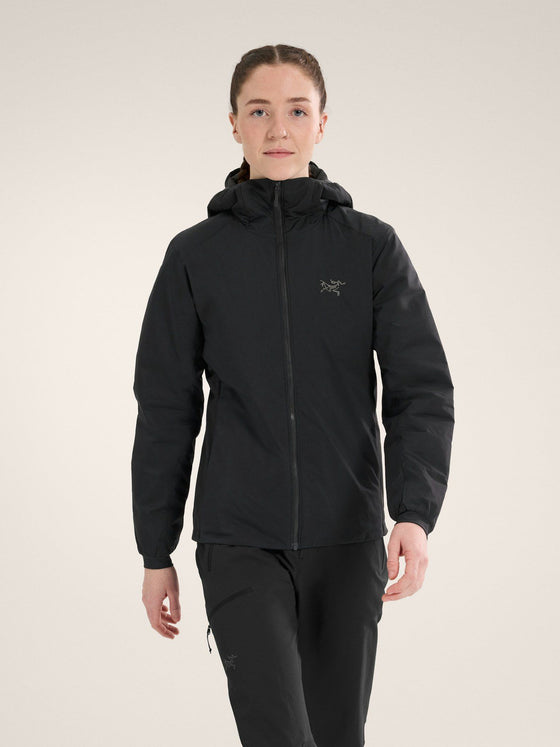
 Jacket Atom Hoody Woman Black
€280,00
View →
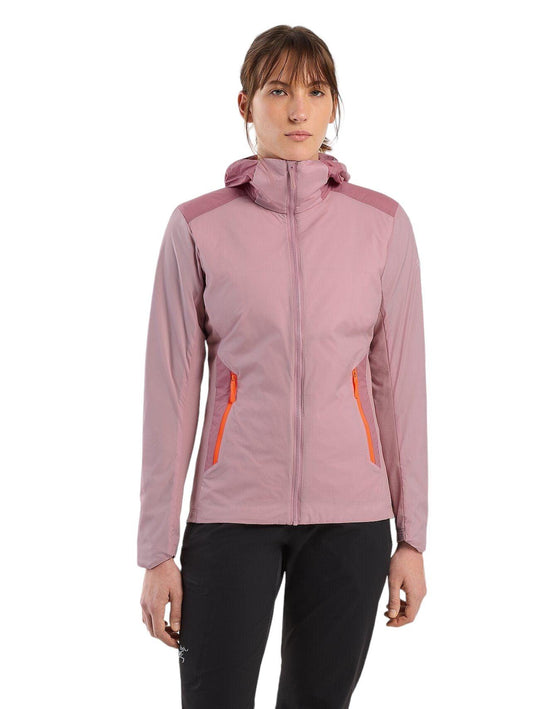
 Women's Atom Lightweight Hoody Jacket Bliss/Spark
€180,00
View →
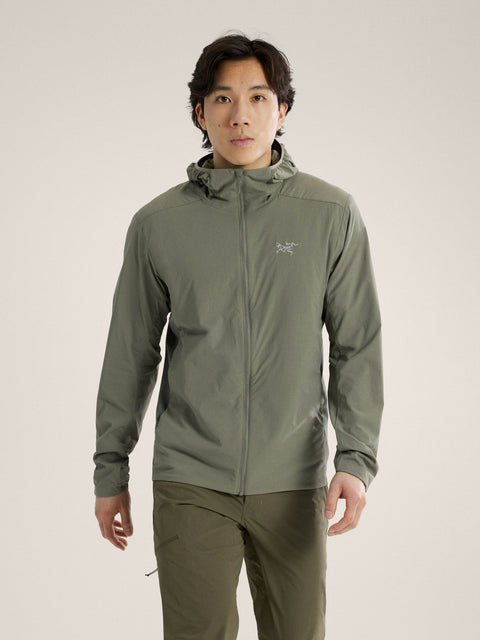
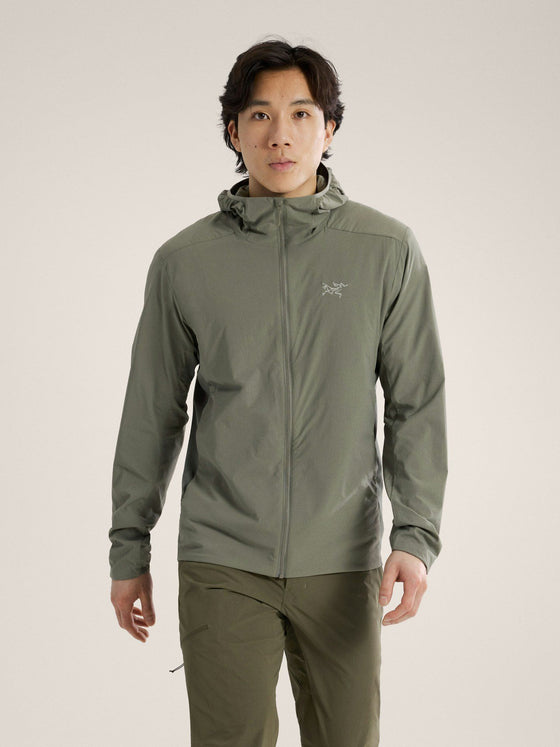
 Men's Atom SL Hoody Jacket Forage
€234,00
View →
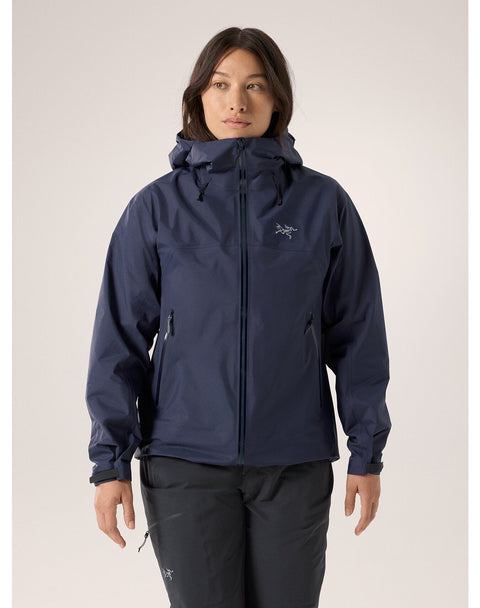
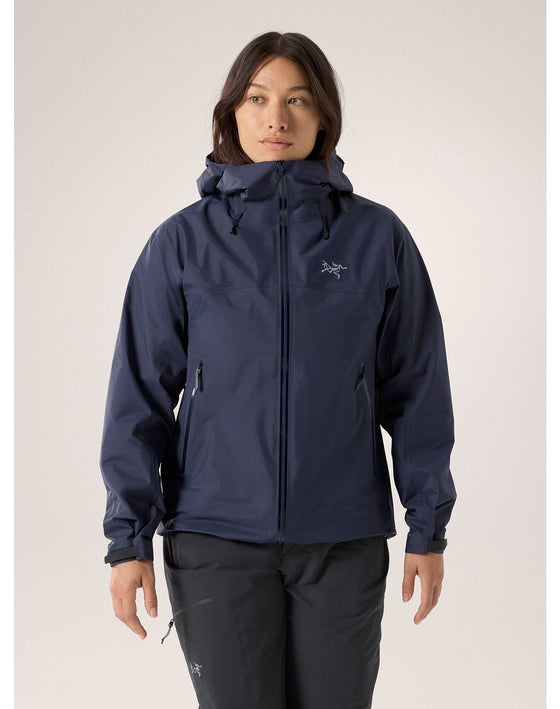
 Women's Beta SL Jacket Black Sapphire
€450,00
View →
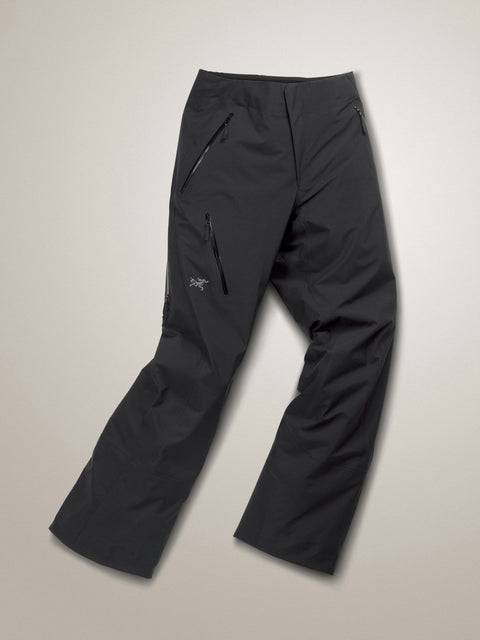
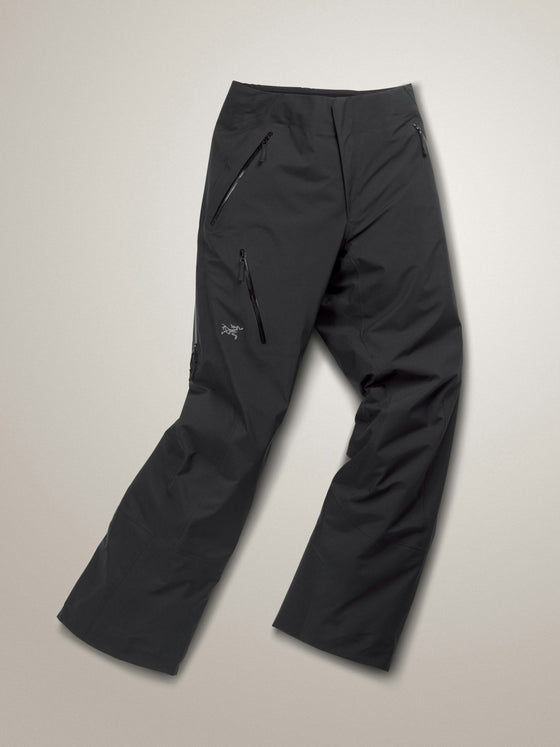
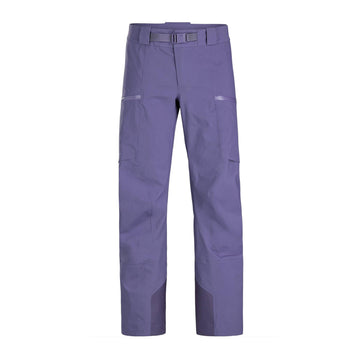
 Men's Sabre Trousers Multiverse
€495,00
View →
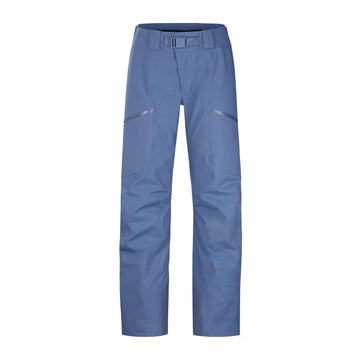
 Women's Sentinel Trousers Moonlight
€495,00
View →
 Arc'Teryx Nita Insulated Pant W Black X7304
€585,00
View →
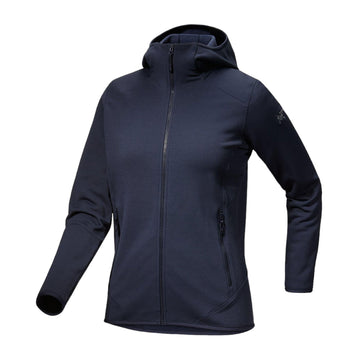
 Women's Kyanite Hoody Sweater Black Sapphire
€171,00
View →
Products in this guide
On screen
Jacket Atom Hoody Woman Black
€280,00
View →
On screen
Women's Atom Lightweight Hoody Jacket Bliss/Spark
€180,00
View →
On screen
Men's Atom SL Hoody Jacket Forage
€234,00
View →
On screen
Women's Beta SL Jacket Black Sapphire
€450,00
View →
On screen
Men's Sabre Trousers Multiverse
€495,00
View →
On screen
Women's Sentinel Trousers Moonlight
€495,00
View →
On screen
Arc'Teryx Nita Insulated Pant W Black X7304
€585,00
View →
On screen
Women's Kyanite Hoody Sweater Black Sapphire
€171,00
View →
When you look for an Arc'teryx winter jacket, the brand name or the clean lines of the garments are often the first things that catch your eye. To choose well, though, it pays to pause for a moment. In winter the difference is significant between an insulating Atom, a GORE‑TEX Beta SL, or a Kyanite intended as a midlayer. The useful question is simple: do you need immediate warmth, protection from snow and rain, or a garment that better regulates temperature while you move? the Arc'teryx collection there are models different enough to cover very different needs, so starting from function saves you from buying something that doesn’t fit your use.
In short
- Cold everyday use: an Atom often makes more sense than a bare shell, because it heats you immediately and is easy to put back on.
- Snow, rain, wind: A shell like Beta SL protects better, but you have to build it together with the layers underneath.
- Intense activity: a midlayer or a lightweight insulated jacket handles heat better than a very heavy, tightly sealed garment.
- Skiing and long outings: the jacket alone is almost never enough; the complete system is what counts.
From the catalogue
Explore the models
Open a photo for details



The first crossroads: what job does your jacket actually need to do
Not all winter jackets do the same thing. If you’ll use it for everyday commutes, outdoor breaks, running errands and calm weekends, you usually want something that provides warmth without making you think every time about what to wear underneath. In that case a pure shell can feel too bare: it blocks wind and precipitation, but if you only have a sweater beneath it you’ll immediately notice something is missing.
If instead your winter includes hiking, elevation gain, windy days or fast-changing weather, then outer protection becomes more important. The official sources Arc'teryx make a clear distinction between GORE-TEX hardshells and softshells: hardshells are designed to be waterproof, windproof and breathable; softshells prioritize stretch, comfort in motion and wind resistance, but they aren’t waterproof. It’s a practical difference, not a theoretical one. A softshell works well when it’s cold but relatively dry. A hardshell is needed when rain, snow or strong wind are likely parts of the outing.
Before you look at models, ask where you lose comfort most: when you stand still in the cold or when you get wet or chilled by the weather. The answer immediately shifts the choice.
If you're looking for an Arc'teryx to wear often, the Atom remains the easiest starting point
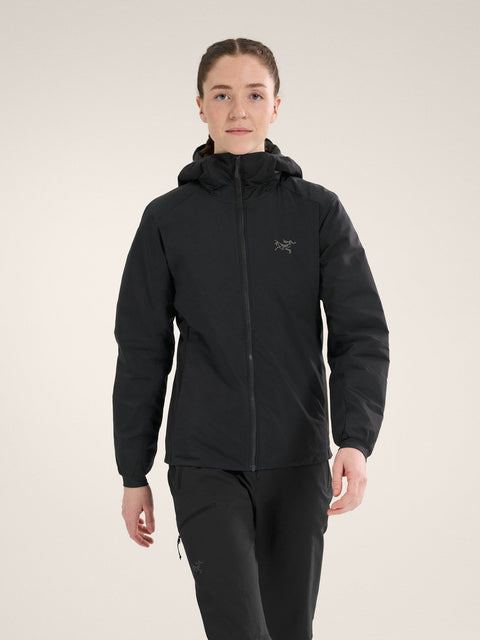
For many people the Atom family is the simplest way to enter the Arc'teryx winter lineup. The Atom Hoody Jacket Women's Black It's described with Coreloft synthetic insulation, Tyono™ 20 outer fabric and a DWR finish. In real use: it traps heat, handles light wind and moderate moisture well, and can work both as an outer layer and under a shell.
The advantage is that it needs little breaking in. You put it on to go out, for an easy walk, for a winter trip, or for a cold-but-not-extreme day. Compared with a shell it's more immediate; versus a simple fleece it adds more external protection. The limitation should be stated clearly: the DWR finish helps with light moisture but does not replace continuous waterproof protection. If you expect wet snow, rain, or long exposure to wind, it won't be enough on its own.
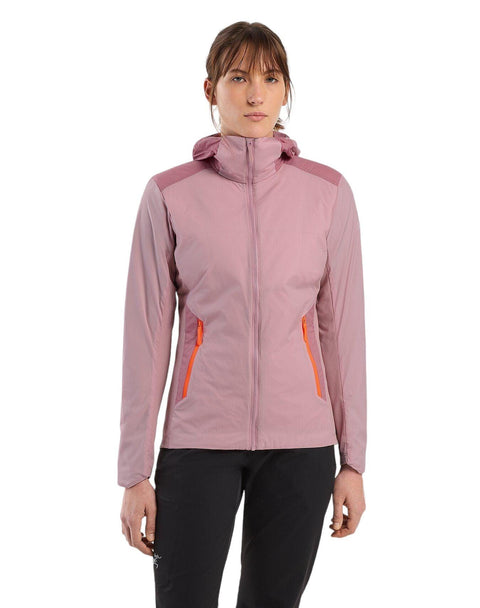
In the same family there are slimmer variants, like the Atom Lightweight Hoody Jacket Women's Bliss/Spark and the Atom SL Hoody Jacket Men's ForageThey make sense if you move a lot, want a garment that's easier to pack into your backpack, or are already thinking about midseason use and active pursuits. As your only jacket for a cold city winter, though, they can feel light—especially if you spend long periods standing still or wear only thin base layers.
When a Beta SL makes more sense than an insulated jacket
The Beta SL Women's Jacket Black Sapphire clears up a common misconception: not every winter jacket is a warm jacket. Here we're talking about a shell. The product page describes it as a lightweight, packable piece in GORE-TEX. The official source Arc'teryx adds details that help clarify its role: a lightweight, thin GORE-TEX ePE membrane, a StormHood compatible with a helmet, pit zips for ventilation, and a RECCO® reflector.
This set of features says one thing clearly. The Beta SL is designed to protect you from the elements and leave heat management to the layers underneath. For skiing, winter trekking, mountaineering or long days in unstable weather this approach works very well, because it lets you adapt more easily over the course of the day. There is a flip side: it demands more care when you compose your kit. If your baselayer is too light you’ll feel cold as soon as you stop. If you overdo the layers and then hike hard, you’ll need to ventilate often.
For mainly urban use, the Beta SL makes sense only if you really want a technical shell you can also use outside the city. If you need one comfortable, simple and warm jacket for everyday winter routines, a shell like this risks being more specialized than necessary.
Ski, snow and layers: the jacket alone matters less than you think
People searching for “ski jacket Arc'teryx” often try to focus the whole choice on the outer garment. On snow, though, comfort depends a lot on what’s worn underneath and under that. A shell on top, a consistent thermal midlayer and pants suited to the activity are worth more than buying a technical jacket by itself.
In the collection you’ll find the Sabre Men’s Multiverse Pants, described as waterproof, windproof and breathable, with a RECCO® reflector and Cordura® 100D reinforcements at the cuffs. For women, the Sentinel Women's Pants Moonlight use 3L GORE-TEX Pro and are geared toward freeride and backcountry. The Nita Insulated Women's Pants Black, on the other hand, add Coreloft™ synthetic insulation of 60 g, thigh vents with PowderGuard™ mesh, an adjustable high waist and Keprotec™ reinforcements: they make more sense on piste or on cold days when you take many breaks.
The trade-off is simple. The more a garment is designed for real snow and continuous use, the better it performs there and the less versatile it is elsewhere. If you ski a few weekends a year, a layered system that you can reuse for other activities is usually better. If you spend many days on snow, dedicated pieces start to pay off.
The midlayer comes in here. Many mistakes come from thinking only about the outer jacket: a shell doesn't warm by itself, while a heavy insulated jacket can feel too restrictive as soon as you start moving. A piece like the Kyanite Hoody Women's Top Black Sapphire or the Kyanite Men's Top Pytheas it needs to provide mid-layer regulation. The official source for the Kyanite Hoody states Polartec® Power Stretch® Pro with a nylon face for abrasion resistance, four-way stretch, a slimmer fit and easy layering under a shell. Practically, it's a technical fleece prioritizing temperature control, mobility and comfort over standalone weather protection.
That makes sense if you move at varying intensities, start out cold and then warm up, or already have a shell but feel you lack a well-made midlayer. It doesn't replace a true shell in snow or rain. And it's not the most logical choice if you want a single winter outerwear piece for long periods of inactivity outdoors. Before buying, check whether the real problem is simple cold or the challenge of managing excess heat while active.
If you want to narrow the field on the men's side, this guide on which Arc'teryx men's jacket to choose based on activity.
A city-to-trail look that makes a common choice tangible
For everyday to light outdoor use, the 'Pineberry with soft neutrals' look helps clarify the role of a non-extreme Arc'teryx jacket. The Women's Atom Hoody Jacket Pineberry remains the center of the look: prominent enough to be the outer layer, yet still easy to wear in your everyday routine. The Stone Logo Relaxed T‑shirt in Anthracite Grey keeps the base simple. The Eva Velvet Women's Pants Latte and the Jovi Grey Hat push the look toward a soft, clean winter. The Cloudrunner 2 Waterproof Shoes Women's Sand/Dew pick up the light tones and keep a cut suited to both city streets and easy trails.
It's a sensible outfit if, to you, “winter jacket Arc'teryx” means commuting, weekends and simple walks. It's not a mountaineering setup for exposure to serious bad weather. For that you need garments with more specific roles.
Size and fit: the useful check isn't the letter but the right amount of space
On Arc'teryx you should read the size chart together with the garment role. In the men’s guide, M corresponds to chest 102 cm, waist 86 cm and sleeves 86 cm; L to chest 110 cm, waist 94 cm and sleeves 89 cm. In the women’s top guide, S shows chest 89 cm and waist 73 cm; M chest 94 cm, waist 78 cm and sleeves 81 cm.
Numbers alone don’t tell the whole story, but they help a lot. For a close-fitting piece like Kyanite, the same official source describes a fitted cut and an updated shape to make layering under a shell easier: if you’re between sizes and plan to wear it over a thicker midlayer, check chest, shoulders and sleeve length carefully. For a shell such as Beta SL, the point is to leave room for layers underneath without adding unnecessary bulk. For an urban Atom, think about what you actually wear day to day: a T‑shirt and a light fleece don’t require the same margin as a thick sweatshirt.
The most useful test remains practical. Zip up with the layers you’ll actually use, raise your arms, bend and rotate your shoulders as if putting on or taking off a pack. If it pulls at the chest, rides up over the abdomen or binds at the shoulders, the problem will get worse with prolonged wear, not better.
The practical rule for choosing
If you want a single Arc'teryx to wear often in winter, start with an Atom. If your real winter consists of snow, wind and difficult weather, start with a shell like the Beta SL and build your layers properly. If you already have an outer layer but miss a piece that regulates warmth better, look at the Kyanite. The right choice isn't the most technical one: it's the one you'll actually use for the purpose you're paying for. To compare available models calmly, you can start from the selection Arc'teryx.
From the catalogue
Choose a model
Open the product page for sizes and details.
 Arc'Teryx
Jacket Atom Hoody Woman Black
€280,00
 Arc'Teryx
Women's Atom Lightweight Hoody Jacket Bliss/Spark
€180,00
 Arc'Teryx
Men's Atom SL Hoody Jacket Forage
€234,00
 Arc'Teryx
Women's Beta SL Jacket Black Sapphire
€450,00
 Arc'Teryx
Men's Sabre Trousers Multiverse
€495,00
 Arc'Teryx
Women's Sentinel Trousers Moonlight
€495,00
 Arc'Teryx
 Nita Insulated Pant W Black X7304
€585,00
 Arc'Teryx
Women's Kyanite Hoody Sweater Black Sapphire
€171,00
FAQ
Is the Arc'teryx Atom or the Beta SL better as your winter jacket?
It depends on the job you want the jacket to do. An Atom is better if you want immediate warmth, everyday comfort and a garment that's easy to wear alone in town, while traveling or on relaxed outings. The Beta SL is a waterproof, windproof shell: it protects better from snow, rain and wind, but it's not designed to warm on its own. If you want a single straightforward jacket for a typical winter, Atom is often the more intuitive choice. If you do mountaineering, ski or long trips in unstable weather, the Beta SL makes more sense—provided you build your layers well underneath.
Can a Arc'teryx shell be enough for the winter in the city?
Yes, but only if you treat it as an outer shell and not as a full insulated jacket. A shell like the Beta SL protects well from wind and precipitation, but warmth depends almost entirely on what you wear underneath. For short trips, brief stops outdoors or very cold days many people find an insulated jacket more immediately effective. A shell in town makes more sense if you want a technical piece you can also use in the mountains, or if you prefer to manage heat with layers rather than a fixed filling.
To ski with Arc'teryx is the jacket enough or do you also need technical pants?
For a day on the snow both pieces matter. A technical jacket helps, but if your pants don’t stand up to moisture, wind or movement comfort falls fast, especially after several hours. In the Arc'teryx collection there are designs for different uses: Sabre for technical on-piste, Sentinel for freeride and backcountry, Nita Insulated for those who want extra warmth already built into the trousers. If you ski only a few times a year you may not need the most specialised set, but if you spend many days out the right pants make a tangible difference almost as much as the jacket.
Which Arc'teryx jacket should you choose if you sweat easily while walking?
If you heat up quickly, don’t start out in your warmest jacket just because it’s winter. A more modular system usually works better: a breathable midlayer or a light insulating layer, plus a shell you can open or remove when needed. A Kyanite or an Atom Lightweight can be easier to manage than a very closed jacket worn alone. The key is the balance between movement and rest: the more time you spend moving, the more breathability and ventilation matter alongside insulation.
How do I know if the Arc'teryx size is right when I want to layer?
Start from measurements, not just your usual size. For men, in the sizing guide M indicates chest 102 cm, waist 86 cm and sleeves 86 cm; L indicates chest 110 cm, waist 94 cm and sleeves 89 cm. For women’s tops, S indicates chest 89 cm and waist 73 cm; M indicates chest 94 cm, waist 78 cm and sleeves 81 cm. Then do a real fit check: wear the layers you’ll actually use underneath, zip up, raise your arms and move your shoulders. A shell should allow room for layering; a midlayer meant to be close-fitting should sit near the body without pulling.
Ski Sises on Google
Choose Ski Sises as a preferred source: you'll see our guides and news more often in Top stories on Google.