




Ski discounts: how to recognize a truly good buy
Buying during ski sales can be a great way to upgrade your gear without spending more than necessary. It can also turn into a mediocre purchase if the choice is based only on the percentage on the tag. This guide is for piste skiers, for those who alternate freeride and ski touring, for families buying sensibly, and for anyone looking for technical clothing to use off the mountain too. The goal is simple: tell a genuinely good deal apart from the product that’s cheapest because it isn’t the right one.
Quick answer: when the discount is worth it
In short:
- It’s worth it if the cut, technical level and real use are correct.
- It’s worth it if the final price includes reasonable extra costs, like shipping, adjustments or maintenance.
- It’s worth it if the product isn’t outdated for safety, compatibility or condition.
- It’s worth it if you will use the item often enough to justify the purchase.
- It’s not worth it if it requires expensive adaptations or if it poorly replaces what you need.
- For occasional use, renting and selective buying can be smarter.
The most reliable rule is this: ski sales the best ones aren’t those with the highest percentage, but those that lower the price of a product already consistent with your way of skiing.
First question: do you really need that item?
Before looking at the price, define the use scenario. A piste ski for ten days a season follows a different logic than a set for a week in the snow every two years. The same goes for boots, helmet, goggles and clothing: the more an item affects comfort, control and safety, the less sense it makes to choose it just because it’s discounted.
For a beginner, a convenient purchase is often the one that avoids sizing and stiffness mistakes. For an advanced skier, consistency between terrain, pace and equipment response matters more. For a family, value also depends on durability, room to grow and ease of use.
| Scenario | Most sensible choice | Why |
|---|---|---|
| Ski only a few days a year | Rent or targeted purchase of clothing | Avoid gear sitting unused in the garage |
| Ski often on piste | Invest in boots and a coherent setup | Comfort and control matter every day |
| Buying for children | Consider growth, simplicity and durability | The best price is the one that lasts the season |
| Looking for technical garments for city and mountain | Prefer versatile, well-made pieces | Increase real use occasions |
| Get ready for freeride or ski mountaineering | Don't skimp on compatibility and safety | Equipment must work as a system |
If you only ski occasionally, the ski and snowboard rental in Biella can be a cleaner choice than an impulsive purchase, especially when you still need to figure out what you really like.
How to evaluate ski discounts beyond the percentage
The crossed-out price isn't enough. To understand whether the ski sales are real, you need to compare the final price, product quality, available size, any included services and the total cost after purchase. A 40% discount on an unsuitable boot is still a bad deal. A smaller discount on a technical garment you'll wear for several seasons can be far more interesting.
A quick check helps avoid mistakes.
| Criterion | Question to ask yourself | Positive sign | Weak signal |
|---|---|---|---|
| Real use | Will I use it enough? | You already have a specific context | You buy it “because it might be useful” |
| Size and fit | Does it fit correctly? | Stable comfort and natural movement | It pinches, creates gaps or limits movement |
| Compatibility | Does it work with the rest of the set? | Boots, bindings and garments work together | Unexpected adjustments are needed |
| Durability | Is it built for multiple seasons? | Materials and finishes match the intended use | Looks like a compromise already |
| Total cost | What does it really cost after services and shipping? | Clear fees, manageable returns | Savings wiped out by extras |
For online purchases, also consider logistics and returns. On Fabbrica Ski Sises shipping within Italy is free over 50 euros, delivery is fast and returns are possible within 14 days. These are practical details, but they affect the final value of the purchase.

Where it makes sense to save and where not
Not all categories carry the same weight. Some purchases can be great end-of-season deals. Others require more caution, because a wrong choice is felt immediately on the snow.
Skis and bindings
For skis, a previous season's model can be a good opportunity if the measurements, radius and intended use remain suitable. The real question isn't “how much cheaper is it?”, but “is this the right ski for how I ski?”.
Bindings require extra attention. Adjustments and compatibility with the boot are not secondary details. If the price looks very attractive, always check that the whole setup suits your level, weight, height and skiing style.
If you want to start with established brands, you can compare the selection Rossignol, evaluate the offers Head or browse products Salomon, always filtering by real use and not just price.
Ski boots
The boot is rarely the best place to chase the deepest discount. A reduced-price model is worth it only if foot shape, internal volume, technical level and stance find a good balance. If you have to choose between a heavily discounted but uncertain boot and a less discounted but correct one, the latter is almost always the smarter purchase.
When the ski sales concern boots, try thinking in terms of hours on foot. Pain, poor control and cold quickly turn initial savings into a hidden cost.
Technical clothing
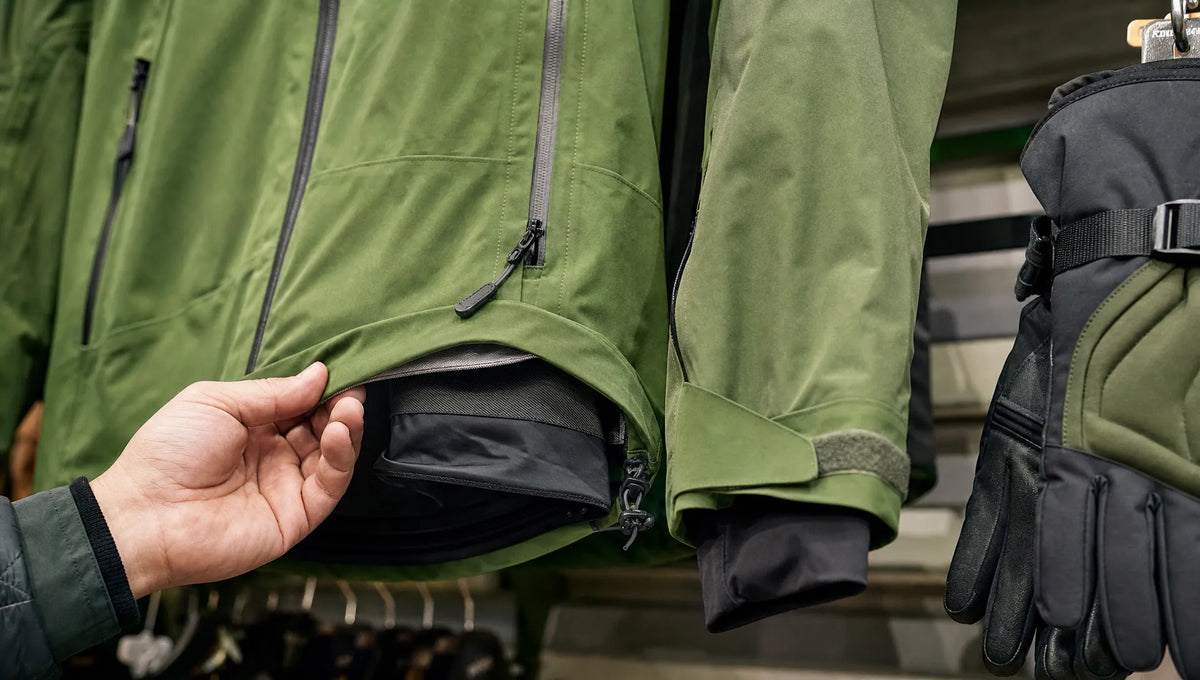
Jacket, pants, thermal layers and midlayers are categories where real bargains can be found. Layering matters here: a piece must integrate with what you already own, allow freedom of movement and protect in the right conditions.
If you're mainly looking for discounted mountain wear, the guide toski clothing outlet delves into how to evaluate fit, compatibility and real use without stopping at the price tag.
Helmet, goggles and accessories
Helmets and goggles are often good bargains on sale, provided fit, visibility and compatibility are correct. For gloves, socks and accessories, value increases when the product solves a specific problem: cold hands, damp feet, poor breathability or discomfort under the helmet.
Accessories are also a good way to complete a set without changing everything. In that case the ski sales work well when they improve comfort and continuity throughout the day, not when they add unused items.
Size, fit and compatibility: the part that decides value
A wrong size makes any discount irrelevant. For clothing, check room for layers, lengths, freedom across the shoulders and comfort in an active position. Don’t evaluate a garment only standing in front of the mirror: simulate real movements, bends and rotations.
With boots, the size is not “as comfortable as possible”. You need precision without excessive pressure points. A boot that is too wide may feel comfortable in the shop, but it reduces control and stability on the snow.
For skis, the choice depends on height, weight, level, terrain and style. A more forgiving ski helps those who are progressing. A more structured one requires technique, but can offer more support to those who push themselves. There is no single best length.
Mini checklist before buying
- I have defined where I will use the product: piste, freeride, ski touring, travel or city.
- The size is correct with the layers or accessories I will actually use.
- The product is compatible with what I already own.
- The saving does not rely on a size kept because it’s hard to use.
- I know any extra costs, such as adjustments or maintenance.
- If in doubt, I can ask for advice or use returns within the allowed timeframe.
Decision tree: buy, wait or rent
A clear decision avoids duplicate purchases. The ski sales should be read as a shortcut only when they lead to the right product, not when they anticipate a poorly defined need.
| If you recognise yourself in this situation | Recommended choice | Reason |
|---|---|---|
| You have already tried a category and know what you are looking for | Buy on promotion | Lower the price without increasing risk |
| You don’t yet know your level and preferences | Rent first | Understand what you really need |
| The product is perfect but the discount is modest | Consider buying | Consistency is worth more than the percentage |
| The discount is high but the size is uncertain | Skip it | The wrong fit cancels the benefit |
| You’re leaving soon | Buy only what you can check right away | Avoid surprises before the trip |
| You have old but still valid equipment | Have it checked before replacing | Proper maintenance might suffice |
Before changing skis or snowboard, it can make sense to go to the ski and snowboard workshop to see if the existing equipment can be restored with maintenance, edges or wax.
Our recommended options
You don’t need to chase the most discounted product here. You need to choose the category with the biggest impact on how you experience the mountains. They ski sales become truly useful when they improve a concrete part of the experience: control, warmth, protection, comfort or versatility.
| Recommended option | Ideal if | Key features to look for | To pair with |
|---|---|---|---|
| Last season's piste skis | You ski regularly at resorts and know your level | Correct size, consistent behavior, compatible bindings | Well-fitted boots and suitable poles |
| Boots chosen with expert advice | Want to improve control and comfort | Precise fit, volume suited to your foot, consistent support | Technical socks and correct binding setup |
| Technical jacket or pants | Looking for an item for multiple seasons | Protection, freedom of movement, thoughtful construction | Base layer and midlayer matched to temperatures |
| Helmet and goggles | Want to upgrade safety and visibility | Stable fit, mutual compatibility, prolonged comfort | Lightweight helmet liner and technical gloves |
| Technical underwear and midlayer | Want to improve heat management | Breathability, next-to-skin comfort, simple layering | Shell or insulated jacket depending on the weather |
| Rent for a weekend or to try | You ski little or want to test a category | Equipment matched to your level and the day | Well-chosen personal clothing |
For a technical wardrobe with a more minimal cut and also urban use, you can look to premium collections like Kjus, always considering fit and frequency of use before price.
Frequently asked questions
When is it worth buying during ski sales? It's worth it when the product suits your level, your size and your use case. If you must compromise on fit or compatibility, the reduced price loses value.
Is it better to buy discounted skis or rent them? If you ski often and know what kind of skis you prefer, buying can make sense. If you ski a few days a year or are still learning, renting reduces risk and lets you try different solutions.
Are heavily discounted ski boots a good deal? Only if they really fit well. The boot affects control, comfort and posture. An inexpensive but wrong model can ruin the day more than any other component.
How do I know if a ski garment on sale will last? Assess construction, freedom of movement, compatibility with layers and the possibility of using it in multiple contexts. A versatile, well-chosen garment is often more economical than one that's deeply discounted but of limited use.
Do I have to buy everything at once? No. It’s better to build the set by priority. Start with what most affects your experience: boots and fit if you ski often, clothing if you need protection, helmet and goggles if you must upgrade safety and visibility.
Choose wisely
A good purchase doesn’t come from haste. It comes from a clear question: does this product really solve my need on the snow? If the answer is yes, they ski sales can be a smart way to buy better. If you have doubts, start from the collections most suited to your skiing style, compare sizes and categories or drop into the shop in Biella for advice before completing your purchase.
Ski Sises on Google
Choose Ski Sises as a preferred source: you'll see our guides and news more often in Top stories on Google.


