














Cross-country skiing: gear guide to start
Cross-country skiing is one of the cleanest disciplines to enter the winter: technique, resistance, landscape. But the wrong equipment makes everything more tiring than necessary. Skiing too rigid, non-compatible boots, wrong size sticks or too hot alpine ski jacket can ruin the first exit. This guide is designed for those who want to start on beaten slopes, for families, runners, hikers and curious alpine skiers to try a different way of living the snow.
In short
- To begin with, the simplest choice is cross-country skiing in classic technique on a beaten track, with skin or no-wax skis and comfortable boots.
- skating is more athletic and fast, but requires different equipment, better balance and suitable pistes.
- Do not choose skis only according to height: in the bottom count a lot of weight, level and rigidity of the ski.
- Clothing must be lighter and more breathable than alpine skiing, because the body produces a lot of heat.
- If you do not yet know how much you will practice, consider a test or rental first, asking for specific availability for cross-country skiing.
First choice: classic or skating?
Before talking about skis, boots and sticks, you have to choose the technique. In the bottom there is no truly effective universal set for everything. Classical technique and skating have different movements, pistes and equipment.
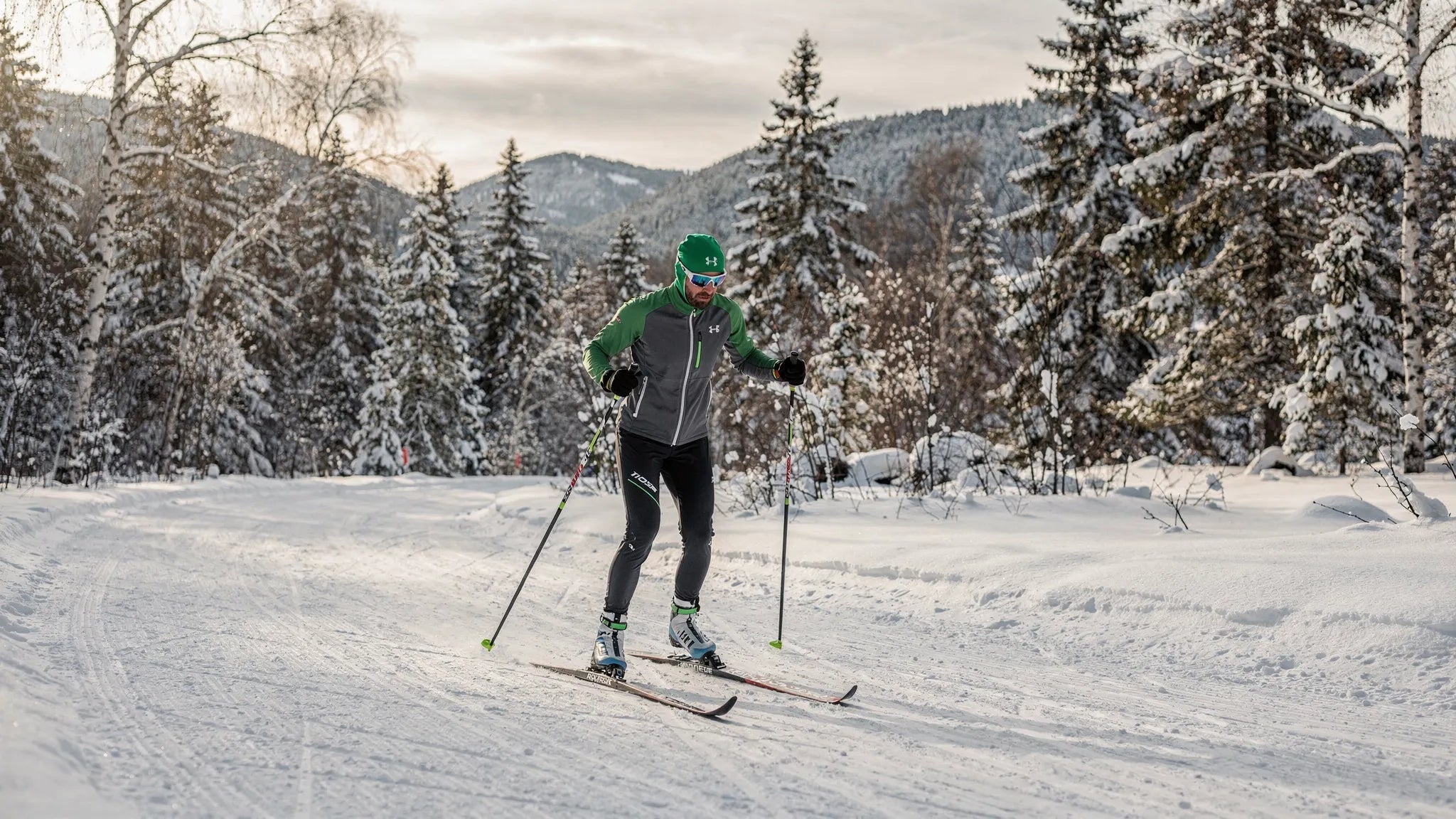
Theclassical techniqueis the most intuitive one: the gesture recalls a slipped walk, with the skis advancing parallels inside the track. It is the most suitable choice for the first exits, for quiet rhythms and for those who want to learn with progression.
I do.skatingis more dynamic: the movement resembles skating, requires side push, good track conditions and more aerobic work. It is ideal for those arriving from running, cycling or endurance sports and wants intense training.
| Discipline | Ideal for | Equipment | Initial difficulty |
|---|---|---|---|
| Classic | First exits, families, regular rhythm | Skiing with sealing area, flexible boots, shorter sticks | Low-average |
| Skating | Training, sports users, wide-bar tracks | Rigid skis, boots with more support, longer sticks | Medium-high |
| Nordic light touring | Easy paths off the beaten track | More stable skis and specific setup | Media, to be evaluated with guide or expert shop |
Quick choice: if you want to learn without complicating yourself, start from the classic. If you are looking for technical training and you already have good coordination, consider skating. If you want to get out of the prepared slopes, do not improvise: you need a more stable setup and a correct reading of the terrain.
Essential equipment for starting with cross-country skiing
A complete cross-country skiing kit includes four main elements: skis, attacks, boots and sticks. These include clothing, accessories and minimal care of the equipment.
Cross-country skiing: stiffness counts more than length
In alpine skiing many begin looking at the length. In the background, however, the decisive variable is often therigidity of the ski, because it determines how the holding area works on the snow.
For classical technique, skiing must flow but also “hold” when you push. If it's too soft, brake. If it's too rigid, you can't press pressure and lose grip. For this body weight, level and type of track are fundamental.
To start, the most practical options are:
- Ski skin: they have synthetic leather inserts in the sealing area, require little maintenance and work well in many conditions.
- Skiing no-wax with scales: simple and robust, indicated for a tourist and relaxed approach.
- Skiing skis: more technical, valid for those who want performance and can manage the sealing slip.
For skating, the ski has no sealing area. It must be more responsive, stable in lateral push and carefully chosen based on weight and level. For an absolute beginner, it is better to try it before investing in a complete set.
Boots and attacks: compatibility first of all
The bottom ski boot is not interchangeable with the Alpine ski boot. It is lighter, it allows bending of the ampiede and attaches to a specific attack via a front bar.
Compatibility is the point to check with more attention. The most popular systems in the modern background include standards such as NNN, Prolink and Turnamic, often compatible with each other depending on the models. Some older systems, such as SNS, require specific controls. If you buy boots and skis separately, always check the attack system before you finish.
For the fit:
- The boot must be precise, but do not compress your fingers.
- The heel must remain stable during the push.
- Use a thin or medium technical stocking, not a very thick alpine ski shoe.
- Try the boot standing, simulating a forward bending of the foot.
Classic boots and skating are different. The classic ones are more flexible on the forefoot. Those from skating have a more marked ankle support. The combi models can be an intermediate solution, but do not offer the same precision as a specific model.
Sticks: correct size, easier gesture
Sticks help rhythm, balance and propulsion. An incorrect measure obliges to compensate with shoulders and back.
For the classic technique, the stick comes with axle and shoulder. For skating, go up to chin or nose, because the thrust is wider and more powerful. Formulas can help, but the evidence remains important, especially for those who are at first arms.
Also check the lace and handle. A stable lace allows you to transfer strength without tightening your hand too much. Wheels must be adequate to beaten snow, not excessively large for compact slopes.

Cross-country skiing clothing: less padding, more breathing
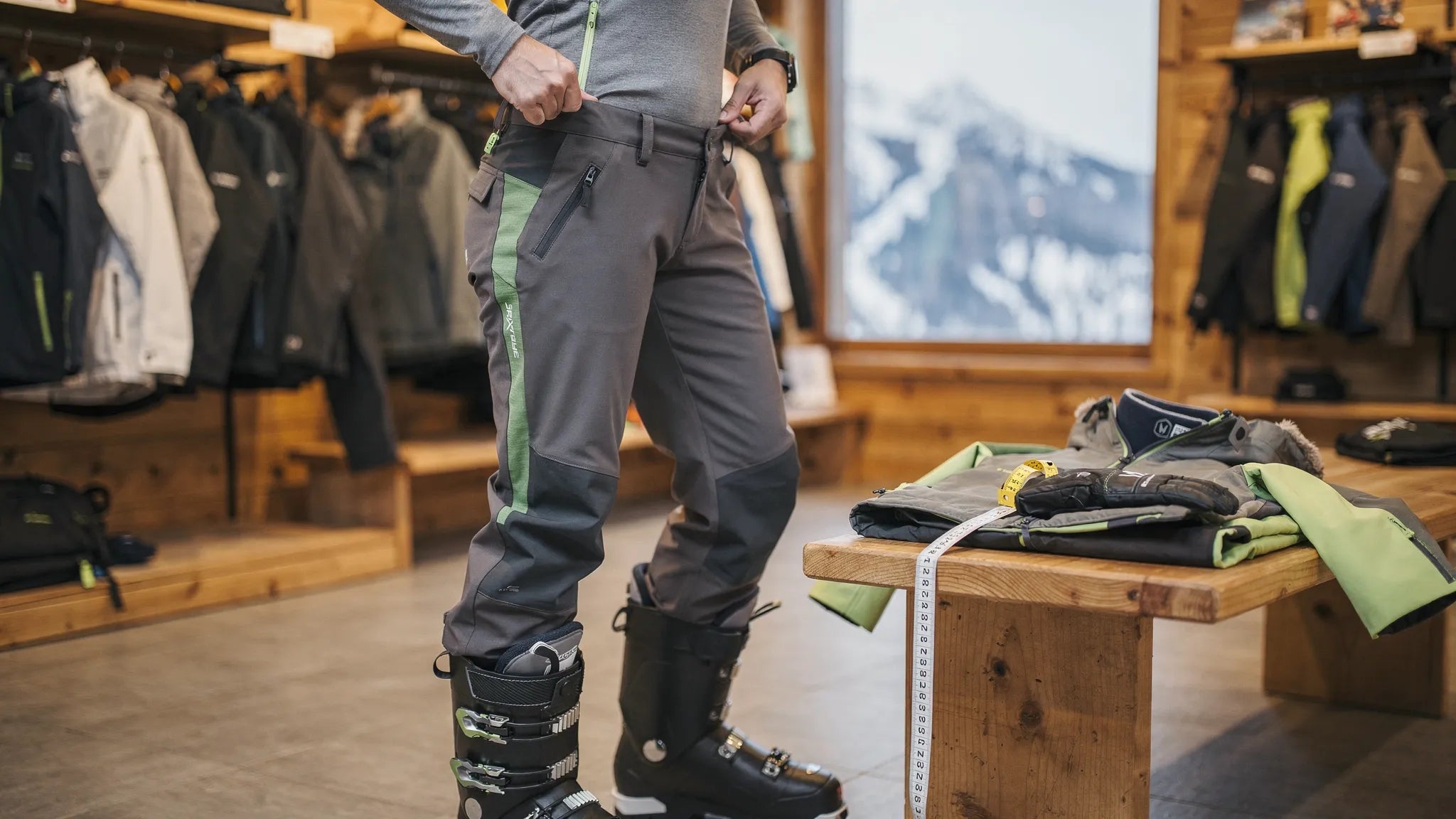
The first mistake of those coming from the alpine skiing is to dress too much. In the bottom the body works constantly. A very padded jacket may seem reassuring at the start, but after a few minutes it is likely to retain sweat and moisture.
The best logic is that of light layers:
- Base layer: technical synthetic or merino wool, adhering but not compressed, to move moisture from the skin.
- Mid layer: light fleece or thin thermal layer, to be chosen according to temperature.
- External layer: windproof jacket or breathable softshell, with front protection and good heat loss.
- Trousers: elastic, light, wind resistant and with freedom of movement.
- Accessories: light or medium gloves, thin band or cap, glasses, neck warmer and technical socks.
To build a consistent technical kit you can start from a movement-oriented selection and breathability, such as theDynafit collection. Although many leaders are born for fast alpine and outdoor activities, the logic is the same: targeted protection, controlled weight, sweat management.


For after activity, especially if you travel or walk from the track to the city, it makes sense to predict a clean and comfortable change. Essential and versatile leaders such as those ofLanapo collectionwork well in a sober winter wardrobe, while a comfortable fit for travel can be chosen inFlower Mountain selection.


Buy or rent: how to decide without waste
If you've never practiced cross-country skiing, buying everything immediately can be premature. The first question is simple: do you want to test, a white week or a whole season?
The rental is sensible if you are making the first exits, if you still do not know if you prefer classic or skating, if you have children growing or if you ski only a few days a year. The purchase becomes more interesting when you already know the discipline, you have found a precise fit and you want continuity in the technical gesture.
If you are in Biella area, you can inform yourself about the ski and snowboard rental and ask in advance availability and solutions suitable for the bottom. Not all rentals always have every discipline or measure, so it is best to check before organizing the exit.
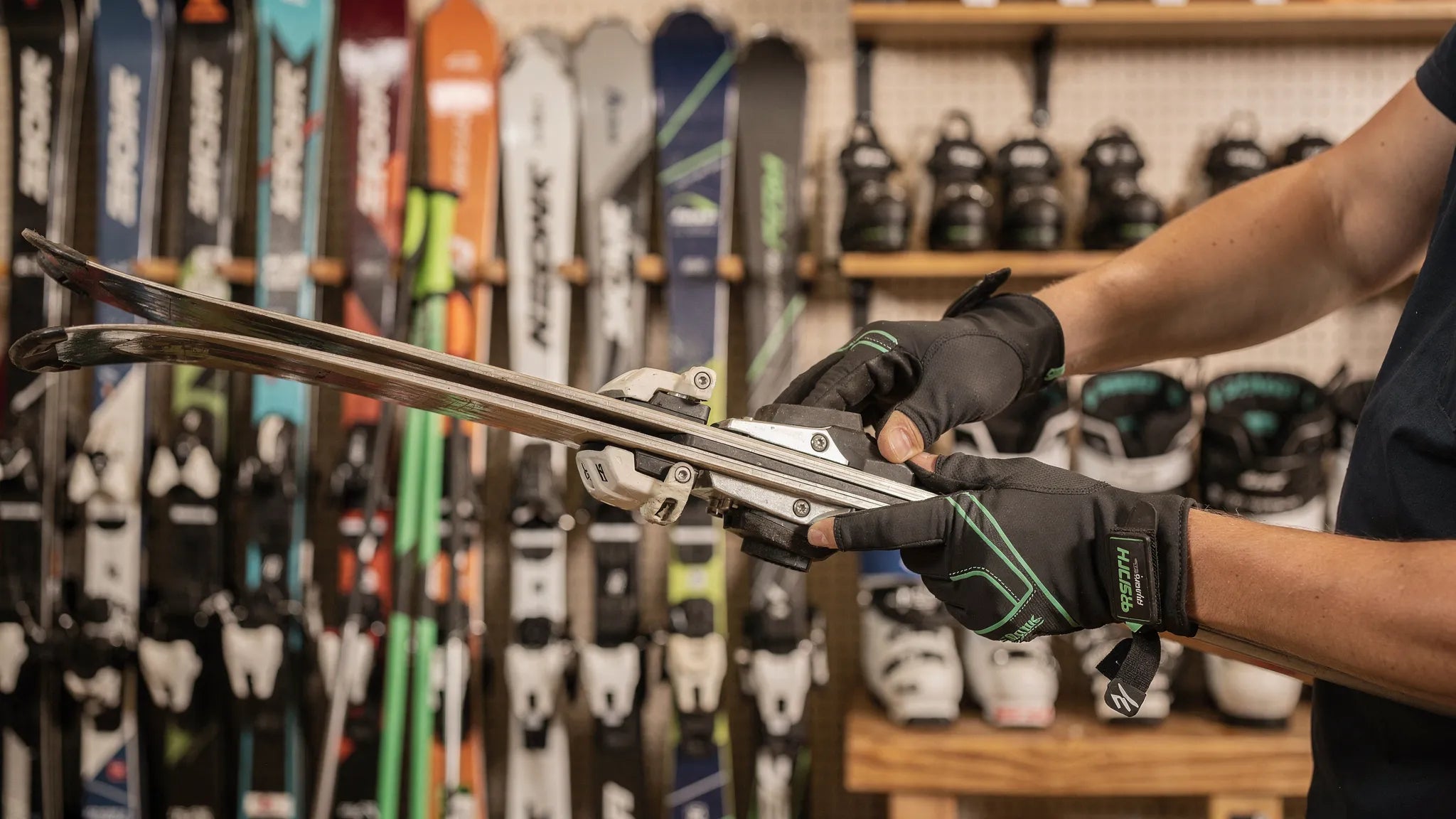
Maintenance is equally important. Even a simple cross-country ski should be dried, cleaned and preserved correctly. For controls, preparation or interventions on winter equipment, the sport service is the practical reference if you want to avoid neglected set-ups or materials not in order.
Checklist before first exit:
- You chose classic or skating, not a generic setup.
- Skiing and boots have compatible attacks.
- Ski stiffness is consistent with your weight and your level.
- The sticks are the correct size for the chosen technique.
- The clothing is breathable and modular, not from heavy alpine skiing.
- You have gloves, glasses, neck warmer and a suitable technical fit.
- You checked the weather, opened the slopes and snow conditions.
Our recommended options
These are not product cards, but starting configurations. They need to understand which direction to take and what to match, without buying disconnected pieces between them.
| Option | Ideal for | Key Features | To match with |
|---|---|---|---|
| Classic skin or no-wax kit | Beginners, families, first seasons | Easy to manage, good stability, low maintenance | Comfortable classic boot, classic stick, light glove |
| Classic slippery kit | Who wants to progress and accepts more technical care | Higher precision in specific conditions, more required in preparation | Appropriate skilines, technical advice, very breathable layers |
| Kit skating entry | Runner, cyclists, sports users | Side push, high rhythm, higher technical demand | skating boots with support, longer sticks, light technical clothing |
| Combine boots | Who alternates classic and skating occasionally | Intermediate, practical but less specialized solution | Compatible fitting, slim fit, accurate fit test |
| Three-layer technical layering | All, especially those who sweat very much | Better temperature and humidity than heavy garments | Base layer, light mid, softshell or windproof from Dynafit selection |
| Capsules travel and after track | Weekend, travel, city-neve use | Clean change, comfort post activity, more versatile wardrobe | Lanapo essential knitwear, Flower Mountain travel shoe, dry bag for change |
If you have only one budget to allocate well, prefer boots and clothing. A boot that fits badly compromises technique and comfort. A little breathable clothing makes it difficult to manage temperature and sweat, even with correct skis.
Fit and sizes: controls that reduce errors
In the background, comfort arises from small details. The boot must leave the foot stable but responsive. If the heel gets too high, you lose control. If the fingers are compressed, after half an hour the sensitivity drops.
When you try the boots, wear the sock you'll really use. Walk, push the forefoot, simulate some push. The right feeling is precise, not mandatory. If you are between two sizes, do not automatically choose the larger one: currency foot volume, heel stability and space in front of your fingers.
For clothing, do three quick tests:
- Lift your arms like you're pushing with sticks.
- Fold your knees and simulate a wide waterfall.
- Wear all layers together and check that they don't pull on shoulders, back and thighs.
Too tight fit limits the gesture. Too wide fit disperses heat and creates friction. The goal is a clean line, with real freedom of movement.
Common errors to avoid
The first mistake is to use alpine ski clothing. On the descent track you often stay still in the chairlift. In the background, however, you are almost always moving. The problem is not only the cold, but the moisture that remains on when you slow down.
The second mistake is to buy skis “to the eye”. Two people of the same height may need different skis if weight, level and technique change. In the bottom, the ski flex directly affects the quality of the push.
The third mistake is to underestimate the sticks. A beginner tends to think that they are secondary accessories, but a correct measure helps to find rhythm and posture.
The fourth mistake is to confuse versatility and compromise. A combi setup can make sense for occasional use, but if you already know that you will only make classic or just skating, a specific equipment will make you learn better.
FAQ
Better start with classic cross-country skiing or skating?For most beginners it is better to start with the classic technique. It is more intuitive, less physical and allows to learn balance and slip with more graduality.
Can I use alpine ski boots for cross-country skiing?No. Alpine ski boots are not compatible with cross-country attacks and do not allow the bending of the aircraft necessary for the technical gesture.
Should cross-country skiing be chosen according to height?The height helps, but not enough. In the bottom count mainly weight, level, technique chosen and rigidity of the ski. For this it is useful to be advised before purchase.
How long should the base sticks be?Classics usually come between axle and shoulder. For skating are longer, pointing to chin or nose. The measure should however be adapted to technique, level and comfort.
Need a heavy waterproof jacket?Usually not, on the beaten track and with stable weather is more useful an anti-wind jacket or breathable softshell. If it snows or weather is variable, you can add a light protective layer.
Does it make sense to buy all the kit now?Only if you already know that you will practice seamlessly. If you are at first experience, try the discipline first, check whether you prefer classic or skating and then invest in pieces that really improve comfort and technique.
Cross-country skiing rewards consistent equipment, not the most complicated one. Start with the right technique, choose comfortable and compatible boots, build a lightweight layering and always check snow measurements and conditions. If you want to compose a kit without waste, explore the technical collections on Fabbrica Ski Sises or contact the Biella store for a practical advice on equipment, rental and preparation.
Ski Sises on Google
Choose Ski Sises as a preferred source: you'll see our guides and news more often in Top stories on Google.