

















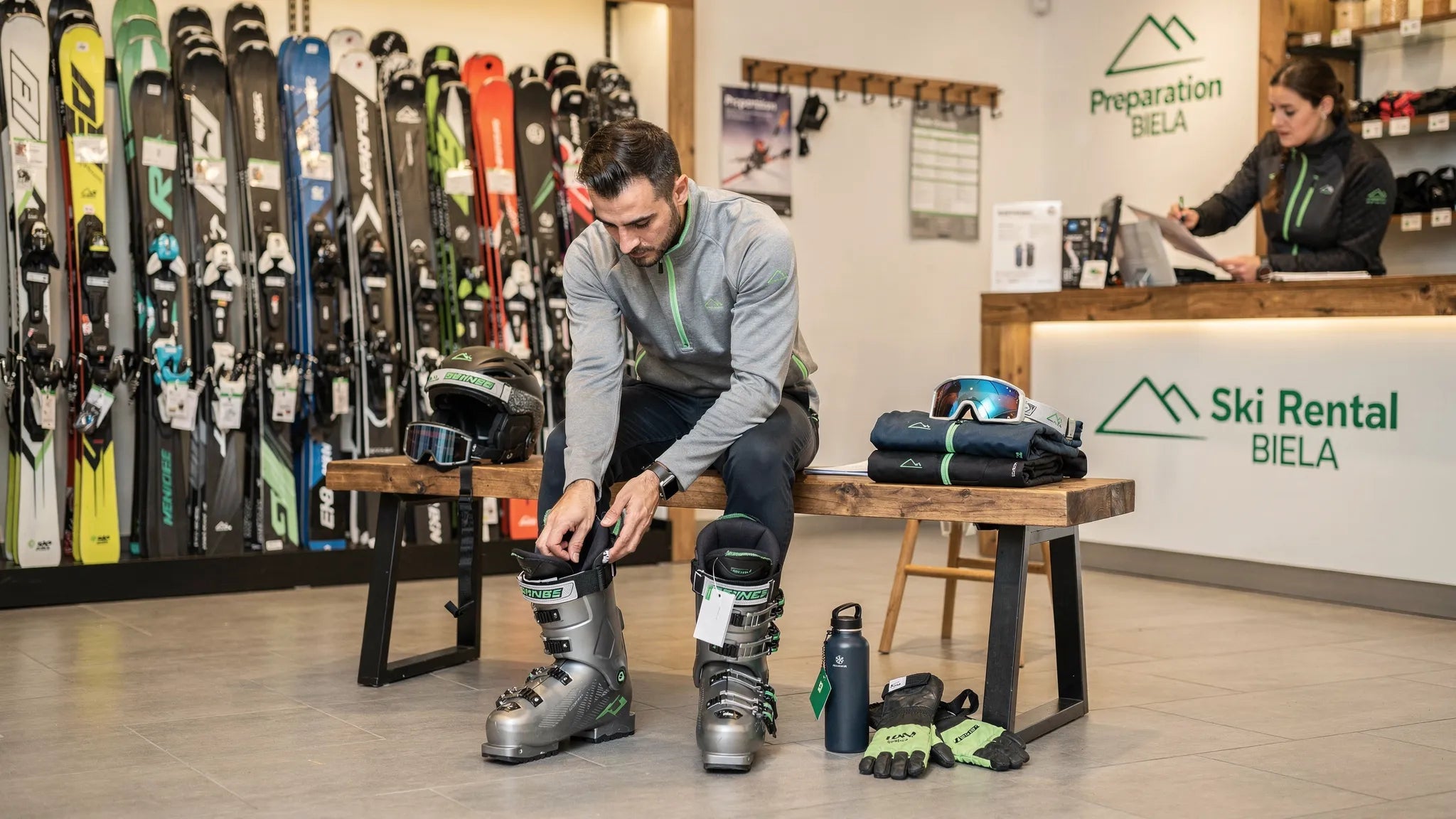
Ski rental Biella: what to bring and what to ask
Arrive in Biella, take the rental equipment and in half an hour you are driving towards the snow. The plan is simple, until it is: boots that tightens, set not suitable for the snow of the day, accessories forgotten, questions asked too late. A good experience ofski rental Biellayou play on two things: what you carry with you and what you ask at the counter. This guide is designed for those who ski in the day, weekend or with the family and want to avoid unnecessary friction, without wasting time.
Summary (to be saved on the phone)
- Bring the right socks and a second dry layer: the boot fit is decided there.
- Get with the ready data: height, weight, age, level, number of boots (or size World).
- Ask 5 key things: ski category, length, adjusting attacks, lamine/sun condition, change policy.
- Check in 60 seconds to pick up: boots, attacks, lamine, strap sticks.
- If you ski in spring: ask for more stable set and care of the insole, the snow changes quickly.
What to bring for ski rental (really useful, not “more”)
The point is not to fill the backpack, it isreduce variables: comfort, safety, heat management and ability to adapt to the weather.
The essential checklist
| What to bring | Why does it count on rental | Typical error avoids |
|---|---|---|
| Skiing techniques (1 pair) | Determine volume and friction in the boot | Calza too thick, pain and foot that “galleggia” |
| Second pair of stockings (supply) | If you sweat or take water, leave dry | Cold feet in the afternoon |
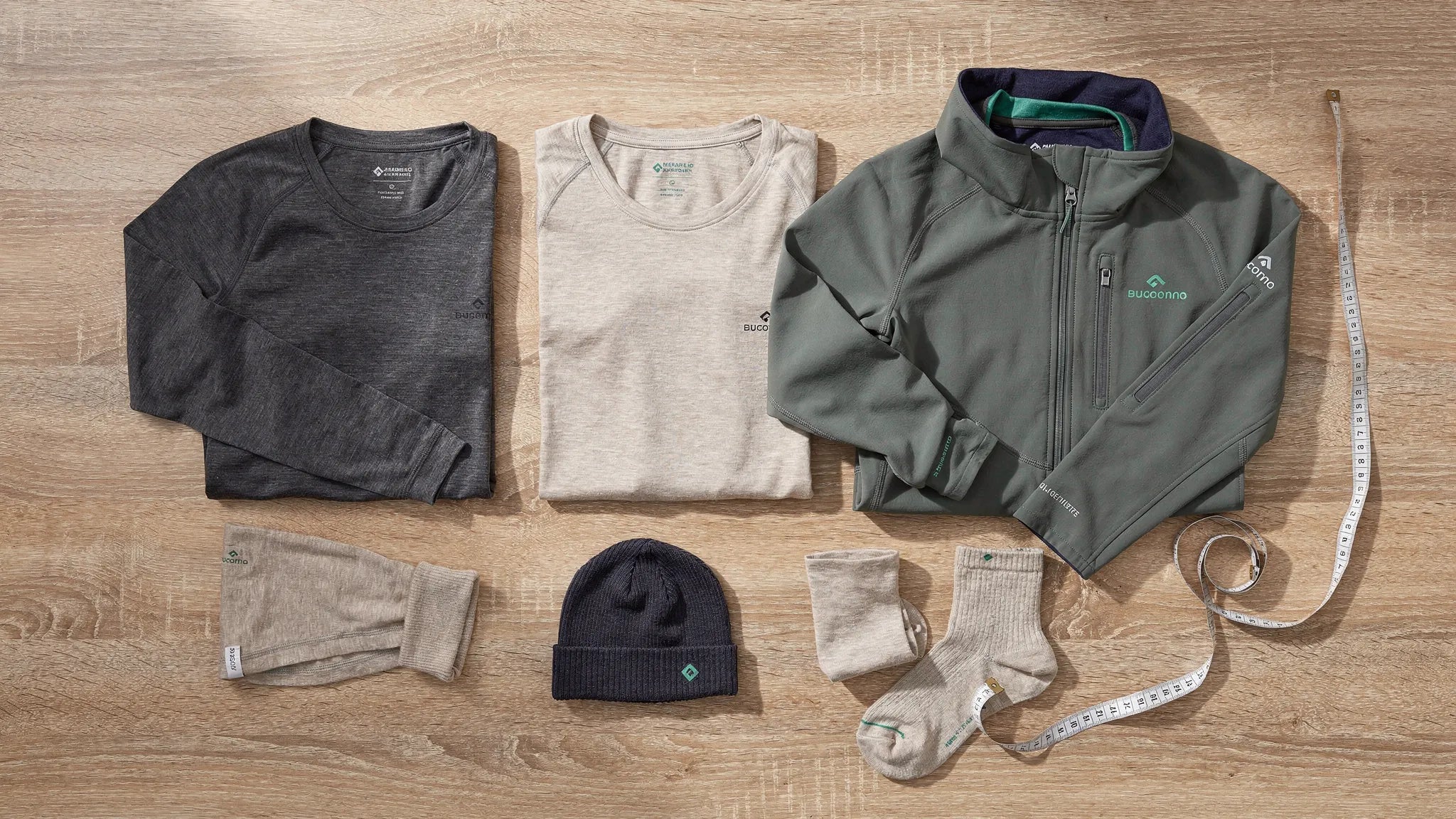
| Appropriate base layer and mid layer | Manage sweat and cold without opening everything | Overheating and cooling in the chairlift |
| Reliable ski gloves | Hot hands = control and serenity | Glove “from the city” that is soaked |
| Helmet and mask (if you have them) | Personal fit, hygiene, visual comfort | Helmet dancing or masking |
| Document and payment method | Practical for deposit, practices, any upgrades | Needless delays and expectations |
If you miss something, better solve with a few right pieces. For an essential technical set (strates and accessories) you can start from a targeted selection asDynafit, designed for performance and moisture management.


The “small extra” that saves the day
It is not mandatory, but often it is what turns a “ok” rental into a linear day.
- A couple of specific patches for rubbing (tallone and tibia are the classic points).
- A mini bottle or thermos: constant hydration, less perceived cold.
- A lightweight undercoat: useful when you remove gloves for smartphones or adjustments.

The right questions to ask at the counter (and what to hear in the answer)
Many ask “what ski do you give me?”“Why this ski today? ”. This is where the quality of service emerges.
1) “What ski category do you recommend me for today’s snow? ”
You don't need to get into technical details, you just need to bring out logic:
- Pista beat and quiet rhythm: easier, less tiring.
- Variable or transformed snow (typical end of season): more stable, more predictable.
- You want to push a bit: more responsive, but it requires presence.
If you want to get prepared on the theme, you can read alsoSki rental Biella: quick guide to book without errors(here we focus on the “day of withdrawal”).
2) “What length are you giving me and why? ”
Length is not an absolute number, depends on level, objective and conditions. The ideal answer connects your skiing (tranquilla, improvement, sports) to your choice.
Positive signal: they ask you how skis, how often, on what kind of slopes.
3) “The attacks are regulated on my size and profile? ”
The attacks must be adjusted with correct data (weight, height, age, level, size). Do not improvise and do not “arrotondare” at the bottom or at the rise.
What do you want to hear?verify data and make a consistent adjustmentwithout shortcuts.
4) “How is the state of lamine and insole? Has a recent check been made? ”
You're not asking for a race, you're asking for consistency:
- Lamine in order help the seal, especially in the morning when it is hard.
- Healthy insole flows and manages better the “heavy” snow.
A clear (even synthetic) answer is a good signal.
5) “If I am not well, can I change sets? ”
This is the most underrated question. You want to know:
- If you can change skis (and in what time).
- If you can change boots (often it is what really solves).
- If there is a simple procedure in case of discomfort or unsuitable set.
Quick controls at pickup: 60 seconds, zero surprises
You don't need to be experienced. It needs a micro-ritual.
Ski and attacks
Look and do two simple things:
- Attack: ask for confirmation that it is adjusted for your boot and that it is properly closed.
- Lamine: passes a finger with caution along the edge (without “scratching”): it must be uniform, not serrated.
- Solo: it must be clean and without obvious deep signs.
Boots
First rule: test bootswith the sock with which you will ski.
Quick check:
- Tallone: must remain firm when you push forward.
- fingers: they have to “sleep” in front of from firm, without painful compression.
- Tibia: the tab must distribute pressure, not create a single point.
If you feel pain immediately (not simple pressure), say it immediately. Changing boots at the counter is simple, doing it after two hours of runs is a waste of time.
Mini decision tree: how to choose the right set based on your day
If you want a practical rule, use this sequence. It's short, but it works.
If you ski 1 or 2 times a year: favors ease and comfort, ask for a set “to improve without effort”.
If you ski often and want precision on track: ask for a more responsive set and a more accurate boot adjustment (fit first of all).
If snow is transformed or variable (typical March, April): ask for stability and a good condition insole (scorruption and control).
If you're family: reduce complexity, set consistent for all and more anticipated withdrawal times.
Fit and sizes: the rental is “technical”, but the body decides
A short note, because it is often here that you waste energy.
Footwear and boots
- If you are between two sizes, do not solve with a thicker sock: change the geometry of the foot and increase rubbing.
- If you use personal plantar, portals: they improve support and reduce fatigue.
Helmet and mask
The helmet must remain stable moving the head, without pressure points. The mask must rest without leaving obvious cracks. If you rent these too, take a minute longer.
Our recommended options: what to buy (or upgrade) to make the rental more convenient
It's not an endless list. They are pieces with the best relationship between impact and simplicity, especially if you rent skis and boots.
1) Skiing techniques
Best for: who suffers from cold feet or rubbing.
Key features: controlled thickness, good moisture management, construction that does not create folds.
What to pair it with: Technical base layer and ski boots tested calmly at the counter.
2) Technical base layer (top and bottom)
Best for: long days, spring snow, hot and cold alternating.
Key features: dries quickly, stays comfortable even if you sweat, reduces the feeling of “wet on”.
What to pair it with: an essential mid layer. If you look for versatile and clean items (also off-piste), look at the collectionLanapo.


3) Sober and modular mid layer
Best for: who wants to manage temperature without changing jacket.
Key features: good heat with little volume, useful zip to ventilate, freedom of movement.
What to pair it with: shell or ski jacket that you already own, plus a neck accessory.
4) Reliable ski gloves
Best for: beginners (stop hands, more contacts with snow) and those who suffer cold.
Key features: consistent insulation, real waterproofing, cuff that seals well.
What to pair it with: light undercoat and an external garment with well closed cuffs.
5) After-ski: comfortable shoe for walking and driving
Best for: who does day and wants comfort outside the boots, without looking “from the locker room”.
Key features: balanced cushioning, sole with grip, solid construction.
What to pair it with: a travel pants and an urban-technical outer garment. If you want a lifestyle-outdoor option, seeFlower Mountain.


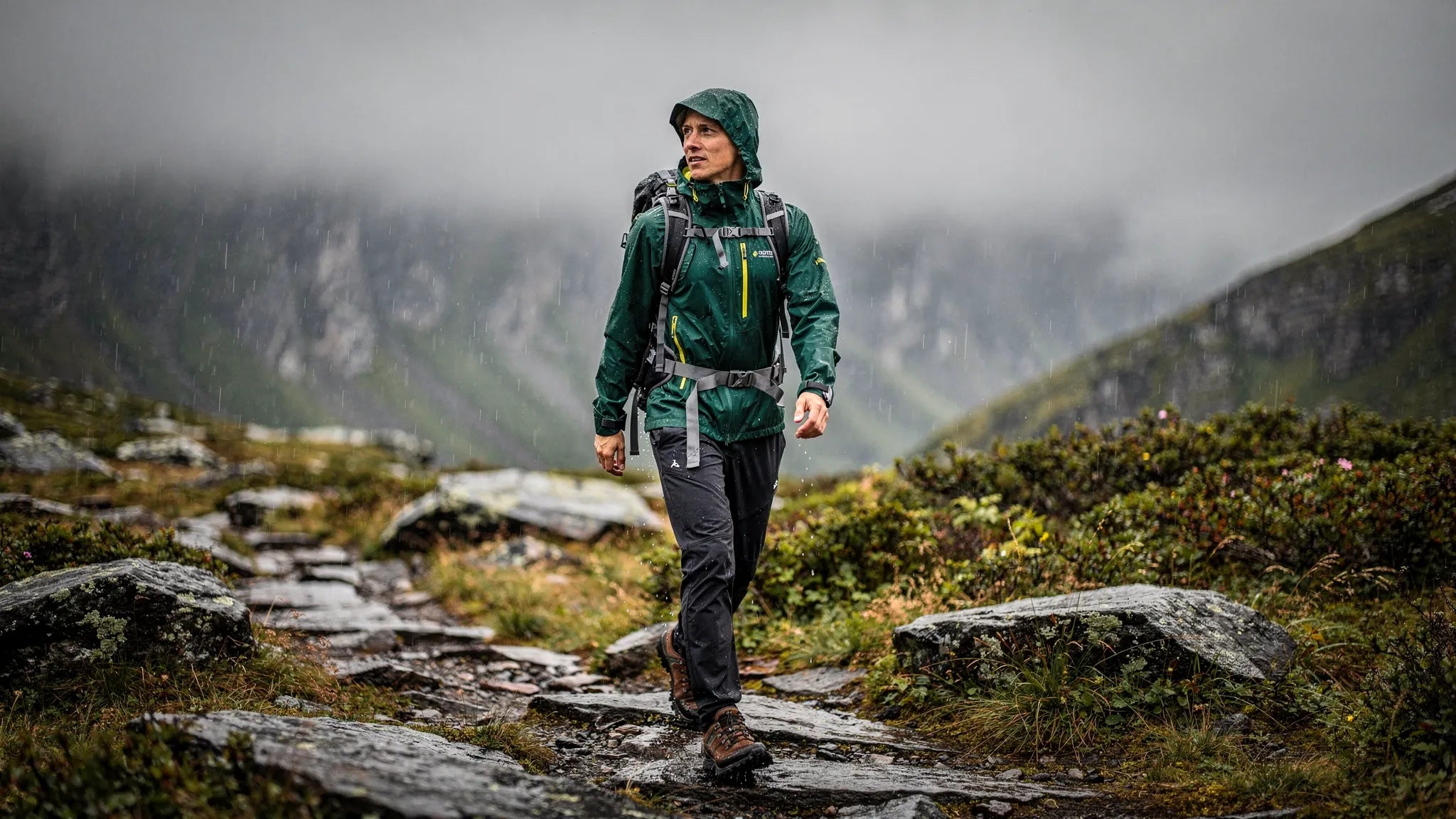
6) An external leader “bridge” for travel and city
Best for: people who often move between cars, bars, towns and plants.
Key features: practical protection, clean look, durability.
What to pair it with: simple layering and comfortable shoe. If you are interested in a more editorial cut and fabrics with personality, you can start fromBiella Fabrics.


FAQ
How long before do I have to spend for ski rental in Biella?Depends on the period, but the practical rule is: first arrivals, more choice you have and less stress. On weekends and periods of high affluence, anticipating the withdrawal makes the difference.
Can I bring my boots and rent only skis?In many cases yes, and it is often a good idea if you have boots that fit well. The counter always communicates the exact measurement and ask for a quick check of the attacks.
What do I have to say to the counter for adjusting attacks?Correct data port: height, weight, age, level and size of the boot. If you are not sure of the level, describe how skiing and how many days you do.
If the boot hurts, is it normal to resist?No. Diffused pressure can be normal, punctual pain no. Ask for a change or a solution: first you do it, the more the day is saved.
What is more important: skis or boots?For comfort and control, the boot is often the decisive point. A perfect ski with a wrong boot remains a compromise.
Clear action before leaving
If you want yourski rental Biellabe quick and without surprises, prepare the checklist (calze, data, questions) and, if you have doubts about accessories or layers, build a minimal but correct set.
For services in the store and to understand how to integrate rental and technical assistance, you can start fromSport service: all services in store. To choose the rental equipment even more targeted, read alsoSki rental Biella: quick guide to book without errorsand contact the team with your measurements: it will save you time, and often even energy on the track.
Ski Sises on Google
Choose Ski Sises as a preferred source: you'll see our guides and news more often in Top stories on Google.