















Ski vest woman: how to choose without errors
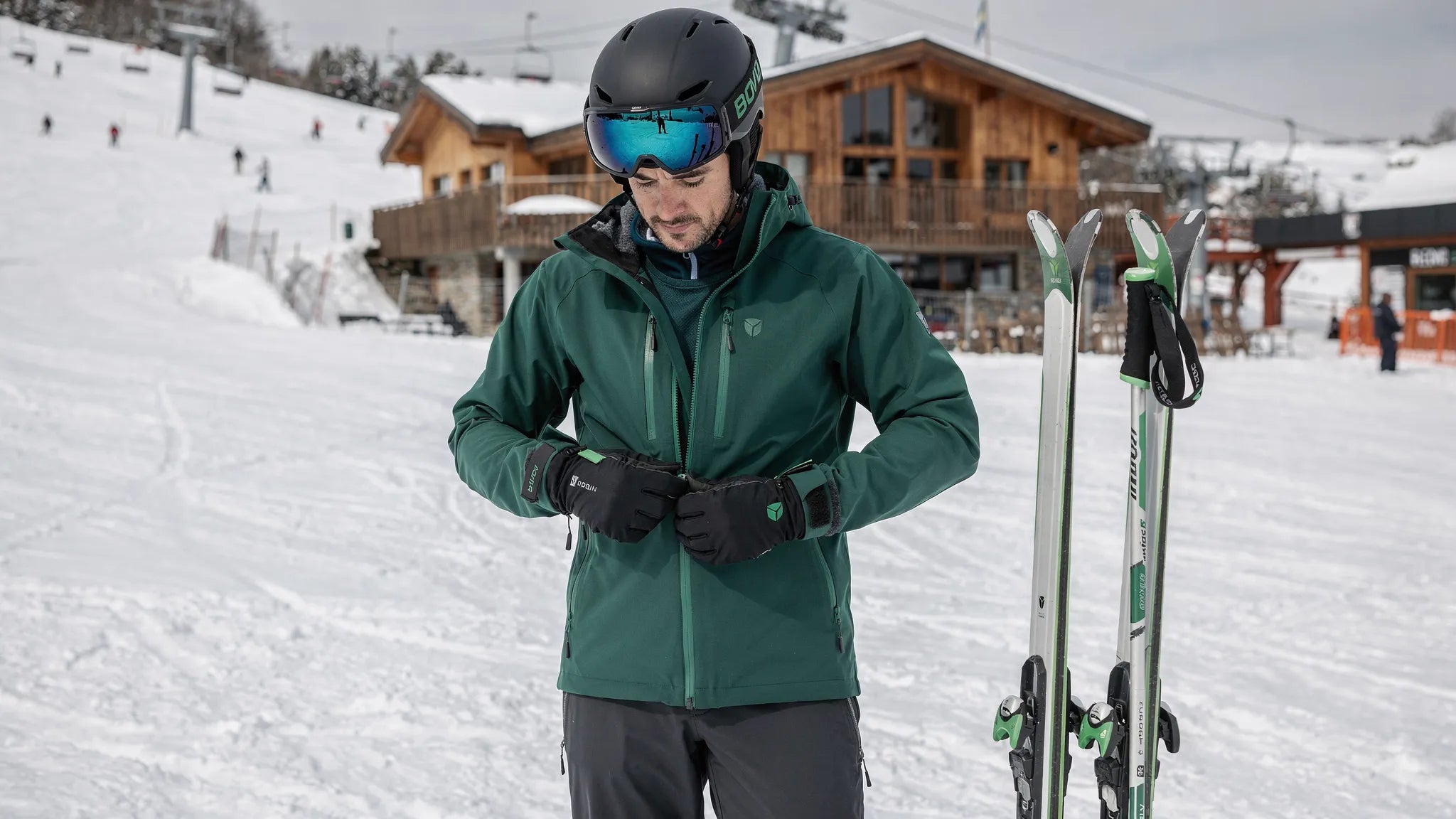
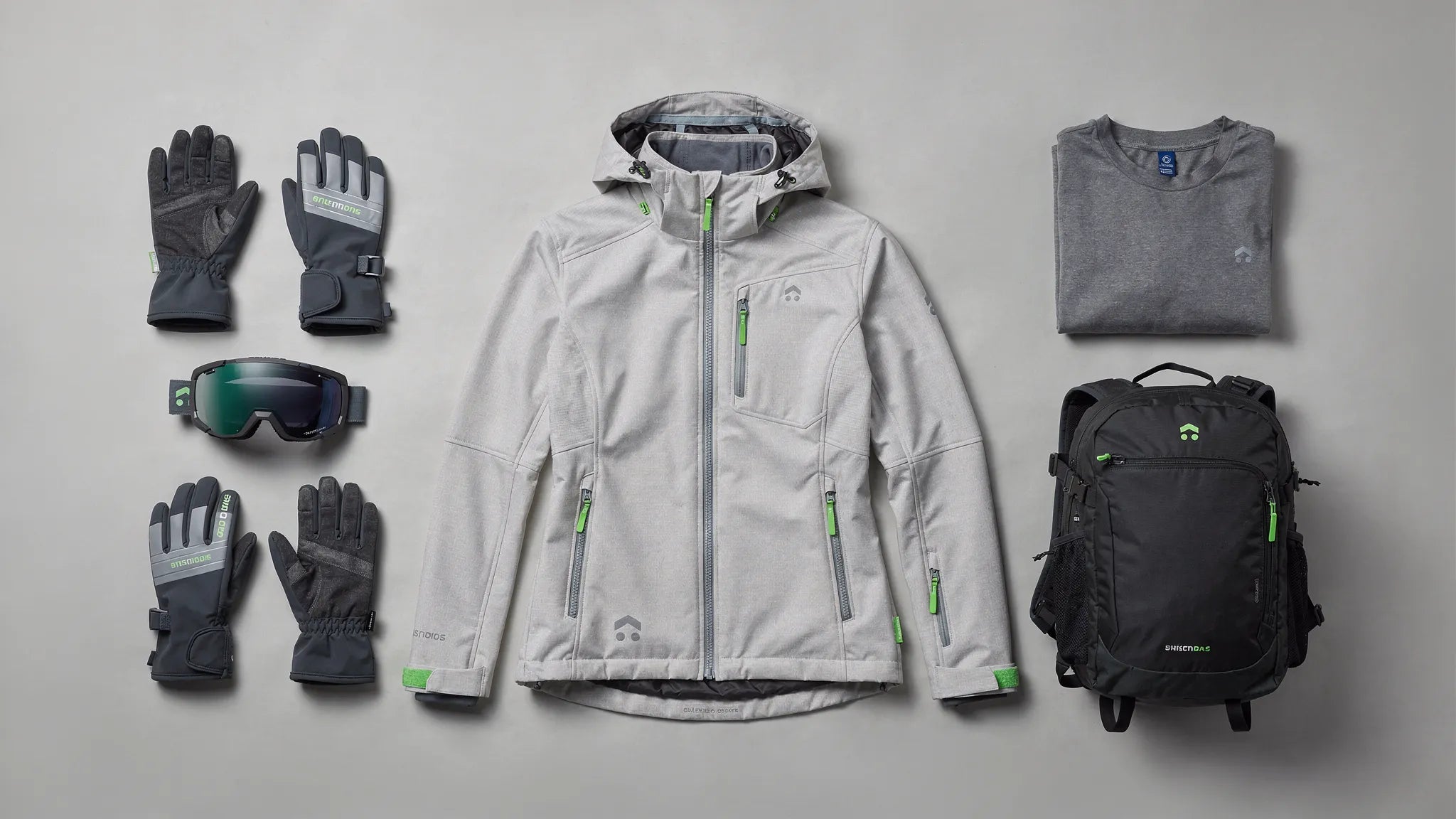
Choosing a ski jacket woman does not mean simply looking for the warmest garment. On the track alternate cold chair, intense descents, wet snow, wind and breaks at the refuge. The right head must protect, breathe and leave room for movements, without forcing on the shoulders or creating useless volume. This guide is designed for skiers in the resort, for those who leave for a white week, for those who want a technical but versatile purchase and for those who buy online with the doubt of the size.
Quick Summary
- For the track and cold days, choose an isolated jacket with good protection from wind and snow.
- For dynamic skiing, light freeride or variable temperatures, it evaluates a technical shell to be combined with modular mid layer.
- The correct fit must allow layering, rotation of the arms and bending on the knees without pulling.
- Waterproof, breathability, helmet compatible hood, pockets and snow gaiter count more than aesthetics.
- If you buy online, measure a similar item you already use and compare it to the product card before choosing the size.
First decision: what kind of ski do you really do?
The first mistake is to buy a ski jacket thinking about a generic mountain idea. A skier who spends the day on beaten slopes has different needs from those who alternate plants and short stretches off the track, or from those who want a garment usable also on the road.
The point is not to choose the “more technical” jacket in absolute. You choose the most consistent one with your rhythm, the climate you encounter most often and the rest of your technical wardrobe.
| Main Use | Priority | Recommended typology |
|---|---|---|
| Pista in resort | Heat, comfort, wind protection | Ski isolated jacket |
| White Week | Versatility, pockets, prolonged comfort | Isolated jacket or 3-in-1 |
| Sports skiing | Breathing, mobility, ventilation | Technical shell with layering |
| Light Freeride | Protection, freedom of movement, snow gaiter | Robust rubber or technical jacket |
| Travel and mixed use | Managed weight, clean style, modularity | Essential technical jacket |
If you ski a few days a year and suffer cold, an isolated model is often the easiest choice. If you ski at a sustained pace, tend to sweat or want a more versatile head on multiple seasons, the shell with separate inner layers offers more control.
For those looking for ski and outdoor technical garments with a dynamic setting, selectionDynafitis a good starting point to understand the logic of light and performing layering.


Filling or shell: the key compromise
The women's ski jacket is divided into two main families: isolated jackets and technical shells. There are also hybrid solutions, but this distinction helps to buy with more clarity.
The isolated jacket integrates a thermal layer. It is immediate, comfortable and suitable for those seeking heat without having to build a system too complex. It works well on cold days, on the seats exposed and for those who ski with moderate rhythm.
The shell, on the other hand, protects from wind and snow but is not born to warm alone. The heat comes from the layers below: technical underwear, fleece, light down jacket or synthetic mid layer. It is more modular and often more suitable for those who alternate different intensity during the day.
| Choice | Benefits | Attention to |
|---|---|---|
| Isolated jacket | Calda, simple, convenient for the track | It can be too hot if you ski strong |
| Technical guide | Versatile, breathable, modular | Requires well-chosen inner layers |
| 3-in-1 | Adaptable to variable weather | Encumbrance and freedom of movement |
| Technical Softshell | Soft and comfortable with stable climate | Less protective in wet snow or strong wind |
For female use, the critical point is the volume. Too padded head may seem reassuring in the store, but limit mobility once closed all zippers and worn the helmet. Too slim head, on the contrary, can work in the city but become uncomfortable with a mid layer below.
The practical rule: when you try the jacket, wear at least the intermediate layer that you would really use on the track. If the jacket is perfect over one t-shirt, it will probably be tight at the top.
Water resistance, breathability and details
The technical sheet of a ski jacket may seem complex, but the variables to read are few. Waterproofness and perspiration are important, but they must be interpreted together with the construction of the head.
A higher water column indicates greater resistance to water pressure. It is useful with wet snow, wet chairlift and long days. However, a good membrane is not enough if the seams, zips and input points are not well managed.
Breathing is just as important. If the steam produced by the body is trapped, internal moisture is created. And when you stop, that moisture becomes cold. For this reason the ventilations, especially side or under the arms, can be decisive for those who ski at a sustained pace.
Check these details before purchase:
- Adjustable hood and compatible with helmet.
- Cuffs that dialogue well with gloves.
- Inside snow, useful in fall or fresh snow.
- Pockets accessible with worn gloves.
- Ski pass pocket in practical position.
- Solid and easy to handle zip.
- Adjustable bottom to limit air and snow input.
You don't need to chase every detail you can. You need the details to be consistent with your use. A ski pass pocket is very useful in the resort. Ventilation is a priority for sweaters. The snow gaiter becomes more important if you ski off-piste or in abundant snow conditions.
To complete the system, consider also consistent technical accessories. A good jacket loses effectiveness when combined with unsuitable gloves: you can start from the selection of ski gloves to build a more balanced kit.
Fit and size: test in four movements
The fit of a women's ski jacket must meet two needs: protection and freedom. Too tight, restricts movement and compresses layers. Too wide, disperses heat and can interfere with sticks, backpack or chairlift.
A correct fit leaves room to the bust, allows you to raise your arms and keeps the lumbar area covered when you bend forward. The jacket should not go too far when you take a ski position.
Do these tests in the store or at home as soon as you get the boss:
- High arm: the jacket should not pull under the armpits and the bottom should not go too far.
- Rotation shoulders: simulates movement with sticks, without feeling blocks on the back.
- Folding forward: check that the back remains protective on the lumbar area.
- Complete closure: zip, hood and neck should close without compressing chin and chest.
If you're between two sizes, evaluate your way of skiing. For relaxed track use and multiple internal layers, it often becomes the size that leaves more margin. For sports skiing and light layering, a more precise fit can work better, provided you do not limit shoulders and bust.
When you buy online, measure a technical jacket that suits you. Support in the top and compare chest width, shoulders, sleeve length and total length with product indications. This method reduces errors more than usual size only.
If you are looking for women leaders to integrate with skiing, travel and everyday use, you can consult the selectionWomanand reason for layers, not for single isolated head.


Layering: what to put under the jacket
A good ski jacket only works if the layer below is correct. Cotton retains moisture and tends to cool. Better technical underwear in synthetic fibre or merino wool, then a mid layer calibrated on the climate.
For cold days and quiet skiing, an isolated jacket can suffice with technical underwear and light fleece. For variable days, the most flexible system is layer base, mid layer and shell. For intense dry cold, a light down under a shell can be effective, if it does not compress too much.
| Perceived temperature | Suggested sections | Practical note |
|---|---|---|
| Intense cold | Thermal base, warm mid, insulated jacket | Avoid too tight garments that compress the padding |
| Cold Moderate | Technical base, light fleece, ski jacket | Good balance for most days on the track |
| Variable weather | Technical base, mid modulable, shell | Ideal if alternate intensity and breaks |
| Very dynamic skiing | Breathable base, light mid, ventilated shell | sweat management is priority |
For après-ski, travel or mixed days between city and mountain, a clean and versatile mid layer can become more useful than an extremely technical garment. In this logic, collections likeLanapocan help you build an intermediate layer or a more sober post-ski look, without multiplying garments in your suitcase.


Our recommended options
1. Track isolated jacket
Ideal forwho skis in the resort, suffers cold or wants an immediate head without having to study too many layers.
Key Features: integrated padding, protective construction, comfortable pockets, adjustable hood and good comfort on the chair. It is the most reassuring choice for white week and cold days.
To match withtechnical underwear, light fleece, isolated ski pants and warm gloves. If the weather is very rigid, add a technical neck instead of increasing too much thickness under the jacket.
2. Technical shell with layering
Ideal fordynamic skiers, who tends to sweat, who wants a garment usable in several conditions and who alternates track, light freeride and outdoor.
Key Features: protection from wind and snow, effective ventilation, manageable weight and fit designed to move. It does not heat by itself, but allows to adjust the temperature by changing the inner layers.
To match withbreathable layer base, technical mid layer and consistent trousers for waterproofness and mobility. It is the most modular solution if you do not want to buy a different jacket for every scenario.
3. 3-in-1 jacket
Ideal forwho travels, skiing in variable climates or wants a flexible head even outside the track.
Key Features: structure composed of protective exterior and removable interior. It can be used complete on cold days, only shell with mild climate or only internal for travel and breaks.
To match withessential ski pants, mid-hot glove and a compact backpack to store the unused layer. Always check that when the two layers are united, the movement of the arms remains smooth.
4. Technical jacket for light freeride
Ideal forwho stays mainly in the ski resort but seeks more protection in fresh snow, track edge or windy days.
Key Features: more protective construction, snow gaiter, well adjustable hood and layering space. Freedom of movement counts how much waterproofness.
To match withtrousers with good sealing on the boot, technical gloves and eyes suitable for visibility. If you use backpack, check that shoulder straps and belt do not block pockets and ventilation.
5. Travel-friendly technical vest
Ideal forwho wants a clean ski leader, usable also on the road, in the city or on weekends in the mountains.
Key Features: essential line, balanced weather protection, non-excessive weight and technical details without excess. It is not always the most specialized choice for severe conditions, but it can have a great cost for use if you ski few times and often travel.
To match withmid layer versatile, sober technical pants and winter shoes suitable for after skiing. The goal is a consistent kit, not an isolated head that remains in the closet.
Common errors to avoid
The most frequent error is to choose only according to the feeling of immediate heat. In the shop or in the house, a very warm jacket looks perfect. On the track, during a long descent or a sunny day, it can become excessive.
The second mistake is to ignore the neck. A technically valid jacket but uncomfortable to chin, too tight when closed or incompatible with helmet and mask becomes annoying in a few minutes.
The third mistake concerns sleeves. They must cover the wrist well in a ski position, not only when you stand. Try them with the gloves you'll really use.
Finally, watch your pockets. You don't need to have many, but they have to be reached. Ski pass, phone, handkerchiefs, sunscreen and small objects must have a logical position, especially when wearing gloves and helmet.
Maintenance: make the head last more seasons
A technical ski jacket should be treated as equipment, not as a normal winter jacket. Too aggressive washes, softening and wrong drying can reduce the performance of the outer fabric and membrane.
Always follow the internal label. In general, use detergents suitable for technical garments, avoid softening, close zip and velcri before washing and let the garment dry completely before repoing. If water no longer slides on the surface, it may be necessary to reactivate or renew the water repellent treatment according to the manufacturer’s instructions.
At the end of the season, keep the jacket clean and dry, not permanently compressed. This is especially important for upholstered garments, because prolonged compression can reduce volume and thermal capacity.
If you pass from Biella and are planning a day on the snow, you can integrate the purchase with the services in store: theski rental in Biellais useful if you do not want to buy all the equipment immediately, whilesport servicehelps maintain skis, snowboards and equipment in order.
Final checklist before purchase
Before choosing your ski jacket woman, do one last practical check. If an answer is uncertain, better check the product card or ask for support before ordering.
- Have you defined if you need more heat, more breathability or more versatility?
- Does the jacket allow at least one intermediate layer below?
- Does the hood work with the helmet?
- Does the sleeves cover the wrist in a skilful position?
- Are the pockets accessible with gloves?
- The bottom remains protective when you bend?
- Are technical characteristics consistent with the climate in which you will ski?
- Is the maintenance required compatible with the use you will do?
A correct choice is not the one with more details. It is the one that solves your real scenario with the minimum friction.
FAQ
Better a padded woman's ski vest or a shell?It depends on your rhythm. If you ski on the track in moderate intensity and suffer cold, the padded is easier. If you ski strong, sweat or want to use the head in multiple conditions, the shell with layering is more versatile.
How waterproof should a ski jacket be?For most days on the track, good snow, wind and humidity protection is required. Do not only look at the number of water column: it also evaluates seams, zip, hood, cuffs and water repellent treatment.
How do you dress a woman ski jacket?It has to leave space to an intermediate layer, allow rotation of the shoulders and remain protective when you bend. It should not pull under the armpits or compress the bust when it is completely closed.
Can I use a ski jacket in the city?Yes, if design is essential and the technical level is not overly specialist. A very freeride-oriented garment can be bulky in the city, while a clean technical jacket can work well on the road.
What to put under the ski jacket?Start from a technical layer base, add a mid layer to the temperature and choose the jacket depending on the weather. Avoid cotton, because it retains moisture and can cool quickly during breaks.
How do I reduce the risk of wrong size online?Measure a similar jacket that already suits you and compares chest, shoulders, sleeves and total length with the product card. Always consider the necessary space for the intermediate layer.
Choosing well means buying a boss you will really use, season after season. Discover the selectionWomanby Fabbrica Ski Sises or contact the shop for advice on size: online you will find free shipping in Italy from 50€, fast delivery and made simple within 14 days.
Ski Sises on Google
Choose Ski Sises as a preferred source: you'll see our guides and news more often in Top stories on Google.