












Men snowwear: what really needs
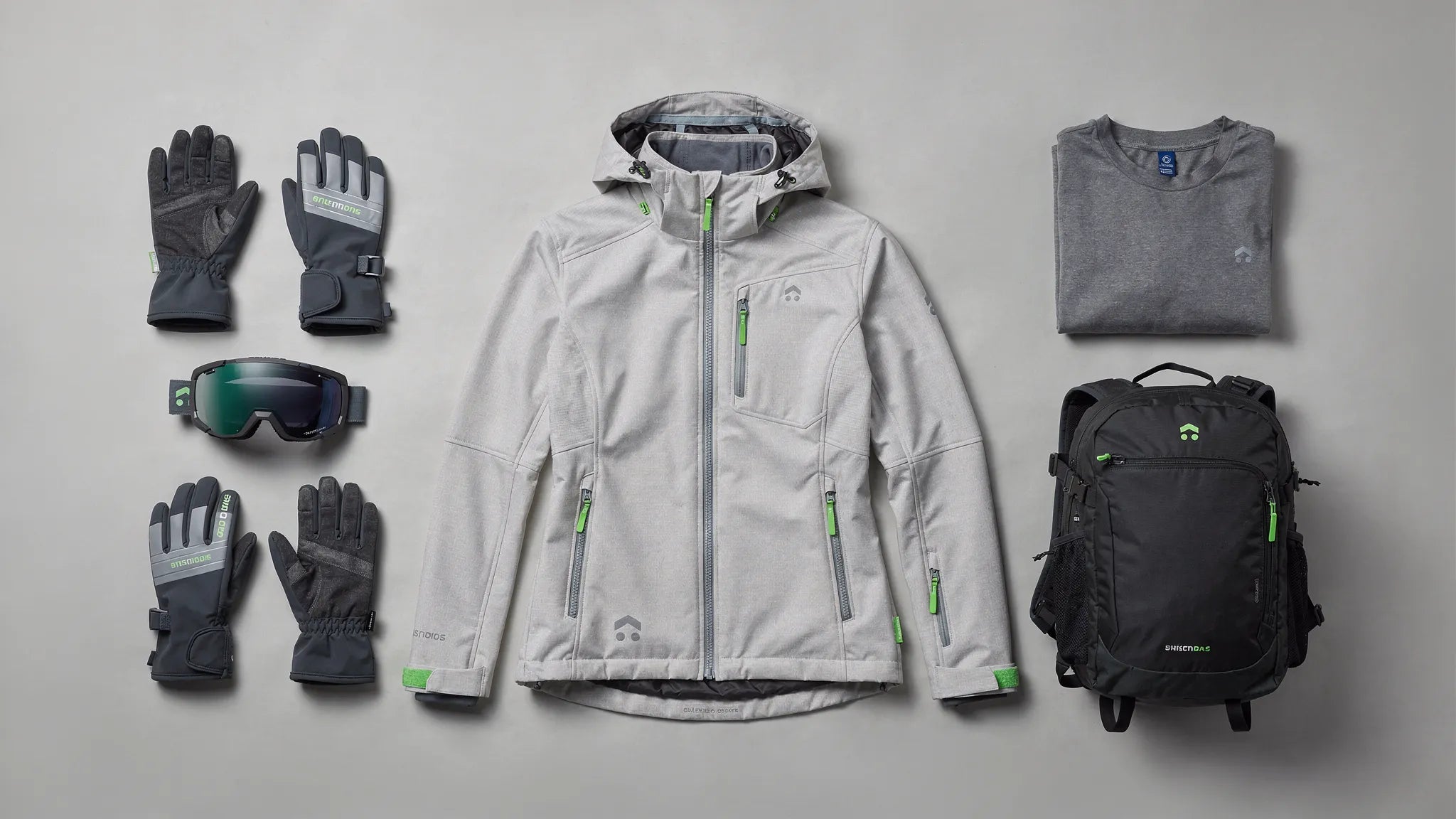
When to buyclothing snowman, the most common error is to start from the hottest head. In fact, on the snow it serves a system: garments that manage sweat, wind, humidity and movement without overlapping badly. This guide is designed for those who prepare a white week, a weekend on the track or a first exit on the snow and wants to understand what it really needs, what can wait and how to choose without filling the double-twin wardrobe.
Summary: what really needs
- An effective kit starts from three layers: technical layer base, thermal mid layer, protective exterior.
- Jacket and trousers must protect against snow and wind, but also allow ventilation and movement.
- Accessories are not secondary: socks, gloves, neck warmer, helmet and mask change the day.
- Avoid cotton, double socks and garments too padded if you ski at a sustained pace.
- If you ski once or twice a year, buy essential clothing and evaluate rental for equipment.
The principle: dressing in layers, not dress too much
On the snow comfort depends less on the amount of padding and more on the management of moisture. When you sit in the chairlift, in the tail or during an intense descent, a wrong garment remains wet and cools as soon as you stop.
For this reason the layered system is still the most sensible choice. The base layer removes sweat from the skin. The intermediate layer retains heat. The outer layer protects against snow, wind and contact with the chairlift or ground.
The point is not having the most of everything. It is to have compatible leaders among them. A very padded jacket over a heavy pile can be excessive in a mild day. A technical shell without a suitable mid layer can instead be cold in breaks.
The right question is: how much you move, how much you suffer the cold and in what conditions do you ski?
The essential kit for men snow
A complete kit should not be huge. It must cover the correct functions: dry, hot, protection and visibility. The table below separates what always serves from what depends on the output type.
| Element | Do you really need it? | What to control | Common error |
|---|---|---|---|
| Technical base layer | Yes | Fabric that dries quickly, fit close to the body | Use cotton t-shirt |
| Technical footwear | Yes, with cold or long days | Comfort under the trousers, not annoying seams | Choose it too thick |
| Mid layer | Yes | Heat, breathability, compatibility with jacket | Summon too many heavy layers |
| Snow jacket | Yes | Protection, hood, pockets, ventilation | Just look at the stuffing |
| Snow trousers | Yes | Mobility, gaiter, base compatible with boots | Take them too tight on the quadriceps |
| Technical calculations | Yes | Height above the boot, controlled thickness | Wear two pairs of socks |
| Gloves or mittens | Yes | Heat, grip, moisture protection | Use casual gloves |
| Scaldacollo and cap | Yes | Softness, drying, minimum size | Replace helmet with cap on track |
| Second mid layer | Depends. | Useful for intense cold or long breaks | Always carry it without using it |
| Winter boots or shoes | Depends. | Grip and comfort off track | Walking long with ski boots |

The base layer: the head that you do not see, but decides very
The layer base must stay close to the body without compressing. If it is too wide, it retains wet air. If it is too tight limits the movements and creates discomfort under straps, trousers or protections.
Choose synthetic technical fabrics or merino wool, depending on the personal sensitivity and duration of the output. Synthetic dries quickly and is practical for intense days. The merino is appreciated for thermal comfort and smell management during travel or more consecutive days.
The mid layer: adjustable heat
The mid layer is the most flexible piece of the kit. It can be a pile, a padded light jacket or a hybrid head. For the classic track, it often takes a mid layer under a protective jacket. For those who sweat a lot, better a more breathable and less voluminous head.
Those who alternate skis, walks, travel and cities can turn on clean and versatile garments, such as those ofLanapo collection, useful when the wardrobe must also work out of the snow.


The outer layer: protection before aesthetics
Jacket and trousers must keep out snow, wind and humidity. But it’s not enough that “technical look”. They count construction, zip, pockets, hood, sleeve bottom, gaiters and freedom of movement.
If you ski especially on the track, you can choose a warmer and comfortable jacket. If you ski touring, freeride or very dynamic days, you should prefer breathability, ventilation and modular stratification. In this case, a technical selection like theDynafit collectionis a good starting point to understand the performance approach.


Decision tree: choose according to your way of living the snow
There is not only one ideal kit. The right kit depends on intensity, weather and frequency of use.
- If you ski on track for a week a year, choose jacket and protective pants, a technical layer base, a warm mid layer and reliable accessories.
- If you make short weekends and want to travel light, bet on compressible garments, one well-chosen jacket and a mid layer usable even in the evening.
- If you ski at a high rate and sweat a lot, prefer thinner layers, ventilation zip and fabrics that dry quickly.
- If you suffer cold, first invest in layering, socks, gloves and mid layer, then evaluate a more insulating jacket.
- If you do freeride or ski touring, it prefers shell, mobility, ventilation and compatibility with backpack and safety devices.
- If it is your first season, buy personal clothing and evaluate ski and snowboard rental in Biella to avoid a complete investment before you understand your real preferences.
Those looking for durable items also for travel, cabin and daily use can complement the technical kit heritage and resistant pieces, such as those ofFilson collection. They do not replace ski clothing on the track, but they complete the winter wardrobe well outside the activity.


Fit and size: five quick tests
The fit of man snow clothing must leave space to the layers, but not create useless volume. Too tight limits the ski. Too wide disperses heat, entangles and makes protection less effective.
Before you hold a boss, do these checks.
- Arms up: the jacket should not discover too much the lumbar area and the sleeves must remain in position.
- Simulates the ankle of the boot: the trousers must bend without pulling on knees and horse.
- Make a commode: if the pant blocks thighs or pelvis, on the track will be uncomfortable.
- Wear the mid layer under the jacket: there must be freedom of movement without swollen effect.
- Try gloves, neck warmer and helmet together: cuffs, neck and cap have to work without creating rigid points.
For online purchase, measure a similar item that you already use well and compare it to the product table. If you are between two sizes, choose according to the scenario: dryer for high rhythm and light layering, more comfortable for cold, beginners or long days.
Suggested options
1. Balanced track kit
- Best for:who skis in resort, alternates descents and breaks and wants predictable comfort for several days.
- Key Features:protective jacket, pants with good mobility, technical layer base and a warm but not excessive mid layer.
- To match:technical stockings, well isolated gloves, neck warmer, helmet and mask consistent with light conditions.
This is the most sensible set for most skiers. It does not require extreme leaders, but it must be consistent. Better a well-built jacket with correct inner layers than a very heavy garment worn over cotton and casual sweatshirt.
2. Cold kit
- Best for:who feels cold in the chairlift, skiing calmly or spends many hours outdoors.
- Key Features:base layer warmer, mid layer insulation, comfortable jacket and quality accessories.
- To match:warmer gloves, technical socks not too thick and a soft neck warmer.
Cold runs from the ends and the skin. Before much increase the jacket padding, check socks, gloves, layer base and fit. Two overlapping socks often worsen circulation and make the foot cooler.
3. High rhythm kit
- Best for:sports skiers, mild days, continuous descents and sweaters.
- Key Features:quick dry layer base, light mid layer, external with usable ventilation and little bulk.
- To match:non-excessive gloves, thin neck warmer and a compact backpack to manage an extra layer.
Here the priority is not to wet sweat. A too hot garment may seem comfortable in the morning, but become a limit after two hours of activity. Choose adjustable and openable layers.
4. Freeride kit and light ski touring
- Best for:who comes out of logic only resort and seeks more mobility, breathability and modularity.
- Key Features:technical shell or exterior, trousers with good freedom, modular mid layer, compatibility with backpack.
- To match:spare gloves, suitable eyewear, hot layer for breaks and safety equipment if provided by the route.
In this scenario clothing is only part of the system. Experience, soil assessment and adequate equipment are needed. For those who move high intensity, the selectionDynafitoffers a clear technical orientation.
5. Smart Beginner Kit
- Best for:first white week, ski course, weekend with friends or family.
- Key Features:few correct garments, no cotton, jacket and protective pants, essential accessories.
- To match:equipment rental, helmet, mask and a technical stocking.
The beginner should not buy everything immediately. It is best to invest in personal items in contact with the skin and in comfortable accessories. Skiing, boots and snowboarding can be rented until it is clear how often you will ski.
6. Kit travel and après-ski
- Best for:who travels often, wants a more neat suitcase and garments usable even in the city.
- Key Features:mid layer clean, comfortable pants off track, versatile winter jacket and compact accessories.
- To match:a stable winter shoe, technical knitting or wool and a well organized bag.
The after-ski does not require technical lead, but requires warmth, comfort and durability. For a more transversal wardrobe, look also theBiella Fabrics collection, useful to complete clean and functional winter outfits.


What you can avoid without losing comfort
Many snow purchases arise from cold anxiety. In practice, some leaders are often unnecessary.
A second very voluminous duvet, if you already have adequate jacket and mid layer, almost always stays in your suitcase. The cotton sweatshirts are comfortable in the house, but little suitable under a shell because they hold moisture. Extra thick socks can compress the foot into the boot. Too many similar accessories increase confusion and do not improve the day.
Better to have few pieces chosen well, try together and easy to dry in the evening.
Care, suitcase and organization of the kit
Snow clothing lasts more if it is dried properly. At the end of the day, open zip and pockets, separate gloves and lining if possible, let base layers and socks breathe. Avoid aggressive heat sources, because they can damage membranes, glues and surface treatments.
At home, wash the technical garments by following the label and do not use softener if not indicated. When water no longer slides on the surface, it may be time to reactivate or renew the water repellent treatment according to the instructions of the head.
For those who have little space, store trousers, mid layer and accessories neatly helps not to buy doubles. Solutions likespace saving hangers and pants organizercan be useful to keep the snow kit separated from the daily wardrobe and quickly check what is missing before departure.
Before leaving, do a full test at home: base layer, mid layer, jacket, pants, socks, gloves, helmet and mask. If you carry skis or snowboards owned, it also evaluates a control of the equipment through the laboratory and sport service, especially before the first season exit.
Final checklist before purchase
- You've already decided if you're going to use the track kit, freeride, travel or mixed use.
- You chose the layer base before the jacket.
- You have verified that the mid layer enters under the outside without blocking the arms.
- You tried the pants simulating real movements.
- You included stockings, gloves and neck warmer in your budget.
- You avoided cotton and double socks.
- You checked returns, shipping and times if you buy online.
- You rated the rental if you ski a few times a year.
FAQ
What is the most important leader in man snow clothing?He's not one. The layer base is decisive to stay dry, while jacket and trousers protect from snow and wind. If one of the three layers works badly, the whole system loses effectiveness.
Better padded jacket or technical shell?Depends on use. The padded jacket is practical for track and stable cold. The shell is more modular and suitable for those who move a lot, sweat or want to adjust the heat with different mid layers.
Can I use a normal winter jacket on the snow?For a short walk it can be enough, but for skiing or snowboard it is better a jacket designed for snow, movement, humidity and compatibility with helmet, gloves and technical pants.
How many socks do you need for a white week?Better than a few quality technical stockings, with a sufficient spare to alternate them and make them dry. Avoid wearing two pairs together in the boot.
How do I know if snow pants dress well?They have to allow the joint, bending and movement of the hip without pulling. The bottom must work well with the boot and the gaiter must close without creating annoying volume.
Do you want to buy everything for a beginner?No. You should buy personal clothing and essential accessories, then rent skis, boots or snowboard until the frequency of use is clear.
Next step
If you are building your snow kit, start from the essential layers and choose based on your real use. On Fabbrica Ski Sises you will find a careful selection of clothing, accessories and technical brands, with free shipping in Italy from 50€ and made within 14 days. For doubts about size, layering or services in store in Biella, ask for advice before buying: it is the easiest way to buy less, but better.
Ski Sises on Google
Choose Ski Sises as a preferred source: you'll see our guides and news more often in Top stories on Google.