






















Ski vests man: practical guide to the right models
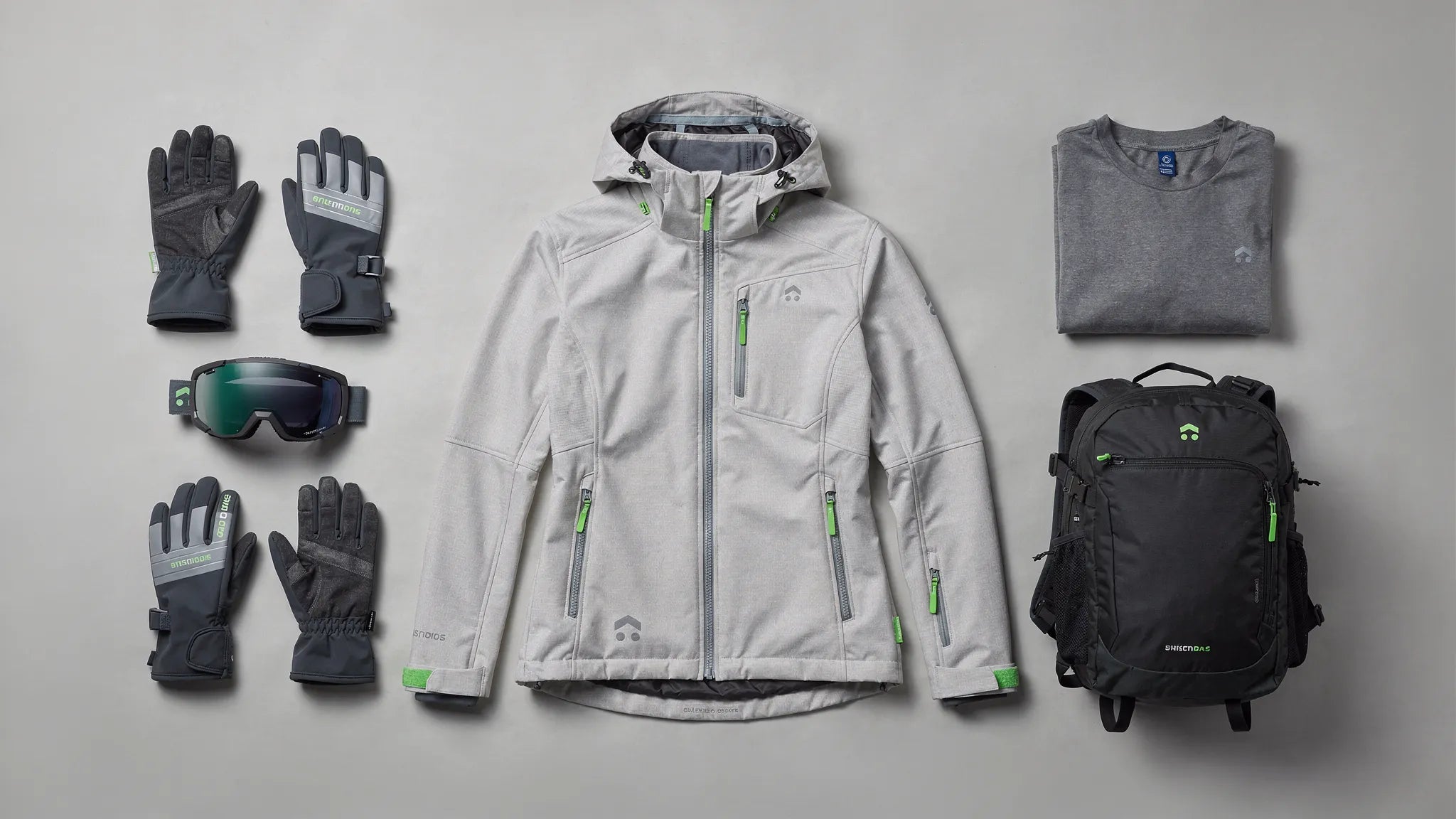
When looking for men's ski vests online, the choice seems to be reduced to two words: warm and waterproof. Actually the right model depends on rhythm, weather, implants, backpack and how you build layers. A perfect ski jacket in January can be too hot in touring, while a technical shell can be cold if you don't know what to wear under. This guide is designed for those who want to buy well: resort skiers, freeriders, beginners, travellers and those looking for a technical leader who lasts more seasons.
Summary: the choice in 60 seconds
- If you ski mainly on the track and suffer cold, choose an isolated jacket with good snow and wind protection.
- If you do freeride, all-mountain or skii with variable weather, evaluate a technical shell and build heat with layers.
- If you do touring or climbing with high intensity, it privileges breathing, ventilation and freedom of movement.
- If you travel often, a modular model or 3-in-1 can reduce the number of items in your suitcase.
- The correct size always feels with layer and mid layer base, not above a random t-shirt.
- For durability and cost for use, check zip, seams, cuffs, hood and water repellent treatment.

First question: where and how do you really ski?
The men's ski vest should not be chosen in abstract. It should be chosen for scenario. A day on track with breaks at the shelter requires thermal comfort and constant protection. A freeride descent requires more robust fabrics, useful hood with helmet and pockets accessible with backpack. A touring climb requires a jacket that does not hold too much moisture.
Before looking at brand, aesthetic or price, define your dominant use. If you do anything, choose the model that covers 80% of your outputs, then complete with the right layers.
| Royal Scenario | Priority | Model to be evaluated |
|---|---|---|
| Piste, plants, cold days | Heat, comfort, wind protection | Ski-insulated vest |
| Sporty track and variable weather | Waterproofing, ventilation, mobility | Technical shell with mid layer |
| Freeride and fresh snow | Robustness, hood, pockets, snow gaiter | All-mountain or freeride shell |
| Ski touring and climbing | Breathing, lightness, freedom | Technical softshell or light shell |
| Snow travel | Versatility, few garments, easy layering | Modular model or 3-in-1 |
| Weekend resort more cities | Clean look, protection, off-slope comfort | Essential technical jacket plus head après-ski |
If you are preparing a day in Biella or a white week and you also miss the equipment, consider ski and snowboard rental. Buying the right vest makes sense when you use it often; for skis, snowboards and complete sets, rental can be more rational in the first exits.
The main models: pro, limits and ideal use
Jacket isolated from track
It is the most immediate choice for skiers in the resort, takes plants and seeks thermal comfort without building a complex layering. The padding helps in cold days and in still moments, in the tail or in the chairlift.
The limit is moisture management. If you ski strong, sweat very much or alternate track and stretches uphill, too hot head can become uncomfortable. In this case you need effective ventilation and a base layer that you dry quickly.
Choose it if you want a simple, warm and protective solution for beaten slopes, winter weekends and traditional skis.
Technical guide
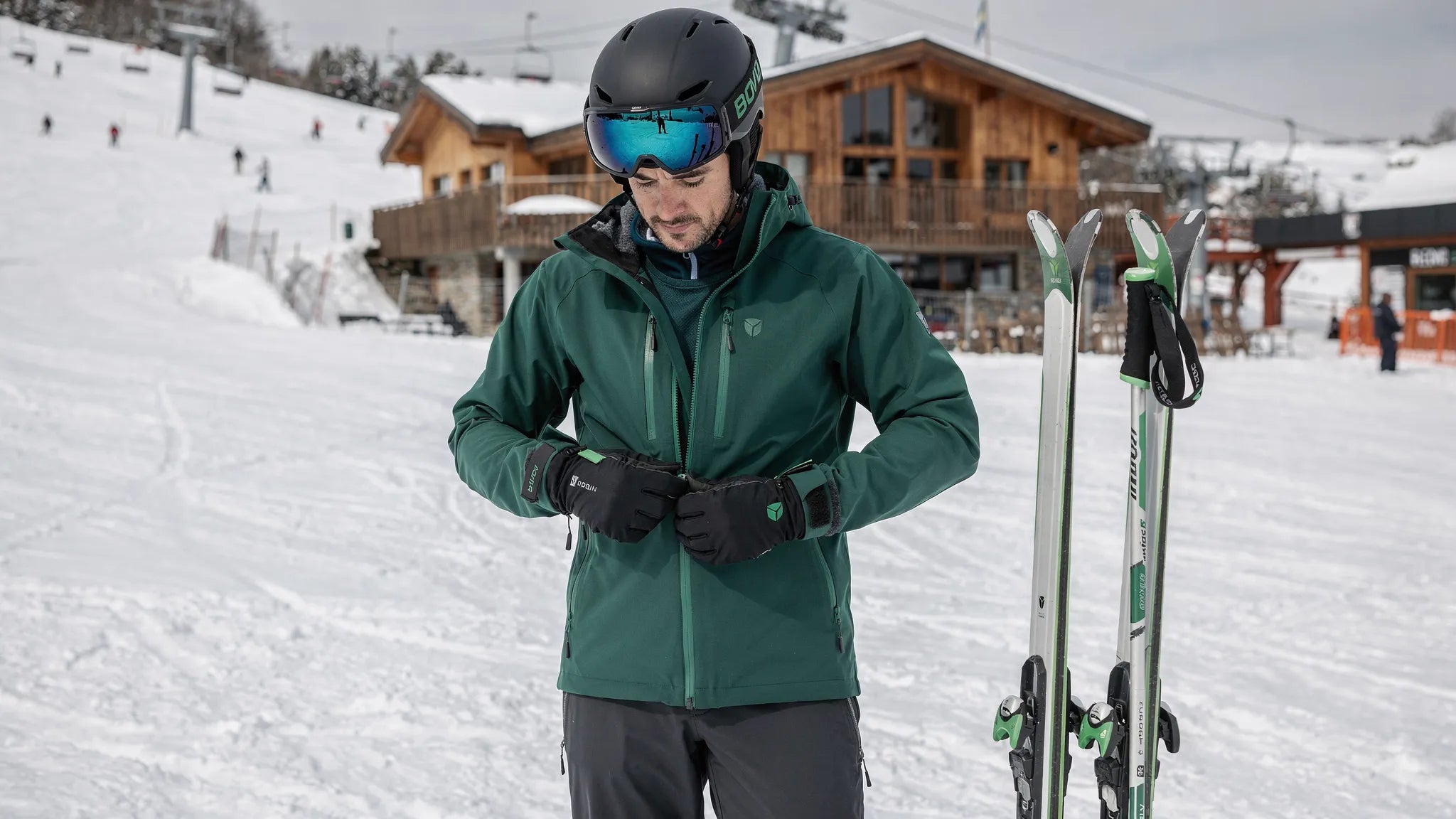
The shell is a protective jacket without important padding. Its function is to block wind, snow and external humidity, leaving layer and mid layer the task of adjusting heat. It is the most flexible solution for skiers in different conditions.
It requires more attention: if under wearing little, it may look cold. If you wear too much, you lose mobility. The advantage is precision: you can use the same outside on a hard day with hot mid layer, or in spring with a light layer.
For those looking for performance and lightness, theDynafit selectionis a good starting point to reason on technical garments and active layering.


Freeride or all-mountain jacket
A freeride jacket is designed to move out of the beaten track, with backpack, helmet and more variable conditions. It generally prefers protection, robustness and accessibility of pockets. The length can be more protective and the hood must work well with the helmet.
It's not always the lightest choice. If you ski only on track and want maximum simplicity, it can be more structured than necessary. If, on the other hand, alternate slopes, snow and snow, it is often the most solid compromise.
Softshell or hybrid jacket
Softshell and hybrid models are interesting when the intensity rises. They offer good mobility, comfort and breathability, but not always the same protection as a shell in case of wet snowfall or long exposures.
They are ideal for stable days, touring, training and spring skiing. For full winter they should be considered as part of a system, not as the only universal barrier.
Model 3-in-1 or modular
A 3-in-1 combines an external layer and a removable interior. It is practical for travelers, casual skiers and those who want a usable head even outside the snow. However, it may be less accurate than a chosen piece per piece.
The question is simple: do you prefer an orderly and easy solution, or do you want to build a more personalized technical kit? There is no absolute answer. There is real use.
Technical details that count more than the model name
The specifications are useful, but not enough. Two ski vests can declare similar protection and behave differently because they change seams, zips, linings, adjustments and cutting.
| Detail | Why does it matter | What to control |
|---|---|---|
| External fabric | It is the first barrier against wind, snow and abrasion | Fabric hand, robustness, water repellent treatment |
| Seals and zip | The weak points are often in openings | Protected stitching, solid zip, flap or anti-infiltration finish |
| Ventilation | Help to download heat without removing the jacket | Easy to use openings with gloves and backpack |
| Hood and neck | Protect in the wind, snow and chairlift | Simple adjustments, compatibility with helmet if provided |
| Cuffs and bottom | Limit snow and air input | Adjustable cuffs, any ghettos, stable bottom |
| Pockets | Make the day smoother | Ski pass pocket, high pockets compatible with backpack, inner pocket |
| Mobility | A rigid jacket spoils the ski | Free shoulders, correct sleeves, cut that does not pull in ski position |
The water column is a reference, but it should be read together with the construction. A jacket with good fabric but weak zip or unprotected seams can disappoint in wet snow. Similarly, a very waterproof but unventilated garment can hold sweat and become cold during breaks.
For most skiers on the track, the point is not chase the highest number. It is to find balance between protection, breathability and comfort. For freeride, touring and very variable days, construction becomes even more important.
Fit and size: how to try it without errors
The size of a men's ski jacket should be evaluated in motion. As a stop, in front of the mirror, almost all the jackets seem correct. On the track, instead, they count arms, shoulders, bust, helmet, gloves and pants.
Try it with real layers: technical layer base and mid layer. If you try it over a thin shirt, you risk buying a tight size. If you try it over a non-technical heavy sweatshirt, risk choosing a size too wide.
Quick controls before holding the head:
- Lift your arms as if you hold the sticks: the bottom should not go too far.
- Simulate the ski position: shoulders and back should not pull.
- Completely close the zip: the neck must protect without blocking the breath.
- Wear gloves: cuffs and sleeves must overlap cleanly.
- Rotate the envelope: the jacket must follow the movement, do not oppose.
- Try to bend as to close a boot: the head should not create annoying volume in front.
If you are between two sizes, think about use. For track and jacket isolated, a regular fit is often more efficient because it keeps the heat better. For technical shell and freeride, some space for the mid layer can be useful. For touring, avoid excessive volumes: the extra internal air can move, cool and reduce comfort.
For those who buy online, the safest method is to measure a technical jacket that already dresses well: chest, shoulders, sleeve length and back length. Then compare the data to the product card. If you receive the head and the fit is not correct, Ski Sises provides returns within 14 days according to the conditions of the shop.
Our recommended options
Insulated vest from resort
Ideal for:skiers, beginners, winter weekends and cold days with many breaks.
Key Features:comfortable padding, external protective, well built neck, practical pockets and adjustable cuffs. The priority is to stay warm without having to handle too many layers.
To match:technical layer base, light mid layer, protective ski pants, warm gloves and technical socks. Avoid cotton layers because they hold moisture.
All-mountain technical shell
Ideal for:skiers alternating track, variable weather, intense days and some exits off the main tracks.
Key Features:wind and snow protection, usable ventilations, well adjustable hood, light but reliable construction. It is the most versatile model if you can build the heat below.
To match:base breathable layer and mid layer based on temperature. For a performance-oriented technical wardrobe, see also theDynafit collection.
Structured freeride jacket
Ideal for:who uses backpack, helmet, technical pockets and seeks solid protection in fresh snow or irregular conditions.
Key Features:more protective cut, durable fabric, accessible pockets, possible snow gaiter, useful hood with helmet if provided by the model. It must be stable, not only hot.
To match:pant or bib consistent, waterproof gloves, adequate mask and mid layer modulable. If skis or snowboards need control before the season, the sport service workshop is the correct pass.
Softshell or hybrid for light touring
Ideal for:climbs, stable days, spring skiing and sweaters easily.
Key Features:mobility, breathability, comfort and less space. Snow protection is generally more limited than a shell, so it should be carefully chosen to weather.
To match:dry layer base, vest or light mid layer, emergency shell in the backpack and spare gloves. Here moisture management is worth more than static heat.
Modular travel model
Ideal for:who wants a single ski system, walk in resort, travel and winter daily use.
Key Features:separable external layer, internal usable alone, good balance between order and versatility. It is practical if you do not want to build a very specialized kit.
To match:essential ski pants, shoe or winter sneaker for after ski, compact accessories and a clean intermediate layer. For bridges between city, travel and light mountain, you can exploreLanapo collection.


Après-ski jacket and off-slope
Ideal for:who already has a technical track jacket and looks for a durable head for travel, mountain town, weekend and daily use.
Key Features:robust construction, essential style, comfort outside the sporty activity. It does not replace a technical ski jacket in challenging conditions, but completes well the snow wardrobe.
To match:knitwear, technical or casual clean pants, solid shoes and hot accessories. For a more heritage and durable approach, considerFilson collection.


Maintenance: the easiest way to make it last
A good ski jacket lasts several seasons if it is washed, dried and placed correctly. The main enemy is not only snow: they are sweat, dirt, residues of solar cream, prolonged compression and wrong washing.
Always read the internal label. In general, close zip and velcri before washing, use detergents suitable for technical garments, avoid softeners and dries according to the manufacturer's instructions. If the water repellent treatment loses effectiveness, it may be necessary to reactivate or restore it with specific compatible products.
At the end of the season, clean and dry jacket. Do not leave it compressed for months in a backpack or in a tight bag. Check zip, cuffs and seams before the following winter: intervene quickly costs less than replace a still valid garment.
FAQ
Better padded ski vest or shell?Depends on your use. The padded jacket is easier and warmer for track and resort. The shell is more versatile for variable weather, freeride and intense skiing, but requires a correct layering.
A normal winter jacket is good for skiing?Only for very occasional uses and stable weather. To ski really serve mobility, snow and wind protection, functional cuffs, practical pockets and a construction designed for movement.
How waterproof should a men's ski vest be?Don't just look at the declared number. It also controls seams, zip, water repellent treatment and ventilation. Good breathless protection can become uncomfortable if you sweat.
How do I choose the size online?Measure a technical jacket that suits you and compares chest, shoulders, sleeves and length with the product card. Try the new head with layer and mid layer base, then do motion tests before removing labels.
Is the freeride jacket okay on the track?Yes, if you accept a cut often more structured and technical. For those who only ski on track at a quiet pace, a model isolated from resort can be more immediate and comfortable.
What to wear under a ski shell?A breathable base layer in contact with the skin and a mid layer chosen according to the temperature. The shell protects from the outside, does not generate heat alone.
When should I choose a 3-in-1 model?When you want an orderly solution for travel, resort and daily use. If you look for maximum technical precision, better build the system with shell, mid layer and separate layer base.
To choose well, start from your dominant scenario and build the rest around. If you are looking for a technical jacket to ski with more control, start fromDynafit selectionand complete layering with consistent garments for temperature, rhythm and output duration.
Ski Sises on Google
Choose Ski Sises as a preferred source: you'll see our guides and news more often in Top stories on Google.