

















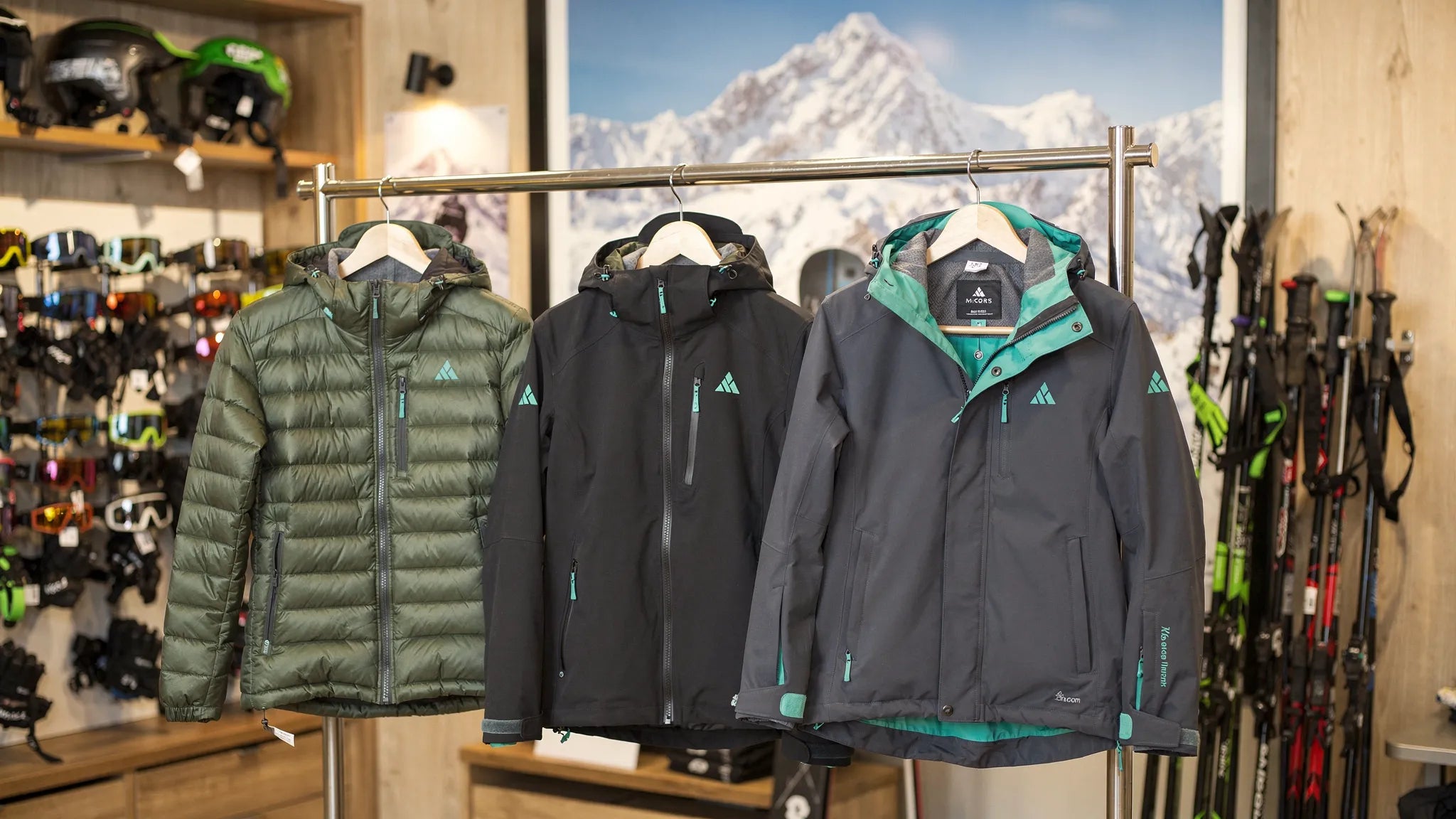
Ski jacket: how to choose the right one
The right ski jacket is not simply the hottest one. It is the one that keeps you dry, leaves moisture out, follows the movements and works with the layers you wear below. For those who ski on the track, make freeride, prepare a white week or want to buy well without getting lost among technical acronyms, the choice starts from a concrete question: where and how will you really use the jacket? From there you decide between padded model, technical shell, construction more freeride or modular solution.
In summary
- For the track and cold days, a ski jacket is the most immediate choice.
- For ski touring, freeride and intense use, better a waterproof and breathable shell to handle with layering.
- Waterproofing, seams, ventilation and hood count more than just heat level.
- The fit must allow layer and mid layer base without pulling on shoulders, chest and arms.
- If you ski a few times a year, invest first in protection and comfort, then in specialized details.

First choice: padded, shell or 3-in-1?
The first distinction is simple: do you want a jacket that warms up on your own, or a jacket that protects from snow and wind while you regulate the heat with the layers below?
A padded jacket is ideal for those who ski on the track, spends time on the plants and prefers a ready solution. It offers immediate heat and requires less reasoning on layering. The limit is sweat management: if you move a lot or ski in variable conditions, it can become too hot.
The technical shell, often called shell or hardshell, is an external barrier against wind, snow and humidity. It is not born to warm much, but to protect. It is the most versatile choice for ski touring, freeride, often travels or wants a jacket to use with different intermediate layers. In the technical selectionDynafit, for example, it is worth looking for garments designed for dynamic activities and light layering.


The 3-in-1 jacket combines a protective exterior and a removable inner layer. It is convenient for those looking for a single garment for more situations: skiing, snow, travel, city in winter. It is not always the most precise choice for advanced skiers, but it can be very rational for beginners, families and those who want to reduce the doubles in the closet.
| Type of jacket | Ideal for | Main Advantage | Compromise |
|---|---|---|---|
| Padded jacket | Pista, stable cold, occasional skiers | Immediate heat | Less modulable |
| Technical guide | Freeride, touring, intense use | Protection and breathability | Requires correct layering |
| 3-in-1 | Travel, beginners, mixed use | Versatility | Less specialist |
| Softshell Snow | Dry days, high movement | Comfort and freedom | Limited protection with wet snow |
Waterproofing and breathability: read data without fixing on numbers
Many ski jackets report waterproof values in millimeters, often referred to as water column. It's useful, but it's not enough. A jacket with a good fabric but unprotected seams, weak zip or worn external treatment can perform worse than a more balanced garment.
As a general reference, use on track with normal conditions requires less protection of a long day with wet snow, wind and many hours outdoors. Those who practice freeride or touring should also look more carefully at breathability, because the body produces a lot of uphill humidity or during dynamic phases.
| Scenario of use | Recommended protection | What to prefer |
|---|---|---|
| Pista with stable weather | Medium waterproofing, good insulation | Warm, comfort, functional pockets |
| Track all day | Higher waterproofness, cured seams | Hood, cuffs, gaiters, ventilation |
| Freeride | Robust fabric and high protection | Protective cutting, mobility, backpack compatibility |
| Ski touring | Breathability and weight | Ventilation, packability, layering |
| Snow trip and city | Balanced protection | Versatility and clean fit |
Breathability is often underestimated. A very waterproof but unventilated jacket can leave you wet from the inside. For this reason, the aeration zips are a concrete detail: they must be reached with gloves and backpack, and practical enough to really use.
The external water repellent treatment, often referred to as DWR, also affects the dry feeling. When the outer fabric absorbs water, the jacket may seem less breathable. For the maintenance of the membranes and hydrorepellence, it is advisable to always follow the label of the head and the indications of the manufacturer, such as the official guidelinesGORE-TEX on the care of the garments.
Technical details that make the difference in snow
A good ski jacket is recognized in detail. Not all are indispensable, but some really change the experience in the day.
Hood and neck are among the first elements to control. The hood should protect without limiting the visual, ideally working with the helmet if the jacket is designed for skiing. The neck should close well, but do not compress when wearing layer base, mid layer and mask.
The seams and zips affect protection. Nastrate seams help reduce moisture in critical points. Zippers can be protected from potato or built to better resist snow and wind. It is not necessary to pursue any technical details, but it is important that construction is consistent with use.
Pockets must be logical. An accessible ski pass pocket, hands pockets placed above any trousers or harness, an internal pocket for essential items and a safe place for the mask may seem minor details. On the track, they become daily convenience.
Quick checklist before purchase:
- The hood works with the helmet or with your way of skiing.
- Ventilation is easy to open and close.
- The cuffs adjust well above or under the gloves.
- The jacket covers well the lumbar area in ski resort.
- The pockets are accessible with gloves and backpack.
- The snow gaiter, if present, closes without tightening.
- Zips run well and do not create rigid points.
If you are building a suit, also evaluate the interface with your pants. A very short jacket with trousers without straps or protections can let snow enter the falls. To complete the set, it can be useful to read also the guide onSki pants.
Fit and size: the jacket has to move with you
The correct size is not the perfect fit in front of the mirror. It is the one that remains comfortable when you raise your arms, bend over your boots, close your helmet, carry a backpack and add a warm layer below.
To choose online with less risk, parts from a jacket that you already own and measure chest, shoulders, sleeve length and total length. Then compare these measurements with the product sheet. If you are between two sizes, consider the type of jacket: a layering shell can require more margin, a padded jacket can already have sufficient internal volume.
Four useful tests when you try the jacket:
- Lift your arms as if you plant the sticks: the bottom should not go too far.
- Simulates the fastening of the boots: the back must remain covered.
- Close the zip with layer base and mid layer: the chest should not pull.
- Wheel shoulders and bust: the fabric should not block the movement.
For women, the critical point is often the balance between chest, waist and hips. Too precise jacket may seem elegant, but lose functionality with layers. For men, the frequent error is to choose a size too wide: it increases the volume of air to heat and can make the overlap uncomfortable with backpack and pants.
For children and boys, better avoid the extreme “too big”. A little margin to grow makes sense, but too long sleeves, falling shoulders and unstable background reduce comfort and safety.
Choose according to your way of skiing
The best purchase comes from the real scenario, not from the most impressive technical sheet. Before choosing, define your profile.
If you ski above all on the track, take frequent breaks and do not want to think too much about the layers, a well-built padded jacket is probably the easiest choice. Look for comfort, logical pockets, protective cap and a fit that allows at least a light mid layer.
If you alter track and some stretches off board, choose a more protective jacket, with good freedom of movement and snow details. Here the compromise is between heat and ventilation. Too hot jacket can become annoying on the most active days.
If you ski touring or frequent ascents, prefer shell, breathability and ventilation. The heat must come from the layers below, not from the outer jacket. In this case a technical mid layer or a versatile head can complete the set without weighting the backpack. For outdoor use and travel, some selections such asLanapocan be interesting to build layers and bridge heads off the track.


If you are looking for a jacket to use in the city, do not confuse style and function. A ski jacket can work in urban context, but not all urban garments are suitable for the track. For heritage and outdoor lifestyle garments, collections such asFilsonare useful for travel and everyday, but on the track it is important to choose buildings designed for snow, wind and movement.


Quick decision:
- Skiing 3-5 days a year on track: padded jacket or 3-in-1.
- Ski all weekends: protective jacket with good ventilation.
- Make freeride: more covering cut, robust fabric, helmet compatible.
- Make touring: light shell, breathable, easy to compress.
- Start for a white family week: comfort, correct size, simplicity of use.
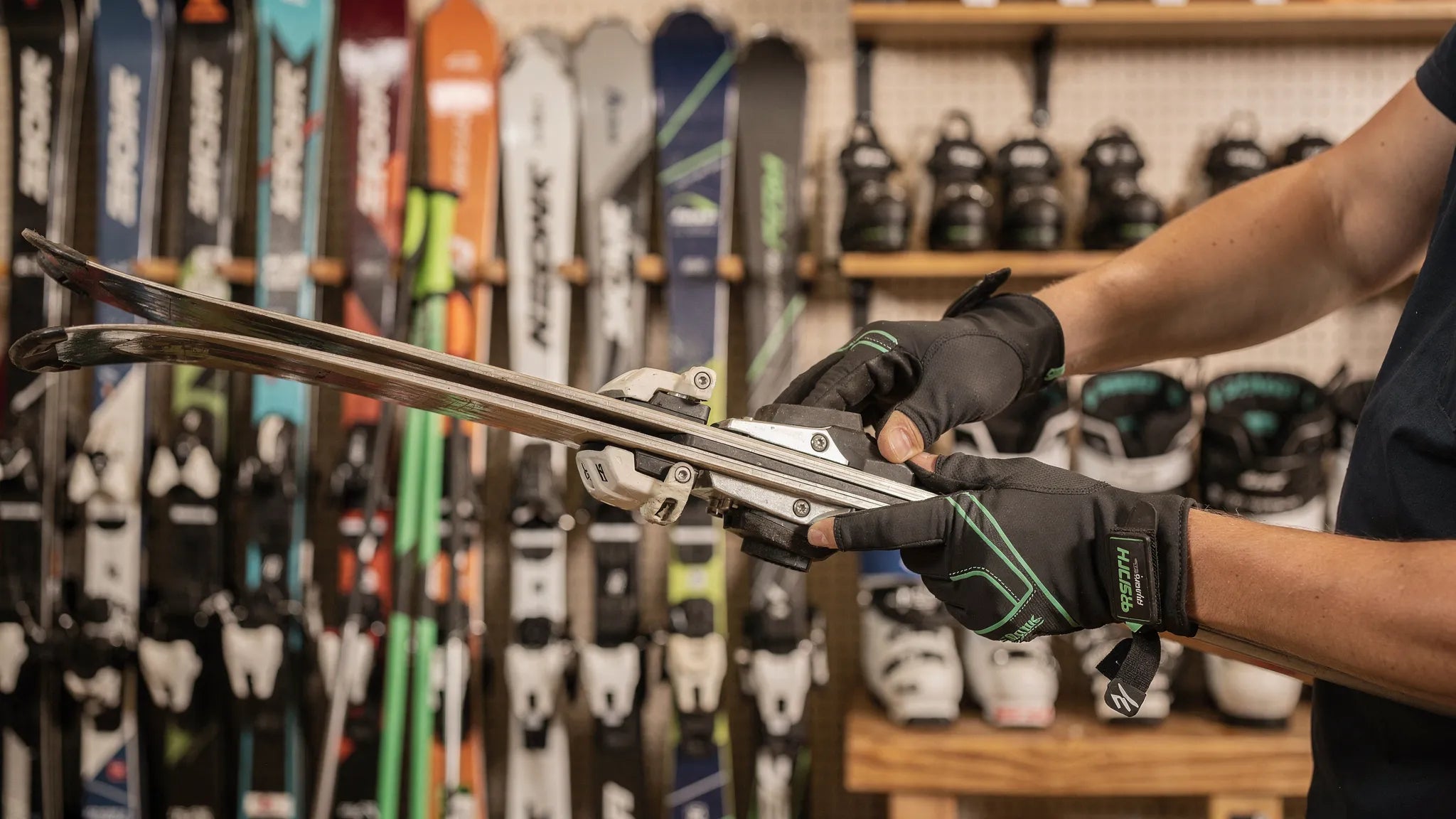
If you are in Biella and you have to complete the equipment, you can evaluate the ski and snowboard rental to avoid frantic purchases before you understand your real level. For ski and snowboard owned, the sport service is useful for maintenance and control before the season.
Our recommended options
Jacket padded by track
Best for:resort skiers, cold days, beginners and those who want an immediate solution.
Key Features:good insulation, protective exterior, functional hood, comfortable pockets and adjustable cuffs. It is the easiest choice when the rhythm is moderate and you spend a lot of time on the plants.
To match with:technical layer base, light mid layer on hardest days, padded ski pants and warm gloves.
Technical hub for dynamic skiing
Best for:ski touring, light freeride, skiers who want thermal control and versatility.
Key Features:protection from wind and snow, weight more content, effective ventilation and cut thought to move. It requires a more careful choice of the internal layers.
To match with:technical underwear, thermal mid layer, shell or bib pants, modular gloves and compact backpack.
Freeride jacket more protective
Best for:skiers looking for cover, robustness and freedom in off-piste movements.
Key Features:more covering cut, generous hood, accessible pockets and protection-oriented construction. It must work well with helmet, mask and backpack.
To match with:bib pants or pants with good lumbar protection, breathable mid layer, resistant gloves and safety accessories adapted to the context.
Modular 3-in-1
Best for:travel, families, casual skiers and those who want a boss to use in several seasons.
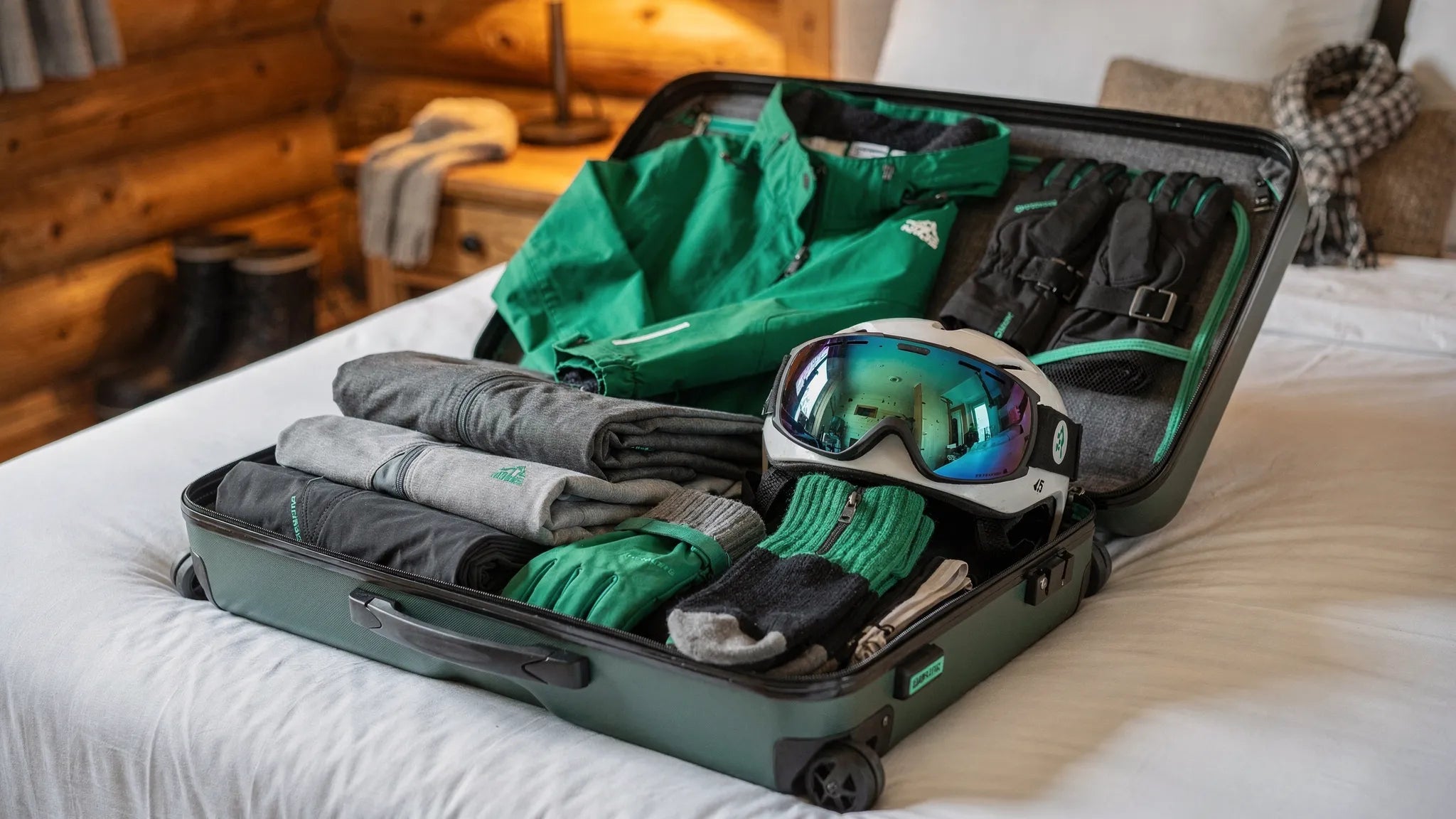
Key Features:external protective and removable inner layer. It is practical when conditions change and when you want to reduce the number of items in your suitcase.
To match with:light layer base, versatile ski pants, technical socks and accessories coordinated for variable cold.
Functional junior jacket
Best for:kids and kids, ski schools, family weekends.
Key Features:heat, simplicity of closure, essential pockets, good margin of movement. Priority is reliable comfort, not extreme technical detail.
To match with:snow pants with straps, easy to wear gloves, well regulated helmet and dry layer base.
Travel-to-ski jacket
Best for:who leaves with reduced baggage and wants a boss ordered outside the track.
Key Features:balanced protection, clean fit, non-excessive details and compatibility with technical casual layers. You don't have to sacrifice essential snow functions.
To match with:versatile mid layer, technical travel pants, winter shoes for after-ski and compact accessories.
Care and duration: make the jacket work well over time
A technical jacket lasts longer if it is washed properly. The point is not to wash it often, but to wash it when dirty, sweat and residues reduce breathability and water repellency. Use detergents suitable for technical garments, avoid softeners and always follow the internal label.
After washing, many jackets require proper drying to reactivate the water repellent treatment. If the water no longer slides on the surface and the fabric tends to wet, it may be time to restore the DWR with specific products, always compatible with the head.
At the end of the season, put the jacket completely dry, clean and not compressed long. Check zip, seams, cuffs and snow gaiter before putting it away. A small problem solved immediately avoids discomfort at the first exit of the following year.
Frequently asked questions
Better a padded ski jacket or a shell?Depends on use. For stable track and cold, padded is easier. For touring, freeride and intense activity, the shell is more versatile because it allows to adjust the heat with the layers.
How much waterproof is it for skiing?For occasional use on the track you can only have an average protection, if the construction is cured. For long days, wet snow, freeride or variable weather, it is advisable to climb level and also evaluate seams, zip and DWR.
Should the ski jacket be tight?No. It must follow the body without blocking the movements and leave space based layer and mid layer. If you pull your shoulders, chest or back when you bend, size or cut are not correct.
Can I use a normal down jacket to ski?Only in very quiet conditions and for occasional use, but it is not ideal. A ski jacket offers snow protection, wind, movement and specific details such as gaiter, hood, cuffs and track pockets.
Is a freeride jacket okay on the track?Yes, if the fit is convenient and is not too technical for your use. It can offer more protection, but it could be less warm than a padded model if it is a shell.
How do I know if I chose the right size online?Measure a jacket that suits you, compare chest, shoulders, sleeve and length with the product card, then consider the space for the layers. If you receive the head, immediately try the typical movements of the ski before removing labels or using it.
Choose the jacket from your real scenario, track, freeride, touring, travel or family. If you want to orientate yourself between more versatile technical items and options, explore the online collections of Fabbrica Ski Sises, starting from the selectionDynafit, or go to shop in Biella for a tip on the fit before the next snow exit.
Ski Sises on Google
Choose Ski Sises as a preferred source: you'll see our guides and news more often in Top stories on Google.