
Aequilibrium Trek GTX: for who is and how it fits
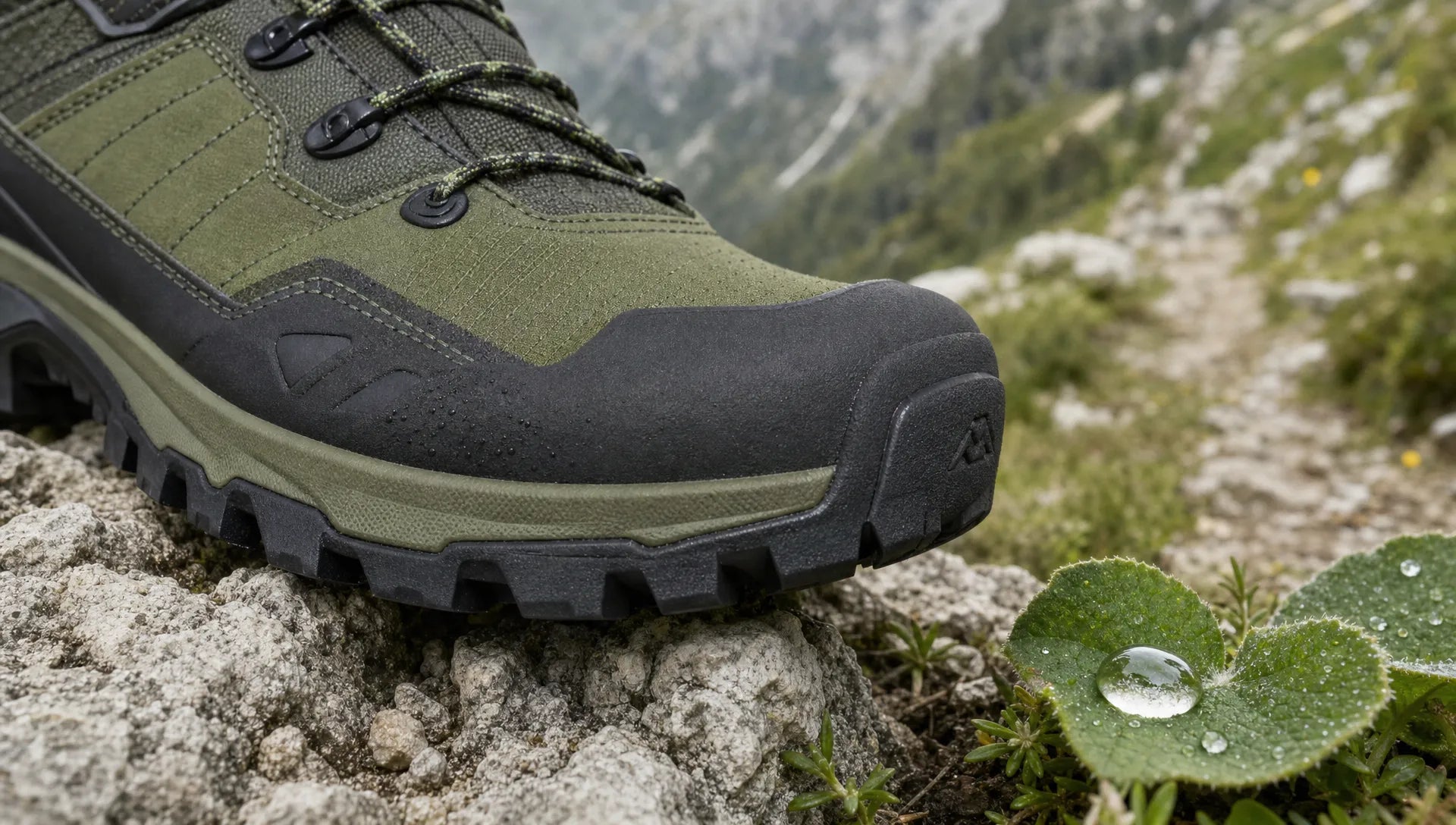
The Aequilibrium Trek GTX is designed for those who want a more stable and protective trekking boot of a low shoe, but without entering the rigid territory of technical mountaineering. The real question is not only “is it a good shoe?”, but “is it right for my foot, my backpack and my paths? ”. This guide is for those who walk in the mountains, travel light, seeks waterproofness and wants to understand how to choose the size without relying on the case.
In summary
- Ideal for:Alpine trekking, mixed paths, backpacking, outdoor trips where you need protection and comfort.
- Less indicated for:trail running, pure urban use, very wide feet without preventive test, technical winter mountaineering.
- Correct sock:fixed heel, uncompressed avampiede, fingers free downhill.
- Size to try:parts from your usual size and compare it with half extra size, using the sock that you will take to the path.
- To match:technical socks, trekking pants, light shell, essential backpack and rainwear accessories.
For those who recommend the Aequilibrium Trek GTX
The Aequilibrium Trek GTX is located in a precise area: more structured than an outdoor sneaker, more versatile than a high mountain rigid boot. It is a sensible choice if you walk on stone, mule tracks, wet paths, grassy paths and more hours itineraries where the foot must remain stable.
It is particularly interesting for those looking for only one boot to use in spring, summer and autumn, with the protection of a waterproof membrane and a construction suitable for the mountain. It is not born to run, nor to replace a city shoe. It works when the soil requires attention.
| Profile of use | Is that a good choice? | Why? |
|---|---|---|
| Daily mountain trekking | Yes | It offers more support than a low shoe, especially on irregular terrain. |
| Weekend with light backpack | Yes | The structure helps when the load increases and the foot gets tired. |
| Wet paths or high grass | Yes | The GTX membrane helps to manage moisture and rain, within the limits of the shoe. |
| Light technical approach | Depends. | Good protection, but must be evaluated according to the type of rock and the desired sensitivity. |
| Trail running | No. | It needs a more flexible, light and dynamic shoe. |
| Daily urban use | Only if you like a technical fit | It could be too structured for those looking for sneaker softness. |
If your reference is the technical outdoor, you can start fromselection La Sportivato build a consistent kit, from footwear to light layers.
When it is not the right choice
A protective boot is not automatically the best response for each walk. If you take easy walks, city trips or regular dirt routes, you may prefer a softer and more immediate low shoe.
The Aequilibrium Trek GTX can be excessive even if you love a very free fit. The correct feeling of a hiking boots is enveloping, not constrictive. The foot must be checked, especially downhill, but not stuck to the point to create tingling, side pressure or painful nails.
It is not even a ski shoe or from activities on technical snow. If you are planning a winter week and need specific equipment, the correct solution is a dedicated boot. For those who pass from Biella, ski and snowboard rental is the most suitable service to prepare the material from piste or snow without compromise.
Quick decision:
- If you walk on alpine paths with variable weather, it makes sense to consider it.
- If you want a lightweight racing shoe and fast workouts, better look elsewhere.
- If you have wide foot or high neck, try it carefully before deciding.
- If you often come down with backpack, give priority to tight heel and space in front of your fingers.
GTX, protection and comfort: what to really expect
The GTX acronym indicates the presence of a GORE-TEX membrane. In practice, it means more water protection than an uncoated shoe, with a breathability level designed for outdoor activity. It does not mean that the foot will always be dry in every condition.
Water can enter from above if you cross deep wet grass, streams or soft snow. In these cases, a light gaiter can make a difference. At the same time, on very hot days, a waterproof shoe can be warmer than a non GTX version. It is a compromise: climate protection against maximum ventilation.
The choice is simple. If you walk often in altitude, early in the morning, in half season or in areas where the weather changes quickly, the membrane is a concrete advantage. If you walk almost only in summer, on dry routes and warm weather, you may prefer a more airy fit.
To maintain performance over time, it is worth following correct care indications. The official guidelinesGORE-TEX for footwear maintenanceinsist on regular cleaning, natural drying and water repellent treatments when necessary. They are simple gestures, but they affect a lot of duration.
How to stock: size, volume and test downhill
The right fit of the Aequilibrium Trek GTX must communicate control. The heel should not be raised clearly. The mesopiede must feel wrapped. The fingers, however, must remain free, especially in front.
The critical point is the descent. On the floor a size may seem correct, but if your fingers touch the tip when you tilt your foot forward, on the path will become a problem. After two hours of walking, with warm foot and slightly swollen, that space becomes even more important.
As a practical method, always try your usual size and a half extra size. Do it with the technical stocking that you will really use, not with a thin city stocking. If you use personal plantar, enter them during the test.
| Suit test | What to check | Correct signal |
|---|---|---|
| Tallion | Walk and simulate a climb | The heel remains stable, without major rubbing. |
| Avampiede | Feed the foot and load the weight | The fingers move slightly, without side compression. |
| Discipline | Push your foot forward with closed laces | Your fingers don't hit the tip. |
| Foot neck | Progressively fastening | No dry pressure or tingling point. |
| Technical footwear | Test with real thickness | The size is comfortable also with trekking shoes. |
If you are between two sizes, choose according to use. For long trekking, frequent descents and more structured socks, often the extra half size is safer. If the foot slips, the heel rises and you have to tighten too much the laces, the greater size is not the right one.
For wide-ranging feet, the advice is not to “expect that blinds” as the only strategy. A technical shoe must adapt, but not turn. If you feel net pressure on the sides of the forefoot, the risk is that on the path you become discomfort. For thin feet, it can help a slightly more structured fit or a more precise adjustment of the fastening.

Our recommended options
Here it is not only a choice of a boot, but to build the right system around the foot. The Aequilibrium Trek GTX gives the best when inserted in a consistent kit: correct fit, technical layers, proportional backpack and accessories chosen according to the weather.
1. Trek GTX balance for classic alpine trekking
Ideal for:hikers walking on mountain trails, mule tracks, rocky stretches and long descents.
Key Features:protective structure, controlled fit, waterproof membrane, good feeling of safety on variable soil.
To match:medium thickness technical stocking, trekking pants, first breathable layer and light shell. If you want to stay on a consistent technical aesthetic, look at Arc'teryx clothing for essential and clean layering.
2. Weekend kit with light backpack
Ideal for:who leaves for two days, sleeps in shelter or walks with spare, rain and essential accessories.
Key Features:needs balance between foot protection and weight management. The shoe must support without stiffening the walk too much.
To match:Compact backpack, light fleece, windproof jacket and trousers with good freedom of movement. For outdoor bags and accessories, theThe North Face collectionis a useful base to complete the setup.
3. Choice for unstable weather and half season
Ideal for:who walks between spring and autumn, when the path can alternate dry, mud, wet grass and light rain.
Key Features:priority is to protect the foot without neglecting the breath. The GTX membrane is useful, but must be accompanied by correct socks and intelligent layer management.
To match:technical stocking not too heavy, rain shell, light hat and thin gloves if you leave early in the morning.
4. Outdoor lifestyle with real function
Ideal for:who wants a technical fit also for active trips, weekends in the mountains and days passing from the village to the path.
Key Features:prolonged comfort, protection, clean outdoor look. The shoe remains technical, so it must be chosen if you really need support and stability.
To match:technical trousers with sober cut, overshirt or light fleece, compact jacket. For a functional but discreet wardrobe, you can exploremen's clothing selectionorwomen's clothing selection, according to the fit you look for.
How to complete your purchase without wrong
Before deciding, reason in order: soil, climate, duration of the exit, shape of the foot. The brand and model count, but compatibility with your use counts more.
An essential checklist:
- Bring or choose a trekking shoe similar to the one you use in the mountains.
- Try both shoes, not just one.
- Walk for a few minutes, then reconnect with more precision.
- Simulate a descent and check that your fingers do not touch the front.
- Evaluate any pressure points after a few minutes, not only when worn.
- Do not choose a small size thinking that “you will do” if you already feel pain.
If you buy online, always check shipping conditions, return and availability sizes. On Fabbrica Ski Sises you can buy with free shipping in Italy above threshold, fast delivery and made within 14 days, but the safest choice remains from a reasoned test.
Care and duration: small gestures that count
A technical boot lasts more if it is treated as equipment, not as any sneaker. After an exit, remove mud and dust with a soft brush or a damp cloth. Avoid direct heat sources, such as radiators or stoves, because they can compromise materials and paste.
Allow the shoe to dry naturally, removing the inner insole if necessary. When water no longer slides on the outside surface, it may be time to renew the water repellent treatment with a product suitable for the material of the upper. Good maintenance does not make the shoe eternal, but preserves comfort, protection and appearance longer.
FAQ
Is the Aequilibrium Trek GTX suitable for beginners?Yes, if the beginner walks on mountain paths and wants more protection than a low shoe. For easy walks or urban use, it can be more structured than necessary.
How do I choose the size of the Aequilibrium Trek GTX?Try your usual size and a half extra size, using trekking socks. The correct size holds the heel and leaves room in front of the fingers downhill.
Is it better to take an extra size?Not always. Makes sense if you make long trekking, use thicker socks or feel your fingers too close to the tip. If the foot slips or the heel rises, the size is probably too large.
Does the GTX membrane make it suitable for summer?It depends on the climate. At altitude and with variable weather is useful. On very hot and dry days, a non-waterproof shoe can be cooler.
Is it okay by rail or mountaineering?It can be adapted to light approaches and technical paths, but for demanding, snow or mountaineering routes, specific evaluations are needed on stiffness, grip, compatibility and protection.
What can I match with the Aequilibrium Trek GTX?Technical socks, trekking pants, light heat layer, rain shell and compact backpack. The goal is to maintain the whole system consistent with soil and weather.
The Aequilibrium Trek GTX is a solid choice if you are looking for protection, control and versatility for trekking. If your use is really outdoor and the fit respects your foot, it can become a reliable boot for many exits. To choose size, combinations and alternatives with criterion, parts fromLa Sportiva collectionor go to Biella store for direct advice.