













Men's ski clothing: what really needs
Choosing men's ski clothing does not mean buying as many items as possible. It means building a system that remains dry, adjusts the heat and allows to move without pulling into the wrong points. If you are preparing a white week, a weekend on the track or you want to replace a dated boss, this guide goes to the point: what it really takes, what you can avoid, how to decide between padded jacket and shell, and what evidence to do before leaving.
In summary
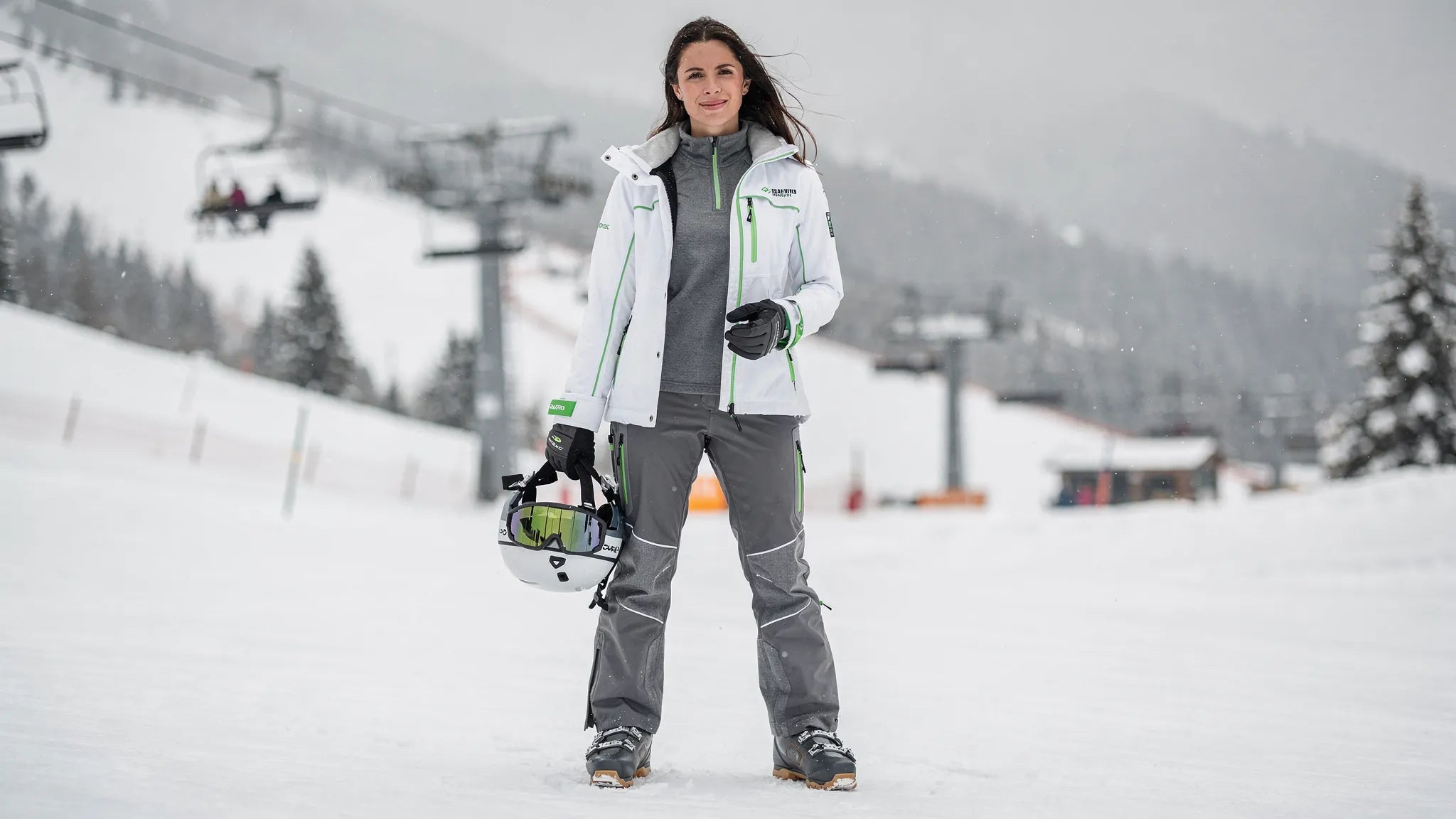
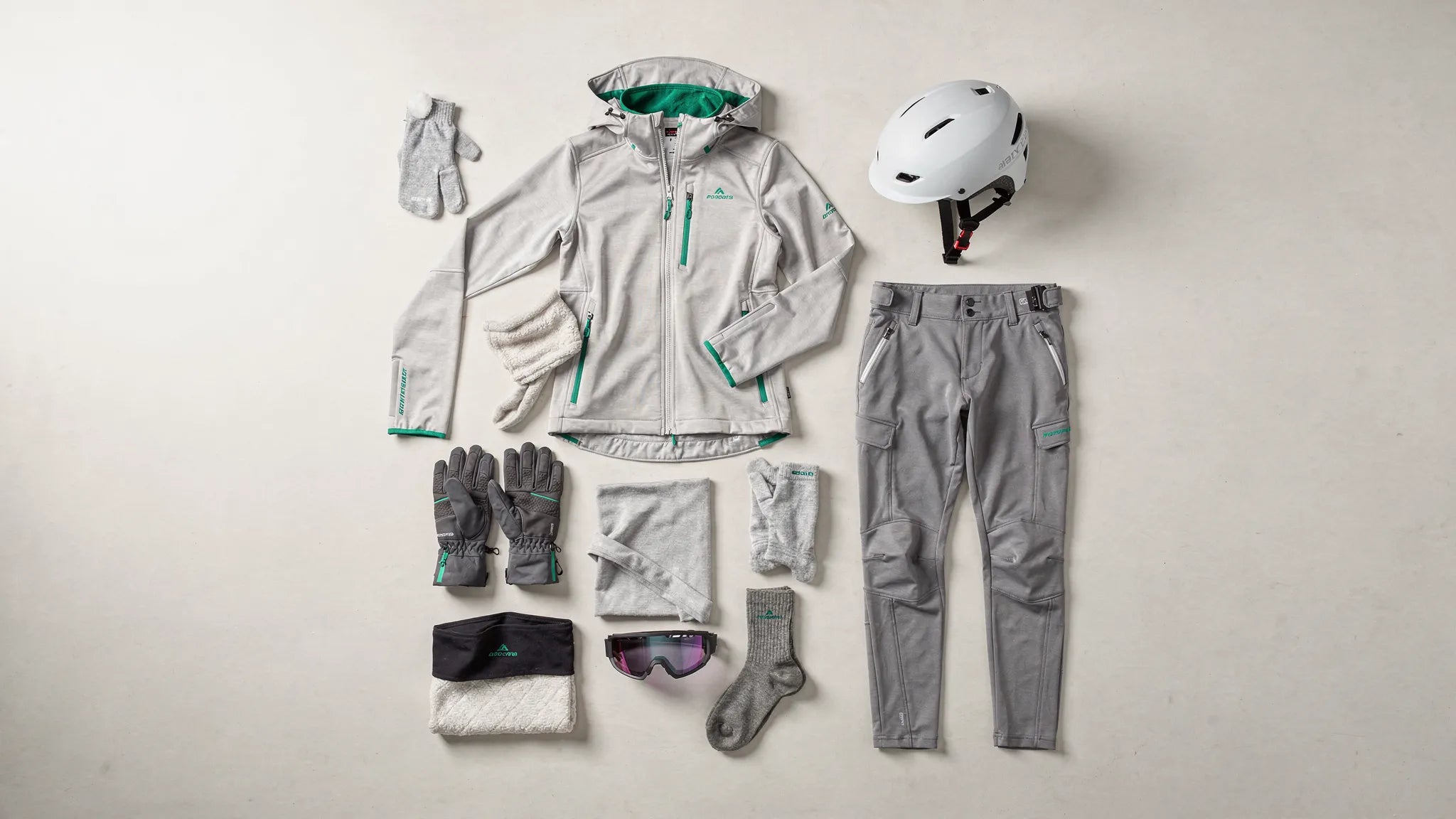
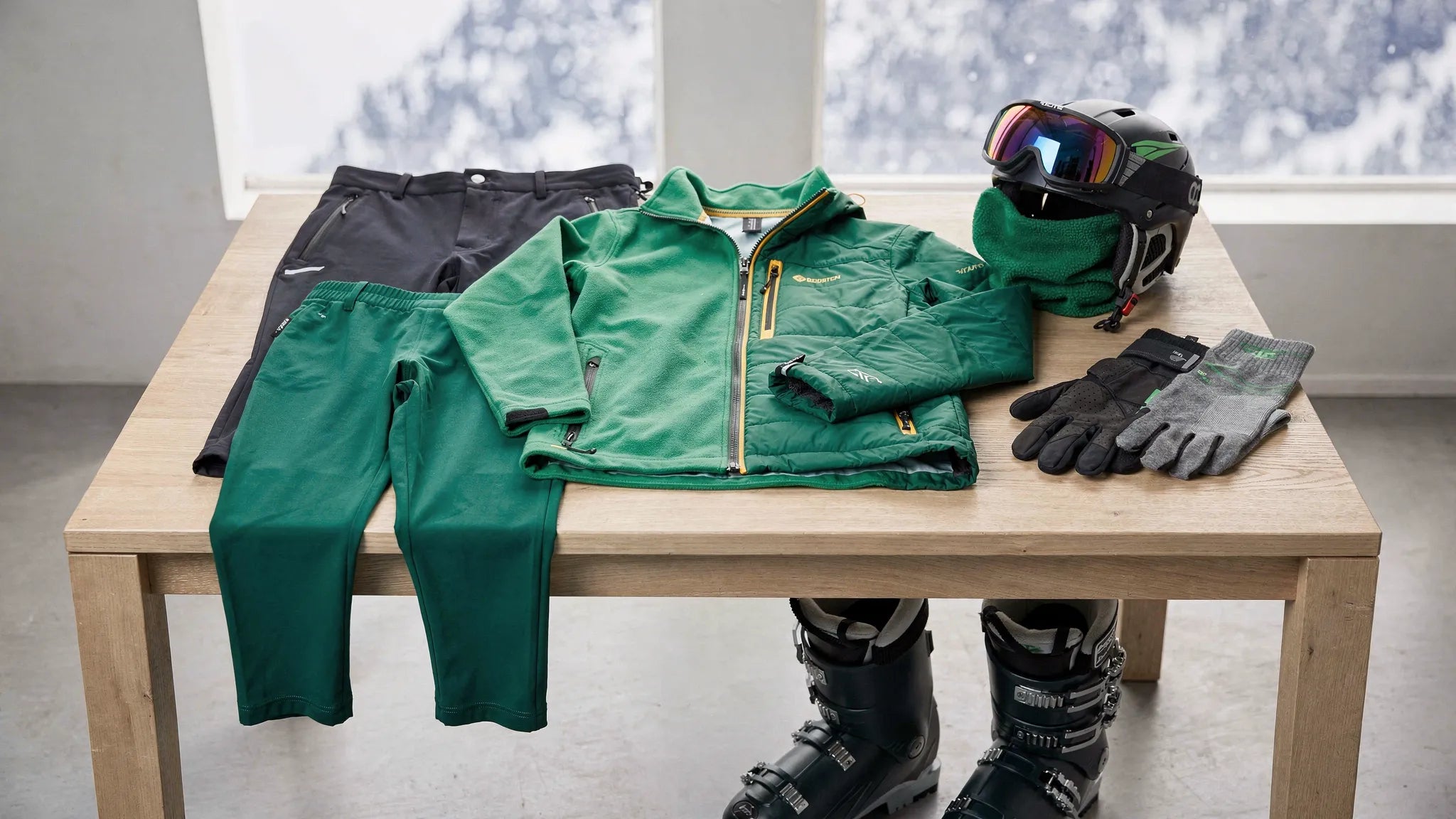
- The essential kit consists of technical underwear, mid layer, jacket, ski pants, technical socks, gloves, neck warmer, helmet and mask.
- The best choice depends on rhythm, perceived cold, weather and number of days on the snow.
- For the resort track, comfort and protection count more than maximum lightness.
- For freeride, ski touring and dynamic days, better a modular system with adjustable shell and layers.
- Do not duplicate similar garments: invest on what manages moisture, wind and snow.
- If you ski a few times a year, buy personal items and rate ski, boot and snowboard rental.

The correct logic: three layers, not a miraculous head
The first mistake is to look for one jacket capable of doing everything. On the snow comfort arises from the combination: a dry layer on the skin, a layer that retains heat, an external layer that protects from wind, snow and humidity.
This logic is true for those who ski on the track, for those who move between plants and huts, and even more for those who alternate intense descents at moments in the chairlift. The body changes temperature continuously. Your clothing must follow him.
| Road | What's it for? | How to choose it |
|---|---|---|
| Base layer | Remove sweat from skin | Adherent but not compressed, in technical material or merino wool |
| Mid layer | Holds heat without blocking movement | Pile, technical mesh or light padded according to cold |
| External | Protects from snow, wind and humidity | Ski jacket and trousers with construction consistent with use |
Cotton is the big excluded. It absorbs moisture, slowly dries and becomes cold as soon as you stop. Even if you only ski on the track, the contact layer with the skin should be technical.
What it really takes to ski on the track
For a man skiing in the resort, the kit should not be complicated. It has to cover three needs: stay dry, stay warm when you stop and move well when you ski.
The essential checklist is this:
- Technical intimacy with long sleeves.
- Technical shoe, especially with low temperatures or underpadded pants.
- Mid thermal layer, such as batteries or technical mesh.
- Ski jacket, padded or shell based on your use.
- Ski pants with good mobility and protection at the bottom leg.
- Specific ski socks, not too thick.
- Waterproof and warm gloves.
- Technical warm-up.
- Helmet and mask suitable for visibility of the day.
- Light warm head for after skiing, transfers and breaks.
What is often not necessary at once: double jackets, very voluminous sweaters under the jacket, extra thick socks, casual trousers under skiers. More volume does not automatically mean more heat. Often means less transpiration and more discomfort.
If you're building the kit from scratch, start fromselection manand reason for layers, not for single isolated head.


How to decide on where and how to ski
A good ski kit is not universal. The same outfit can be perfect for those who ski quiet on the track and too hot for those who ski strong all day. Before buying, define your real scenario.
| Scenario | Priority | More sensible choice |
|---|---|---|
| Pista resort, regular rhythm | Heat, protection, comfort | Structured ski jacket and trousers, mid layer |
| Sports skier | Breathing and freedom of movement | Smooth or less padded head, modular layer |
| Who suffers the cold | Wind insulation and protection | Padded jacket, technical tights, warm gloves |
| Freeride or light ski touring | Ventilation and sweat management | Guscio, technical mid layer, spare accessories |
| First white week | Simplicity and comfort margin | Complete set easy to manage, few well chosen layers |
| Travel with city and snow | Versatility and reduced footprint | Clean technical heads, also usable off-piste |
If you are at first experience, you do not need to buy all the equipment immediately. Personal garments, such as layer base, socks, gloves and jacket, make sense because they affect hygiene and comfort. For skis, boots or snowboards, you can evaluate ski and snowboard rental, especially if you have not yet defined level and preferences.
If you already ski several days a season, it is worth building a more precise technical wardrobe. For dynamic uses, touring or high rhythm, selectionDynafitis a good starting point for leaders oriented to movement and management of intensity.


Padded jacket or shell: the practical choice
The question is simple, but the answer depends on how you live the day.
The padded jacket is ideal if you ski on the track, take many breaks, use the facilities and want a warm and immediate solution. Reduces the number of layers to manage and works well for those looking for comfort without too many adjustments.
The shell, however, protects from external agents but delegates heat to the inner layers. It is more flexible: you can add a mid layer on cold days or lighten the system when you ski high. It requires more attention, but offers more control.
To decide quickly:
- Choose a padded jacket if you ski especially on the track, often feel cold and want practicality.
- Choose a shell if different conditions, ski intensively or want to use the same head in multiple outdoor contexts.
- Choose an intermediate solution if you make weekends, trips and mixed days between track, walks and city.
The same reasoning applies to pants. A padded pants helps in cold and quiet days. A shell or lighter trouser works better if you use an adequate tights and move a lot.
Fit and size: quick tests before leaving
Men's ski clothing must not dress like an urban leader. It must leave space to the layers, but without creating unnecessary folds, excessive air voids or points where snow can enter.
When you try jacket and pants, you already wear layer and mid layer base. A test made over a simple t-shirt does not say enough.
Run these controls:
- Raise your arms and carry forward: the jacket should not go up too much or pull on the shoulders.
- Simulates the fastening of the boot: the trousers must bend without blocking knees and pelvis.
- Move slowly: the back bottom must remain covered and life should not compress.
- Close all zippers: neck, chest and waist must be protected but not suffocating.
- Wear the gloves with the sleeve: check that cuff and sleeve work together without cracks.
If you are between two sizes, choose according to use. For quiet track and multiple layers, it is often better to keep a little margin. For dynamic skiing, avoid excess volume because it can limit movements and breathability.
Where to invest and where to simplify
Not all pieces have the same weight in the final yield. Some directly affect perceived comfort and safety, others can be chosen with more simplicity.
| Pe | Why does it matter | Smart choice |
|---|---|---|
| Jacket | Protects bust, arms and neck | Choose it according to cold, rhythm and usual weather |
| Pants | They manage contact with snow, seat and boots | Check mobility, leg bottom and protection |
| Base layer | Determines dry remains | Better technical and tight, avoiding cotton |
| Socks | They affect the comfort and fit of the boot | Ski specifications, without excess thickness |
| Gloves | Cold hands ruin the day | Priority to waterproofness, heat and grip |
| Mid layer | Adjust the heat | Choose a versatile garment, not too bulky |
For a cleaner capsule, also useful between travel, city and après-ski, you can integrate layers and bridge garments from selectionLanapo. If you are looking for robust pieces for travel, weekends and daily use off-piste, look alsoFilson, especially for long-term garments and accessories.


Maintenance counts as much as purchase. A dirty jacket breathes worse, a neglected water repellent treatment loses effectiveness, an unprepared equipment spoils the ski. If you pass from Biella, the sport service can be useful for controls, maintenance and preparation of the equipment.
Our recommended options
Resort track set: ski jacket and technical trousers
Best for:skiers who spend most of the day on the track, use plants and want a protective solution without complex management of layers.
Key Features:good coverage, affordable pockets, comfort in chairlift, compatibility between jacket, trousers and gloves. Priority is to stay dry and warm without sacrificing mobility.
To match with:technical underwear, mid layer, ski socks and neck warmer. Avoid too voluminous layers under the jacket.
Technical shell and layering system
Best for:sports skiers, light freeride, ski touring and days in which alternate intense phases and still moments.
Key Features:modularity, increased heat control, better moisture management when the rhythm rises. It works well if you are willing to adjust the layers during the day.
To match with:dry layer base, warm but compressible mid layer, consistent gloves with weather and an extra layer in the backpack.
Hot set for cold sufferers
Best for:skiers who feel cold easily, beginners moving at moderate pace, hard days and frequent breaks.
Key Features:more present insulation, protection from the wind, immediate comfort. The choice must however allow to move arms, bust and knees without resistance.
To match with:technical layer base, tights, warmer gloves and neck warmer. Do not add heavy sweaters if they limit the fit of the jacket.
Base layer and technical socks
Best for:all, from beginner to expert. They are the least visible and among the most important.
Key Features:sweat management, quick drying, comfort in contact with the skin. Socks have to work with the boot, don't overfill it.
To match with:mid layer calibrated on temperature and trousers with enough space to move. Bring a second pair of socks if you do more consecutive days.
Mid layer versatile
Best for:who wants a useful garment both under the ski jacket and during travel, lunch break or return to the city.
Key Features:heat without excessive volume, clean fit, ease of stratification. A good mid layer avoids having to buy more very similar garments.
To match with:shell or ski jacket not too tight. It also works well with technical casual trousers for the after ski.
Durable travel and après-ski heads
Best for:who leaves for a white week and wants leaders who also function outside the slopes, in hotels, on travel and in transfers.
Key Features:solid construction, essential aesthetics, ease of matching. They do not replace technical ski clothing, but complete the wardrobe of the trip.
To match with:sneaker or winter shoes adapted to the context, technical or natural knitwear, clean outerwear and warm accessories.
Common errors to avoid
Buying a very hot jacket and then wearing it with cotton below is a classic mistake. The sweat remains on the skin, the comfort drops and the feeling of cold increases as soon as you stop.
Another mistake is to choose too tight trousers because they look cleaner from stops. On the track you have to flet, sit, walk with the boots and recover balance. If the boss limits these gestures, it's not the right size.
Also watch out for socks. Two overlapping pairs do not make the boot warmer: they often reduce circulation and precision. Better a correct ski shoe, chosen according to your foot and boots.
Finally, avoid buying everything at the last moment without trying the complete system. The test is not the single head, but the set: base, mid, jacket, pants, gloves and helmet have to work together.
FAQ
What is the indispensable minimum of ski men's clothing?The minimum consists of technical underwear, mid layer, ski jacket, ski pants, technical socks, gloves, neck warmer, helmet and mask. If the temperatures are low, add a technical shoe.
Better padded ski jacket or shell?The padded jacket is simpler and warmer for the track. The shell is more modular and suitable for skiers with high rhythm, it often changes conditions or wants to use the layers in a more technical way.
What do you wear under the ski pants?A technical shoe is usually enough. Avoid casual pants, cotton suits or layers too thick, because they can create folds, retain moisture and reduce mobility.
How many socks do you need for a white week?Better to have more pairs of technical socks to alternate. A specific ski, dry and tight fit is more effective than a very thick generic stocking.
How do I know if the size of the jacket is correct?Try it with layer base and mid layer. Lift your arms, fold, close all zippers and verify that your head does not pull on shoulders, chest and neck. It must protect without blocking.
Should I buy or rent?Personal items should buy them, because they affect comfort, hygiene and fit. For skis, boots or snowboards, the rental is sensible if you ski little, you are learning or want to test different solutions.
Choose the kit consistently
The best ski clothing is what responds to your real use, not the one with more details. Start from the essentials, check the moving fit and build the layered system with criterion. You can start frommen's collection, or switch to Biella store for advice on sizes, layers and services. Online find free shipping in Italy over 50 € and made within 14 days.
Ski Sises on Google
Choose Ski Sises as a preferred source: you'll see our guides and news more often in Top stories on Google.