












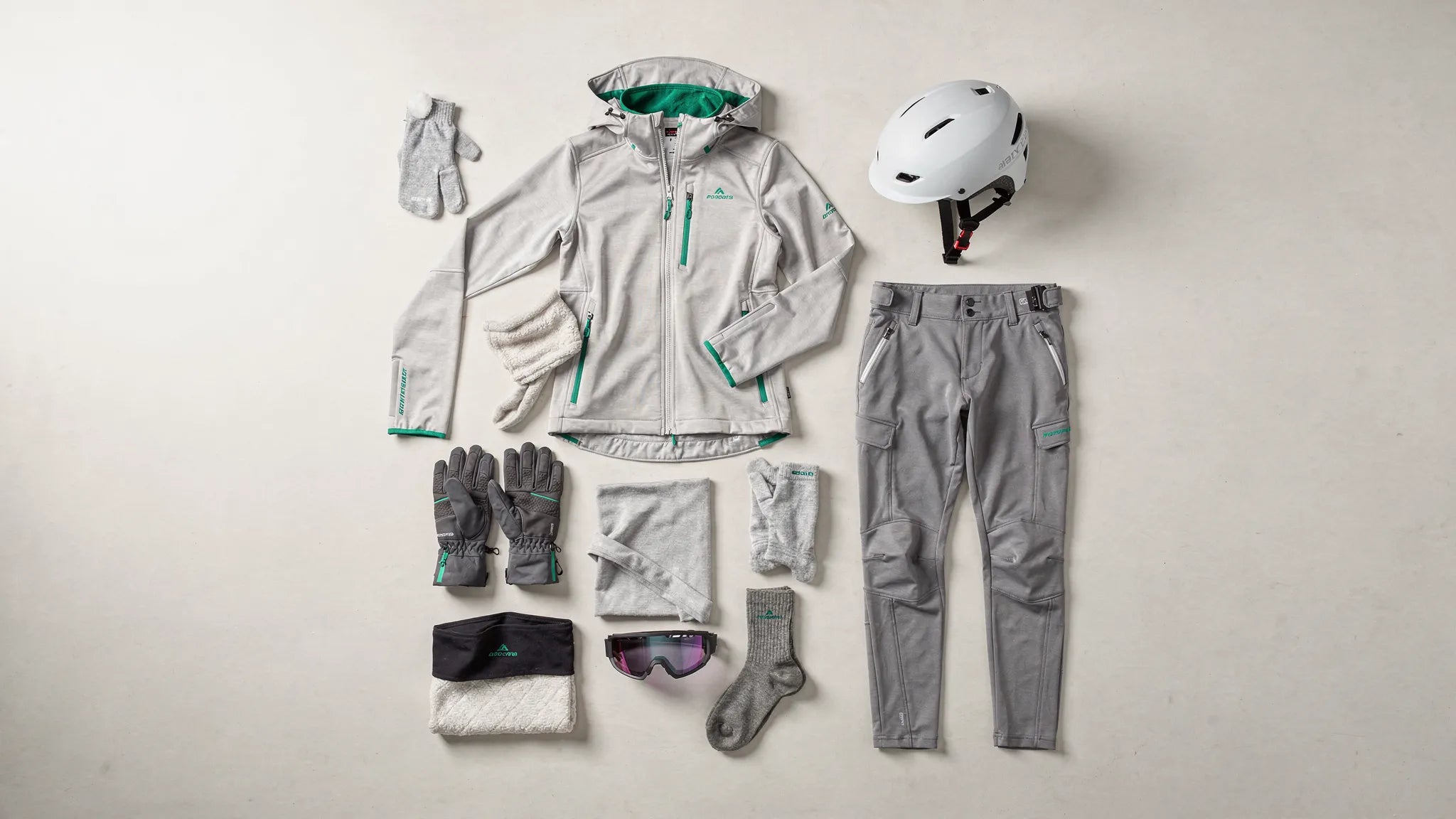
Ski woman clothing: how to build the right set
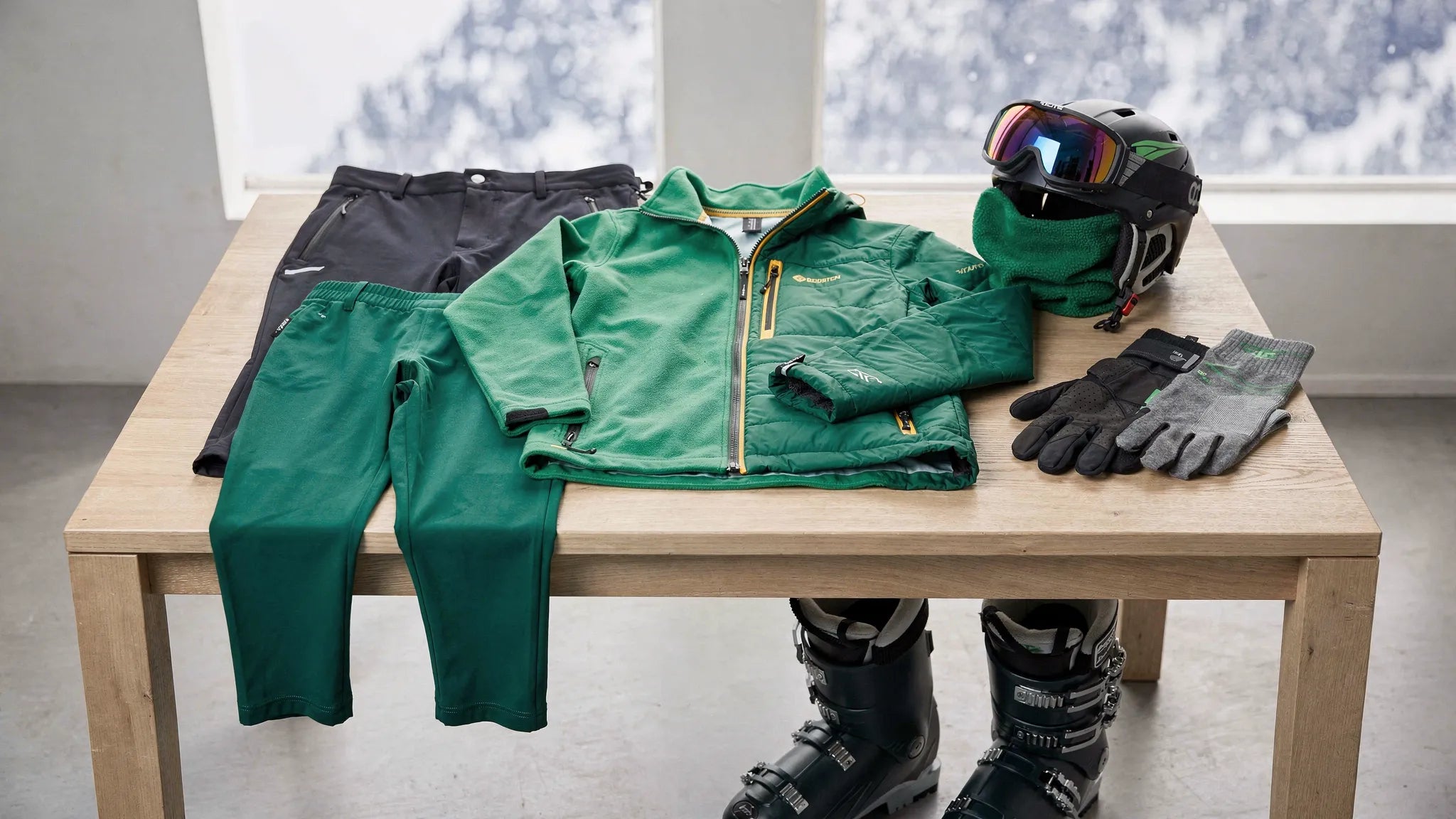
Choosing the right ski set does not mean buying the hottest garment. It means building a coherent system: layers that breathe, adequate external protection, accessories that do not become the weak point and a fit designed to move. This guide is for those looking for ski women clothing with criterion, from the first white week to the regular season, with a practical and clean approach: less improvisation, more comfort on the track.
Summary: the right set in short
- Parts of three layers: breathable base, heat mid layer, protective exterior.
- Choose jacket and pants based on weather, intensity and frequency of use, not only aesthetics.
- Always try the fit with the layers below: high arms, welcome, fold to close the boot.
- Do not save on critical accessories: socks, gloves, neck, helmet and mask affect much on comfort.
- If you ski a few times a year, consider buying clothing and renting skiing and snowboarding in Biella for equipment.

First rule: build a system, not an isolated outfit
A good woman ski set has to handle three things: cold, humidity and movement. If a layer holds sweat, if the trousers pull when you bend or if the glove gets wet, even the most technical head loses effectiveness.
The most reliable principle remains layering. Each layer has a precise role and should work with others, without creating useless volume.
| Road | Function | What to look for | Error to avoid |
|---|---|---|---|
| Base layer | Remove moisture from skin | Technical fabrics or merino wool, fit adhering but not constrictive | Cotton in contact with skin |
| Mid layer | Adds modulable heat | Pile, light padded or technical mesh | Choose a layer too often and slightly breathable |
| External | Protects from snow, wind and humidity | Jacket and trousers with good construction, zip, gaiter and compatible hood | Buy only according to the perceived heat in store |
| Accessories | Critical points close | Gloves, socks, neck, helmet, mask | Use generic city accessories |
For skiing on the track, the goal is to stay dry in the stages of movement and warm in the chairlift. For freeride, touring or very active days, the priority moves on the breathability and ventilation openings. For a white week, it serves balance: reliable garments, easy to combine and not too specialized.
How to decide the set based on your real use
Before you look at models and brands, define the scenario. It is the passage that avoids most wrong purchases.
If you ski mainly on the track, with frequent breaks and cold days, oriented on a warmer suit: isolated jacket, protective pants, mid layer. If you ski with sustained rhythm, do many consecutive descents or sweats easily, better a more modular system with protective exterior and adjustable inner layers.
For those who do ski touring, splitboard or freeride, the set must breathe better and allow more freedom in movements. In this case it makes sense to look at technical collections asDynafit, especially if you look for garments designed for dynamic activities in the mountains.


Quick decision tree
- If you ski 3-5 days a year on track, choose a warm, easy to manage and reliable accessories.
- If you do a white week every season, invest in jacket and versatile pants, with adjustable layering.
- If you ski often and with sporty rhythm, it prefers breathability, ventilation and technical fit.
- If alternate piste, winter trekking and travel, choose modular garments that also work outside the snow.
- If you’re a beginner, don’t overload your equipment budget: buy essential clothing and evaluate ski rental, boots and sticks.
Base layer and mid layer: the comfort starts from below
The layer base is the least visible head and often the most underrated. It must adhere to the body without compressing, drying quickly and not create folds under salopettes or trousers.
For many skiers, the most effective combination is a long sleeve technical top and a dedicated thermal leggings. The merino wool is appreciated for comfort and smell management, while the technical synthetic fabrics dry quickly and are practical for those who ski more consecutive days.
The mid layer should be chosen according to cold sensitivity and intensity. A technical fleece is often the most versatile solution. A light padded can work very well on cold days, but must leave space under the jacket and not block the movement of the arms.
For a wider winter capsule, useful also on the way or after skiing, you can add some clean and durable pieces to the technical garmentsLanapo collection. They do not replace the technical layer from track, but they complete a functional and sober winter wardrobe.


Checklist base and mid layer
- The top doesn't lift when you raise your arms.
- The leggings does not create pressure in life under the trousers.
- The mid layer enters under the jacket without compressing shoulders and chest.
- The neck remains protected without adding too many layers.
- After a few minutes moving, do not feel cold moisture on the skin.
Jacket, trousers or suit: outdoor protection
The outside is the one that must support snow, wind, sitting on the plants, temperature changes and rubbing with backpack or equipment. Here not only counts the fabric, counts the construction.
A well-chosen woman ski jacket should allow freedom in the arms, cover well the bust when you sit and integrate with gloves, helmet and mid layer. Details such as adjustable hood, practical zip, accessible pockets and ventilation openings can make more difference than a technical card read in isolation.
Ski pants must protect against snow without stopping bending. Internal legs, bottom compatible with the boot, reinforcements in the areas subject to wear and stable life are elements to be carefully controlled.
The whole suit is interesting for those seeking maximum protection continuity and a very defined aesthetic. The complete two pieces remain more modular, easier to manage during the day and often more practical for travel and weather changes.
| Choice | Ideal for | Benefits | Trade-off |
|---|---|---|---|
| Jacket + isolated trousers | Piste, cold, occasional skiers | Immediate heat, simple management | Less modular on mild days |
| Guscio + layering | Active skimmers, variable weather | Versatility, heat control | Requires selected internal layers well |
| Bib or salopettes | Freeride, fresh snow, cold | Increased envelope coverage | More clutter in breaks |
| Full suit | Continuous protection, defined style | Less snow entry points | Less practical for stops and adjustments |
Fit and size: tests to do before holding the head
In the world of skiing, a seemingly correct size can become wrong just add layer base, mid layer and protections. This is why the fit is tested in motion.
Wear the layers you'd really use on the track and do four simple tests. Lift your arms like you're using sticks. Shake a curve. Fold forward as to close the boot. Sit to check belt, waist and length of the jacket.
The jacket should not pull on the shoulders, get up too much on the bottom or compress the chest. The pants should not block knees and also. Life must remain stable, but not tighten with the layer base below.
If you are between two sizes, think about the use. For quiet and cold track, an extra margin can help layering. For sports skiing or touring, too much volume can become uncomfortable and less efficient.
Accessories: small items, big difference
Accessories complete the set and often determine the quality of the day. Cold hands, wrong socks or unsuitable mask can also ruin a well-chosen suit.
Ski socks must be technical, not too thick and compatible with the boot. Excessively voluminous stocking can reduce precision and circulation. Gloves must be chosen according to the sensitivity to the cold: fingers separated for greater precision, muffole for more heat, hybrid solutions for a compromise.
The technical neck is more practical than a traditional scarf. The helmet must be specific for winter sports and correctly combined with the mask. The mask, finally, should be chosen according to light, weather and compatibility with the helmet.
For after skiing, travel or days without a runway, a sneaker or comfortable fit complete the wardrobe without appearing technical equipment. The selectionFlower Mountainis a good area to explore for those looking for comfort travel and a clean outdoor aesthetic.


Our options
1. Essential Track Set
Best for:first exits, white week, occasional skier who wants comfort without complications.
Key features:protective jacket with good insulation, stable ski pants, technical layer base, simple mid layer, warm gloves and dedicated socks.
What to pair it with:technical neck, helmet, mask and a compact backpack to add or remove the mid layer during the day.
2. Modular set for several seasons
Best for:who skis every winter and wants a more flexible wardrobe.
Key features:protective exterior not too padded, quality layer base, interchangeable mid layer, trousers with good freedom of movement.
What to pair it with:a second warmer mid layer for January and one lighter for March. For versatile heads off track, look alsoBiella Fabricsif you are looking for an essential and everyday aesthetic.


3. Active set for sports skier
Best for:who skis with rhythm, makes many descents and tends to warm up quickly.
Key features:breathable inner layers, external with practical ventilations, not too bulky gloves, thin or medium technical socks.
What to pair it with:basic spare layer for consecutive days and easy to dry accessories.
4. Set freeride or light touring
Best for:evolved skiers, dynamic outputs, variable contexts and increased heat production.
Key features:shell or technical exterior, very adjustable layering, pants with high mobility, protective accessories but not excessively hot.
What to pair it with:Heads of selectionDynafit, technical backpack, spare gloves and light hot layer for the supports.
5. Travel set and après-ski
Best for:who leaves for a white week and wants to reduce luggage.
Key features:technical heads for the track, plus few functional casual pieces for hotels, transfers and walks.
What to pair it with:a clean mesh, comfortable trousers, travel footwear and urban outerwear. The goal is not to duplicate items uselessly.
When to buy and when to rely on services
Clothing makes sense to buy it when you know that you will ski several times or want hygiene, fit and personal comfort. Skiing, boots and snowboarding can be rented if you are a beginner, if you ski a few days a year or if you want to try before investing.
If you already have your equipment, maintenance counts as much as the choice of garments. Lamine, sunshine and adjustments affect safety and pleasure of skiing. For this reason, before the season or after intense days, it can be useful to switch from the laboratory and sport service for targeted controls and interventions.
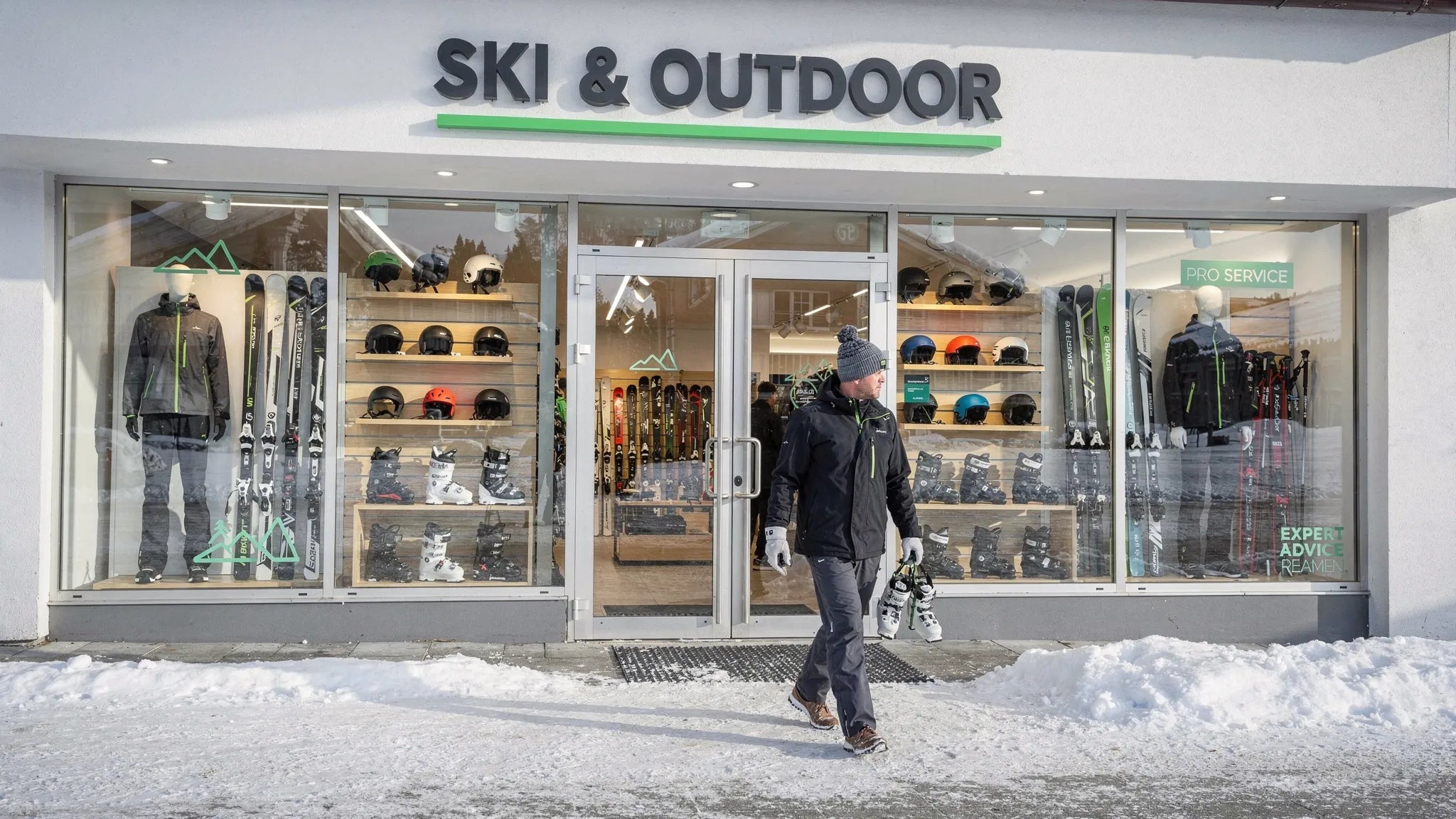
Online, always check product card, size, return conditions and delivery times. Fabbrica Ski Sises offers free shipping in Italy over 50€, fast delivery and return within 14 days, useful information especially when you are building a complete set and want to try it calmly at home.
Frequently asked questions
What is the first head to buy for a woman ski set?Start from the layer base and a good pant or complete outside. The layer base determines comfort and moisture management, while jacket and pants protect from snow and wind.
Better overall or complete two pieces?The complete two pieces is more versatile and practical for most skiers. The whole suit offers definite protection and aesthetic continuity, but it can be less comfortable in breaks and travel.
How many mid layer do you need for a white week?Usually two options are enough: an average for normal days and a warmer for intense cold or long breaks. If you sweat a lot, it brings at least one basic spare layer.
Should ski socks be very thick?No. Too thick stocking can compress the foot into the boot and reduce comfort and sensitivity. Better a specific technical stocking, with thickness consistent with the boot stocking.
How do I know if the jacket is the right size?Try it with base and mid layer. Lift your arms, fold, sit and simulate the use of sticks. If you pull on the shoulders or compress the bust, it is not the correct size or fit.
If I'm a beginner, do I have to buy everything immediately?No. It makes sense to buy personal clothing and essential accessories, while skis and boots can be rented until you have clear level, frequency of use and preferences.
Build the set with criterion
The best women's ski clothing is what works together: dry layers, adequate external protection, consistent accessories and checked fit in motion. If you want to compose a complete set, explore the collections of Fabbrica Ski Sises online or go to shop in Biella for advice on sizes, layering and seasonal services.
Ski Sises on Google
Choose Ski Sises as a preferred source: you'll see our guides and news more often in Top stories on Google.