













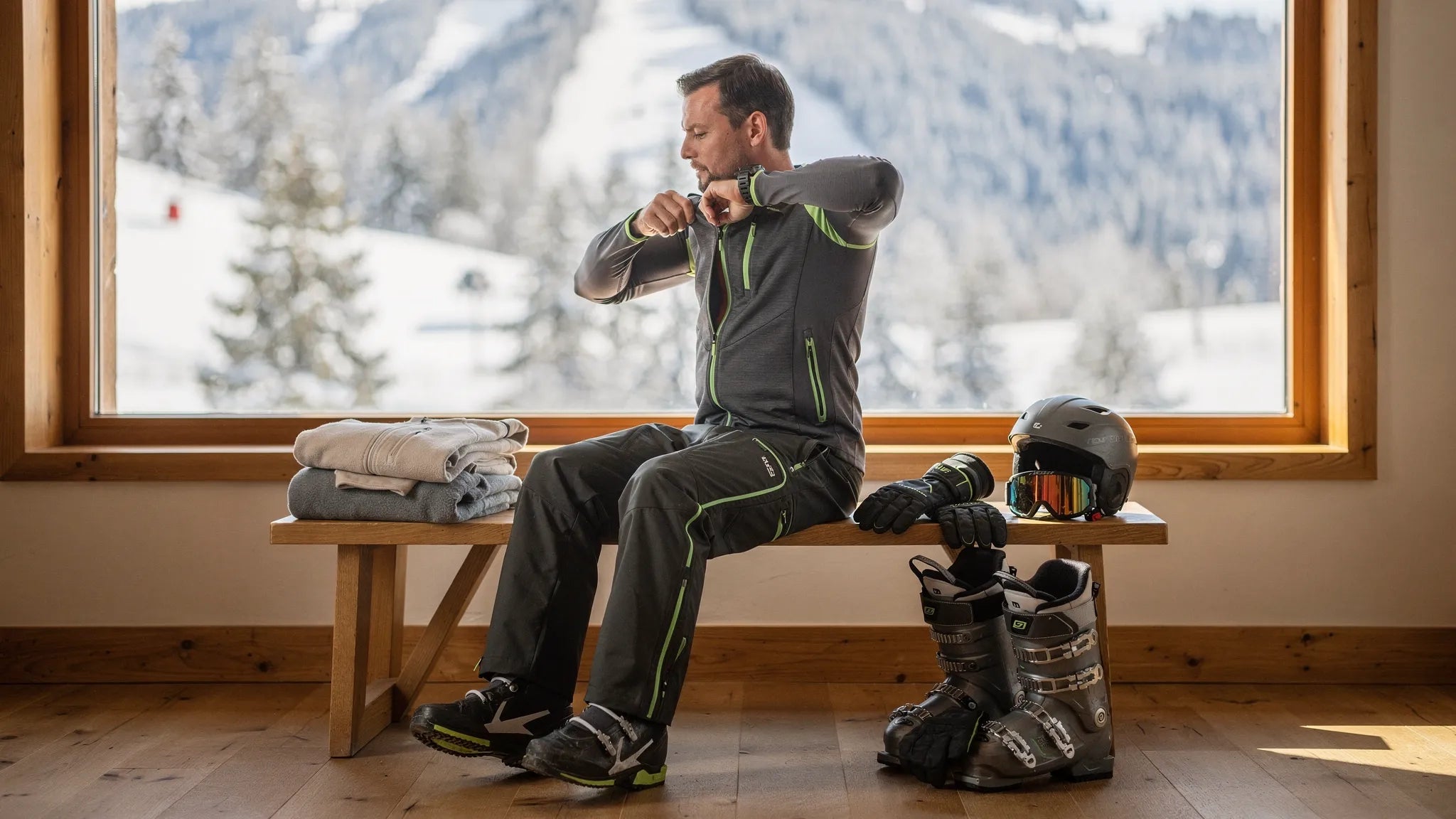
Skiing clothing: smart guide for beginners
Choose clothing to ski when you are beginners does not mean buying everything immediately. It means avoiding two very common mistakes: dressing too heavy and sweating, or underestimate wind, humidity and breaks in the chairlift. This guide is designed for those who are planning their first snow days, a white week or a family weekend. The goal is to build a simple, warm enough kit, comfortable in movements and purchased with criterion.
In summary
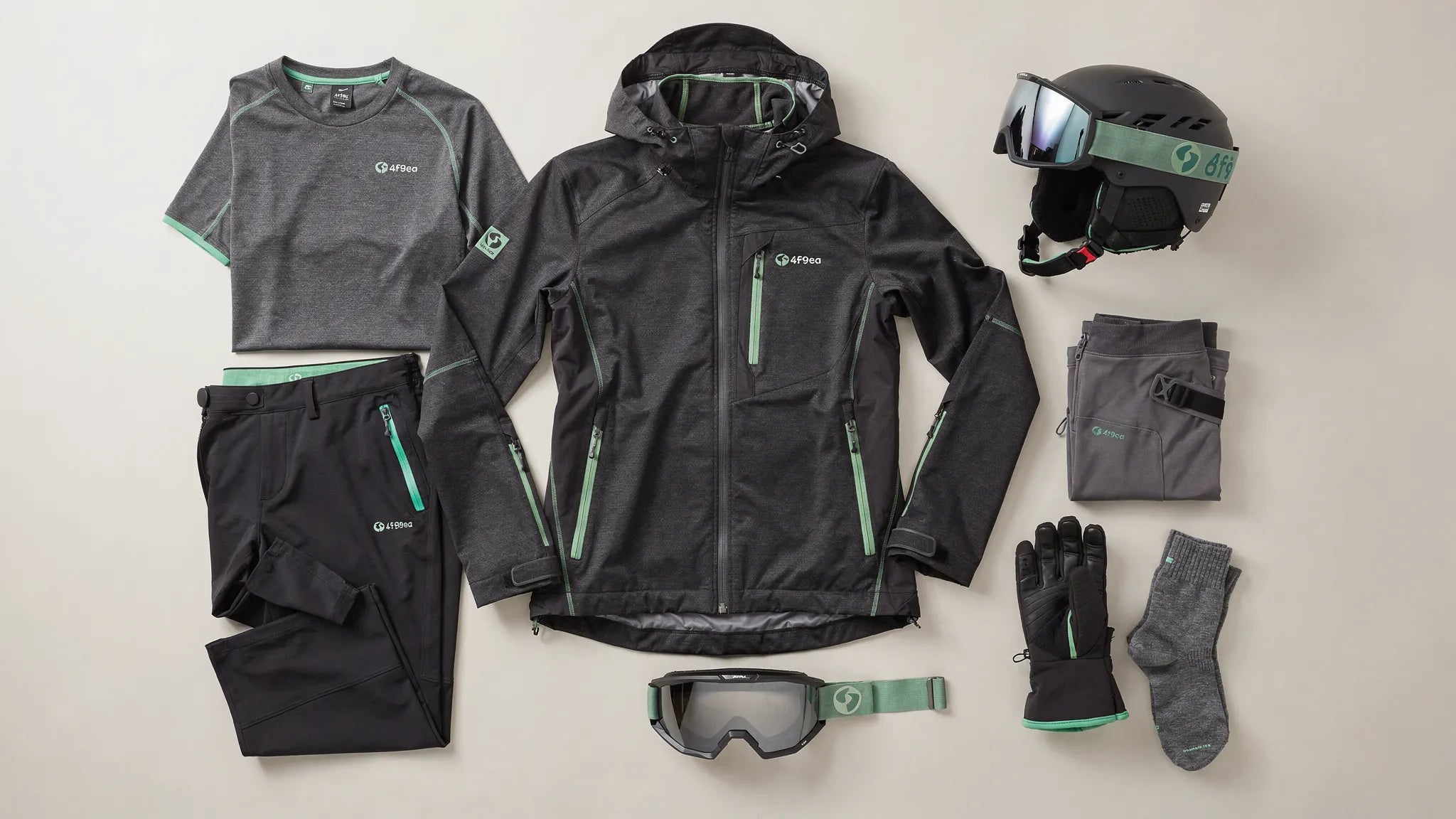
- The best ski clothing from beginner is based on three layers: breathable base, thermal mid layer, protective exterior.
- Avoid cotton, jeans, city coats and double stockings: they hold moisture or limit movement.
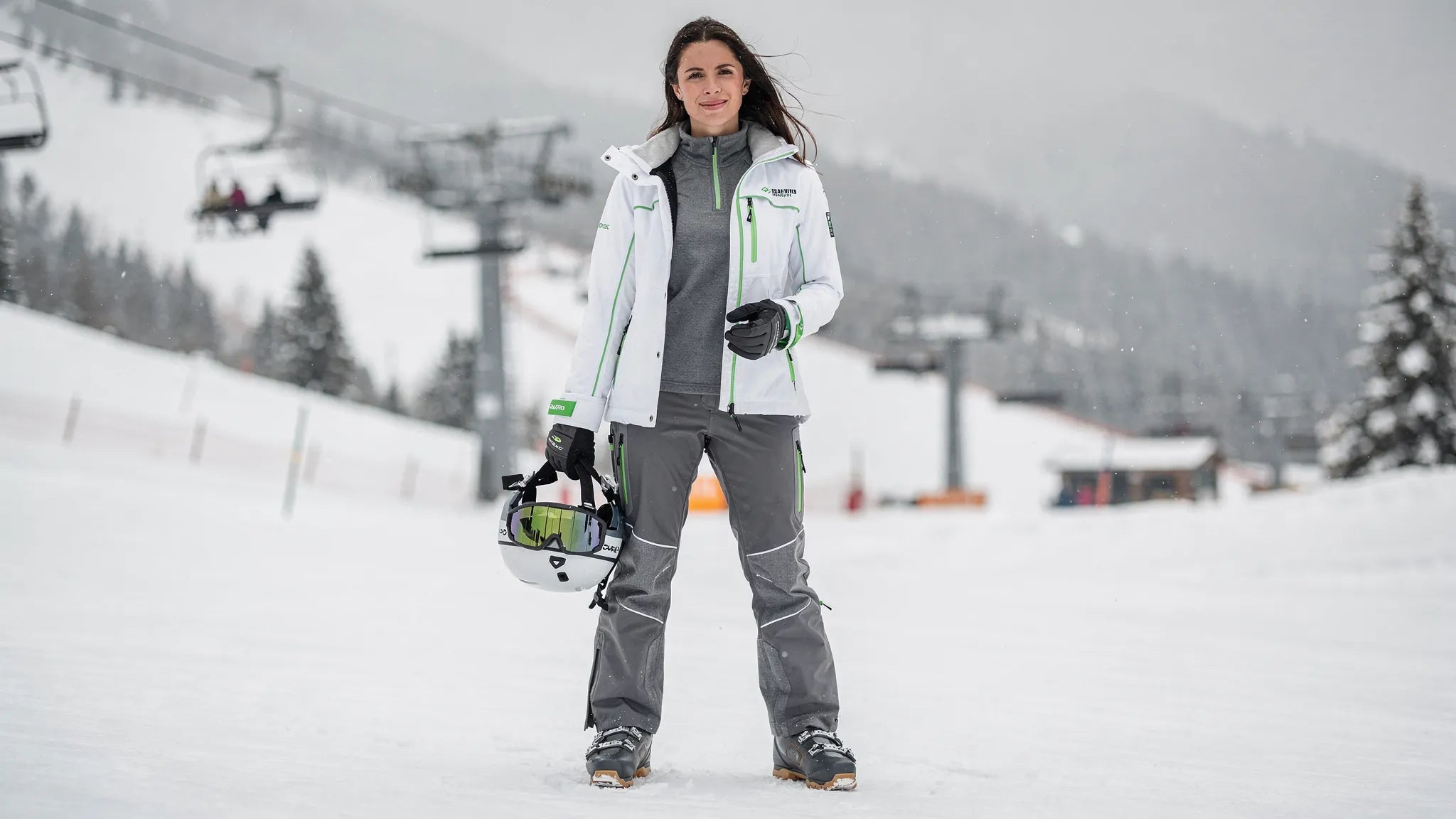
- From priority to jacket, pants, gloves, technical socks, helmet and mask.
- For the first exits, it makes sense to buy clothing and rent skis, boots and sticks.
- The fit must allow you to welcome, raised arms and fold to close the boots.
- If you are undecided between two sizes, always evaluate the space for an intermediate layer, not only the firm feeling.

The basic principle: dressing in layers, not “heavier”
The mountain alternates very different moments. In the end, you can get cold. During an easy descent you can sweat. In the chairlift the wind feels immediately. For this reason the correct logic is not to choose the warmest head, but to combine layers that work together.
The three-layer system is simple and remains the most practical reference for those who start.
| Road | Function | What to look for | To avoid |
|---|---|---|---|
| Base layer | Take away sweat from the skin | Technical fabrics or merino wool, fit close to the body | Cotton, wide shirts, daily t-shirts |
| Mid layer | Adds modulable heat | Apples, light padded, technical mesh | Heavy sweatshirts absorbing moisture |
| External layer | Protects from snow, wind and humidity | Ski jacket and trousers with good mobility | Urban coats, duvets not designed for snow |
The layer base is the most underrated item. If it remains wet, even the best jacket will seem insufficient. For a beginner, a long sleeve technical underwear and a technical tights are often more useful than a second sweater.
The mid layer should be easy to handle. A mild day requires a light layer. A cold or windy day may require a more insulating head. Those who tend to sweat should prefer breathable solutions, not excessively voluminous.
The outer layer must block snow and wind, but also leave freedom of movement. When you try a jacket, do not limit yourself to looking in the mirror: simulate the gesture of taking sticks, raise your arms and bend forward.
For those looking for a technical and light approach, the selectionDynafitis a good starting point to understand the logic of performance leaders and active layering.


Quick decision tree: what kit do you really need?
Before buying, define the scenario. The beginner often buys “for the snow” in general, but a day on the run with stable weather does not require the same set of a white week in January.
If you ski for one day
Choose essential items, easy to adjust. Base layer, light mid layer, ski jacket, ski pants, gloves, technical socks, helmet and mask are the core. For skis, boots and poles, consider ski and snowboard rental, especially if you're still learning if skiing is for you.
If you leave for a weekend
Add a second layer base and a second pair of technical socks. You don't need to duplicate jackets and pants. It is necessary to leave every morning with the layer in contact with dry skin.
If you do a white week
Top on more durable and modular garments. Two or three layer bases, two mid layer with different weights, a reliable exterior and well chosen accessories make the week more comfortable. In this case it is worth investing on pants and jacket with good fit.
If you ski with children
It needs practicality. Hot gloves, neck warmer, affordable pockets and easy to remove or open garments make the difference. Children make many breaks, often fall and get wet more easily. Also for adult companions, a kit too technical but not comfortable can become uncomfortable.
If you want to use bosses even off-piste or in the city
Choose clean lines and versatile items, but do not replace ski protection with casual clothing. For travel, after-ski and daily use, collections such asLanapocan complete the wardrobe without overlapping to the technical track kit.


The indispensable leaders to start
A beginner kit should not be huge. It must be consistent. Better few just pieces that many garments are not compatible with each other.
Base layer: the first smart investment
The layer base should be worn directly on the skin. It must adhere without compressing. If it is too wide, it does not manage moisture well. If it is too tight, it limits the movements and becomes annoying after a few hours.
To get started, choose a long sleeve top and a thin thermal pants. Do not add cotton leggings or trousers of the suit under the ski pants: create volume, hold sweat and can annoy inside the boot.
Mid layer: modular heat
The mid layer is the layer that you can change according to the weather. A technical fleece is often the easiest choice. A light padded can be useful for those who suffer a lot of cold, as long as they do not block too much breath.
The rule is clear: if after five minutes walk to the plants you are already too hot, you are probably dressed too heavy.
Ski jacket: protection and mobility
The jacket must protect from wind and snow, but it must not turn into a battleship. Check that the hood, if present, is practical, that the pockets are reachable with gloves and that the length covers well the lumbar area.
For a beginner on the track, an isolated jacket can be more immediate. A separate layering shell is more modular, but requires a little more attention in choosing the layers below.
Ski pants: more important than it looks
The trousers must allow the suit, protect from snow when you fall and fit well with the boot. The inner gaiter is a useful detail, because it limits snow input. The bottom leg must descend correctly over the boot without pulling.
Do not use jeans, cargo pants or generic waterproof pants. On the track, the combination of falls, wet snow and wind immediately highlights the limits of a non-technical garment.
Gloves, socks, helmet and mask
Cold hands and feet spoil the day faster than a perfect jacket. Ski socks must be technical, high and not too thick. Two pairs of socks together do not warm better: they reduce space in the boot and can worsen circulation.
Gloves must be skis, not town. The mask helps against wind, light and snow. The helmet is not an aesthetic accessory: it must fit stable and work well with the mask.
How to choose the level of protection without losing in numbers
The product cards can bring waterproof values, breathability, membranes, water repellent treatments and different constructions. It is useful information, but for a beginner the main question remains: where and how much will you ski?
| Scenario | Priority | Sense choice |
|---|---|---|
| First exits with stable weather | Comfort, moderate heat, ease | Ski jacket and trousers versatile, not extreme |
| Weekend in full winter | Wind and snow protection, insulation | More structured, mid layer adjustable |
| White Week | Duration, drying, spare parts | Complete kit with multiple layer base and reliable accessories |
| Variable weather or wet snow | Water resistance and construction | Heads with good external protection and well finished details |
| Beginner who sweats very | Breathing and ventilation | Lighter layering, openings and mid layer not too hot |
Do not choose only according to the highest value. A very protective but not breathable head can be uncomfortable if you move a lot or if you learn on mild days. Similarly, a very light head can be insufficient if you spend a lot of time still or if you ski in the middle of winter.
If you have doubts about the equipment, the Sport Service service can be useful for orienting you between rental, maintenance and material preparation before departure.
Fit and size: tests to do before holding the head
The ski fit is different from the urban one. A boss may seem right to stop and become limiting as soon as you move. Always try it with at least one layer below.
Make these controls simple:
- Lift your arms as if you hold your sticks: the jacket should not go too far.
- Make a loose suit: trousers and layer base should not pull on your knees.
- Simulate the gesture of closing the boot: back, shoulders and life must remain free.
- Wear gloves with the sleeve of the jacket: the wrist must remain protected.
- Try the mask with the helmet: there is no need to remain annoying spaces on the front.
If you are between two sizes, do not automatically choose the smaller one. In the ski it serves functional space for the intermediate layer and for the movements. At the same time, too large a garment can bring in cold air and create uncomfortable folds.
For online purchase, compare the measurements with a technical or sports leader that you already use well. Measure chest, waist, hips, inner leg and sleeve length. Don't just rely on the usual city size.
Common errors of beginners
The first mistake is to dress in cotton. Cotton absorbs moisture and remains wet. In the mountains this means cooling as soon as you stop.
The second mistake is to think that “more often” is equivalent to “hotter”. A boot too full due to double socks can make your foot colder. Too padded jacket can make you sweat and then cool.
The third mistake is to buy everything before skiing at least once. If you are at the very first experience, buy essential clothing and rent technical equipment. After a few exits you will know better if you prefer to ski on the track, improve with lessons or switch to more frequent exits.
The fourth mistake is to forget the after-ski. After a day on the track serve comfortable shoes, dry garments and a clean layer. For travel and light walks, selectionFlower Mountaincan be useful to complete a mountain wardrobe that is not limited to hours on skis.


Suggested options
This selection is not a list of individual mandatory products. It is a buying structure: start from here and adapt the weather kit, duration of travel and your sensitivity to the cold.
| Option | Ideal for | Key Features | To match with |
|---|---|---|---|
| Full Technical Layer Base | First day and week white | In contact with the skin, breathable, fit close to the body | Technical socks and light mid layer |
| Mid layer fleece or technical light | Who wants modulable heat | Easy to remove, good balance between heat and breathability | Ski jacket not too heavy |
| Versatile ski jacket | Beginners on track | Wind and snow protection, practical pockets, freedom of movement | Base layer and mid layer based on weather |
| Ski pants with gaiter | Who often falls or skis in soft snow | Protection on the bottom leg, mobility, compatibility with boot | Slim technical shoe |
| Ski gloves well isolated | Who suffers cold in hands | Protected wrist, stable grip, comfortable interior | Neck strap and jacket with adjustable sleeves |
| Technical ski socks | All Beginners | Correct height, controlled thickness, less folds in the boot | Shoe tried with the same stocking |
| Compatible helmet and mask | First lessons and crowded slopes | Stability, comfort, wind and light protection | Slim shoulder strap and jacket with comfortable neck |
| Dry change for after-ski | Weekends and families | Comfort after the track, moisture management | Clean sweater, comfortable shoes, hot layer |
For a better kit outside the track, you can integrate technical garments with travel and everyday pieces. A selectionBiella Fabricscan help you build a cleaner casual part, useful for travel, hotel and return to the city.


What to buy now and what to postpone
If it is your first season, buy first what touches comfort and daily safety. Base layers, socks, gloves and neck warmers are personal and affect the experience. Jacket and trousers can last several seasons if chosen with correct fit.
You can instead postpone very specialized garments, such as advanced shells for extreme conditions or layering designed for freeride and ski mountaineering. They are great when they serve, but they are not always the most rational choice to learn on the track.
For hard equipment, skis and boots deserve a separate speech. The boot is technical and very personal. Before buying it, it is useful to understand frequency of use, level and type of ski. In the first exits, well regulated rental is often the most balanced solution.
Frequently asked questions
What is the minimum clothing to ski the first time?Technical layer base, mid layer, ski jacket, ski pants, technical socks, gloves, neck warmer, helmet and mask. Skiing, boots and sticks can be rented.
Can I ski with a normal down jacket?It is not recommended if it is not thought for snow and movement. An urban duvet can get wet, limit mobility or not protect well from the chairlift.
Better whole suit or jacket and separate pants?For a beginner, jacket and separate trousers are often more practical. They are easy to manage, more versatile and easy to use even during breaks and trips.
How many socks do I have to wear in ski boots?Just a couple of ski socks. Two pairs create pressure, folds and lower circulation, with the risk of having feet colder.
Do I have to buy very technical garments now?Not necessarily. If you ski on track a few times a year, bet on versatile and well-built items. The very specialized leaders become useful when increasing frequency, rhythm or difficult conditions.
How do I know if the jacket is the right size?Try it with base and mid layer. Lift your arms, bend forward and simulate the use of sticks. It must protect without pulling and without creating excessive volume.
What do I bring in my backpack for a day on skis?A pair of gloves or reserve subgloves, sun cream, snacks, water, a dry layer base if you sweat a lot and documents. Keep the backpack light and stable.
Building the first ski kit is a matter of order, not quantity. Start from the right layers, choose garments that move well and invest where comfort really counts. To begin with criterion, explore the technical and lifestyle collections of Fabbrica Ski Sises online or go to shop in Biella for a tip on fit, rental and preparation for your first day on snow.
Ski Sises on Google
Choose Ski Sises as a preferred source: you'll see our guides and news more often in Top stories on Google.