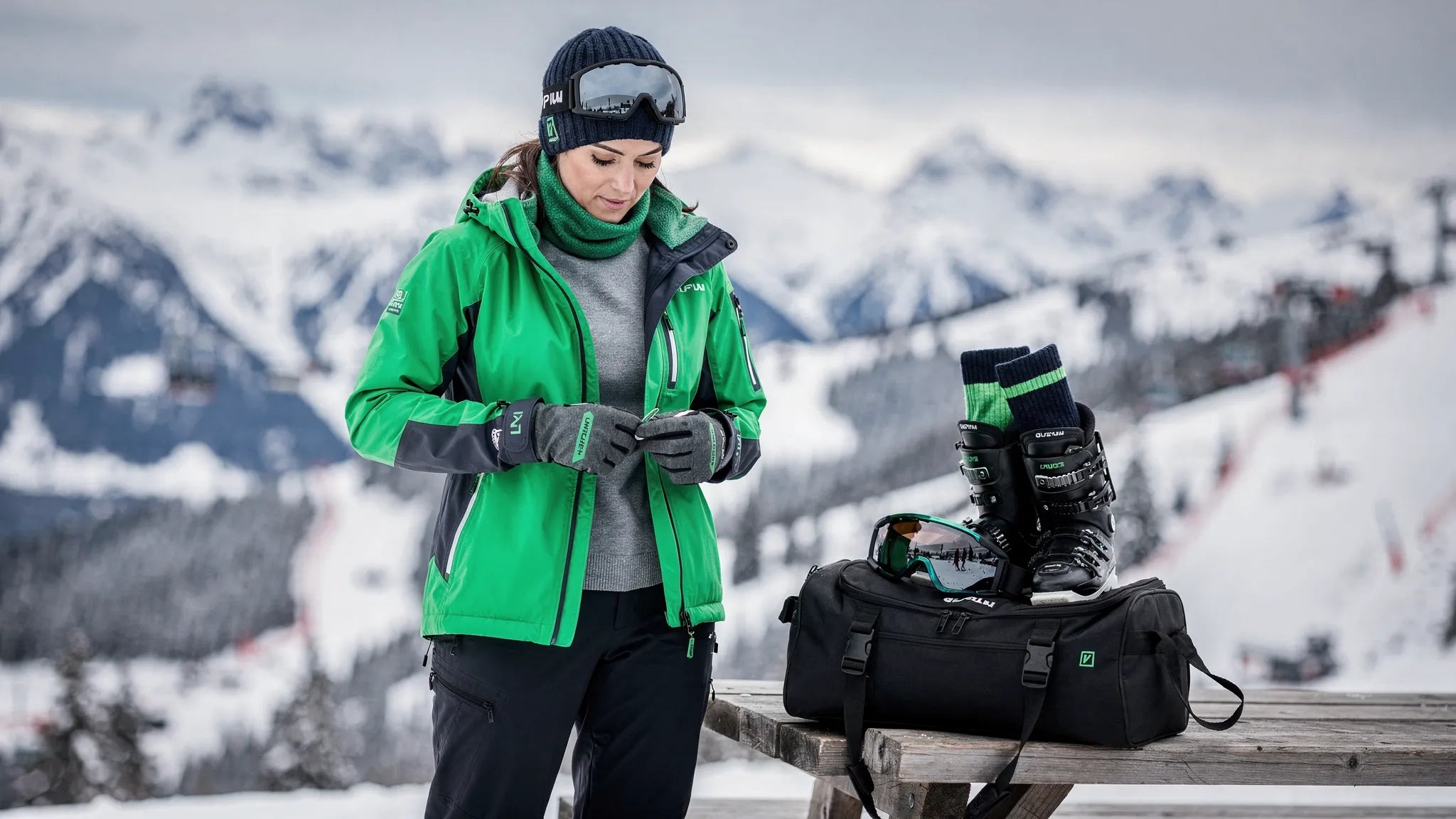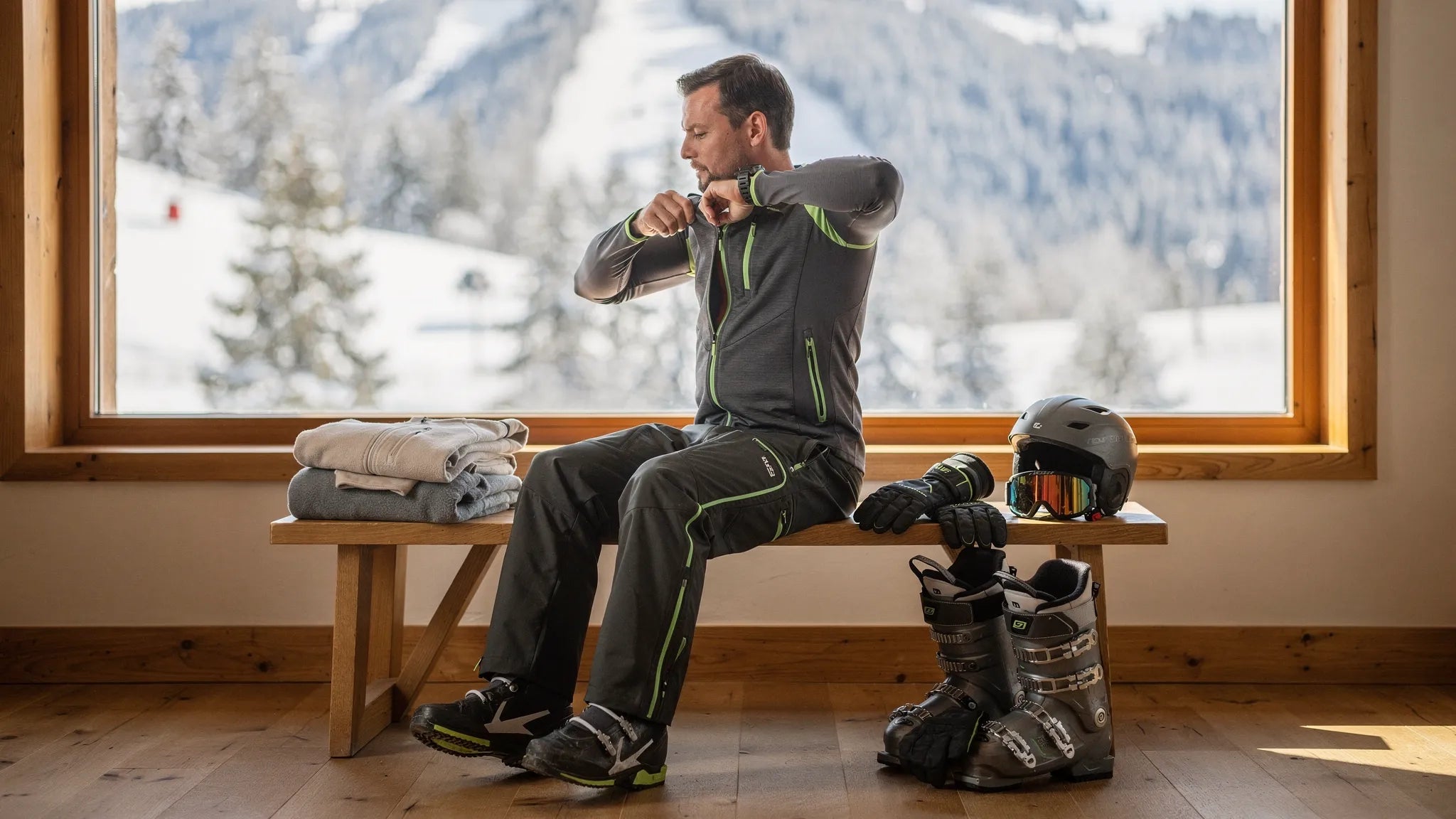
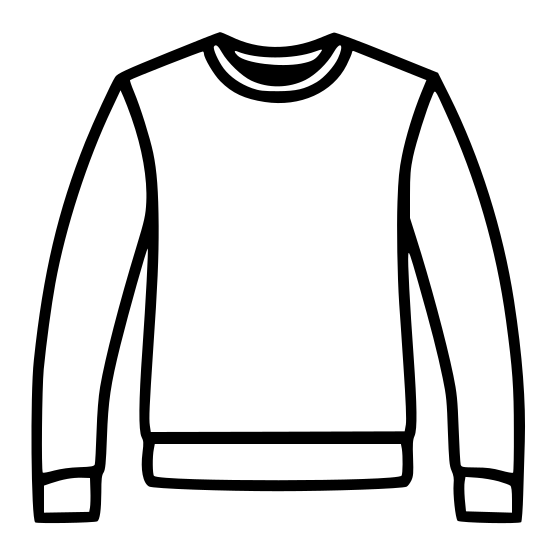

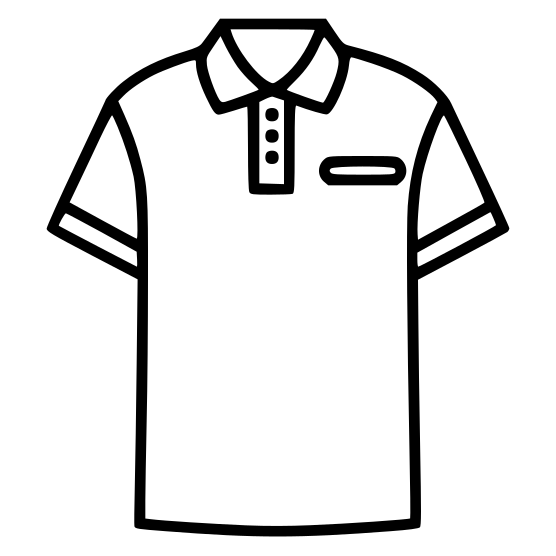
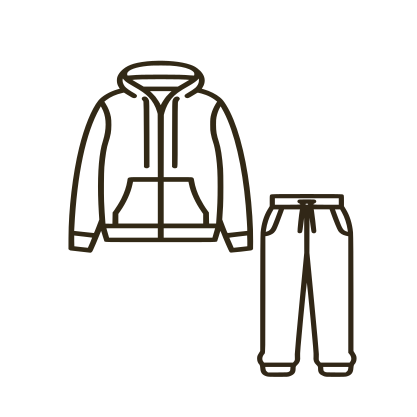
















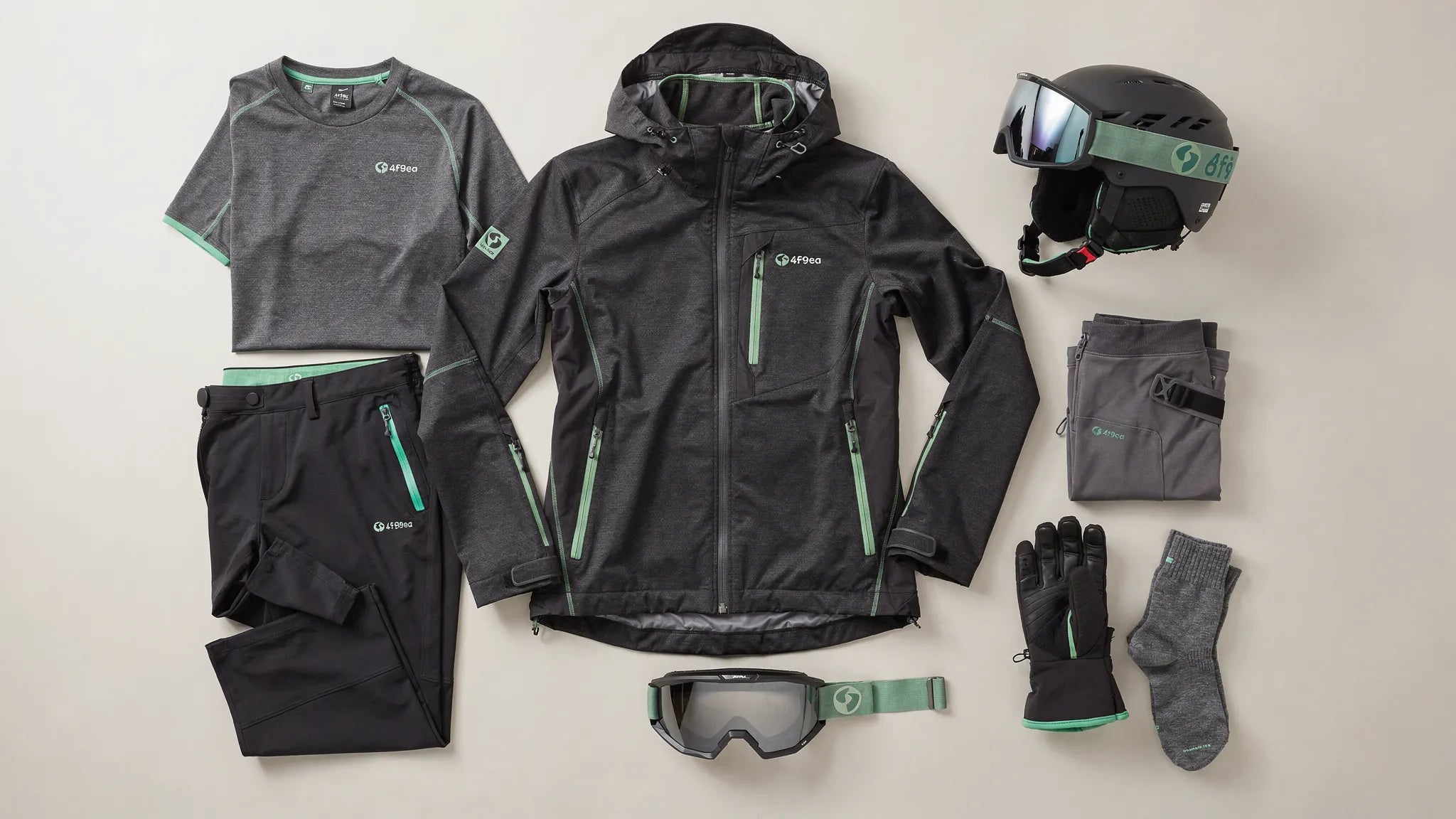
Men's ski clothing: consistent set in 5 step
A good ski set is not born from the single “very hot” head. Born from a system. The contact layer with the skin manages moisture, the mid layer regulates heat, the outside protects from wind and snow, the accessories close the weak points. This guide is designed for those looking for men's ski clothing with a simple criterion: to buy compatible pieces, suitable for their own way of skiing and easy to use for more seasons.
In summary
- Start from the real scenario: quiet track, sports skiing, weekends, travel or very cold days.
- Build the set in 5 step: layer base, mid layer, jacket and pants, accessories, full test.
- Do not choose each head in isolation: fit, lengths, pockets, ventilations and layers must work together.
- If you are beginner or ski a few days a year, invest first in personal items and evaluate theski rental in Biellafor equipment.
- To buy online, measure a garment you already use and verify freedom of movement with all layers worn.

Before buying: define your real scenario
The consistent set starts before product selection. Two men can have the same size and ski in the same location, but have opposite needs. One suffers the cold in the chairlift, the other sweat just increases the rhythm. One stays on track all day, the other alternates skiing, travel and après-ski.
This is why men's ski clothing should be chosen starting from three questions: how much you move, how sensitive you are to the cold and how much you want to use the garments even outside the snow.
| Scenario | Priority | Set more sensible |
|---|---|---|
| Pista resort, quiet rhythm | Stable heat and comfort | Technical layer base, warm mid layer, protective jacket, comfortable trousers |
| Sports skiing on track | Breathing and mobility | Base layer dry, mid layer light, external with practical ventilation |
| Weekend or white week | Versatility and little bulk | Modular layers, reliable accessories, garments that can also be used on the road |
| Cold days with many laughter | Insulation and protection from the points discovered | Hottest mid layer, adequate gloves, neck and technical socks |
| Freeride or light ski touring | Heat management and freedom | Rubber or technical exterior, adjustable layers, fit compatible with backpack |
If you ski often, a well-built personal set makes sense. If you are recovering after years or you have to arrange a single exit, it can be smarter to buy personal clothing and rent skis or snowboards. In store, thesports servicealso helps with maintenance, adjustments and equipment control.
The 5 Steps for a consistent men's ski set
Step 1: Choose the layer base based on sweat and temperature
The layer base is the least visible head and often the most important. His work is not “heating” in a generic way, but keeping the skin dry. A wrong technical underwear can make you feel cold even under an important jacket.
For most skiers, a tight but not compressed technical mesh is the starting point. If you ski with intense rhythm, you prefer a garment that dries quickly. If you are more static or sensitive to cold, evaluate a more thermal weight.
Avoid cotton in contact with the skin. It keeps moisture, cools during breaks and makes the whole system less effective.
Step 2: Insert a mid layer that you can adjust
The mid layer is the thermostat of the set. It can be a fleece, a light insulating jacket or an intermediate technical garment. The choice depends on your rhythm and the usual climate.
A mid layer too often limits the arms, creates volume under the jacket and makes it difficult to manage heat. One too light works well for active skiers, but it can be insufficient for those who spend a lot of time still or in the lift.
The practical criterion is simple: the mid layer must close without tension, let the shoulders move and not compress the layer base. If you want clean and usable intermediate items outside the track, you can watch a technical lifestyle selection such as theLanapo collection, to be evaluated especially for travel, après-ski and light stratification.


Step 3: aligns jacket and pants as one exterior
Jacket and trousers should not be selected separately. They must create a consistent shell against snow, wind and humidity. If the jacket is very protective but the pants has a weak construction, the set loses balance. If the trousers are technical but the jacket does not breathe, you will have difficulty managing the heat.
It mainly controls three aspects: coverage, mobility and compatibility. The jacket must cover well when you bend, the pants must work with the boot, the pockets must remain accessible also with gloves and backpack.
For dynamic activities and performance-oriented garments, theDynafit selectionis a useful reference to consider, especially if you are looking for a lighter, modular and technical set.


Step 4: Close the system with consistent accessories
Accessories are not an aesthetic addition. They are what prevents the cold from entering the most exposed points: hands, neck, feet and head.
A complete men's ski set should include technical ski socks, gloves or muffol suitable for cold, neck warmer, helmet and mask. The stockings deserve attention: too thick can worsen the boot stocking and reduce circulation. Better a specific, stable and tight fit.
The mask must work with the helmet without leaving spaces uncovered. The glove must allow to adjust zip and buckles without having to remove it continuously.
Step 5: Try it all together, not boss for boss
Full proof is the passage that avoids most errors. A trousers may look perfect standing, but pulling on your knees when you bend. A jacket can fit well with a t-shirt, but become tight with layer and mid layer base.
Wear the set as you will really use it: technical underwear, mid layer, jacket, pants, socks, gloves and, if possible, boots or similar footwear in the volume. Just so you know if the system is consistent.
A successful set must not be rigid. It has to leave room for movement, but without excesses that create bulk, heat dispersion and discomfort under the shoulder straps of the backpack.
Decision tree: which configuration to choose
If you have doubts among several leaders, use a progressive logic. Do not start from the brand or price, start from the behavior on the track.
- If you are often cold in the chairlift, choose a warmer mid layer and a protective jacket, without exaggerating with the layer base.
- If you sweat easily, it favors lighter layers and ventilations that can also be used with gloves.
- If you ski a week a year, look for versatile items, easy to match and not too specialized.
- If you do dynamic outputs, evaluate a more modular exterior and a mid layer that you can remove or add quickly.
- If you buy for a gift, choose a balanced configuration and always check change, return and measures of the reference head.
For those who travel a lot, the consistency of the set also includes what happens before and after the track. Too technical head can be excellent on snow but not practical by train, car or city. In this case it makes sense to complete the wardrobe with durable and clean pieces, as some proposals ofFilson collection, more travel oriented, free time and daily use.


Fit and Size: Quick Trial Reducing Errors
In the ski fit, “comodo” does not mean abundant. It means free in the right movements. The jacket must leave room for layering without lifting too much when you raise your arms. The pants must accompany bends and rotations without pulling on knee, horse or life.
Before buying online, measure a similar garment that already suits you. Compare shoulders, chest, waist, sleeve length and leg length with product table, if available. If you're between two sizes, consider how layering you will really use.
Test checklist:
- Lift your arms as if you fix helmet or mask: the jacket should not pull on your shoulders.
- Rotate the envelope: the layers should not block each other.
- Make a half squat: the trousers must follow the movement without coming to life.
- Simulate the fastening of the boot: bottom leg and knee must remain comfortable.
- Wear gloves and proof zip, pockets and adjustments: everything must be accessible.
If the set passes these tests, it is more likely to work for a whole day, not only for a quick test in front of the mirror.
Our recommended options
1. Set track resort balanced
Ideal for:skiers who spend the day on the track, alternating descents and breaks.
Key Features:technical layer base, mid layer, protective jacket, trousers with good comfort in movement. It is the easiest configuration for those who want a reliable set without too many variables.
To match with:warm gloves, technical ski socks, neck warmer and mask compatible with helmet.
2. Modular set for active skiers
Ideal for:who skis with sustained rhythm, sweat easily or meets variable weather.
Key Features:lighter layers, technical exterior, accessible ventilation and mid layer easy to remove. The priority is to adjust the heat without stopping too long.
To match with:non-excessively padded gloves, compact backpack and easy to store accessories.
3. Hot set for cold sufferers
Ideal for:rigid days, many laughter, little dynamic or cold-sensitive skiers.
Key Features:base layer dry, mid layer more insulation, jacket with good protection and warmer accessories. The point is to increase the heat without compressing the layers too much.
To match with:very protective moths or gloves, adequate technical fit and well covered neck.
4. Set travel per week white
Ideal for:those who travel light and want useful items also outside the track.
Key Features:few well-chosen layers, mid layer usable in hotel or travel, jacket and trousers easy to combine with the rest of the wardrobe. Here counts the relationship between function and versatility.
To match with:a sturdy bag, leisure footwear and technical casual garments. For an essential setting you can also evaluate theBiella Fabrics collectionfor selected pieces to be integrated off the track.


5. Set freeride or light touring
Ideal for:experienced skiers looking for greater freedom and heat management.
Key Features:more technical exterior, modular layering, attention to breathability, mobility and compatibility with backpack. It is not the hottest set in absolute, but the most adjustable set.
To match with:reserve gloves, compact accessories and layers easy to manage during breaks.
6. Well-built beginner set
Ideal for:who starts, resumes after years or has to prepare a weekend on the snow without buying too much.
Key Features:correct personal items, comfortable fit, good protection and reliable accessories. Better avoid extreme products and choose a simple system to use.
To match with:ski or snowboard rental, helmet if not already available and full test before departure.
Errors to avoid when building the set
The first mistake is to buy the heaviest boss thinking it solves everything. The heat must be adjustable. In the mountains there are static moments, descents, tails, wind and breaks in the closed. An excessive layer can become as uncomfortable as one insufficient.
The second mistake is to ignore trousers and socks. Many focus on the budget on the jacket, but a day of skiing is also played on legs, feet and hands. If the trousers restrict movement or stocking worsens the boot, the set loses quality.
The third mistake is to try the garments incompletely. A choice jacket without mid layer, or a tried trousers without simulating the position on the skis, may seem correct but fail in real use.
Frequently Asked Questions
What is the first garment to choose in a men's ski set?Start from the layer base, because it determines moisture management. Soon after you choose the mid layer based on cold and rhythm, then build the outside with compatible jacket and trousers.
Better padded jacket or technical shell?The padded jacket is ideal if you are looking for immediate heat and ski especially on the track. The technical shell is more modular and works well if you move a lot or want to adjust the layers accurately.
How many layers do you need to ski?In most cases three layers are sufficient: layer base, mid layer and external. Accessories complete the system. On very cold days you can increase the heat of the mid layer, not necessarily multiply the garments.
How do I choose the size if I buy online?Measure a similar garment that suits you and compare it to the product table. Always consider the space for the mid layer and verify the mobility of shoulders, bust and knees as soon as you receive the head.
Can I use trekking clothes to ski?Some intermediate layers can work, but ski jacket and trousers must offer protection and construction suitable for snow, wind, plants and boots. Consider case by case, especially for outside.
When should I rent instead of buy?For the equipment, the rental is sensible if you ski a few times, if you are beginner or if you want to try before buying. For personal clothing, on the other hand, it is often better to have their own, well chosen items and the correct size.
A coherent set should not be complex. It must be readable: a layer that dries, a heater, one that protects, accessories that close the system and a checked fit in movement. To build your men's ski clothing with criterion, explore the selected collections on Fabbrica Ski Sises or go to shop in Biella for a targeted advice. Online find free shipping in Italy over 50€, fast delivery and return within 14 days.
Ski Sises on Google
Choose Ski Sises as a preferred source: you'll see our guides and news more often in Top stories on Google.