















Women snowwear: essential kit
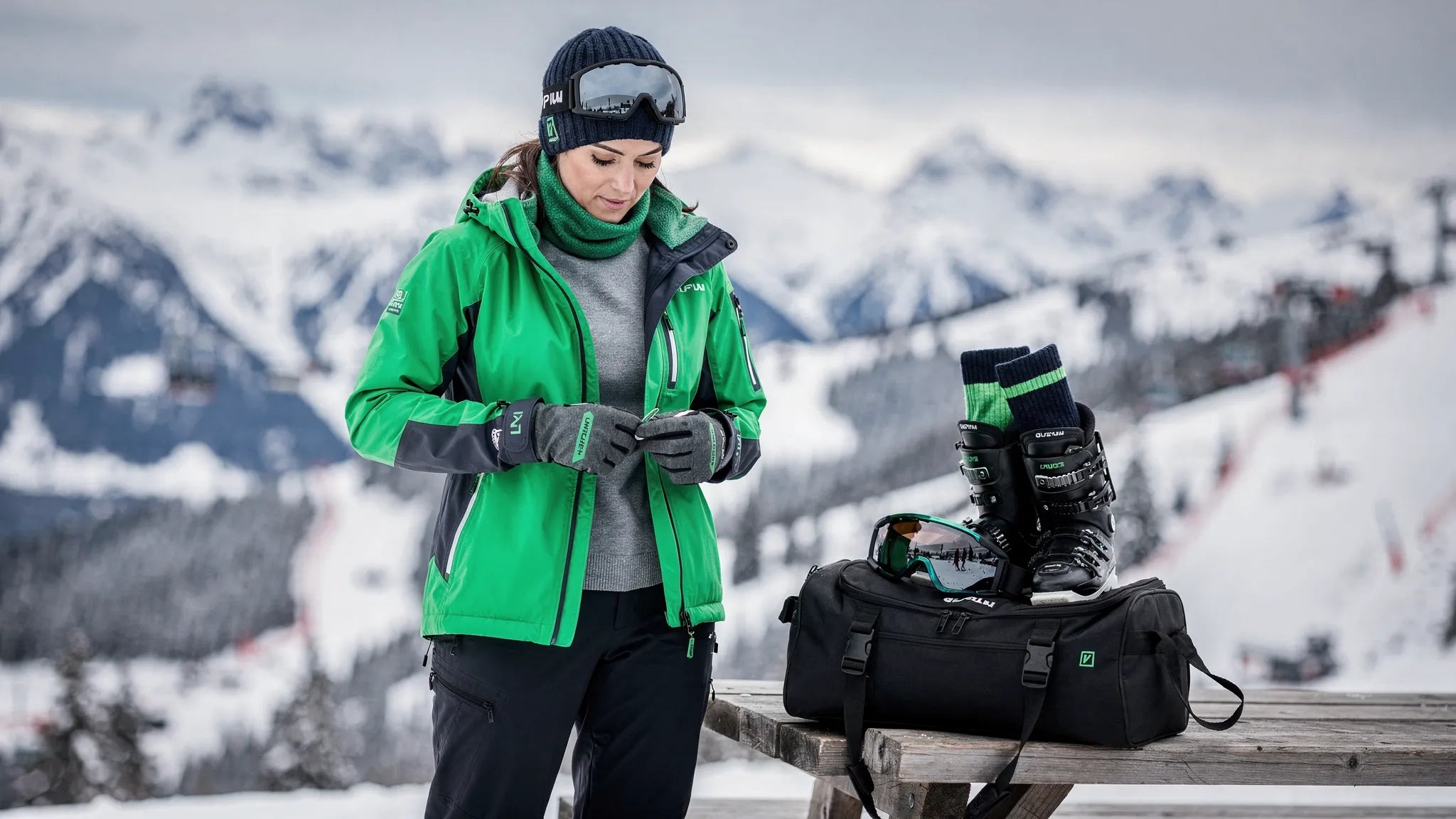
Choosing women snowwear does not mean buying the hottest garment ever. It means to build a kit consistent with the day: piste, snowboard, weekend in altitude, winter trip or first exits on the snow. The point is to stay dry, move well and be able to adjust the heat without carrying half a closet. This guide is designed for those who want an essential set, carefree and practical, with clear priorities and few wrong purchases.
In summary
- Start from the layers: breathable base, thermal mid layer, protective exterior. The heat adjusts by combining the garments, not choosing a single overhead.
- Choose based on real use: track and plants require more insulation, dynamic activities require more breathability.
- Do not underestimate fit and accessories: trousers, socks, gloves and neck warmer often decide the comfort more than the jacket.
- Buy less, but better: a modular kit works for skiing, weekends on snow, travel and after piste.

From where to start: scenery, weather and rhythm
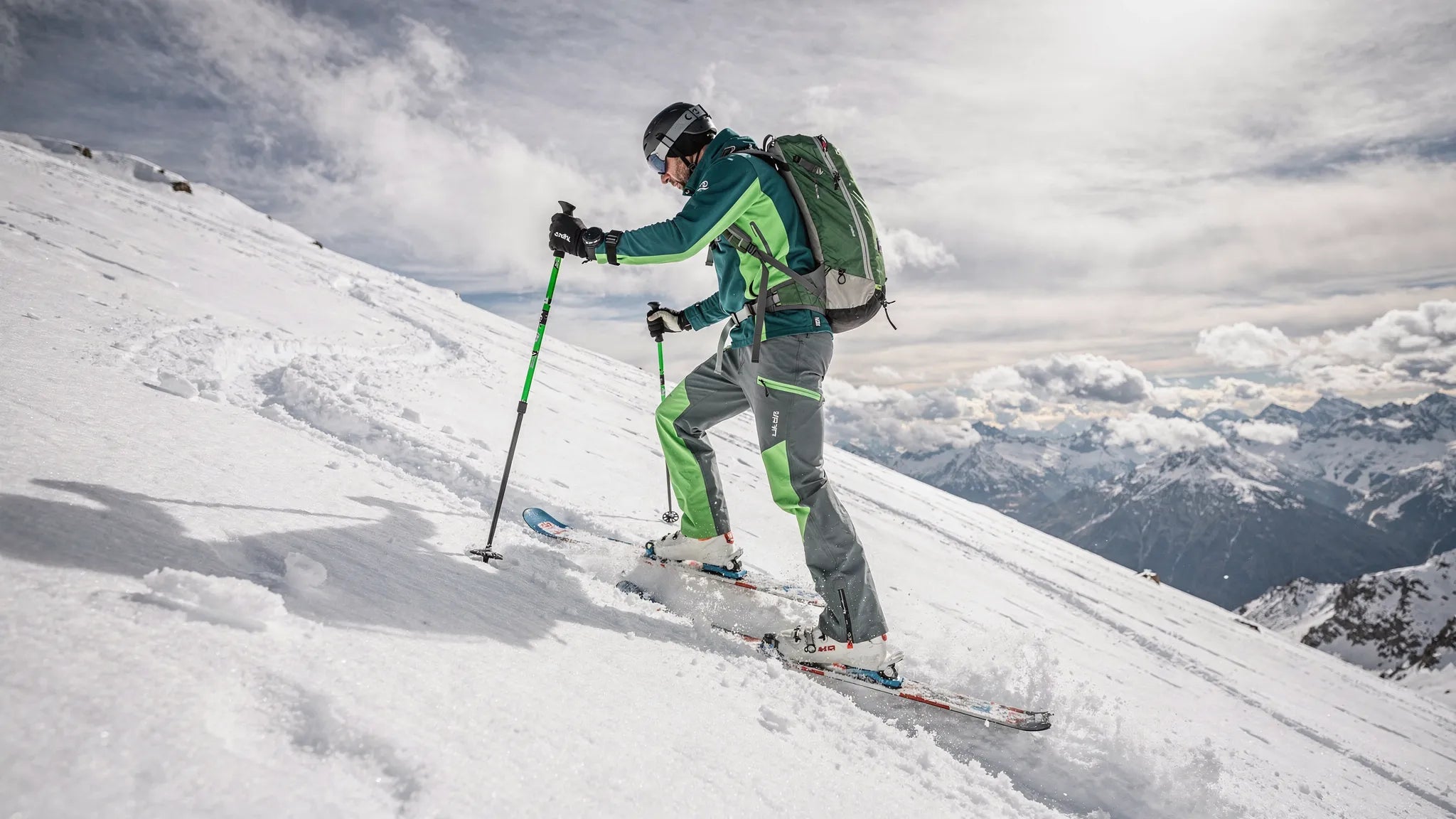
The first mistake is to choose women’s snowwear by thinking only of temperature. In the mountains also count wind, humidity, altitude, time spent on plants and intensity of movement. A skier who spends many hours in the chairlift has different needs from those who walk with snowshoes or salt with skins.
The essential kit must answer three questions: how much I sweat, how much I remain firm, how much protection I need from snow and wind. If the answers are clear, the choice becomes easier.
Quick decision tree
- Shoe on track and use plants: privileged jacket and protective pants, warm mid layer and well isolated accessories.
- Snowboard or long days in the snow: from priority to comfortable pants, waist protection, robust gloves and easy to adjust layers.
- I move a lot, between light ski touring or walk at altitude: choose more breathable garments, less voluminous mid layer and protective shell.
- I go on the snow for weekends, family or trip: tip on versatile items, easy to match even off-piste.
- I'm beginner: choose comfort, simplicity and heat margin. Better a balanced kit than a set too technical and difficult to manage.
| Scenario | Priority | Rational choice |
|---|---|---|
| Pista in resort | Warm, protection, comfort | Snow jacket and trousers with thermal mid layer |
| Snowboard | Mobility, snow contact protection | Comfortable trousers or bib, warm gloves, neck warmer |
| Dynamic activities | Breathing, lightness, sweat management | Technical layer base, light mid, shell |
| Snow Weekend | Versatility, simplicity, compact case | Modular layers and essential accessories |
| Winter trip | Use of snow more everyday use | Technical heads with clean lines and reusable layers |
The essential kit: what really needs
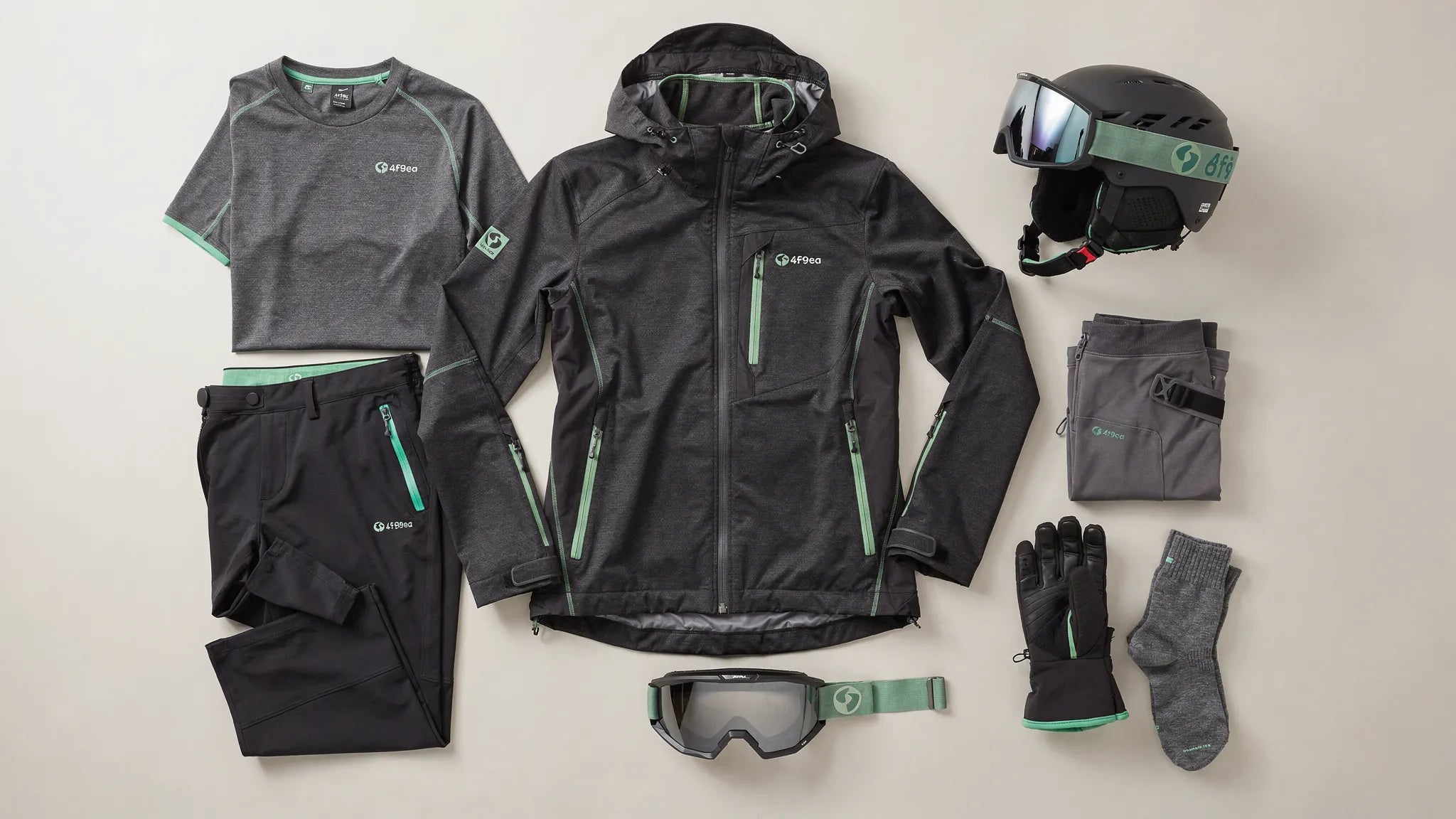
A snow kit works when each piece has a precise task. The layer base handles moisture, the mid layer retains heat, the outer layer protects, accessories close critical points. If one of these items is missing, even the most premium item loses effectiveness.
| Pe | Function | What to control | Error to avoid |
|---|---|---|---|
| Top layer base | Remove moisture from skin | Suitability, comfort on the seams | Use cotton in contact with skin |
| Bottom layer base | Keeps warmth under the trousers | Elasticity and absence of annoying thicknesses | Choose it too wide |
| Mid layer | Adjust the heat | Zip, mobility, volume compatible with the jacket | Buy too heavy a garment |
| Snow jacket | Protects from wind, snow and humidity | Hood, cuffs, zip, construction | Just look at the stuffing |
| Trousers or bib | Protects legs and life | Mobility, gaiters, bottom compatible with boots | Ignoring the evidence in the welcome |
| Technical calculations | They manage heat and pressure in the boot | Correct thickness, adherence, height | Wear two pairs of socks |
| Gloves or mittens | Protect hands and fingers | Heat, grip, cuff, ease of closure | Choose them only for aesthetics |
| Scaldacollo and undergrowth | Close the exposed points | Softness, breathability, drying | Use voluminous scarves on track |
Base layer: the first smart investment
The layer base is the closest to the skin and often the most underrated. It must adhere without compressing, quickly dry and stay comfortable under other layers. On a cold but active day, a good layer base avoids the feeling of wet coming after the first descents.
For the bottom, choose a technical leggings designed to stay under snow pants or bib. It must move with the body and not create folds within the boot.
Mid layer: the thermostat of the kit
The mid layer is the piece you can adjust more easily. If you're cold, raise it. If you sweat, you lighten it. A technical fleece, a structured thermal mesh or a light insulating layer are more versatile than a single very heavy garment.
For dynamic activities and days with difference in level, a technical selection asDynafitcan be a good starting point, especially if you are looking for mobility and moisture management.


External layer: protection before volume
The snow jacket should not only warm up. It must protect from wind, snow and humidity, allow to move and work well with the layers below. Check the hood, cuffs, neck, pockets and ease of opening zips with gloves.
If you ski mainly on the track and often feel cold on the implants, a jacket with insulation can be more comfortable. If you alter skis, walks and travel, a shell with modular mid layer offers more control.
Snow trousers: the leader who decides the day
The trousers must protect from snow and humidity, but above all must let you bend your legs, sit down, climb the stairs and fasten your boots. The choice between classic and bib pants depends on comfort and use. The bib offers more cover in life, the classic pants is often more immediate and easy to manage.
In both cases, always try the full movement. A comfortable standing trousers can become limiting to the first welcome.
How to choose layers based on the day
The best logic is to prepare two or three combinations, not just a fixed outfit. So you can adapt the kit to temperature, wind and rhythm without changing everything.
| Condition | Base | Mid | External |
|---|---|---|---|
| Cold dry on track | Thermal base | Mid hot | Protective jacket and insulating trousers |
| Wet snow | Technical base | Average average | Exterior with good moisture protection |
| Dynamic day | Breathable base | Light Mid | More ventilated outer shell |
| Weekend with reduced suitcase | Versatile base | Mid also used off track | Clean and functional exterior |
| First snow experience | Comfortable base | Mid simple | Easy to wear jacket and pants |
The principle is simple: don’t dress for the moment you get out of the car, dressed for the whole day. After ten minutes of movement, the body changes rhythm. After an hour on the plants, the cold can return. Modularity is used to manage these steps.
For after snow and travel, items with clean construction and daily use can complete the kit without creating doubles. Collections asLanapoare useful when you want to integrate layers and lifestyle garments in the winter wardrobe, not only in the ski bag.


Fit woman and size: the correct test
The fit of women snowwear must respect three areas: shoulders and chest for jacket, waist and hips for trousers or bib, length of sleeves and legs to avoid infiltration. Too tight a garment limits layering. A head too wide disperses heat and can hinder movement.
Before buying online, measure a technical garment that already suits you and compare it to the product table. Do not rely only on the usual size, because jackets, trousers and layers can have different constructions.
Quick test to do just try the kit
- High arm: the jacket should not discover too much the bust and the sleeves must remain comfortable.
- Complete welcome: the trousers should not pull on thighs, knees or life.
- Boot simulation: bend forward as to close the boots and control freedom of movement.
- Layering Real: Try the jacket with base and mid layer, not above a casual shirt.
- Pockets and zip: Make sure you can use them with gloves or cold hands.
If you are between two sizes, choose according to the outer layer. For layer and mid layer base, precision is needed. For jacket and trousers it serves controlled margin, enough to move and layer, not so much to create bulk.
Our recommended options
1. Full Technical Layer Base
Ideal for:all women who want to build an ordered snow kit, from the first weekend to regular exits.
Key Features:fit close to the body, fabrics that help manage sweat, comfortable seams and good elastic recovery. The upper and lower part must work together without creating thicknesses under jacket and trousers.
To match:technical socks, light mid layer and snow pants with good mobility.
2. Modular heat layer
Ideal for:those who alternate descents, pauses, plants and moments when the body changes temperature.
Key Features:controlled heat, practical zip, volume compatible with the jacket and freedom on the shoulders. A well-chosen mid layer allows you to use the same external in multiple conditions.
To match:protective shell for dynamic days or isolated jacket when the rhythm is quieter.
3. Protective snow jacket
Ideal for:skis on track, snowboard, snowy trips and days with wind.
Key Features:construction designed to protect, stable hood, adjustable cuffs, comfortable neck and easy to reach pockets. You do not need to choose the most padded model, you need the most consistent one with your rhythm.
To match:breathable layer base, mid layer appropriate to the day and trousers with gaiters.
4. Snow trousers or bib
Ideal for:who wants real comfort during descents, breaks, falls and transfers.
Key Features:freedom in bending, stable life, protection from contact with snow and bottom compatible with boots. The bib is ideal if you are looking for more cover on the bust, the classic pants if you prefer simplicity.
To match:bottom layer base, single technical fit and jacket with consistent length.
5. Essential thermal accessories
Ideal for:who suffers cold in hands, neck, head or feet, even with a good jacket.
Key Features:well isolated gloves or muffoles, soft neck warmer, thin undergrowth and snow stockings with thickness suitable for boots. Accessories must be technical but easy to manage, especially if the day is long.
To match:a layered kit already balanced. If you want to complete the wardrobe with versatile and material pieces for travel and daily, you can also exploreBiella Fabrics.


6. Layer and footwear for after snow and travel
Ideal for:who passes from the mountain to the city, travels often or wants to reduce the suitcase.
Key Features:prolonged comfort, robust construction and clean style. They do not replace the track equipment, but complete the kit when leaving boots and technical jacket.
To match:winter pants, technical or casual knitting, sneaker or travel footwear. For this part of the wardrobe, the selectionFlower Mountainit is useful if you look for travel footwear and after activity with outdoor footprint.


Errors to avoid and care of the kit
The essential kit only works if it remains dry, clean and in good condition. The first mistake is to use non-technical garments in contact with the skin. The second is overload the upper part and forget hands, feet and neck. The third is to wash technical garments as common clothing without reading the label.
Always follow the manufacturer's instructions. In general, it avoids softening on the technical garments when not indicated, close zip and velcri before washing, completely wipes the layers and restores the water repellency when the water no longer slides on the surface. Good maintenance stretches the head's life and improves the cost for use.
If you leave Biella or are planning a day on the snow without buying all the equipment immediately, consider theski and snowboard rental. For personal equipment to be checked before the season, theservice in storeis the reference for maintenance and preparation.
Frequently Asked Questions
What's the first boss to buy if I leave from scratch?Start from the technical layer base and the socks. They are the leaders closest to the body and immediately influence comfort, sweat and perception of the cold. Then he goes to pants and jacket.
Better overall or complete jacket and pants?The complete is more modular and simple to manage, especially for those who start or travel. The whole suit can offer greater protection continuity, but requires a more precise fit choice.
How many layers are needed for a day on the snow?As a rule three: layer base, mid layer and external layer. Under mild conditions or intense activity you can lighten the mid layer. On cold days on the track you can choose a warmer mid.
Should ski socks be very thick?Not necessarily. Too thick stocking can compress the foot into the boot and reduce comfort and sensitivity. Better a single technical stocking, with thickness consistent with the boot.
How do I choose the size online for women snowwear?Measure a similar garment that already suits you, compare chest, waist, hips, sleeve length and leg interior with the product table. Always consider the space for layering.
Can I use the same ski kit and weekend snow?Yes, if you choose modular garments. Base, mid layer, jacket and accessories can work in multiple contexts. They mainly change pants, footwear and level of protection required.
Building an effective snow kit requires method, not quantity. Start from the essential layers, check the fit with real movements and complete only what it takes to your scenario. If you want a technical and versatile setting, start from selectionDynafiton Fabbrica Ski Sises and compose the piece kit per piece. Free shipping in Italy from 50€ and made within 14 days help you choose more accurately.
Ski Sises on Google
Choose Ski Sises as a preferred source: you'll see our guides and news more often in Top stories on Google.