

















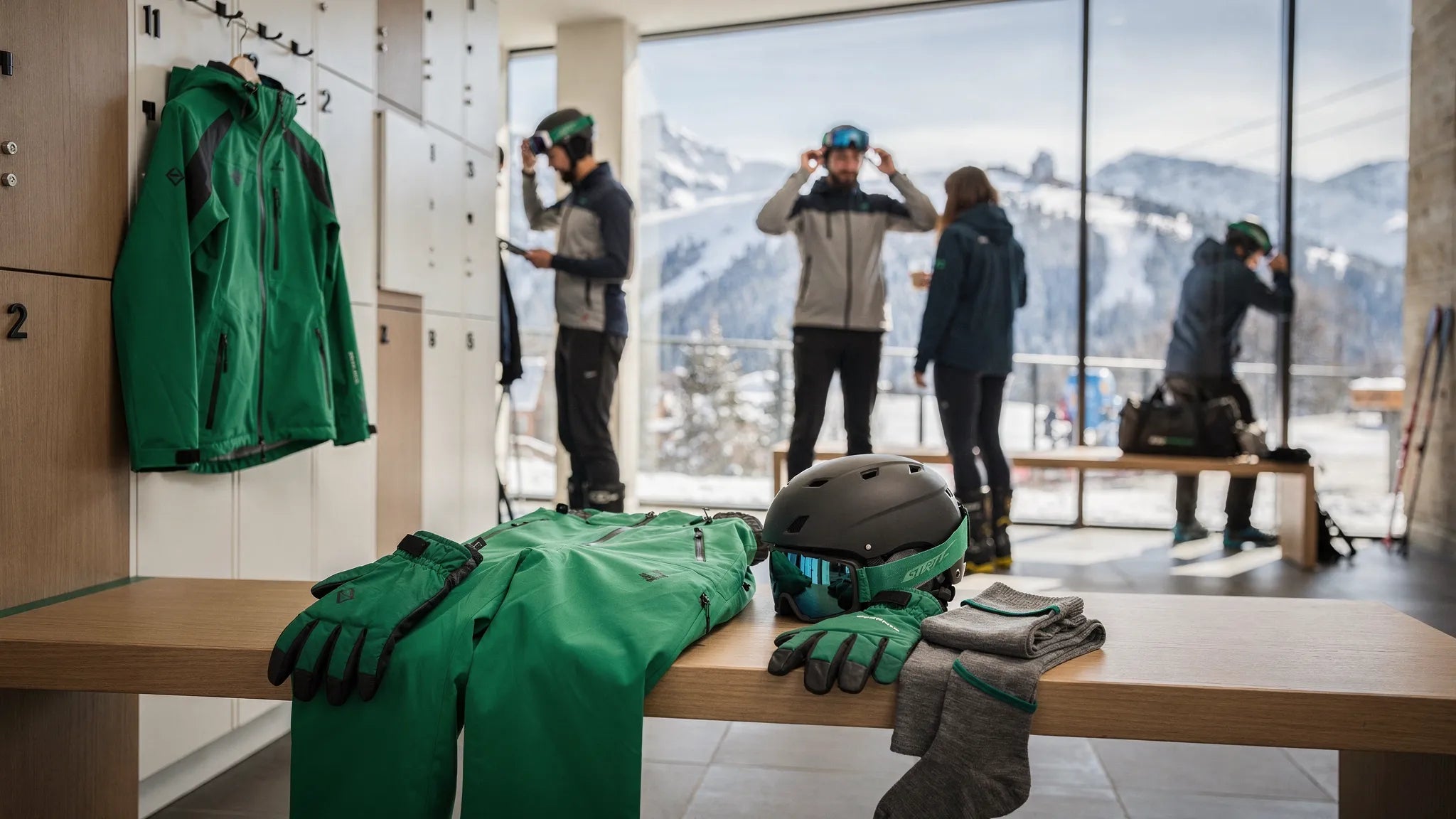
Snowwear: what really needs
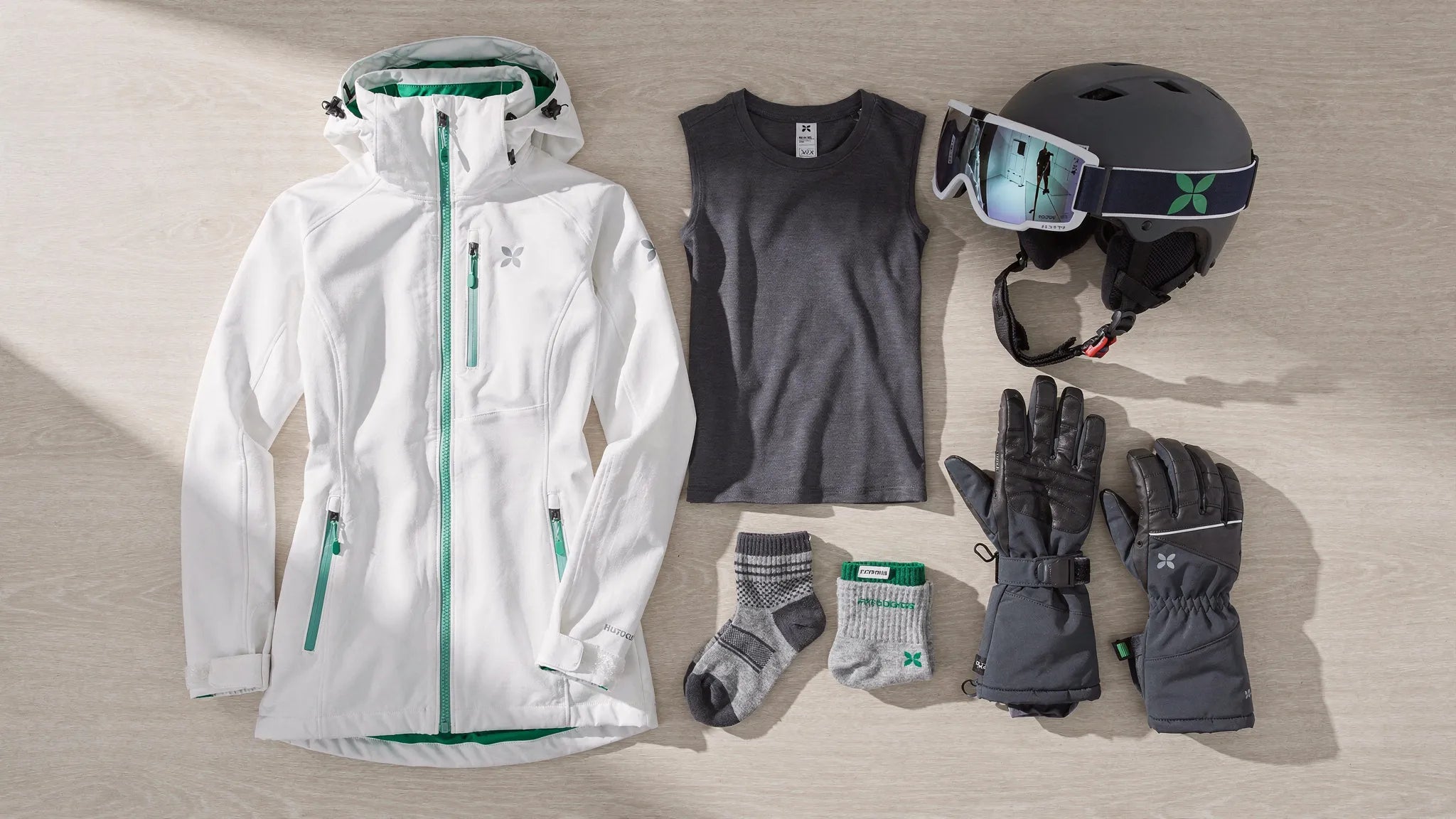
Buysnowwearseems simple until you find yourself choosing between “too hot” and “too technical”. The point is not to have more leaders, but to have the right ones, who work together: to manage sweat, wind, wet snow and breaks in the chairlift without changing thirst every hour. This guide is for those who ski on the track, for those who make some exits off track, for families and beginners who want an essential and reliable kit, without waste.
- Real Objective: stay dry (behind and out), not simply “beat the heat”.
- Method: layered system + few details that make the difference.
- Result: a modular kit covering most winter days.
Before choosing: three questions that avoid 70% of errors
The choice of snowwear changes more forscenario of usethat by “technical level” declared. Before looking at fabrics and membranes, define these three variables.
(1) What kind of day do you do?
On the track, often alternate effort and breaks. In freeride or touring, heat and humidity production is different and ventilation becomes a priority.
2) How long do you stop?
Those who make many breaks (children, groups, beginners) need more static cold management. Those who ski with continuous rhythm can bet on more breathable and modulable garments.
3) Dry or wet snow?
The “heavy” snow and moisture put in crisis the little protective garments and the neglected water repellent treatments. Here the construction counts more than marketing.
To make operational choice, here is an essential decision table.
| Your case | Priority | The most sensible choice |
|---|---|---|
| Beginner on track, many breaks | Static heat + snow protection | Complete with good insulation or layering with warmer mid layer |
| Intermediate/advanced on track, high rhythm | Breathing + ventilation | Gum + modular light layers |
| Freeride/touring (or mixed) | Adjustment range + dry internal | Guscio + technical layers, focus on sweat management |
| Family with variable weather | Versatility and ease | Simple layers, reliable accessories, dry parts |

The layer system, without complicating it
Layering works when each layer has a clear task. If two layers do the same, you are usually paying unnecessary weight and volume.
Basic layer: moisture management
The base layer serves tomove sweatfrom the skin to the outside. It's the piece that determines how you feel after the third descent.
What to look for in practice: leather contact comfort, quick drying, tight fit but not compressed.
Mid layer: adjustable insulation
The mid layer is your “termostat”. Too hot head makes you sweat uphill or in the stretches at a high pace, and then you cool as soon as you stop.
What to look for: proportional heat, breathability, zip or openings that help to modular.
External layer: climate protection and control
The external layer must handlewind, snow and abrasions, letting you move well and allowing real ventilation.
What to look for: good construction, seams and zip designed for snow, hood and well designed wrists, ventilations that you can really use.
If you need a technical base for performance and mountain oriented garments, you can start from selectionDynafit.


Details that count on snow (more than you think)
Many kits fail not on the jacket, but on interfaces and critical points: hands, feet, neck, waist, bottom leg.
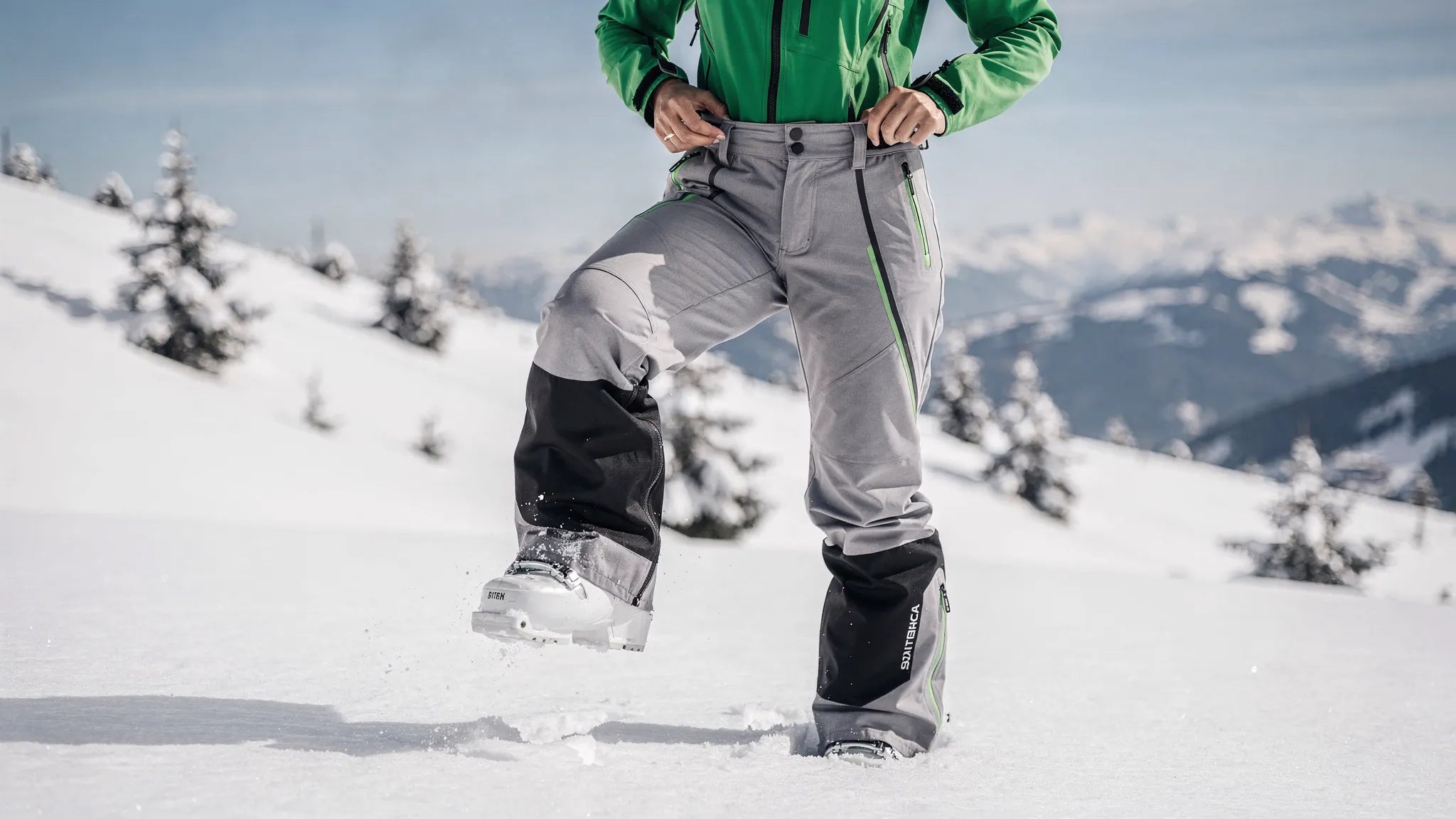
Trousers: where comfort is decided
The pants manage sitting, snow entering, internal condensation and freedom of movement. The rule is simple: protection and mobility first of all, then isolation.
If you want a checklist focused only on this item, find a dedicated insight here:Ski pants: 5 features to check immediately.
Gloves: I am not an accessory
Cold hands means end of the day, even with a great set jacket-pantalone. Choose according to your style (just speed and many breaks, or high rhythm) and your tolerance to cold.
To go on the safe with size, heat and construction:Ski gloves: the complete guide.
Socks: the most underrated point
Too thick socks often worsen the situation: they compress, reduce sensitivity and can cool the foot. The priority ismoisture managementand a volume consistent with the boot.
Helmet and mask: safety and “microclimate”
The helmet is not only protection, it is also thermal comfort. In Italy, moreover, there are specific obligations for minors, so it makes sense to treat it as part of the kit, not as an option.
For the mask, think about ventilation and hold in conditions of moisture. If you wear eyeglasses, evaluate compatible solutions.
Fit and sizes: the quick test that avoids returns and ruined days
On the snow, the fit is measured in motion, not in the mirror. The premium rule is to leave room for layering without losing control.
Test protocol in 90 seconds
Do it with base layer and mid layer that you would really use.
- Arm up, as to close a helmet or adjust a mask: the hem should not “scap” too.
- Deep welcome: knees should not pull, the point of life should not descend.
- Simulates the heel of the boot: the bottom leg must work well with the boot (volume and seal).
- Wheel bust and shoulders: if you feel rigid points, in the mountains you will feel them double.
Woman and children: two practical notes
For many people, the difference is not “cut more or less”, butproportions(life, pelvis, sleeve length). When possible, choose garments designed for that fit.
For children, he always considers a reasoned margin for growth, but without exaggerating: too volume means snow entering and ineffective insulation.
Three ready kits, according to use (without unnecessary doubles)
These sets are a modular base, useful to choose what to buy first and what to add later.
| Profile | What you wear (logic) | Focus |
|---|---|---|
| First season on track | Base + mid layer warm + external protective, curated accessories | Heat in breaks, simplicity |
| Track with good rhythm | Breathable base + mid layer adjustable + ventilated shell | Internal drying, ventilation |
| Mixed track-off | Technical base + light mid layer + reliable shell, robust accessories | Range and resistance |
If you are looking for versatile items for travel and “after skiing”, with a more casual but curated construction, look alsoBiella Fabrics.


Our recommended options (categories that really work)
Here you do not find “the miraculous leader”, but solid choices from which to start, with matching logic.
Technical base sheet (full set)
Best for:those who want constant comfort and less weather during the day.
Key Features:good moisture management, quick drying, tight fit.
Combine it with:a mid layer with front zip, so straight without stopping too much.
Mid layer with zip (pile or hybrid)
Best for:skiers alternating rhythm and breaks and want a simple “termostat”.
Key Features:breathability, ease of ventilation, encumbrance.
Combine it with:a shell with side ventilation or underarm, when provided.
Protective shell for snow and wind
Best for:who often skis with variable weather and does not want to depend on the stuffing.
Key Features:curated construction, effective adjustments (poultry, cap), protection against infiltration.
Combine it with:base + mid layer modulable, changing only “in” depending on the temperature.
Mobility oriented snow pants
Best for:who wants freedom, comfort in chairlift and protection when snowing.
Key Features:good fit in motion, held against snow (life and bottom leg), robust components.
Combine it with:technical socks consistent with the volume of the boot, and base layer under leg not too bulky.
Ski gloves chosen for your rhythm
Best for:who suffers cold in the hands or wants a “definitive” glove without compromise.
Key Features:credible waterproofness, adequate insulation, cuff that seals well.
Combine it with:a jacket with adjustable wrists, to close the interface well.
Ski and travel footwear (when the boot is outside)
Best for:long weekends, trips, destinations where alternate snow and city.
Key Features:prolonged comfort, reliable sole, construction designed to walk.
Combine it with:a comfortable travel pants and an essential outerwear. For a lifestyle option with outdoor DNA, you can exploreFlower Mountain.


If you also need a “bridge” wardrobe (bodies that work in the city and on the road, without too technical look), you can start fromLanapo.


FAQ
What is the most common mistake in snowwear?Thinking that more padding means more comfort. If you do not manage moisture, you will cool as soon as you stop, even with very warm garments.
Do you really need the shell or just a padded jacket?Depends on how modular you need. A padded jacket is simple and works well for track with breaks, a shell is more versatile and manageable on variable weather.
Better thicker socks for not getting cold?Not necessarily. Too thick can compress, reduce sensitivity and worsen cold. Better technical stocking consistent with the volume of the boot.
How do I choose the right size if I want to layer?Try the head with base and real mid layer, making you welcome and arms up. If it is perfect only with a t-shirt, it will often be tight in snow use.
What better to buy and what better to rent?If you ski a few times a year, renting the equipment can be more sensible, so invest more on clothing and personal accessories (fit and hygiene). For rent in the area, read the guide:Ski rental Biella: quick guide to book without errors.
If I'm in Biella, can I help with set-ups and services?Yes, and often is the fastest way to avoid practical errors. For an overview of the services available (reservation and laboratory), seeSport service: all services in store.
A concrete step
If you want to build a consistent kit, parts from two elements:base layer + external(yellow and trousers), then complete with mid layer and accessories according to your rhythm. To start with a curated selection, exploreDynafitfor the most technical setting, orBiella Fabricsfor versatile items from travel and daily. If you have doubts about size or compatibility between layers, you should ask before ordering: save time and returns.
Ski Sises on Google
Choose Ski Sises as a preferred source: you'll see our guides and news more often in Top stories on Google.