Monte Casto mtb: start, route and clothing
If you are considering the Monte Casto mtb, the first question is simple: is this ride suitable for your level today? The start is at Biella, in Martyrs of Liberty Square. The route measures 31.3 km, with 900 m of elevation gain, and is described as challengingwith stretches of steep climbs for true climbers. That should guide you: it’s not the easiest outing if you’re still building leg strength and climbing endurance. If, instead, you already ride with a decent base, the real factors are pace, gearing and managing your effort when the gradient changes.
Where to start
Open the pin for the starting point on Google Maps: Biella (45.568278031, 8.051231978)
Route map
The line follows the GPX track published by the indicated source. Use it to orient yourself, but always check signage, conditions and notices before setting out.

We’ll send you links to this route’s official GPX track and its starting points.
Notify me when my size arrives
Highlights along the route


Route sheet
- Length: 31.3 km
- Elevation gain: 900 m
- Maximum elevation: 1103 m (calculated from the GPX track)
- Loop route: yes
For clothing, it makes sense to start with cycling garments that stay comfortable in the saddle and don’t become annoying after an hour. In the cycling collection you’ll find a selection suited to rides like this: light jerseys, stable shorts and glasses designed to stay clear even when you sweat a lot.


Monte Casto mtb: What to expect from the route
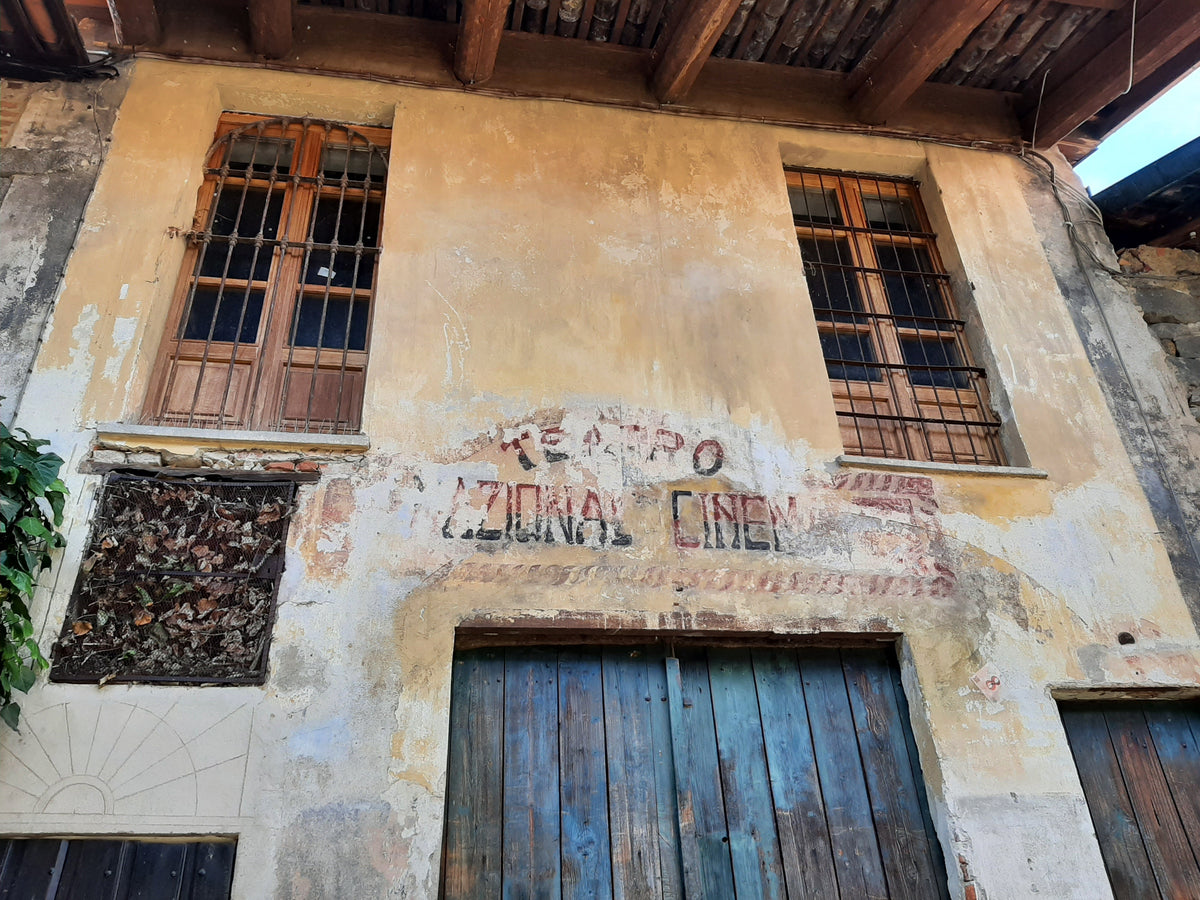
The itinerary starts in Biella, at Piazza Martiri Della Libertà, and then returns to Biella following the directions back to the starting point. Along the route some specific sections are noted: Pratetto di Tavigliano, the hamlet Trabbia of Callabiana and the settlement of Selve Marcone. These are useful reference points to give you the tone of the ride: not a short pedal, not an easy transfer, but an itinerary with real development.
The combination of 31.3 km and 900 m of elevation gain already says a lot. This ride isn’t just about having breath. You also need to pace your effort and pedal well when the climb becomes irregular. Clothing therefore matters more than it seems: the wrong piece might start off fine, then you notice it when your torso heats up, your rhythm drops, or you hit a more exposed stretch.
The recommended season includes spring, late spring/summer and autumn. Practically this means one thing: there isn’t a single setup valid from March to November. For a ride like this it’s better to think in modules. A breathable base, an extra layer only if really needed, accessories that don’t require constant adjustments.
What to check before you leave
An article can help you read the route and choose how to dress, but it doesn’t replace day‑of checks. Before heading out always check updated weather, route conditions and any official notices. Don’t assume surface, passability or the condition of sections just because the itinerary is published.
- Check the weather for the hours when you will actually be riding, not only at departure.
- Check for any official notices about the areas crossed.
- Check bike and setup: brakes, shifting, tyre pressure and real comfort on the saddle.
On a demanding route this matters a lot. A sloppy drivetrain or a pair of shorts that chafes a little at first can become the main problem in the second half of the ride.
How to dress when the climb is the decisive point
The most useful rule here is simple: start light and add only what you really need. Uphill you generate heat quickly. If the jersey traps too much or moves poorly on the torso, you start to feel it on the shoulders, under the arms or when you stand on the pedals. A good cycling garment should not be too noticeable. It should follow you.
For a man, the T-shirt Reform Enduro Men Turmaline Navy It makes sense because the description presents it as a jersey designed for mountain bike and enduro, with recycled materials, freedom of movement and breathability. On a demanding route this translates into a practical thing: less hindrance when changing position and less feeling of fabric staying still on you when the pace rises.
For the lower part, the Shorts Essential Enduro Men Sylvanite Grey use a lightweight, durable nylon fabric with an elastic component. The description also mentions a fit optimised for movement and compatibility with knee protection. Even if not everyone will use knee pads on this ride, the useful point remains the freedom of movement. A short that follows the pedal stroke well reduces folds, tensions and constant adjustments. The claimed water repellence can be a secondary advantage, but it’s not the main reason to choose it.
If you want a separate pad, the Pantaloncini Re-cycle Boxer Men Uranium Black can make sense under an outer short. The sheet mentions a large pad, lightweight breathable fabric and quick drying. For outings with significant distance this type of construction helps mainly with saddle comfort. However it should be chosen only if you are used to an internal cycling boxer: if you don’t get on with the pad, it’s not the right garment just because it’s technically described.
For a woman, the T-shirt MTB Pure 3/4 Jersey Women Epidote Green It's a concrete choice if you prefer a slightly more present coverage on the arms without moving to a heavy layer. The description mentions lightweight mesh fabric, breathability, quick drying and a cut compatible with body protection. In practice it remains an airy jersey, but with less direct contact with sun, air and vegetation than a very minimal short sleeve.
For the lower part, the Up Cyclist Women's Shorts Black They have a clear logic for a ride with real climbing: stretch jersey, elastic waistband, silicone gripper at the hem and a front zip pocket. Here the detail that matters isn't the spec sheet itself. What matters is that a stable, well-fitting short removes tiny continuous annoyances while you pedal. Even in this case the claimed water repellency is a useful extra, not the main reason to buy.
Glasses: less accessory, more tool
On a ride that alternates effort and return, glasses aren't just to shield light. They must stay stable, not fog easily and let you read the terrain well. The Sutro Lite Sweep (Vented) Sunglasses Matte White/Prizm Road Jade focus on ventilated lenses, designed to improve airflow and reduce fogging. It's a concrete advantage when you sweat a lot and switch from slow sections to faster ones.
The Fury Sunglasses Dark Grey/Orange Reactiv 0-3 take a different route: cylindrical lens, wide field of view, claimed ventilation and a fit designed to work with helmets. If you're undecided between the two, don't look for an absolute winner. Instead look at lens shape, coverage and stability on your face with the helmet already adjusted.
The most useful check remains very simple: put on the helmet, look down as you would on a climb and move your head and shoulders. If the frame presses, slips or closes off too much side vision, the flaw will show quickly.
Fit and layers: the most common mistakes
On rides like this you often see two extremes. The first is dressing like for a hike, with garments that are too generic and unstable on the bike. The second is locking into an overly specialist setup, better suited to a very aggressive outing than a long ride you need to manage. Monte Casto on the bike asks for balance.
The jersey should follow the torso without flapping too much. The shorts must stay put without badly compressing the waist or thighs. Layers above should be dosed. If you start already too warm, you lose margin on climbs. If you start too light with no room to adapt, you risk paying for it when you slow down.
That's why a theoretically more technical solution isn't always the best fit. A very structured garment can be unnecessary if you tackle the ride at a steady pace without chasing pure performance. Conversely, a too-generic jersey can become the limit when the elevation really makes itself felt. The right choice is in the middle: pieces that work well on the bike, but without weight or details unnecessary for your real use.
How to read the season without complicating things
Between spring, late spring/summer and autumn the main change is how you manage comfort in the early and late parts of the day. In shoulder seasons the risk isn't always intense cold. More often it's starting too covered and being overheated as the climb heats up.
It's better to think by subtraction. First choose a base that handles sweat well. Then a pair of shorts that doesn't require constant tweaks. Finally stable glasses. Only then decide if you really need an extra layer. Carrying an additional piece is often less annoying than riding the whole climb in the wrong setup.
For Monte Casto mtb, if you want to put together a coherent setup for outings of this type, you can start from the cycling selection and compare pieces calmly, looking at real use, fit and the type of pedalling you do most often.
FAQ
Is Monte Casto on a bike suitable for beginners?
It's not the easiest itinerary to start with. It's rated as challenging, with sections that are steep at times, over 31.3 km and 900 m of elevation gain. It makes more sense if you already have a base of endurance and some consistency on climbs.
Where does the Monte Casto bike route start?
The start is in Biella, at Piazza Martiri Della Libertà. The return follows signs for Biella back to the starting point.
Which localities are mentioned along the Monte Casto route?
References mentioned include Pratetto di Tavigliano, the hamlet of Trabbia in Callabiana and the village of Selve Marcone.
How should you dress for Monte Casto MTB?
Start with a breathable cycling or MTB base layer, stable cycling shorts that keep you secure on the saddle, and sunglasses that stay put and readable when you sweat. On a demanding ride prioritize managing heat, movement and comfort rather than piling on layers.
In which seasons is Monte Casto suitable for biking?
Recommended seasons are spring, late spring/summer and autumn. Before you set off always check up-to-date weather, trail conditions and any official notices for the day.


Ski Sises on Google
Choose Ski Sises as a preferred source: you'll see our guides and news more often in Top stories on Google.