
Snowboard women: how to choose fit and layers
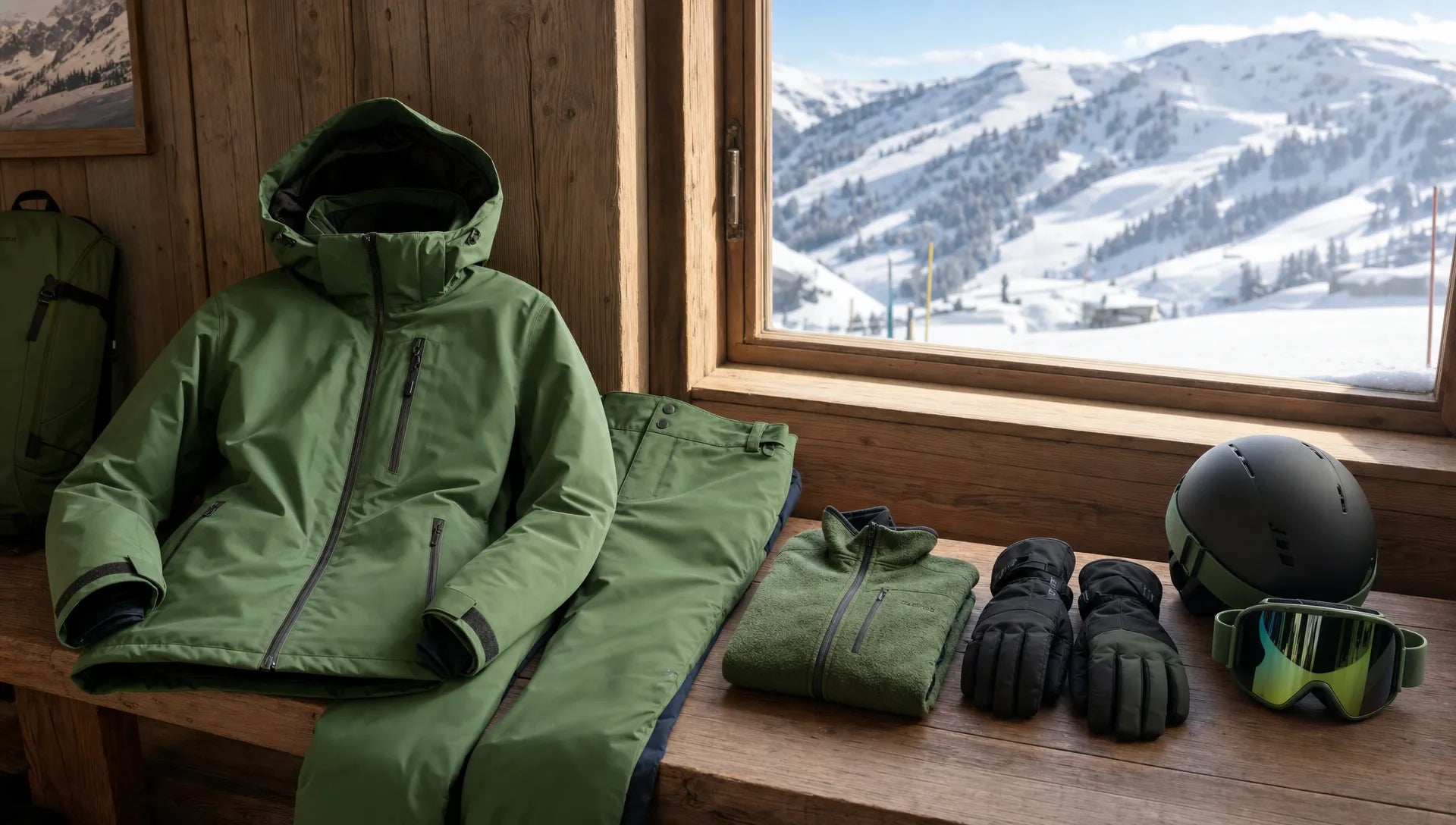
A woman snowboard suit has to do three good things: protect from snow, leave freedom in movements and manage the heat without forcing you to stop every two descents. The point is not to choose the heaviest garment, but to build a consistent system between fit, layers and conditions of use.
This guide is designed for those who buy the first complete, for those who want to upgrade more technical and for those looking for a nice set, functional also outside the track.
In summary
- If you do above all track, a matching trousers jacket remains the most versatile choice.
- If alternate fresh snow, light freeride or long days, currency salopette or bib for more coverage.
- The snowboard fit must allow squat, bust rotations and arms forward without pulling.
- Shell and separate layers work better if you travel or find variable weather.
- Integrated padding is ideal if you are cold or skiing and snowboarding especially in resorts.
- Always try the suit with layer base, midlayer and protections, not above casual dresses.
What really means “all snowboard woman”
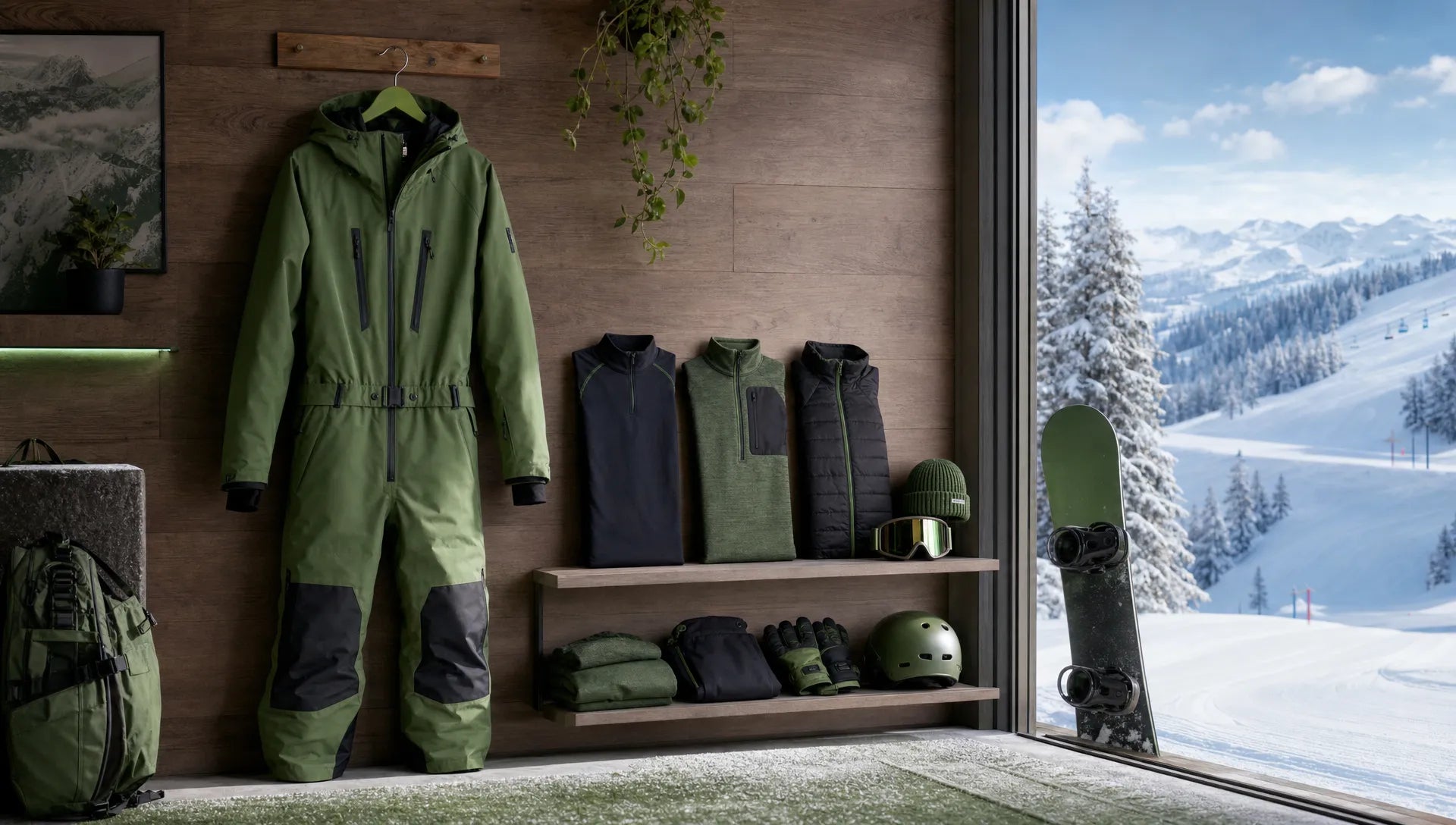
In the common language, “all” can indicate different solutions. For snowboarding, it often means an outerwear system composed of jacket and trousers, but can also include salopettes, bib or whole suit. The choice depends on how much you want to prefer modularity, protection or simplicity.
A woman snowboard suit is not simply a more adhering version of a man's suit. The proportions on waist, hips, bust and length sleeves affect comfort, especially when you sit to fasten attacks or when you roar the bust in conduction.
| Solution | Ideal for | Main Advantage | To be evaluated |
|---|---|---|---|
| Jacket and trousers | Pista, park, weekend in resort | Maximum versatility and easy layer management | Need attention to the point of life to avoid snow infiltration |
| Jacket and bib | Fresh snow, freeride, cold days | Continuous cover on bust and back | Less immediate to remove in breaks |
| Full suit | Targeted travel, deep snow, very essential look | Uniform protection and less open points | Less modular if the temperature changes |
To build a technical but clean wardrobe, it can be useful to start from brand with a strong outdoor culture. In the selectionThe North Facefind garments designed for protection and mountain use, while Arc’teryx is a natural choice if you look for technical, essential and durable layers.
Fit: convenient does not mean wide
Snowboard requires more side freedom than many alpine disciplines. The knees work folded, the reservoir rotates, the arms often come forward and the falls are part of the game, especially when you learn or try new lines.
The correct fit must leave space to the movement without creating excess fabric. Too tight limits mobility and crushes layers. Too wide can entangle, move badly under the backpack or bring in air and snow.
| Type of fit | Ideal if | Control to test |
|---|---|---|
| Regular | Do you want balance between clean line and comfort | Make a full squat and check that the trousers do not pull on the hips |
| Relaxed | Use protections, love the park or want more freedom | Lift your arms and rotate your bust, your jacket should not go too far |
| Slim technical | Look for a more essential profile and do above all track | Wear the expected midlayer, then check shoulders, elbows and seat |
Quick guide to size
Try the suit with the real layers you will use in the mountains. A thin layer base changes little, but a warmer midlayer or back protection alter the fit in an obvious way.
If you are between two sizes, choose the most generous when using protections, do freeride or want more freedom. Choose the most precise if you do above all track, prefer a few layers and want a more essential profile.
The length of the sleeves must remain functional with the gloves. The bottom trousers must cover well the snowboard boots without dragging and without creating useless volume. Life must remain stable even as a seat, because it is there that comfort is really measured.
Roads: the system that decides comfort
Thermal comfort not only depends on the suit. Depends on how the suit works with the layers below. The principle is simple: a layer dries, one island, one protects.
| Road | Function | Recommended choice | To avoid |
|---|---|---|---|
| Base layer | Handles sweat and skin contact | Technical fabrics or wool suitable for activity | Cotton, because it retains moisture |
| Midfield | Adds adjustable heat | Technical fleece, technical sweatshirt or light insulation | Too voluminous heads under a precise jacket |
| Outer layer | Protects from snow, wind and humidity | Shell or padded head based on weather | Lifestyle jackets not designed for wet snow or prolonged sessions |
If you tend to have hot or often travel, a shell with separate layers is more flexible. You can lighten in sunny days and add insulation when the temperature drops.
If you're cold, do a lot of laughter in the plant and move at a quiet pace, a padded suit can be more comfortable. It requires less decisions and works well in the classic resort days.
For more aerobic activities, winter hiking or mixed days between ascent, travel and mountain, the technical layers of the selectionLa Sportivacan complete a modular system well. For travel, après and support heads off-piste, also a selection asAdidascan help build a consistent outfit without replacing technical outerwear.
Quick decision: which suit to choose
If you want to reduce the margin of error, start from your main use. A good woman snowboardsuit should not be perfect in absolute, it must be right for your way to stay on snow.
- Choose shell multiple layers if you travel, find variable weather or want to use the same jacket in different contexts.
- Choose built-in padding if you spend many hours in the chairlift, you are cold or want a simple solution.
- Choose bib or salopette if you fall often, go in cool snow or want more protection on back and waist.
- Choose fit relaxed if you do park, use protections or prefer wide movement.
- Choose regular fit if you want a balance between aesthetics, comfort and resort usage.
- Choose whole suit only if you accept less modularity in exchange for greater protective continuity.

Technical details that make the difference
The first detail to look at is moisture protection. Snowboard provides more contact with snow than alpine skiing, because you sit often to hook up or unleash attacks. A little protective trousers can become uncomfortable long before the end of the day.
The seams, zips and ventilation openings count as the main fabric. Zippers under your arms or legs help when the temperature rises or when you do more dynamic strokes. The pockets must be reached with gloves and backpack, without forcing you to remove everything every time.
The hood should be tried with the helmet. It has to move without limiting the lateral vision. The anti-black gaiter, adjustable cuffs and the bottom trousers compatible with the boot are small details only in store. On the track they become real comfort.
Weight also plays a role. A very hot but not breathable head can go well for a quiet skier or snowboarder in the resort, but become excessive if you walk, push on the flat or move out of the beaten slopes.
Our recommended options
These are not strict prescriptions, but archetypes useful to direct the purchase. Start from use, then choose fit and layers.
| Recommended option | Best for | Key Features | What to match |
|---|---|---|---|
| Complete shell jacket and trousers | Travel, variable weather, intermediate snowboarder | Maximum modularity, good freedom of movement, easy to adapt to layers | Technical layer base, adjustable midlayer, waterproof gloves |
| Complete padded | Resorts, cold days, those looking for simplicity | Instant heat, less layers to manage, comfort in laughter | Thin layer base, neck warmer, technical fit |
| Shell jacket with bib | Fresh snow, light freeride, who often falls | Cover on waist and back, more continuous protection, good seat comfort | Back protection, technical midlayer, compact backpack |
| Fit relaxed for park | Park, dynamic beginners, those who want maximum mobility | Space for bending, rotation and protections, softer look | Small bulky technical sweatshirt, resistant gloves, well regulated helmet |
| Full suit | Deep snow, dedicated trips, who wants an essential system | Less entrance points for snow, uniform protection, continuous silhouette | Thin and performing layers, easy to manage accessories in breaks |
Checklist before buying
Before confirming the size, do an active test. Don't just look at the mirror: it simulates what you really do on the table.
- Wear layer base and midlayer similar to those you use in the mountains.
- Make a full squat and sit a few seconds.
- Take your arms forward like you're closing the attacks.
- Wheel bust and shoulders, the jacket should not block the movement.
- Try the hood with the helmet if possible.
- Check that pockets are accessible with gloves and backpack.
- Check that bottom trousers and boots work well together.
If you’re preparing a trip and don’t want to buy all the equipment right away, consider ski and snowboard rental in Biella. It is a practical solution to complete the setup, test materials and start with less uncertainties.
FAQ
Better a whole woman snowboardsuit or two pieces?Two pieces is the most versatile choice for most snowboarders. The whole suit protects very well from snow, but it is less modular when changing the temperature or during breaks.
Is the ski suit good for snowboarding?It can go well for occasional use, but the snowboard fit generally offers more freedom on knees, hips and arms. In addition, the snowboard pants is often more suitable for frequent contact with snow.
Shell or padded: what to choose?Shell if you want flexibility and layer control. Padded if you're cold, make resorts and prefer a simpler solution to wear.
How wide should a snowboard suit be?It must allow complete movement without pulling, but it should not create excessive volume. Try it with the real layers and simulate squat, seat and rotation of the bust.
What layers to put under the suit?A technical layer base in skin contact, a midlayer for heat and outerwear as a final protection. On warmer days you can reduce the midlayer, in cold days you can increase its isolation.
How to choose size if I buy online?Start from the brand's size chart, consider the layers you will use and evaluate if you wear protections. If you are between two sizes, the choice depends on the use: more generous for freeride and park, more precise for track and resort.
Choosing a snowboard suit means thinking in system: fit, layers, protection and real use. Explore online technical collectionsFabbrica Ski Sisesor switch to Biella store to build a consistent setup before the next exit.