














Women snow suit: how to choose comfort, warmth and fit
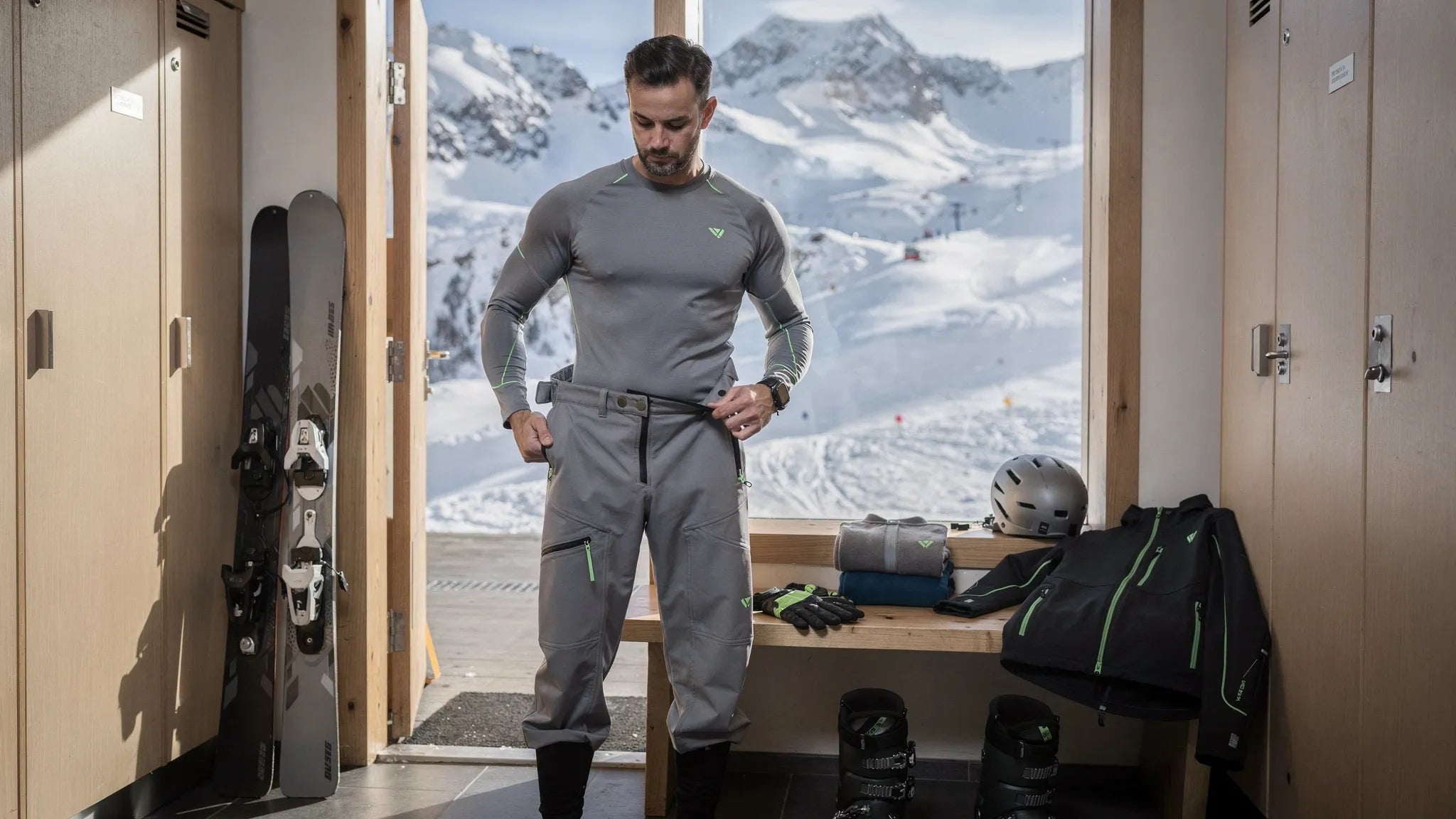
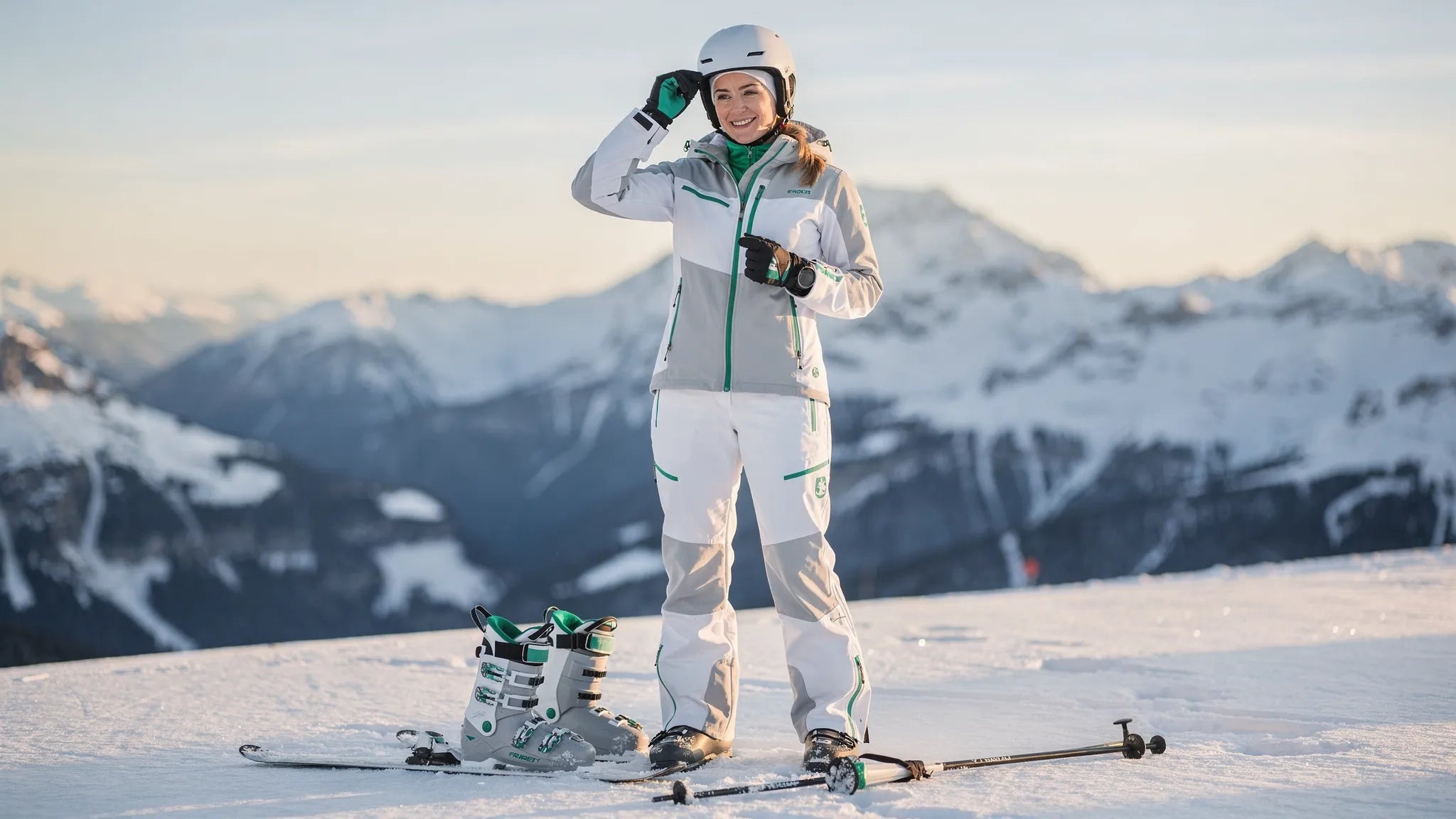
On the snow, onewoman snow suitwrong you do not notice immediately. You feel after the first lift: points that pull on your shoulders, warm “heavy” when you move, cold suddenly when you stop. The right choice instead disappears, leaves you skiing, walking, driving, sitting in the chairlift and closing the boots without thinking about it.
This guide is for those who want to decide with criterion (principle or expert), with a clear priority:real comfort, manageable heat, fit that respects the body.
In summary (1 minute)
- Heat: not only padding, it is moisture management (ventilations + layering).
- Comfort: you play on mobility, friction, perceived weight and pockets “in the right place”.
- Women's Fit: attention to bust, point of life, pelvis and thigh width (they are the points where you are wrong most often).
- Quick choice: resort and slow days, isolated set; variable days and travel, shell + layers; deep snow, bib.
- If you don't want to risk: Use the fit test below and compare the measurements with a boss that already suits you.
Thermal comfort: stay warm without “bollire”
The cold on the track is rarely a problem of “poca padding”. More often is a problemrestrained moisture: If you jump uphill on foot, in the tail or skiing strong, then you stop and the humid cools.
For this reason a well-chosen snow suit has to do two things together:
- Protectfrom snow and wind.
- Let gomoisture (and offer usable ventilation).
A practical criterion: if you ski in a variable way (alternative rhythm, changing weather), prefer a system that allows you toopen, close, remove a layerwith ease.
| Scenario | Rhythm | Recommended setting | Why it works |
|---|---|---|---|
| Pista, whole day, many breaks | Middle-low | Insulated finish or shell with warm mid layer | Immediate comfort and less micro-management |
| Sports track, many laps, few breaks | Medium-high | Shell + Modular Layering | Control moisture, better manage temperature |
| Deep snow, frequent snow sessions | Variable | Bib + jacket (or one-piece) | Less snow input and better lumbar cover |
| Trip with one set | Variable | Shell + versatile layers | Reduce volumes, increase combinations |
If you want a “capsule” approach that reduces double and waste, the logic is the same as the modular kit: few well chosen and combinable pieces. The guide can also be useful onmountain clothing: kit 4 seasons without waste.
Fit woman: 5 points deciding comfort and freedom
The fit is not “adherent vs wide”. In a woman's snow suit the fit is used to make three things live:layers below, movement, against snow. Typical problems come from proportions, not from sizes.
1) Bust length and shoulders
If the jacket rises when you raise your arms, you find yourself cold in the living area and tension on your shoulders. If it is too long and rigid, it limits the movement of the basin.
2) Life and construction of trousers
The point of life must remain stable when you bend over your boots. If you go down, go in snow and lose comfort. If it tightens, it compresses the layers and you feel “unexisted”.
3) Basin and sitting
Here you play comfort in chairlift and walking. A pant that pulls on the pelvis also forces the mid layer and creates friction.
4) Knee and legs
The ski requires repeated bending. If the knee is not “accorded” by the construction, you find yourself compensating with life.
5) Dust and bottom leg
The bottom leg must work with the boot: no excess hanging, no tension pulling when you close the hooks.
Mini fit test (to be done in dressing room or at home)
- Arms up: lift both arms, as to fix helmet or mask. Life must be covered.
- Deep welcome: simulates an attack closure or a break. No net tension on basin and knee.
- Shoe mesh: bend forward as if I close the hooks. The back must be protected.
- Long pass: take two steps wide. If the trousers “tira” in front, the fit is not the right one.
What kind of snow suit to choose (without getting distracted from details)
First the structure, then everything. The options that really count are three.
Complete two pieces (jacca + trousers)
It is the most flexible choice for most people.
- Easier to manage heat (open the jacket, mid layer changes).
- It is easier to find the right fit between above and below.
- Perfect if you want to “build” the outfit even with reusable garments.
Bib (salopette) + jacket
The bib is a technical piece that often solves a problem:cover and seal.
- More protection in deep snow and when you sit.
- Improved stability in life, less spiffers on the lumbar area.
- It requires attention to busts and shoulder straps, especially if you take many breaks indoors.
One-piece (all)
Makes sense when you want the maximum of “sealing” and a set that always works the same.
- Great continuity against snow and wind.
- More delicate fit: it has to work on bust and basin together.
- Less practical for quick management of layers and breaks.
If you want a parallel study (more technical cutting on fit and protection), you can also readSki woman suit: how to choose fit and waterproof.
Details that make the difference (when you are already on the snow)
When two suits look similar, they win the details. Those who really count are few and practical.
- Ventilation: They must be easy to open even with gloves and moving.
- Legs and closures: good sealing at the bottom leg reduces snow and humidity inputs.
- Reinforcements: in the inner area of the leg and on the points subject to rubbing (scarponi, lamine, seats).
- Pockets: must stay accessible with backpack and chairlift. If you ski often with backpack, try “sitting”.
- Collection and hood: evaluate the interface with helmet and mask, without adding useless volume.
To complete the set consistently, it is often useful to start from a technical brand and build accessories and mid layer around. If you are looking for a credible sports setting, take a look at theDynafit collection.


Size: how to reduce risk (especially online)
An online purchase well made part of a simple gesture:measure a garment you ownand that you are well, not the body “to the eye”. Then compare with the product table.
Quick method “confront”
- For jacket: size chest width (from axle to axle), shoulders and length behind.
- For trousers/bib: measure life “top”, basin and inner leg.
- Add mental margin for layers: if you know that you will use a more present mid layer, do not choose a already drawn fit.
If you are between two sizes, the practical rule is this: choose the one that allows you the four fit tests (arm up, welcome, boot lace, long step) without obvious tensions.
Please note: in EU purchases the right of withdrawal for online purchases is generally 14 days. Reference: Consumer rights Directive (European Commission).
Our recommended options (choices for real use)
Here you can’t find “the best model ever”. Find configurations that work, each with a clear compromise.
1) Complete two pieces isolated
Best for: slopes, weekends, days with many breaks, who wants immediate comfort.
Key features: perceptible insulation without rigidity, cuffs and well sealed leg bottom, comfortable pockets in chairlift.
What to do: base layer that dries quickly, a light and compressible mid layer, suitable gloves (if you want to choose with criterion, there is also the guide toski gloves).
2) Modular Guscio + Layering
Best for: variable weather, more intense skiing, trips where you want only one set for more conditions.
Key features: construction that protects against weather, usable ventilations, internal volume designed to layer.
What to do: two mid layer of different thicknesses (one lighter, one warmer) and a technical layer base. If you like an essential approach and also treated off-piste, you can build a “bridge” set with versatile garmentsBiella Fabrics.


3) Bib + technical jacket
Best for: deep snow, freeride, often falls or sits on the snow (also motivated beginners).
Key features: high waist cover, comfortable shoulder straps, stable lumbar protection, reinforcements in critical points.
What to do: mid layer with good freedom on the shoulders (the bib already adds structure), mask and gloves more protective for sitting and contact with snow.
4) One-piece technical
Best for: who wants continuity and maximum protection, who hates spiffers in life.
Key features: mobility on bust and basin together, zip and openings designed to manage heat, adjustments that do not create rigid points.
What to do: minimal layering (the internal space is more “vinculating”), reliable layer base and non bulky mid layer.
5) Ventilation-oriented “spring” set
Best for: end of season, mild days, those who ski strong and sweat.
Key features: lighter perceived weight, easy ventilation, fit that does not trap heat.
What to do: base layer with excellent moisture management and a mid layer of safety in the backpack.
6) Outfit builder: snow + travel + city
Best for: who wants reusable pieces and a technical but clean wardrobe.
Key features: essential silhouette, comfort in movement, garments that do not remain “only from snow”.
What to do: a sturdy sneaker for transfers and travel (seeFlower Mountain collection) and a mid layer that also functions in the city (if you care about the versatile approach, theLanapo collectionis a good starting point).


If you are in doubt: make the scenario decide (not the product description)
Two questions close the choice more often than any specification.
The first:How much do you change rhythm during the day?If you change intense moments and breaks, you need modulability (shell + layers or set with really comfortable ventilations).
The second one:How often are you in contact with snow?If you sit, fall, run off or ski with deep snow, priority becomes sealing and cover (bib or one-piece).
And if you're planning a season with a few exits or want to test before investing, consider the rental. The guide toski rental in Biellahelps you book cleanly, and itsport service in storeis useful for maintenance and set-up.
Next step
If you want to build a coherent set without losing time, start from a configuration between the recommended ones and then choose the brand according to your style (more technical or more travel). You can start exploringDynafit collectionand, if you have doubts about size and layering, contact the customer service with your measurements and scenario of use: it is the fastest way to buy well at the first shot.
Ski Sises on Google
Choose Ski Sises as a preferred source: you'll see our guides and news more often in Top stories on Google.