



















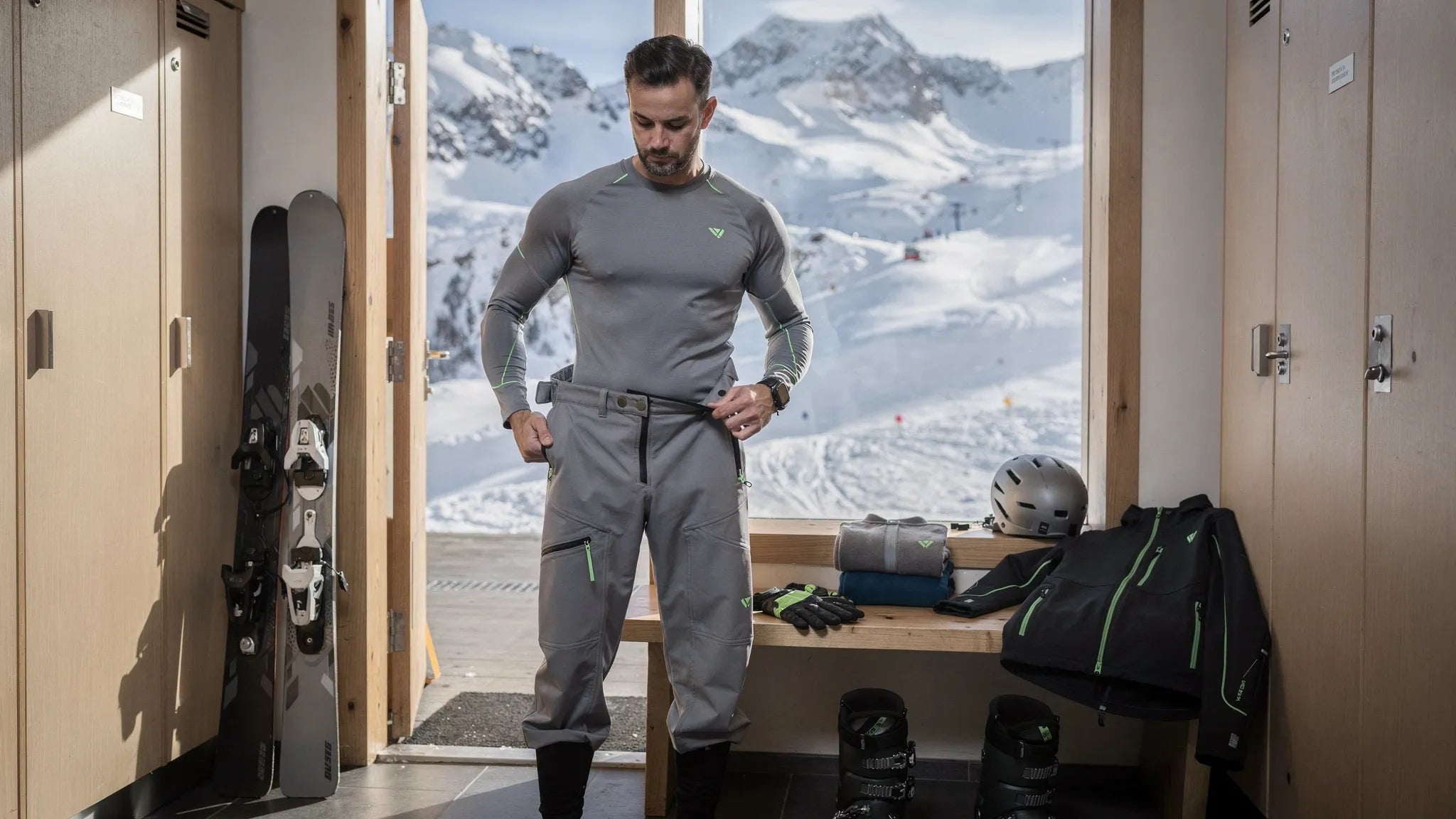
Ski men's trousers: how to choose with layers
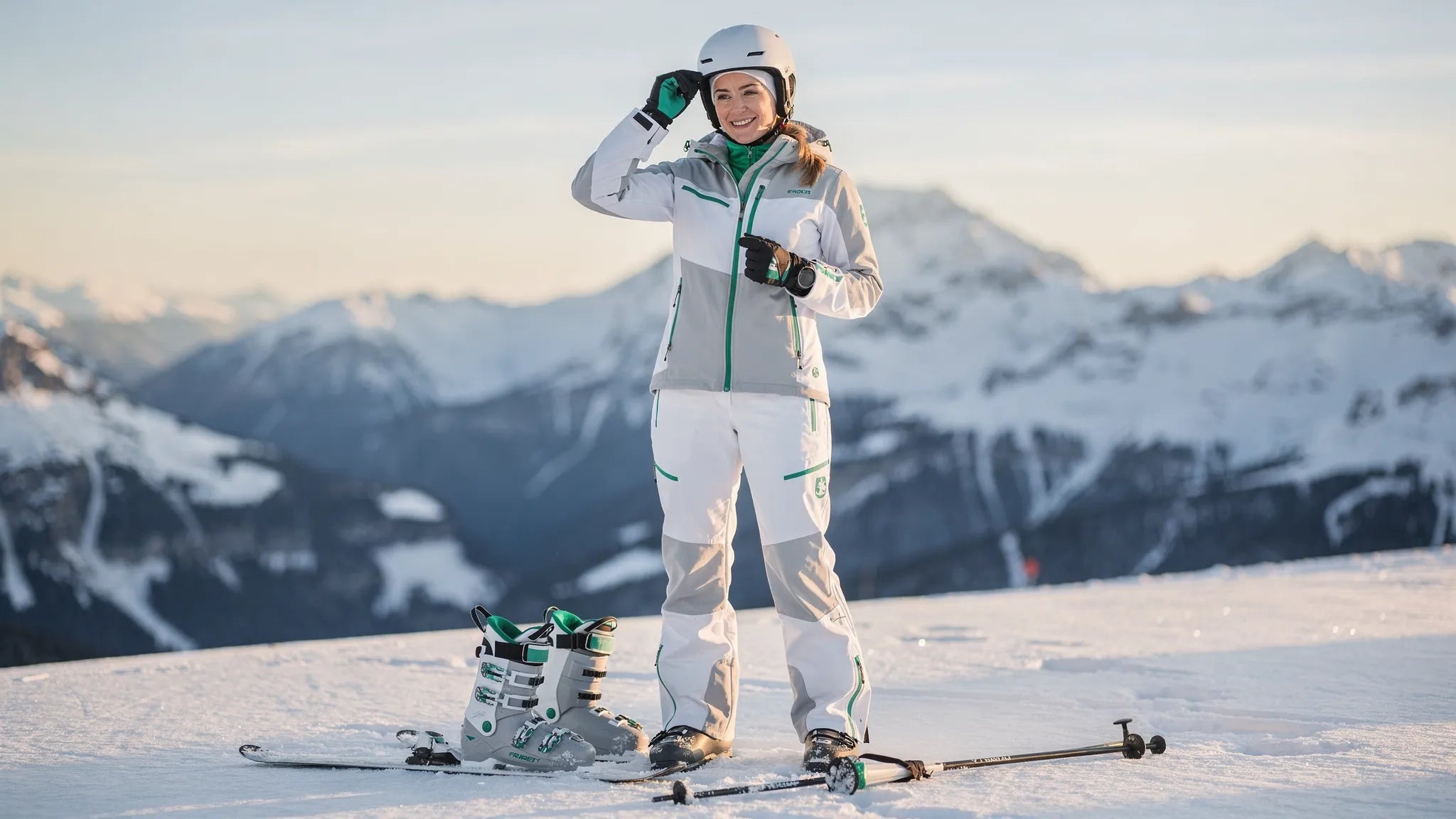
Buy men's ski pants “right” is easy only on paper. On the track, the most common error is not to choose a little waterproof model, but to build a system that does not work with the layers: too hot when you push, too cold when you stop, moisture that remains on. This guide is for those who ski in the resort, does some off-piste, travels often and wants a clean, modular set, with less compromises.
In summary (fast choice)
- If you ski on track with real cold: currency a pantisolatedor a shell withmid layer more present.
- If alternate sun, wet snow and long breaks: better ashell shell(shell) and manage heat with layers.
- If you do freeride and deep snow: consider abib(salopette) to seal better and move without discovering your back.
- If you ski touring or walking very: prioritybreathability, ventilation and more elastic fabrics.
- Fit: must allow layer base (always) and, if necessary, a second light layer, without pulling on thigh and seat.
The key rule: the trousers are the “external layer” of the legs
Thinking of pants as a single boss almost always leads to unbalanced choices. In practice, ski pants are the last link of a system:
- Basic layer: manages sweat and comfort in skin contact.
- Thermal layer (optional): adds insulation when it is cold or when you move little.
- External layer (pantalone): protects against snow, wind and abrasion, and must let vapour out.
If you want a clean setup, start with the question:how much temperature and rhythm variability do you have on your days?More variability means that a less “hot” and more modular trousers should be used.

Choose trousers based on rhythm and weather (mini decision tree)
If you need a decision in 30 seconds
1) Do you move so much (sports curves, quick transfers, some stretches on foot, maybe touring)?
Yes.shell shellorlighter and ventilated trousers.
No.isolatedor shell with space for more consistent thermal layers.
2) Deep snow and “slow” days (freeride, many stops, cold chairlift)?
Yes: currencybibor pant with cured seals, then manage heat with layers.
No: a classic high waist trousers with adjustments can suffice.
3) Do you often ski in wet conditions (nevisk, rain down, spring)?
Yes: from priority tofast drying and protection, and do not overload the interior of padding.
No: you can choose more freely, focusing on fit and ventilation.
Practical Layering: 3 combinations that really work
There's no need for complicated formulas. They need repeatable combinations.
Configuration A: modular resort (the smartest for most)
- Base technical layers
- Mid layer light (only when needed)
- Trousers shell
Because it works: most days are not “only cold” or “only hot”. It is an alternation of wind, sun, humidity and breaks. The shell protects you, the layers do the rest.
Configuration B: Static cold (if you are cold or flat skis)
- Base layer warmer
- Thermal sheet present
- Insulated trousers or shell with more generous fit
Because it works: when the rhythm is low, heat production is low. The insulation must be in the system, not only in the jacket.
Configuration C: touring and exits “at rhythm”
- Breathable layer base
- No mid layer on the legs (in most cases)
- Lighter trousers, with ventilation, movement oriented construction
Because it works: the internal humidity is the number one enemy. If you bathe from inside, the cold comes later.
Quick table: what really changes
| Scenario | Objective | Choice of trousers | Note on layers |
|---|---|---|---|
| Cold dry, little movement | Keep Heat | Isolated or wide shell | Useful and stable thermal layer |
| Wet snow, variable climate | Stay dry | Guscio (more modular) | Layer base and opening management |
| Intense days, many descents | Avoid sweat accumulation | Lightweight or touring-oriented shell | Mid layer almost always superfluous |
| Deep snow, freeride | Sea and protect | Bib or shell with suspenders | Focus on closures and interface with boots |
Fit and size: how to understand if “work” with layers
A perfect pant on the mold can fail when you wear it with layer base and boots. To avoid returns and compromises, try (or simulate at home) with your real setup.
Three simple tests
- Accepted test: if you feel pulling up thigh and sitting, with a layer in more will worsen.
- Knee test forward (like closing a hook): you don’t have to feel the bottom leg “getting” or the horse pull.
- Life and Back Test: fold forward, rotate the bust. If life comes down and discovers, it assesses more effective adjustments or a bib.
How much space is it for layers?
- Base layer: must always be under without compressing.
- Thermal layer: must enter without turning the pant into a rigid tube.
A good signal is this:with base layer worn, the pants leg should not pull when walking long steps.
Length and interface with the boot
You do not need to chase the “long leg”. It serves continuity between pants, inner gaiter (if present) and boots. The goal is to avoid snow entering and that the bottom leg is consumed too quickly.
Details that count when using layers
Without repeating an infinite checklist, these are the details that directly influence layering management:
- Ventilation: Only work if you really use them. If you sweat in the chairlift, it is not a problem of ventilation, it is a problem of layers.
- Life and adjustments: useful when changing thickness below (different days, or same day).
- Bretelle or bib: They stabilize the pants when you make large movements or carry backpack.
- Pockets: if they are too internal or “voluminous”, with thicker layers become uncomfortable.
For more technical control over construction features (protection, ventilation, sealing, durability), you can also read the dedicated guide:Ski pants: 5 features to check immediately.
Our recommended options (purchase logic, not models)
Here you find reasoned options. The idea is to choose a “platform” and then build layers around.
1) Guscio resort (shell) + modular layering
Best for: track skier alternating different conditions, travel, weeks in which you find unpredictable weather.
Key features: weather protection, usable ventilations, fit that accepts layer base and a possible light heat.
What to do: technical layer base, light mid layer “supply” in the backpack for long breaks.
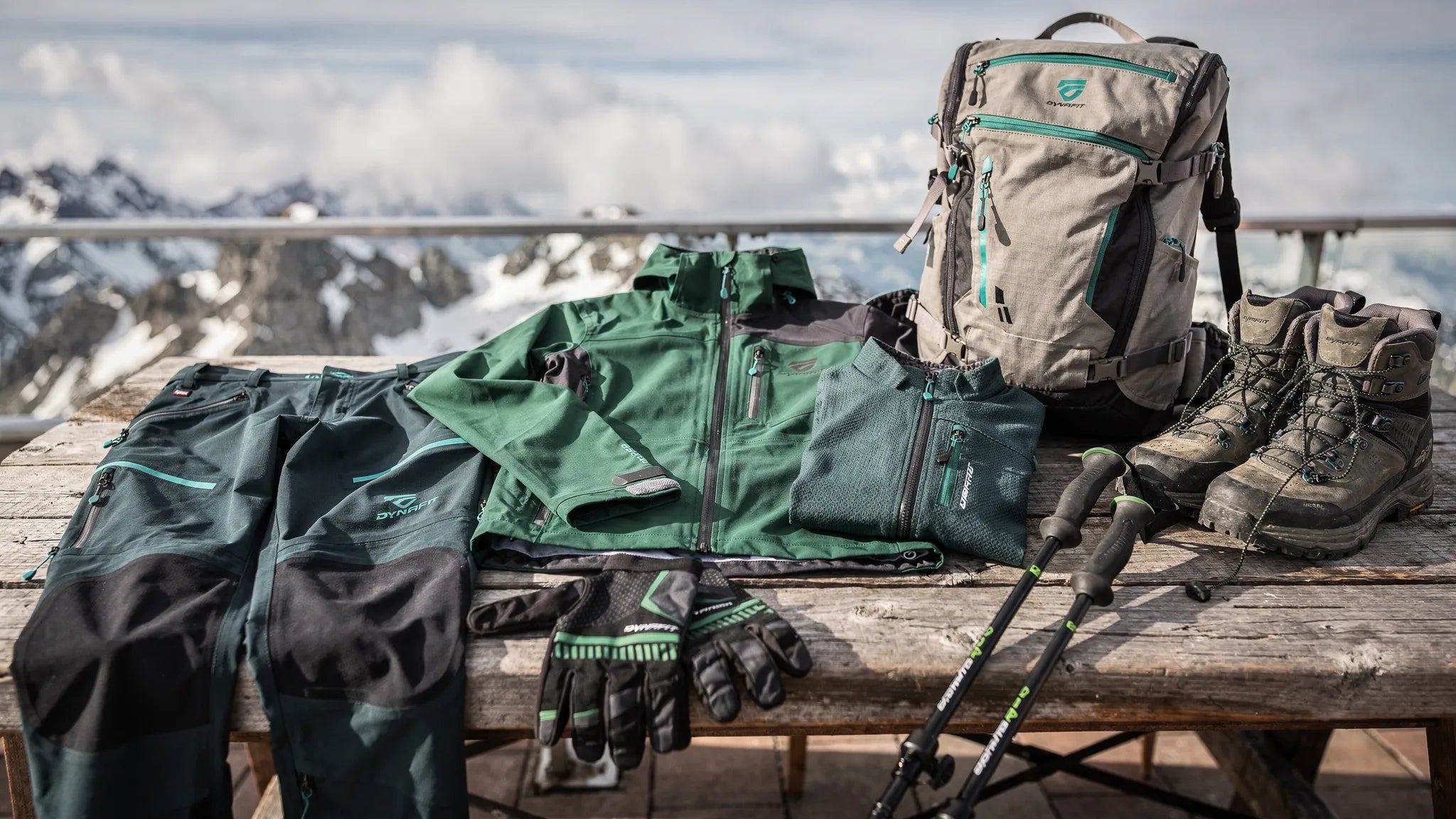
Natural starting point if you want a technical selection oriented to mountain activities:Dynafit.


2) Insulated trousers for immediate comfort
Best for: who suffers cold, who skis with quiet rhythm, very static days, cold chair.
Key features: integrated insulation and more immediate heat sensation.
What to do: base layer not excessive (not to end “in boiling” when push), consistent technical stockings.
Trade-off: less modular, more difficult to use well in spring or late season.
3) Bib (salopette) for freeride and deep snow
Best for: who often enters fresh snow, who makes wide movements, who wants to seal back and life without thinking about it.
Key features: high coverage, stability, increased protection from snow input.
What to do: upper shell cleaner and dry, lower layers thinner but manageable.
Trade-off: more “present” to wear, warmer in the upper part if you don’t manage the openings well.
4) Touring-oriented: transpiration and mobility first of all
Best for: ski touring, splitboard, days with a lot of difference in altitude or walking.
Key features: steam management, movement-oriented construction, really exploitable ventilation.
What to do: Breathable layer base, and a mid layer to be used only at rest (not necessarily on the legs).
If you are building a kit more “4 seasons” that moves between mountain and travel, it makes sense to look also versatile and clean items off the track:Lanapo.


5) Setup “weekend and travel”: simple, reliable, without double parts
Best for: who skies a few times but wants to buy well, who leaves by plane or with reduced baggage.
Key features: only one trouser that holds more conditions, to be adjusted with light and easy to dry layers.
What to do: base layer that dries quickly and a compact mid layer. Outside the track and after skiing, a comfortable travel shoe completes the set:Flower Mountain.


Final checklist (before clicking “purchase”)
- I decided if I wantmodularity(slow) orinstant heat(insulated)
- Does the fit allow layer and movement base, without pulling on thigh and seat?
- I can handle the heat withopenings and layers, not just “stringeing teeth”?
- Does the bottom leg work well with the boot (sealing, length, comfort)?
- Do I have a simple plan for layers (A, B or C), not improvised?
Quick maintenance: how to maintain performance and comfort
Stratifying well serves little if the outside no longer works as it should.
- Wash when you really need it, following the label, and avoid “cuocere” the leaders.
- If water does not slide as before, it may be time to restore water repellency (DWR) with suitable products.
- Check leg bottom and friction zones: a small preventive intervention is worth more than an emergency repair.
If you are in Biella area and want to extend the life of the equipment, it makes sense to use a technical service instead of replacing everything:Sport service: all services in store.
Frequently Asked Questions
Better shell or isolated ski pants?Depends on how variable your day is. The shell is more modular and adapts better to different weather. The isolated is more immediate if you ski slowly or suffer cold.
What layer to put under men's ski pants?In almost all cases a technical layer basis. The second layer on the legs makes sense when it is very cold or when you stay still often.
If I'm always cold in my legs, do I have to buy a warmer pants?Not always. Often the difference makes it a more suitable layer base and a pants that does not compress, so the insulating air works better.
How wide do the ski pants have to dress for layering?Enough not to pull in bundle and to accept layer base and, if needed, a light heat layer. Too wide, however, make steam management and precision worse.
Bib or traditional trousers: when should salopette be?It comes with deep snow, freeride, and for those who want a higher sealing on back and waist. It is also useful if the trousers tend to descend during the movement.
Should I buy or rent if I ski a few times?If you ski occasionally, it often makes sense to rent skis and boots and invest in clothing that improves comfort and weather management. For rent in Biella area:Ski rental Biella: quick guide to book without errors.
A practical step
If you want to choose ski men's trousers starting from a clean and modular layered system, explore a technical selection designed for the mountain and build the setup around your real rhythm:discover Dynafit. If you have doubts about fit and layering, customer service can help you cross measurements, use and seasonality before ordering.
Ski Sises on Google
Choose Ski Sises as a preferred source: you'll see our guides and news more often in Top stories on Google.