

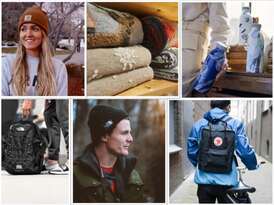



Ski suit The North Face: how to assess the fit
The ski suit The North Face you choose first with the body, then with the look. A correct fit must let you ski, sit on a chairlift, bend your knees, wear the right layers and close everything without tension. This guide is for those buying online, preparing a ski week and anyone who wants a technical suit that also works off-piste or while traveling.
In short
- The right fit leaves room for base layers and mid layers without creating unnecessary bulk.
- Shoulders, hips, knees and trouser hem are the points to check most carefully.
- For piste and resort, comfort and protection matter as much as the style.
- For freeride and splitboarding you need more freedom of movement.
- Before choosing a size, measure chest, waist, hips, inseam and sleeve length.
How to assess the fit of a ski suit The North Face
In buying language, “suit” can mean a jacket-and-trousers set or, less often, a single garment. In both cases, the logic is the same: the fit must follow movement, not block it.
A jacket that’s too tight limits torso rotation and compresses thermal layers. Trousers that are too tight at the waist can become uncomfortable after a few hours, especially when you add technical long johns, protections or a bib. Conversely, a fit that’s too loose disperses heat and creates folds that bother with a backpack, harness or belt.
The most reliable way to assess a ski suit The North Face is to try it on as you’ll actually use it: with technical underwear, a mid layer, ski socks and boots. If you buy online, replicate this approach by taking measurements over the layers you’ll wear most often.
The body points that decide comfort
Shoulders must allow you to raise your arms without pulling fabric across the chest. When you close the zip, the jacket should stay stable but not rigid. If you feel pulling under the armpits, the size or cut is not right for your build.
The trouser waist should stay in place when you bend, but not leave marks. Hips and thighs need enough room for skiing, for climbing stairs in boots and for sitting without strain.
Assess the trouser hem with boots on. It should cover the top of the boot well without dragging or catching. This detail often separates a fit that looks good standing from one that is truly functional.
Measurements, layering and sizing: the practical test
Size isn’t chosen by height and weight alone. Two skiers with the same height can have very different shoulders, torso, hips and leg length. That’s why it’s useful to start with five simple measurements: chest, waist, hips, inseam and sleeve length.
When you evaluate a ski suit The North Face, also consider layering. On piste many skiers use a technical base and a warm mid layer. Those who ski in spring or travel often may prefer a more modular system, with less bulky pieces that are easy to mix.
| If during the fitting you notice that... | Interpretation | What to evaluate |
|---|---|---|
| The jacket pulls when you lift your arms | Shoulders or chest too tight | Size up or choose a more regular cut |
| The zip closes but compresses the mid layer | Insufficient internal volume | Thinner mid layer or more relaxed fit |
| Pants slide down when you bend | Waist too wide or unstable structure | Adjustments, suspenders, or different size |
| Knees pull when crouching | Limited mobility | More technical cut or more thigh room |
| Pant hem interferes with the boot | Length or width not suitable | Try with the boot, not regular shoes |
A good check is to simulate three moves: deep bend, torso rotation and arms overhead. If the garment stays comfortable in these positions, it’s much more likely to work on the slopes.
Fit for piste, freeride and urban use
The ideal fit changes by context. Resort skiers tend to favor comfort, neatness and cold protection. Freeride, splitboard or variable days need more room, freedom of movement and better compatibility with a backpack or protections.
For mixed use, a ski suit The North Face regular fit is often the most balanced choice. It allows layering, avoids excess bulk and integrates better with technical accessories. If you want a cleaner look for travel, mountain and city, work on the inner layers: a well-chosen mid layer makes the outfit more versatile without changing size.
| Main use | Recommended fit | Priorities |
|---|---|---|
| Piste and ski holiday | Regular, with room for a mid layer | Thermal comfort and freedom for the legs |
| Freeride and splitboard | More generous, without excess | Movement, compatibility with backpack and protections |
| Skiing with kids or family | Comfortable and easy to manage | Warmth, practicality, quick changes |
| Travel and urban outdoor use | Clean but not tight | Versatility and light layering |
| Experienced skier | Precise in adjustments | Volume control and performance |
If you're building the kit from scratch, you can start with the selection The North Face and then complete the layering with technical pieces consistent for temperature, activity and frequency of use.

Our recommended options
The best choice isn't always the most technical garment. It's the one that matches your way of skiing, your sensitivity to cold and the type of day you most often face. Below you'll find a practical guide to orient you among different configurations, without fixating on a single product page.
| Recommended option | Best for | Key features | To pair with |
|---|---|---|---|
| Regular-fit jacket and trousers set | Piste skiers and ski week users | Balance between comfort, protection and ease of movement | Technical base layer, warm mid layer, gloves and goggles |
| Technical jacket with more structured trousers | Advanced skiers and long outings | More control over volume, protection and stability | Technical tights, helmet, compact backpack |
| Shell system plus modular layering | Freeride, splitboard and variable weather | Adaptability to conditions and greater management of layers | Light mid layer, backpack, technical accessories |
| Full cut with a more relaxed fit | For those who use protection or seek extra mobility | More room on chest, hips and knees | Protections, snug base layer, technical socks |
| Travel outdoor configuration | For those who want a mountain-to-city garment | Clean lines and good off-piste versatility | Technical fleece, outdoor shoes, travel bag |
To complete the system, you can also consider mid layer pieces from technical brands like Arc’teryx or outdoor activity accessories from the selection La Sportiva. The logic remains the same: each layer must add function without compromising the fit.
Women’s, men’s and kids’ fit: what really changes
The female fit requires attention to chest, waist, hips and sleeve length. A jacket that fits well at the shoulders but pulls at the hips is not a good choice for skiing, even if the size looks right. The pants must allow bending and sitting without compressing.
In the male fit, the two most common mistakes are: choosing a jacket that’s too wide “to be comfortable” or pants that are too long. The first causes heat loss and bulk, the second interferes with boots and edges.
For children and teens, growth margin is useful but must not compromise safety and movement. A ski suit The North Face for family use must be easy to put on, stable in the right places and comfortable enough to go from the slope to a break without constant adjustments.
Quick size-selection guide
Before ordering, measure your body with a soft tape and compare the values with the product chart. Don’t choose just your “usual size”, because fit changes by model, cut and intended use.
If you’re between sizes, consider how you ski. For cold days, heavy layering or freeride, it often makes sense to pick the roomier size. For mostly on-piste use, with thin layers and a cleaner line, the more precise size may be enough, as long as it doesn’t restrict movement.
Mistakes to avoid before buying
The first mistake is trying the suit with casual clothing. A heavy sweatshirt or non-technical pants distort the perception of volume. Better to simulate the real skiing setup.
The second mistake is judging only in the mirror. A ski suit The North Face should look nicely neat, but above all must work when you move. Always do a dynamic test: bend, twist, arms up and sit.
The third mistake is forgetting boots, helmet, gloves and a backpack. The hood must work with the helmet if you’ll wear it that way. The pant hem must cooperate with the boot. The jacket must not create pressure points under the shoulder straps.
If you’re in the Biella area and want to test the equipment as well, the service of ski and snowboard rental can help you prepare a full day with greater safety. For those who already own the equipment, a check in workshop and repairs is useful before a ski week, especially if you pair new garments with well-broken-in boots or skis.
FAQ
How should a ski suit The North Face fit? It should allow room for technical layers without being baggy. Shoulders, hips, knees and pant hem must allow full movement, especially when bending and rotating.
Better a precise size or a more comfortable one? It depends on use. For piste and light layering a closer fit works. For freeride, protection or very cold days, a slightly roomier size can be more functional.
Can I choose the size based on the casual clothes The North Face I already own? It can be a starting point, but it’s not enough. Ski garments must accommodate technical layers and move with the body in positions different from everyday ones.
When should I try the suit with the boots on? Always, if possible. The pant hem is judged correctly only with the ski boot, because length and width change the feel noticeably.
Is a ski suit The North Face also suitable for urban use? Some configurations work well for mountain-to-city wear, especially if you choose a clean line and modular inner layers. For skiing, however, priority remains movement on the slopes.
Choosing the right fit means buying less, but better. If you want to build a coherent kit for the season, start from the selection The North Face on Fabbrica Ski Sises and compare sizes, layers and accessories with how you actually ski. For more precise advice, the Biella shop remains the most direct reference.
Ski Sises on Google
Choose Ski Sises as a preferred source: you'll see our guides and news more often in Top stories on Google.


