


















Transalper Warm: ideal use and layering guide
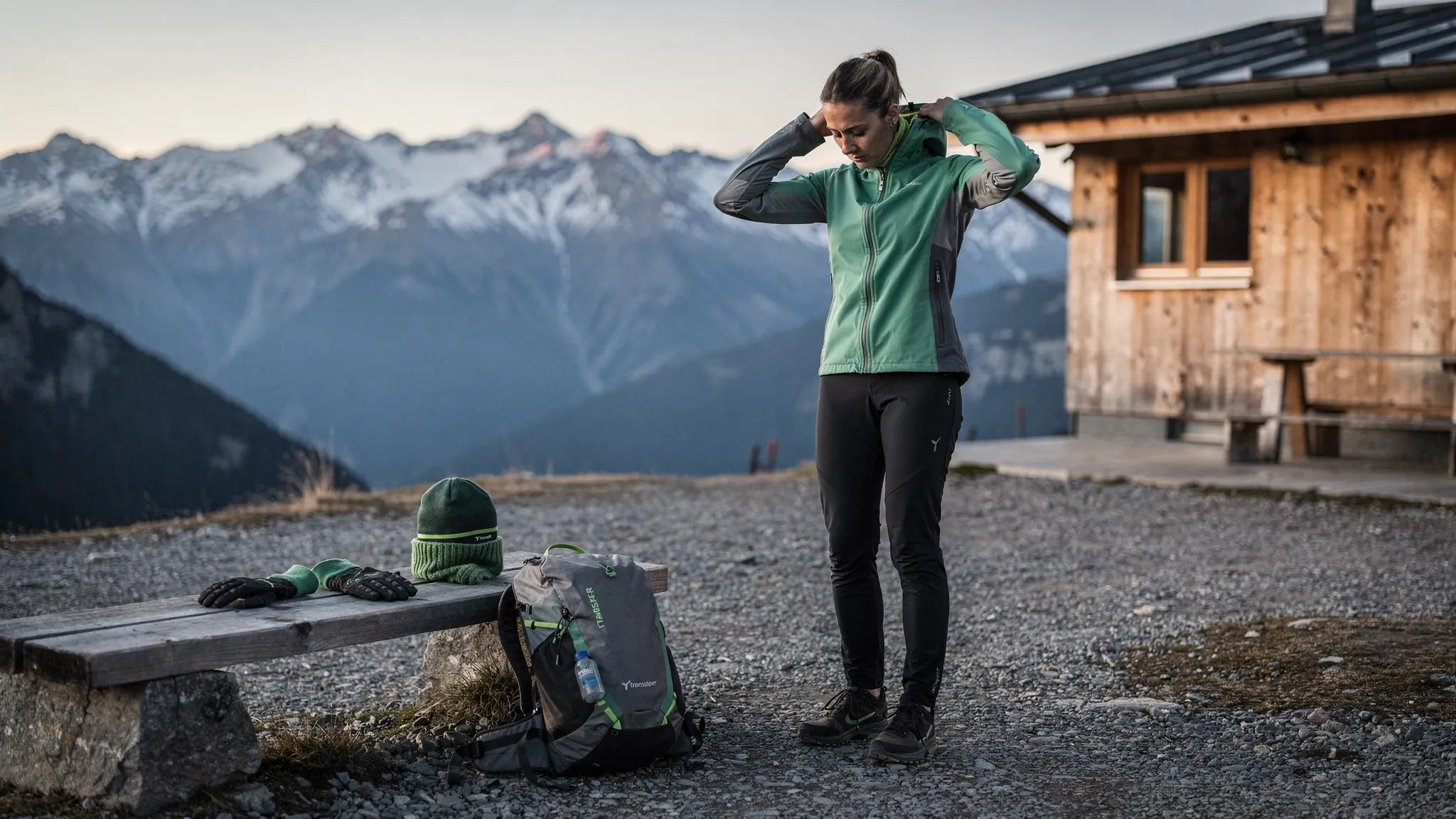
The problem is not “hot state”. It isremain stable: start with cold air, climb at a sustained pace, stop to the wind in the ridge, then descend. In these passages, a leader likeTransalper Warmworks when you treat it as aregulatorin your layered system: adds heat when needed, but must let you manage moisture and ventilation without becoming bulky.
This guide is for those who make ski mountaineering light, fast hiking, mixed days in the mountains and also for those who want a mid layer “serio” from travel.
Summary (in practice)
- Transalper Warmmakes sense as a thermal layer for dynamic activities (satellite, approaching, fast trekking), and asmid layer under a shellwhen the weather closes.
- The ideal layering depends on two variables:wind/precipitationandintensity(almost wave).
- If you're wrong, you're usually wrong here:base layer too hotorshell too soon, and finish wet.
- Fit: must allowa layer base belowanda shell above, without pulling back and chest.
Transalper Warm: what is (really) and when it comes
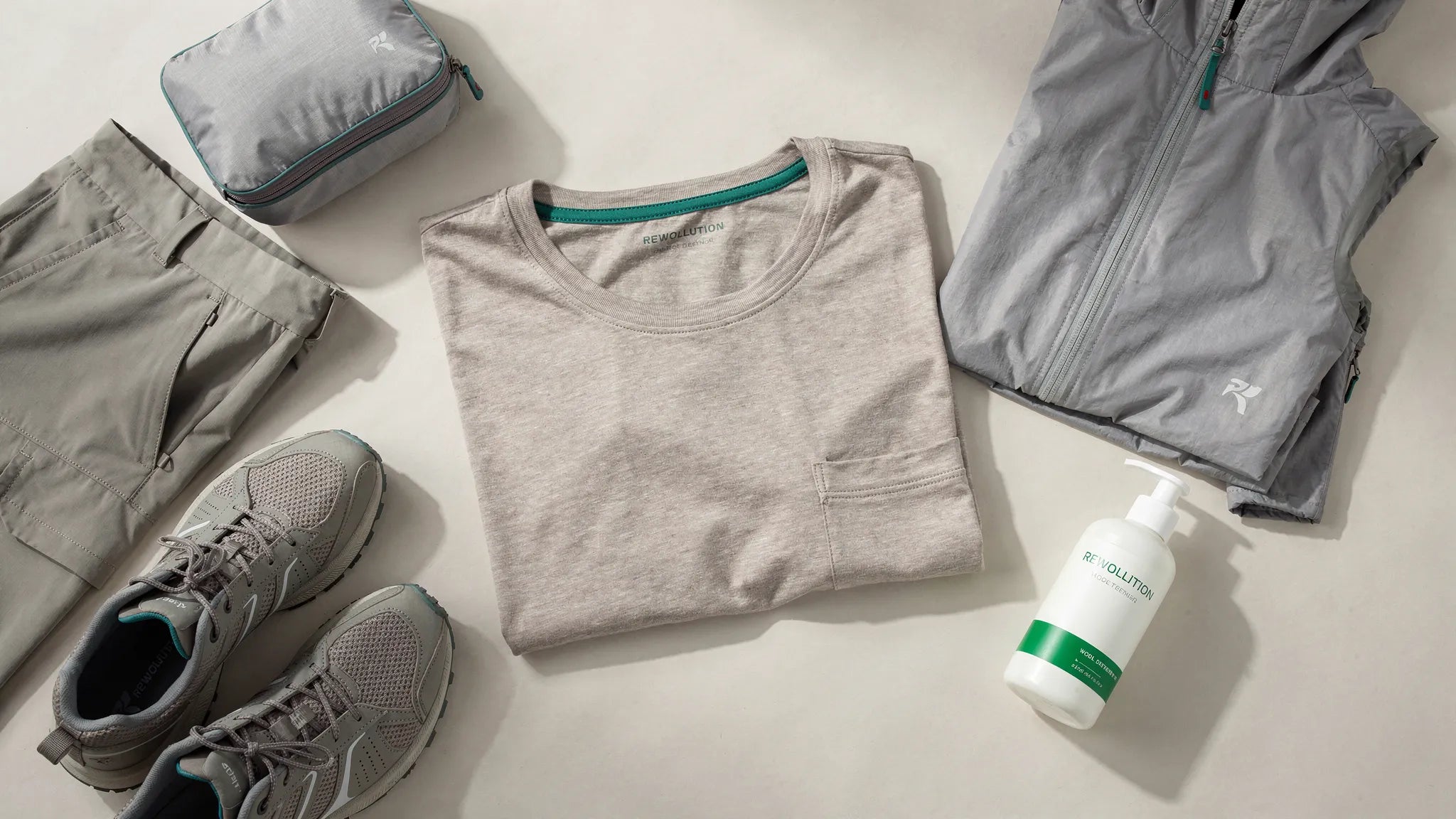
Transalper Warm is typically a “warm” head designed for active outdoors: it is not a stopover duvet and it is not a rain shell. Its most effective role is that ofbreathable thermal layerthat you can:
- useas externalin dry and fresh conditions, with moderate wind;
- useas intermediateunder a shell when they increase wind, snow, rain or when the descent requires more protection.
If you are looking for a simple reference, the logic is that of the layered system (base, mid, shell) also explained by technical guides, such as GORE-TEX layering resources (principle: managing humidity, insulation and weather protection with modular garments).
When is a “right” choice
- Average-high speed outputs: you want “portable” heat without sauna effect.
- Variable days: sun in the morning, wind in the afternoon, shadow in the woods.
- Essential kit: you prefer few pieces that cover multiple scenarios.
When is not the answer
- Long cold supports(photos, slow ferrates, shelter off season): it serves a more dedicated isolation.
- Wet weather constantly: You need a real shell above, without waiting.
Ideal layering: quick decision (meteo x intensity)
The shortcut works if you impose a rule:clothes for ascentNot for the first five minutes.
Decision tree essential
Choose the configuration from these questions:
-
Is there strong wind or probable precipitation?
- Yes: Transalper Warm under alight shell(guscio in the backpack, or already worn if it rains / snow).
- No: Transalper Warm can stayas an external layer.
-
Is your rhythm high (sudi easily)?
- Yes: lighter layer base, more attention to zip and ventilation.
- No: basic layer a more thermal wire, and Transalper Warm works more.
-
Are you going to be frequent stops or an exposed descent?
- Yes: bring an extra insulating, or plan shell immediately in stop.
- No: focus on modularity (open/close, towel/mix).
Three ready to use set-ups
| Royal Scenario | Base layer | Transalper Warm | Road above | Practical note |
|---|---|---|---|---|
| Intense climb (ski touring / fast hike) | light, quick drying | Yes | shell in the backpack | cold parts, warm you in 10 minutes |
| Wind in the ridge / descent | light or medium | Yes | shell worn | wind protection = immediate comfort |
| Cold and slow day | more thermal | Yes | shell or softshell | evaluates extra insulation for stops |

Guide to use: how to make it without overheating
A warm garment works if you use it “actively”. Don't wait to be frayed to ventilate.
Before leaving: 30 seconds checklist
- Zip: Parts with a slightly open zip if you expect straight up.
- Collo and wrists: they are your thermostats. If you are hot, open first there (even only by adjusting gloves and closures).
- Backpack: avoid unnecessary compressions. If the backpack crushes too much, loses part of the perceived insulation and increases moisture.
During the ascent: management rule
- If you feel you’re “floating”,air firstto remove layers.
- If cold wind starts,put the shell on topwithout waiting to cool off.
On stop: the micro-strategy that changes everything
On break, the body stops producing heat. The risk is to cool because you are wet.
- If you are wet: add protection above (low) or an extra layer, and close the openings.
- If you are dry: often just close zip and fix neck/poultry.
Fit and sizes: how to dress Transalper Warm to work
Here the criterion is technical, not aesthetic:must allow movement and stratification.
How it must feel
- Adherent but not compressedon chest and back: if you buy too much the layer base, lose comfort and increase sweat.
- Free shoulders: raise your arms as to fix shoulder straps or sticks. If you pull, the size is short or too slim.
- Compatible with a shell above: Try to wear (or simulate) an external layer. If “pack”, the fit is too voluminous or the sleeves are long in an unmanageable way.
Two practical tests (at home, in 2 minutes)
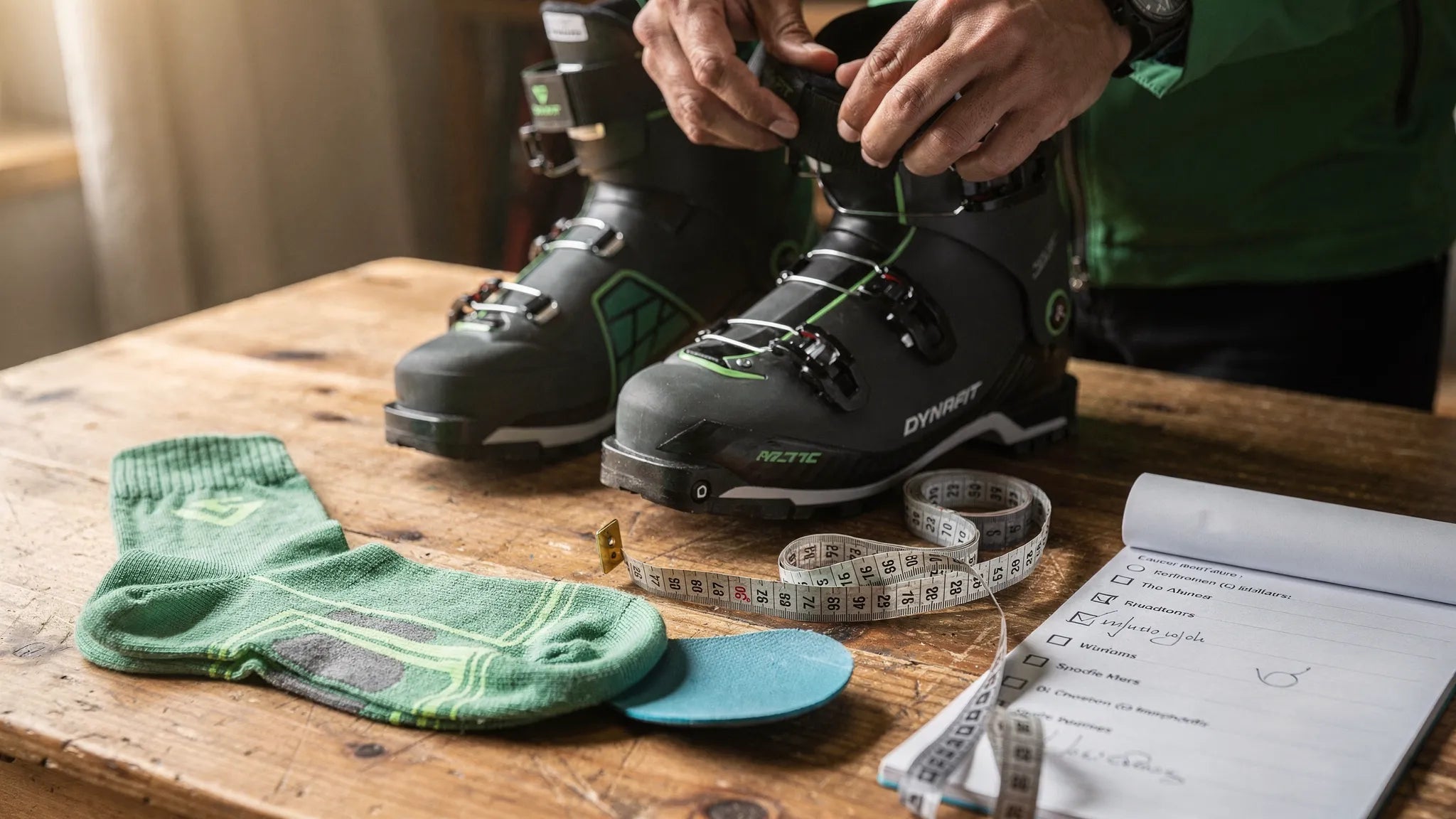
- Zip test: close everything, then fold as to fasten the boot. If the zip pulls and compels you, you need more comfort.
- Test layering: layer base + Transalper Warm + shell. Make three movements: arms up, twist, squat. You have to move without “drawing” on life and wrists.
If you are between two sizes and you know that you will often use a shell above, in most cases it is more sensibleprivileged mobility(but the decision depends on the specific fit of the model). In doubt, the cleanest way is to compare your measurements with the table and evaluate the margin, as we also suggest in our guide toonline purchase of sports items.
Smart combinations: what to put on and below
The point is not to add garments, it is to avoid doubles. Below you will find consistent combinations with real use.
Below: layer base
- If you sweat easily: lighter layer base.
- If you are cold in the first hours or take frequent breaks: medium layer base.
If you are looking for a technical but clean wardrobe also for travel and everyday, you can build an essential set starting from selected items like those in the collectionDynafit(performance approach) and flanking more transversal pieces fromLanapo( Versatile approach).


Above: shell or softshell
- Gum: when they count wind and precipitation.
- Softshell: when you want more breathability and a “continuous” protection without the sack effect.
For a modular kit setting, the logic of the “kit 4 seasons” (little heads, many combinations) explained in the guide onmountain clothing without waste.
Accessories that count more than expected
- Gloves: If you are wrong here, you feel cold even with perfect layering. If you need a dedicated guide, see ourski gloves guide.
- Hat and neck: little weight, very thermal control.
- Approaching/moving footwear: For those who use Transalper Warm also outside the technical context, a credible outdoor sneaker is more useful than it looks. You can look at the collectionFlower Mountain.


A handy reminder (ski and services in store)
If your scenario includes snow days and you want to avoid “dark” purchases, consider starting from the service: rental, set-up, maintenance. In Biella you can organize with theski rentaland, for laboratory and interventions, withsport service.
Our recommended options (to build the set around Transalper Warm)
You don't need 10 heads. We need five consistent choices. Here below you can find “type” options, so you can look for them in the shop without depending on one model.
1) Quick drying layer base
Best for:intense climbs, those who sweat easily, days with rapid exchanges of altitude.
Key features:moisture management, skin contact comfort, construction that does not irritate under shoulder straps.
What to match:Transalper Warm above, shell in the backpack. Add a dry change if the day is long.
2) Thermal layer base (when the rhythm is average)
Best for:quiet winter hiking, excursions with frequent stops, those who “lost heat” easily.
Key features:constant heat, good breathability, fit that remains stable under multiple layers.
What to match:Transalper Warm as a mid layer, softshell or shell depending on the wind.
3) Light and reliable shell
Best for:wind, snow, rain, exposed descent, unstable days.
Key features:real weather protection, well adjustable hood, manageable zip with gloves.
What to match:Transalper Warm below. Uphill stays in the backpack, wears at the first weather signal that changes.
4) Breathable Softshell (when it does not rain)
Best for:cold weather but dry, moderate wind, exits where you want to “ never change”.
Key features:superior breath compared to a shell, dynamic comfort, good freedom of movement.
What to match:base layer + Transalper Warm. If the wind rises, add a shell in the backpack.
5) Trousers with ventilation or moisture management
Best for:ski mountaineering and hiking where the lower part determines the general feeling of heat.
Key features:mobility, usable ventilation, protection consistent with snow/wind.
What to match:complete the set with gloves and technical socks. For a quick check on what to control, see also the guide toski pants.
6) Low bulk “termic” accessories
Best for:who wants margin without bringing an extra head.
Key features:Cap and neck compressible, gloves with dexterity enough for zip and adjustments.
What to match:use them as control variables before changing layers (often resolved without removing anything).

Common errors (and how to avoid them)
1) Start too much clothes.If you start hot, after 15 minutes you are wet. Start slightly fresh, then adjust.
2) Use a layer base too often.Transalper Warm transforms into a “oven”. Better lighter layer base and zip management.
3) Put the shell too soon.If you do not need weather protection, the shell often retains moisture. Wait for the wind or the precipitation, or use a softshell.
4) Wrong fit.If you pull on your shoulders or compress your chest, do not wind well and feel “closed”.
Closing: what to do now
If you're building a set aroundTransalper Warm, the cleanest approach is to choose first layer base and external layer, then finish with accessories. To start immediately, explore our selectionDynafitand, if you want a quick advice on sizes and compatibility between layers, contact customer service or go to shop in Biella, especially if you also need to arrange rental or laboratory throughsport service.
Ski Sises on Google
Choose Ski Sises as a preferred source: you'll see our guides and news more often in Top stories on Google.