Flower Mountain for hiking: when they make sense
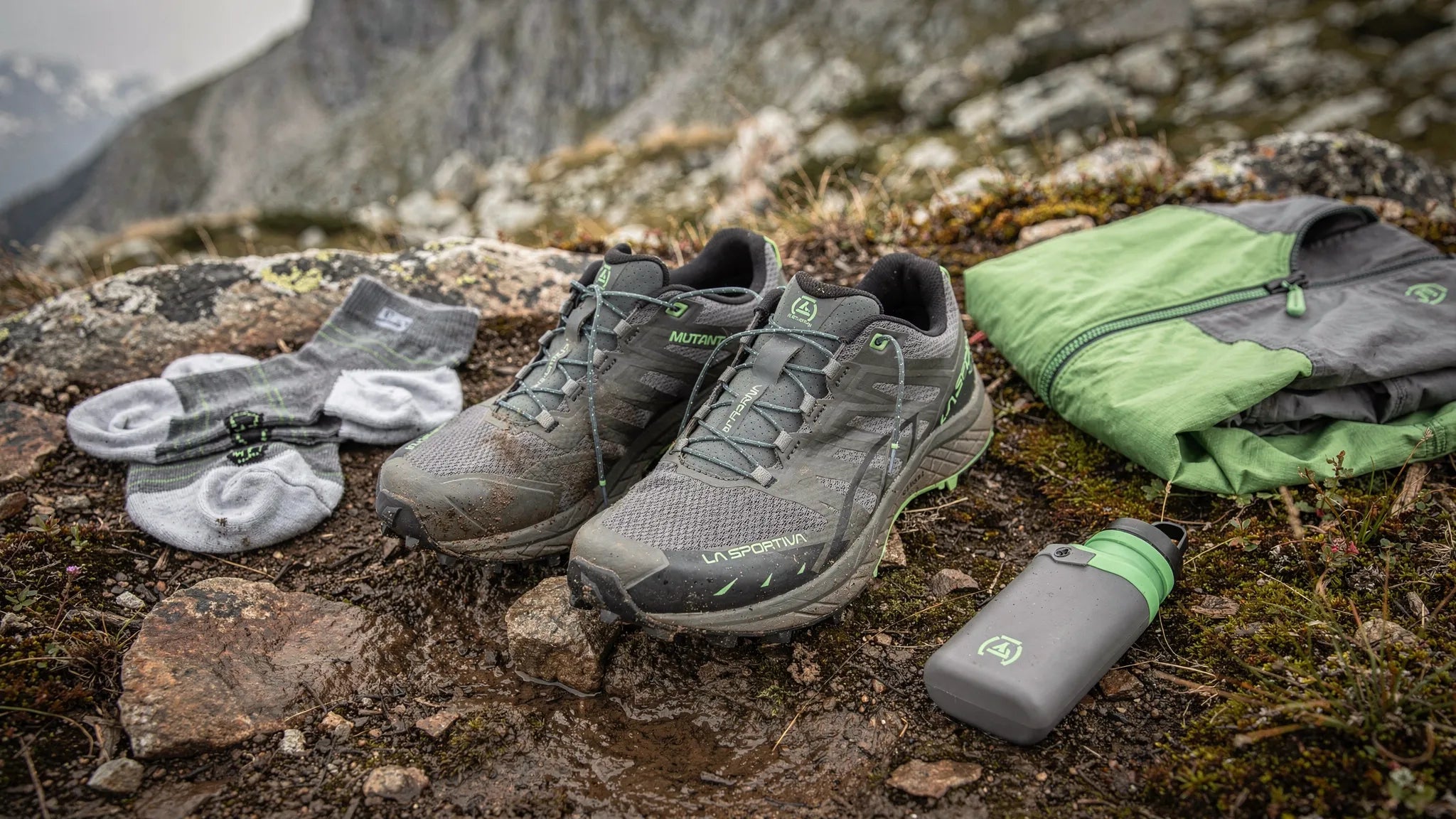
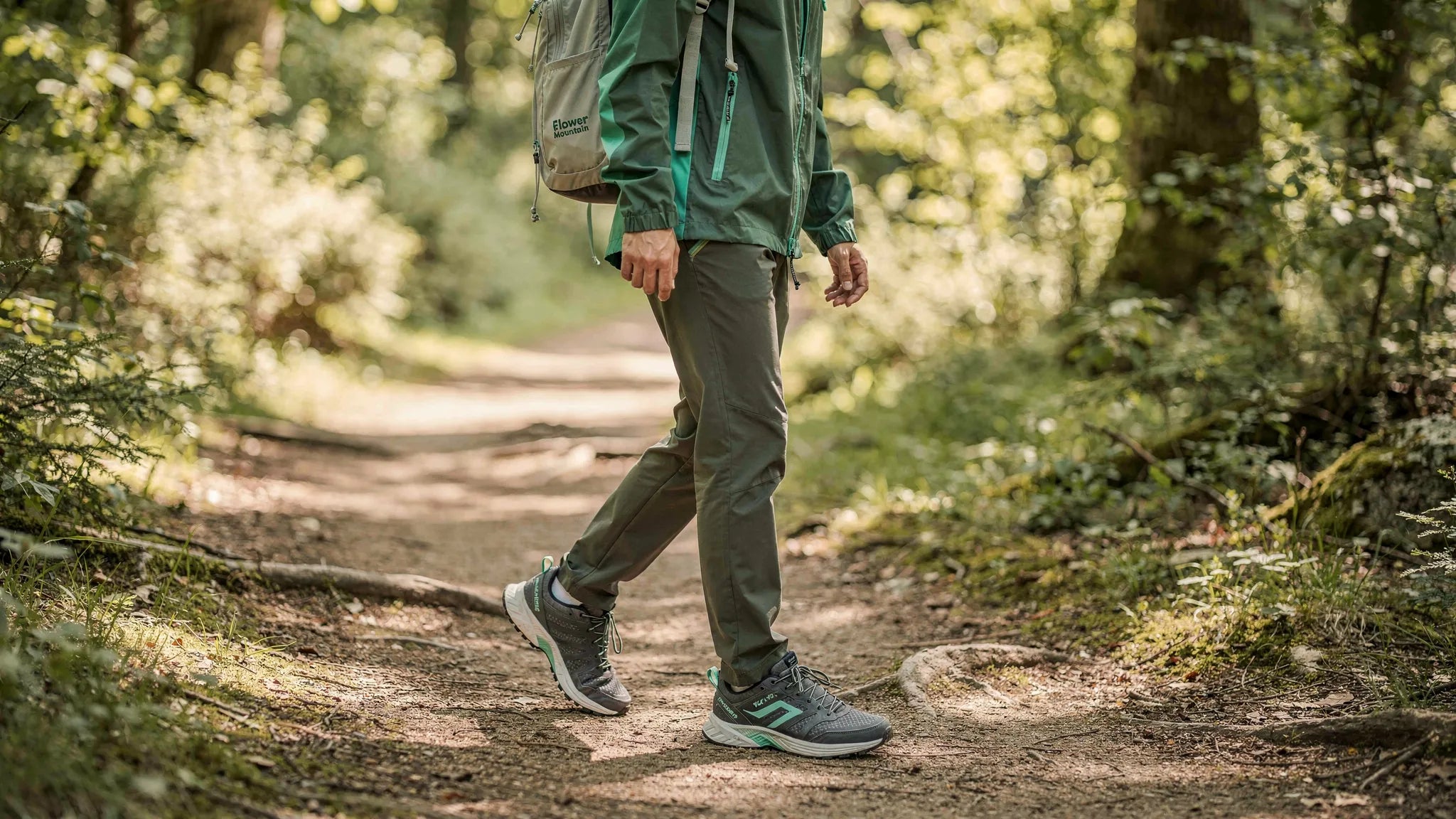
If you’re wondering whether the Flower Mountain are really good for hiking, you’ve probably guessed the point: they’re not “boots”, but they’re not simple sneakers either. They’re hybrid shoes, often chosen by people who travel a lot, switch between city and nature, and want a single shoe for long days.
Here you’ll find a practical guideline to decide when they make sense, when it’s better to switch to a technical hiking shoe, and how to tell if the fit is really suitable for walking off the asphalt.
In short (quick answer)
- Yes, Flower Mountain make sense for hiking for easy walks, beaten trails, hills, woods and “travel + light outdoor” itineraries.
- No, they aren’t the ideal choice for technical trails, scree, deep mud, snow or heavy backpacks.
- The variable that decides is stability: uneven ground, load and elevation change increase the need for support.
- Recommended fit: toes free and heel secure, with a fit check using the right sock and simulating a descent.
- If the outing gets more serious it’s worth aiming for a technical shoe from the outdoor selection, for example Dynafit.


What they really are: outdoor sneakers, not “mountain boots”
The question “are they good for hiking?” often comes from a misunderstanding: many Flower Mountain have an outdoor look and a sole chunkier than a city sneaker, so at first glance they seem ready for any trail.
In practice, however, their use remains closer tooutdoor lifestyle: prolonged comfort, versatility and traction for mixed surfaces, but without some qualities typical of a technical hiking shoe, like pronounced structural support, protection designed for repeated impacts on rocks and very rigid torsional control.
That’s why they make sense mainly when the route stays simple and you can maintain a natural, continuous stride without constantly correcting your footing.
Think of them as a sensible choice for:
- long weekends with many hours on your feet
- walks on compact dirt and simple trails
- woods, hills, parks and beaten paths
- itineraries where you want “one shoe” that also works in urban settings
- travel days alternating city center, walking sections and light nature
And as a risky choice for:
- long descents on rock and loose stones
- crossing unstable ground
- trekking with a heavy backpack and precise foot placements
- very wet surfaces, deep mud or leftover snow
- outings where the ground forces you to search for every single foothold
Decision in 60 seconds: when they make sense
If you want a quick answer, the logic is: the more predictable the ground, the more the choice can stay with an outdoor sneaker; as elevation gain, instability and load increase, the more you need a technical shoe.
Yes, so if your hiking coincides with beaten trails, woods, hills, forest roads, parks or mixed city + nature days. In those contexts comfort and versatility can matter more than maximum structure.
The picture changes when the route becomes long, rough or demanding. If there are many stones, loose scree, prolonged descents or a heavy pack, the need for support rises quickly. In that case Flower Mountain may no longer be enough, even if at first glance they seem sturdy.
A practical rule: if the ground forces you to “search for footing”, you want a technical shoe. If instead you walk in a smooth, continuous way, without having to check every step, an outdoor sneaker can make a lot of sense.
Checklist: what to check before using them on trail
Flower Mountain can work well for light hiking, but not all the same and not for every foot. Before taking them out, it’s worth doing a simple but concrete check.
- Real traction: the sole must provide credible grip on dirt and mixed ground, not just have an outdoor look.
- Stability: if the shoe twists easily, on uneven ground the foot works harder and tires sooner.
- Heel: it must stay firm on descents, otherwise rubbing and blisters increase.
- Toe room: you need margin in front of the toes, especially when the foot slides forward on descents.
- Front protection: if you frequently hit roots and rocks, a more protected toe makes a real difference.
- Wet-weather handling: occasional rain is fine, but if you expect constant wet grass or mud it's better to be cautious.
- Consistency with your real use: a short, easy walk doesn't need the same shoe as a full day with elevation gain.
The key point isn't asking whether they’re “good” in general, but whether they’re good for your trail, your stride and your load. That's where you understand if they’re a smart solution or too big a compromise.

Fit and size: how to try them for walking, not just for “looking good”
In light hiking, the difference between “okay” and “great” is almost always the fit. A shoe can feel comfortable standing still and prove unstable once pace, wear time and descents increase.
That's why fit should be checked in motion, not just in front of the mirror. The goal is simple: stable foot, toes free, no obvious pressure points.
Test protocol (5 minutes)
- Wear the sock you will actually use, not a thin city sock.
- Lace up and walk for a few minutes, don't stop at the first impression.
- Try a flight of stairs downhill: toes shouldn't hit the front.
- Check the heel: if it lifts a lot, friction and instability increase on trail.
- Make two quick direction changes: if the foot slips inside the shoe, control on dirt drops.
This test matters even more if your use is hybrid. A shoe designed for travel and light outdoor use should stay comfortable for many hours, but also prevent those small internal movements that after a few kilometres turn into blisters or fatigue.
Socks: the detail that changes everything
For light hiking and travel, a more technical sock often helps more than you’d think. It’s not a minor detail: it changes how the foot sits in the shoe and can greatly improve the overall feel while walking.
- reduces rubbing
- better manages moisture
- makes the fit feel more “built-in”
- helps understand if the fit is correct for real use
If you’re building a coherent kit for outings and trips, you can pair outdoor sneakers with essential garments and layers from the selection Lanapo, designed precisely for a hybrid city + outdoor use.


Our recommended options (curated choices, based on use)
Here you won’t find “the best shoe overall”, but a cleaner way to read the Flower Mountain family according to real scenarios. The right question isn’t which is the prettiest or most versatile on paper, but where you will actually use it.
1) Flower Mountain Yamano
Best for: travel, city + easy trails, long days on the move.
Why it makes sense: it’s the most coherent choice if you’re looking for a single shoe for mixed itineraries, with a light outdoor vocation yet still very easy to wear in urban contexts.
What to pair it with: travel trousers, a light shell if the weather is variable, and a technical sock.
2) Flower Mountain Kotetsu
Best for: walks on compact dirt and easy routes where you want more presence underfoot.
Why it makes sense: it stays in an outdoor-lifestyle territory, but with a firmer setup than a pure sneaker, useful when pavement gives way to mixed surfaces and forest.
What to pair it with: an essential outfit with a breathable base layer and a light mid layer.
3) Flower Mountain Back Country
Best for: pushed light outdoor, for when you more often encounter gravel, roots and uneven but non-technical terrain.
Why it makes sense: it’s the idea’s closest proposal to a bridge between sneaker and outdoor shoe, useful if your use shifts more consistently toward the easy trail.
What to pair it with: light backpack, more durable trousers and socks with good moisture control.
4) Flower Mountain Pampas
Best for: everyday use with uncomplicated outings into nature, urban walking and weekends.
Why it makes sense: suitable if hiking is occasional and stays on easy paths, where comfort and versatility come before maximal structure.
What to pair it with: minimal capsule with an outer layer and two combinable mid layers.
5) Flower Mountain Mid (higher-profile versions)
Best for: cool days and variable conditions, when you want a more enveloping feel.
Why it makes sense: the greater coverage can be interesting for those who walk often in the shoulder seasons or seek a slightly higher sense of protection compared to the low profile.
What to pair it with: a shell or light windbreaker and a thermal mid layer, especially if you stop often.
6) If hiking gets serious: technical alternative (Dynafit)
Best for: elevation gain, high pace, more demanding terrain and trails that require precise foot placement.
Why it makes sense: when stability, protection and precision really start to matter, a technical shoe is more consistent than an outdoor sneaker, however well made.
What to pair it with: essential trekking kit in layers and an appropriate sock. You can start from the selection Dynafit.
Common mistakes (and how to avoid them)
The quickest way to fail with an outdoor sneaker is to use it out of context. Not because it’s a bad shoe, but because you’re asking it to do a job different from the one it’s really meant for.
- Taking them on a technical trail because “they look sturdy”: aesthetics do not replace structure and support.
- Trying them with the wrong sock: changes perceived fit, rubbing and control.
- Keeping the lacing too loose: on dirt you lose precision and increase micro-movements of the foot.
- Ignoring the load: a heavier backpack raises the stability demand much more than expected.
- Confusing initial comfort with trail suitability: feeling fine in the first few minutes doesn't mean you'll be fine after hours of walking.
- Underestimating descents: it's often there that an incorrect fit, toes that bang and an unstable heel emerge.
If instead you are preparing a more complete setup among clothing, accessories and layering logic, the guide on can also be useful to you trekking clothing: essential kit and smart choices.
Ski Sises on Google
Choose Ski Sises as a preferred source: you'll see our guides and news more often in Top stories on Google.