Article: Scarpa trekking Montura: how to orient yourself if you're really choosing a trekking shoe
Scarpa trekking Montura: how to orient yourself if you're really choosing a trekking shoe
- 8 in the guide
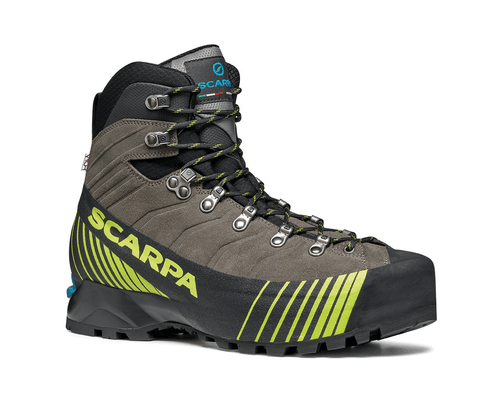



 Ribelle HD Shoes - Yellow
€295,20
View →
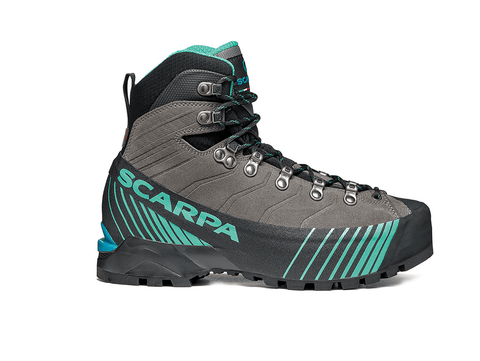
 Ribelle HD Shoes - Grey
€295,20
View →
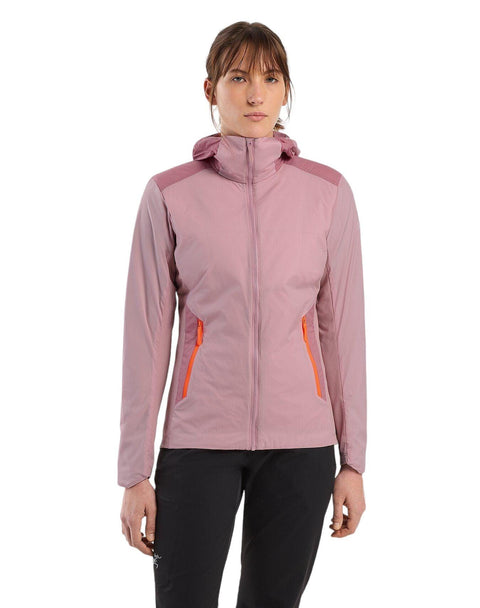
 Women's Atom Lightweight Hoody Jacket Bliss/Spark
€180,00
View →
 LS Half Zip T-shirt - Blue
€125,00
View →
 Men's Retro Pile Flacee Jumper New Navy
€153,00
View →
 Men's Atom SL Jacket Cloud
€216,00
View →
 Polar Cap Neck Warmer - White
€31,20
View →
 Polar Cap Neck Warmer Black
€31,20
View →
Products in this guide
On screen
Ribelle HD Shoes - Yellow
€295,20
View →
On screen
Ribelle HD Shoes - Grey
€295,20
View →
On screen
Women's Atom Lightweight Hoody Jacket Bliss/Spark
€180,00
View →
On screen
LS Half Zip T-shirt - Blue
€125,00
View →
On screen
Men's Retro Pile Flacee Jumper New Navy
€153,00
View →
On screen
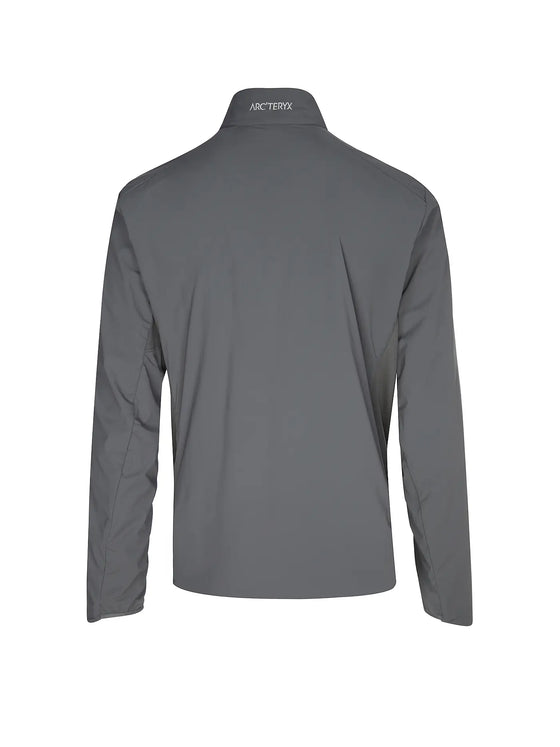
Men's Atom SL Jacket Cloud
€216,00
View →
On screen
Polar Cap Neck Warmer - White
€31,20
View →
On screen
Polar Cap Neck Warmer Black
€31,20
View →
If you’re looking for a scarpa trekking Montura, you’ve probably already ruled out walking shoes and want something that handles trail, elevation gain and changeable weather better. The point isn’t the brand name alone. To choose well, what matters more is where you really walk, how many hours you spend outside and how often you find uneven, wet or steep ground. On easy outings an overly structured scarpa can weigh you down and make you less nimble. But when pack weight, hours on foot and technical terrain increase, support, foot retention and protection start to matter. Testing remains decisive. trekking collection With Ski Sises the advantage is exactly that: comparing different roles without reducing everything to the brand.
In short
- Use first, then the name: easy trail, long hikes and technical ground call for different shoes.
- Membrane only when needed: useful with rain, wet grass and mud; less breathable when it’s hot.
- More structure isn’t always better: stiffness and protection make sense only if the route truly requires them.
- Field testing is still decisive: Toe box volume, heel hold and pressure on the instep change far more than the logo.
From the catalogue
Explore the models
Open a photo for details



The first fork is the terrain you use most often
The useful question isn't which is the best scarpa for trekking overall. It's much more concrete: what type of routes do you usually walk?
If you do day trips on dirt roads, mule tracks and marked trails, a lighter, less stiff scarpa is often preferable. You get a more natural stride, less bulk and less pointless fatigue at the end of the outing. In that context, buying a very technical shoe just for peace of mind isn't always a good idea.
When outings get longer and you start carrying a backpack with some weight, the scarpa has to do more. A sturdier upper matters, a sole that supports on loose ground and a structure that better holds the foot on traverses and descents. Here a too-soft scarpa can show its limit after a few hours, not in the first ten minutes.
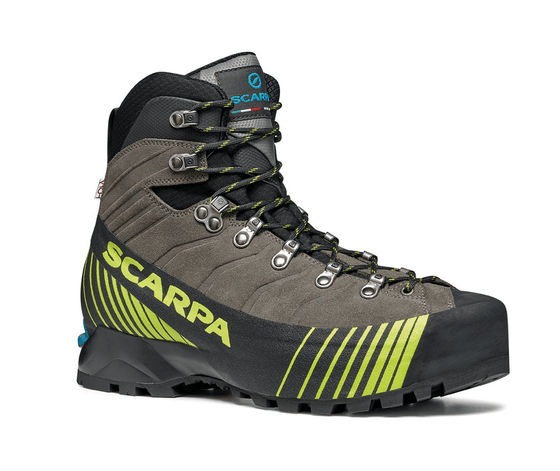
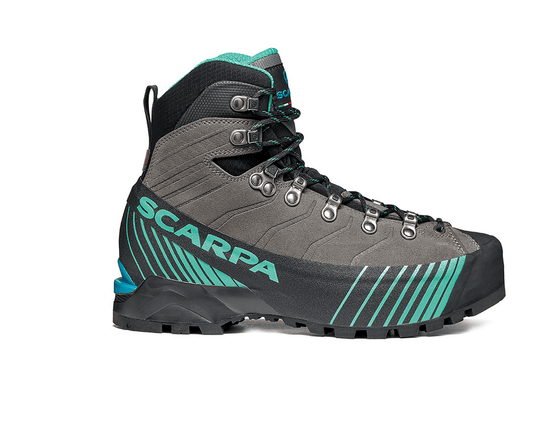
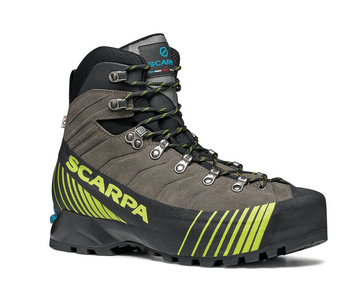
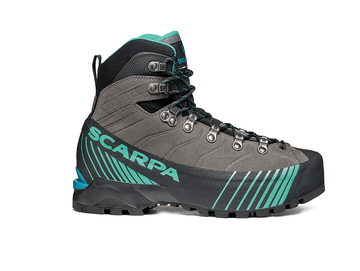
On technical terrain the logic changes again. Rock, scree, steep or unstable sections demand more protection and support. In the current selection, for example, Ribelle HD Men's Yellow Shoes and Ribelle HD women's grey boots They show what it means to move up a class: an HDry waterproof, breathable membrane; Perwanger suede upper; Vibram outsole; and a dual-density PU midsole. Those features help when terrain gets truly demanding. The drawback is simple: for easy or occasional hikes they may be more boot than you need.
Scarpa trekking Gore-Tex or not: choose the membrane based on the season
Many searches start with “scarpa trekking Gore-Tex”, but the question to ask is this: how often do you hike on wet ground or in uncertain weather?
An impermeable membrane makes sense in mid-season, on wet grass, mud, intermittent rain, or trails still damp in the morning. In those situations the benefit is real: your foot stays more protected and comfort lasts longer. It's not a trivial spec. After a few hours, having wet feet really changes the quality of the outing.
There's a compromise. A scarpa with a membrane, even when breathable, usually vents less than one without. In high summer, on dry, hot routes, it can feel warmer than necessary. For that reason, waterproofing shouldn't be treated as an automatic requirement.
Not every shoe in the current catalogue lists the same technology. The Ribelle HD mentioned above uses HDry and the product page describes them as waterproof and breathable. For you, though, the membrane's name isn't the point. What matters is whether that level of protection matches the outings you actually do.
Montura, La Sportiva and other brands: consider the role they play, not just their reputation
Montura, on the official pages provided, lists hiking and trekking among its outdoor areas and presents its garments with emphasis on breathability, freedom of movement and thermal regulation. That gives a useful hint about the world the brand moves in. It doesn't, however, tell you how a specific scarpa will fit your foot or how structured it will be.
The same applies when you look for a scarpa for trekking from La Sportiva. A brand heavily focused on technical mountain terrain can be an asset if you tackle steep, rocky or frequent routes. If instead you do one or two hikes a month on relatively simple trails, picking by reputation alone can lead you to a shoe that's too specialised.
The most sensible comparison isn't between absolute brands. It's between levels of use. The brand helps you navigate selection; the actual construction of the scarpa decides whether you'll use it well or not.
The checks that really matter when you try a scarpa
The first is the space in front of your toes. Standing still it may look sufficient, but downhill your foot moves forward. If it's already tight in the shop or at home, outside the issue tends to get worse.
The second is heel hold. If your heel lifts too much, walking loses precision and friction increases. On short outings it may seem tolerable; after hours, much less so.
Then check the instep and the forefoot. A scarpa can be fine in length but pinch on top or at the sides. That often happens with the more structured models, which seek a tighter fit.
Finally, watch how it behaves with your gait. If you immediately feel excessive stiffness compared with the routes you actually do, pause. More support helps on certain terrain, but out of context it can just be less comfortable. If you're building the whole kit, you may also need the guide on how to choose gear for trekking, because the scarpa only works well as part of a coherent system.
The rest of the system can confirm or ruin your choice
A trekking scarpa doesn’t work alone. Its feel changes with the sock you wear, your pack weight and the season. The same model can feel right in a quick test but then be too warm, too dry or not supportive enough on an outing if the rest of the system isn’t coherent.
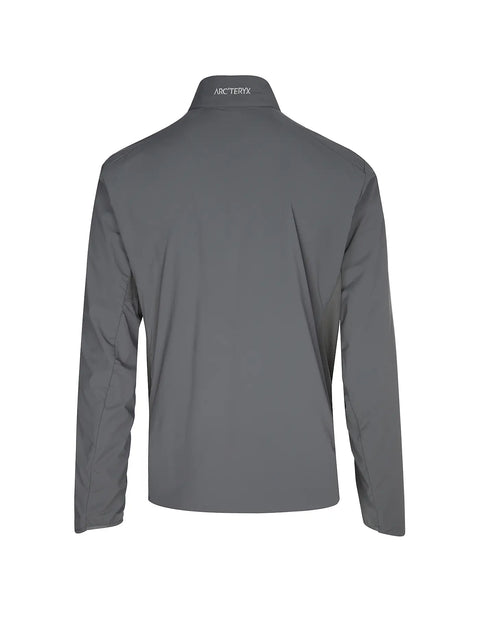
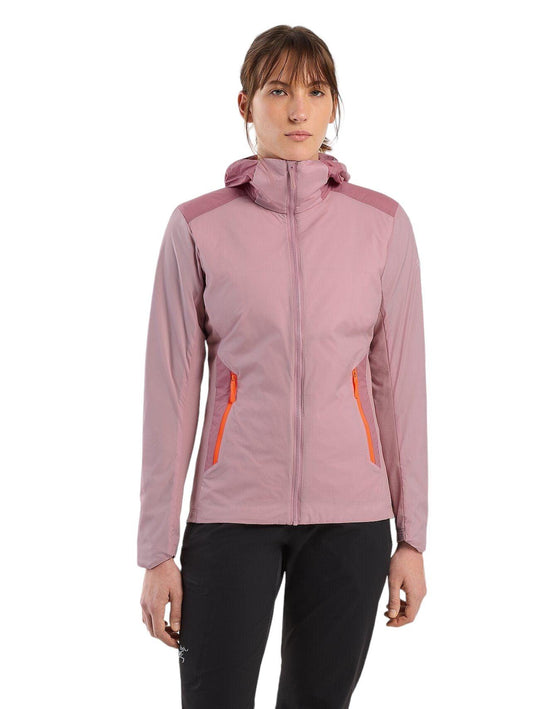
For that reason it makes sense to think about layers too. If you move at a steady pace and want a lightweight midlayer, the Atom Lightweight Hoody Jacket — Women's Bliss/Spark it pairs Tyono fabric 20, elastic fleece side panels, a water‑resistant DWR finish and Coreloft insulation in the chest and back. It's useful when you want to manage movement and variable weather without too much bulk. The limitation is simple: it doesn't replace a waterproof shell in continuous rain.
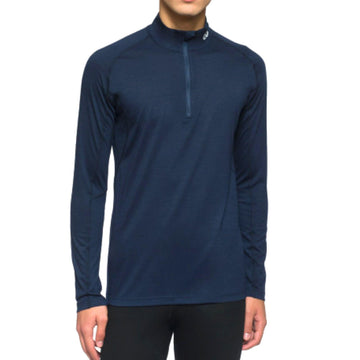
If instead you want to work on the base layer, a merino wool top like the T-shirt LS Half Zip — Men's Blue It can make sense for temperature regulation and natural odor control. It's especially good if you go out repeatedly in cool conditions. If you mostly walk in mild or warm weather, you might prefer a lighter base layer. It's a simple check, but it prevents duplicate purchases.
A useful look to separate trekking use and everyday wear
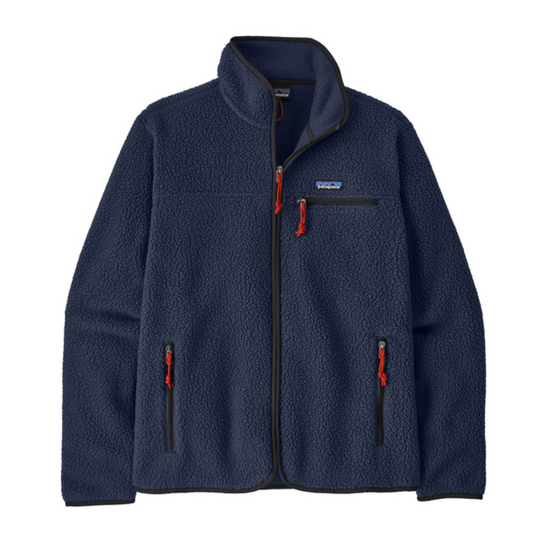
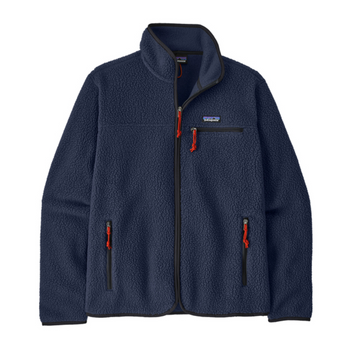
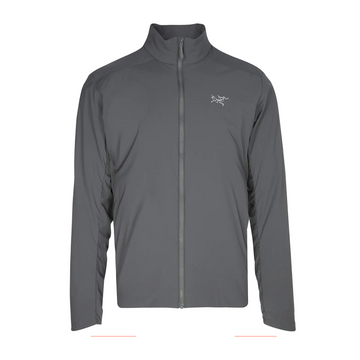
The “Clean Technical Blue” look clarifies a distinction often overlooked: not everything has to be technical at once. The Retro Pile Flacee men's top New Navy adds warmth and bulk to the upper body; the Cloud Shoes 6 Men's Midnight/White keep a clean setup for commuting and mixed days; the Pants 517 Wash 81 Men's Denim remain everyday pieces; the Atom SL Jacket Men's Cloud adds a light outer layer; the Black Hole 55L Bag Noble Grey rounds out the set sensibly for weekends and travel.
It's not a technical-trail look, and that's exactly why it's useful. It reminds you that a real scarpa for trekking is needed when the terrain warrants it. Outside of that, it's often smarter to separate outdoor use from everyday wear instead of asking a single shoe to do everything.
A practical rule to avoid choosing the wrong category
If your usual trekking means easy paths, a few hours and fairly even ground, don't start with the most protective model you find. Instead look for a scarpa balanced for comfort, sole grip and support. If you go out often, carry a pack and face harder or unstable terrain, it makes sense to step up in build and consider a waterproof membrane. Choose very protective models like the Ribelle HD only because your use truly requires them, not to give yourself extra technical margin.
The simple rule is this: choose the scarpa for the route you do most often, not for the most demanding one you imagine once or twice a year. If you want to compare available options, you can start from the trekking selection from Ski Sises and take your time to check which models truly have the level of structure and protection you need.
From the catalogue
Choose a model
Open the product page for sizes and details.



FAQ
Is a low scarpa or a hiking boot better for a one-day trek?
It depends on the terrain, your pack and the stability you want. For a one-day trek on well-kept trails with a light load, a low or lightly structured scarpa can be enough and is often more nimble. If the route is steep, rocky or includes long descents, a hiking boot can give more support and protection. The trade-off is extra weight and less agility. Before choosing, think about your typical outings, not the rare hardest trip.
Do you always need a stiffer scarpa when carrying a heavy pack?
Not always, but you usually need more structure than for light use. As pack weight rises your feet work harder, especially on descents, traverses and unstable ground. A more supportive scarpa can help you keep a controlled stride and reduce foot fatigue over many hours. If your pack stays moderate and the terrain is easy, too much rigidity can just be less comfortable. Judge practically by weighing carried load, typical outing length and trail quality.
How can I tell if the trekking scarpa size is right for descending?
The important check is at the toes and behind the heel. Going downhill the foot tends to slide forward: if you already feel the toe box close when standing, you risk banging your toes after a short walk. At the same time the heel must not lift too much, otherwise friction and loss of precision increase. Try the scarpa with the socks you actually plan to wear and take a few steps simulating a gentle descent or shifting your weight forward. If your foot moves forward too much or the heel shifts, the size or volume isn’t right.
If I trek only a few times a year, is it worth buying a technical scarpa?
Only if those rare outings are already demanding. If you walk infrequently but on easy or moderate trails, a highly specialized scarpa may cost more without giving you real benefit. In that case it makes more sense to choose a balanced, easy-to-use shoe. If your occasional trips involve rock, big elevation change or unstable terrain, a higher technical level can be justified even with low frequency. The correct criterion is the typical difficulty of your days out, not how often you go.
Is a waterproof scarpa uncomfortable when it’s hot?
It can be more than one scarpa without a membrane, because generally it ventilates less. That doesn't mean it's the wrong choice: if you often encounter wet grass, mud, rain or damp trails, waterproofing remains a real advantage. The point is to accept the trade-off. On dry, very hot summer treks, a scarpa without a membrane can feel airier and more comfortable. In shoulder seasons and changeable weather, water protection often outweighs the lower ventilation.
Ski Sises on Google
Choose Ski Sises as a preferred source: you'll see our guides and news more often in Top stories on Google.