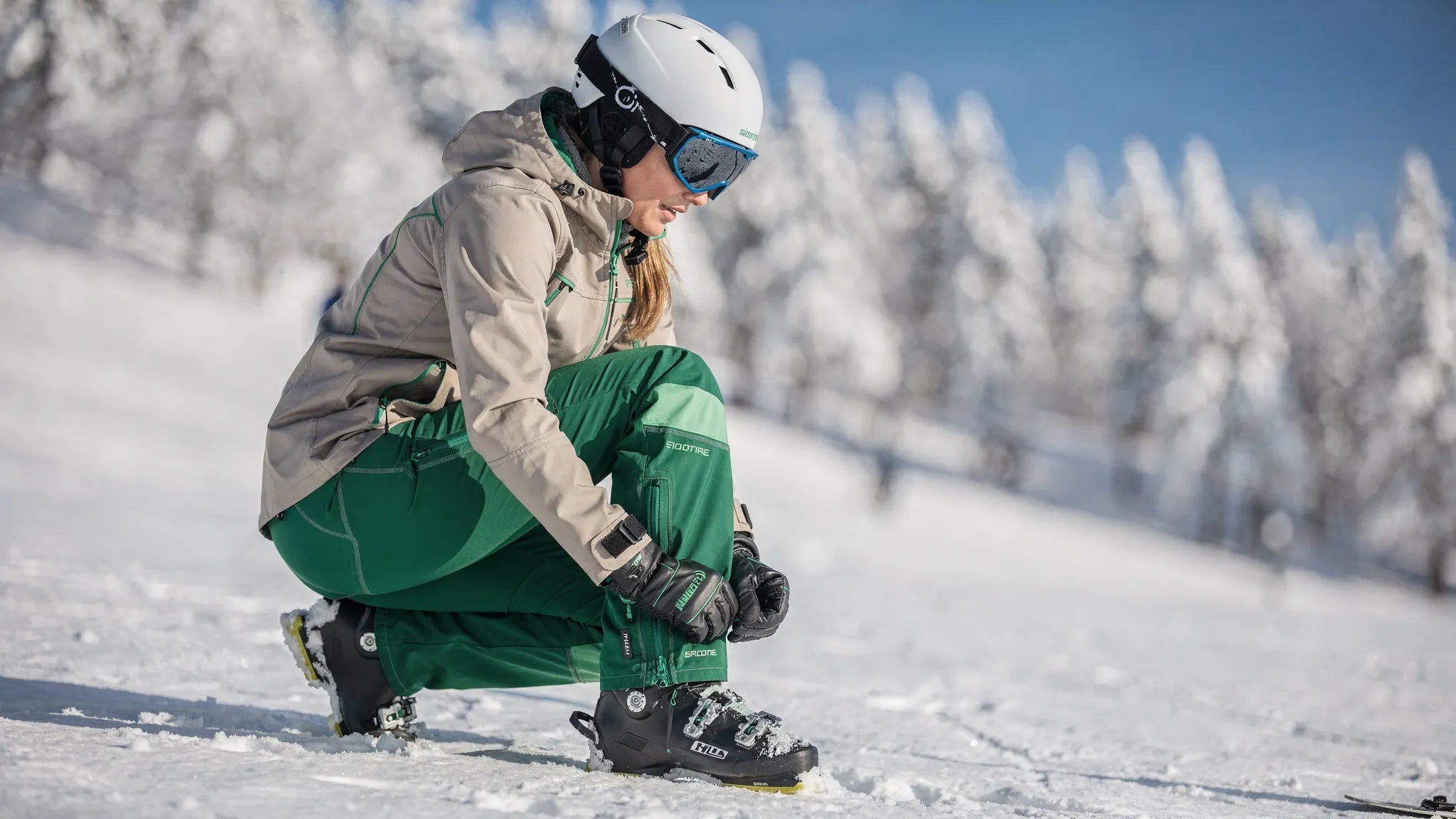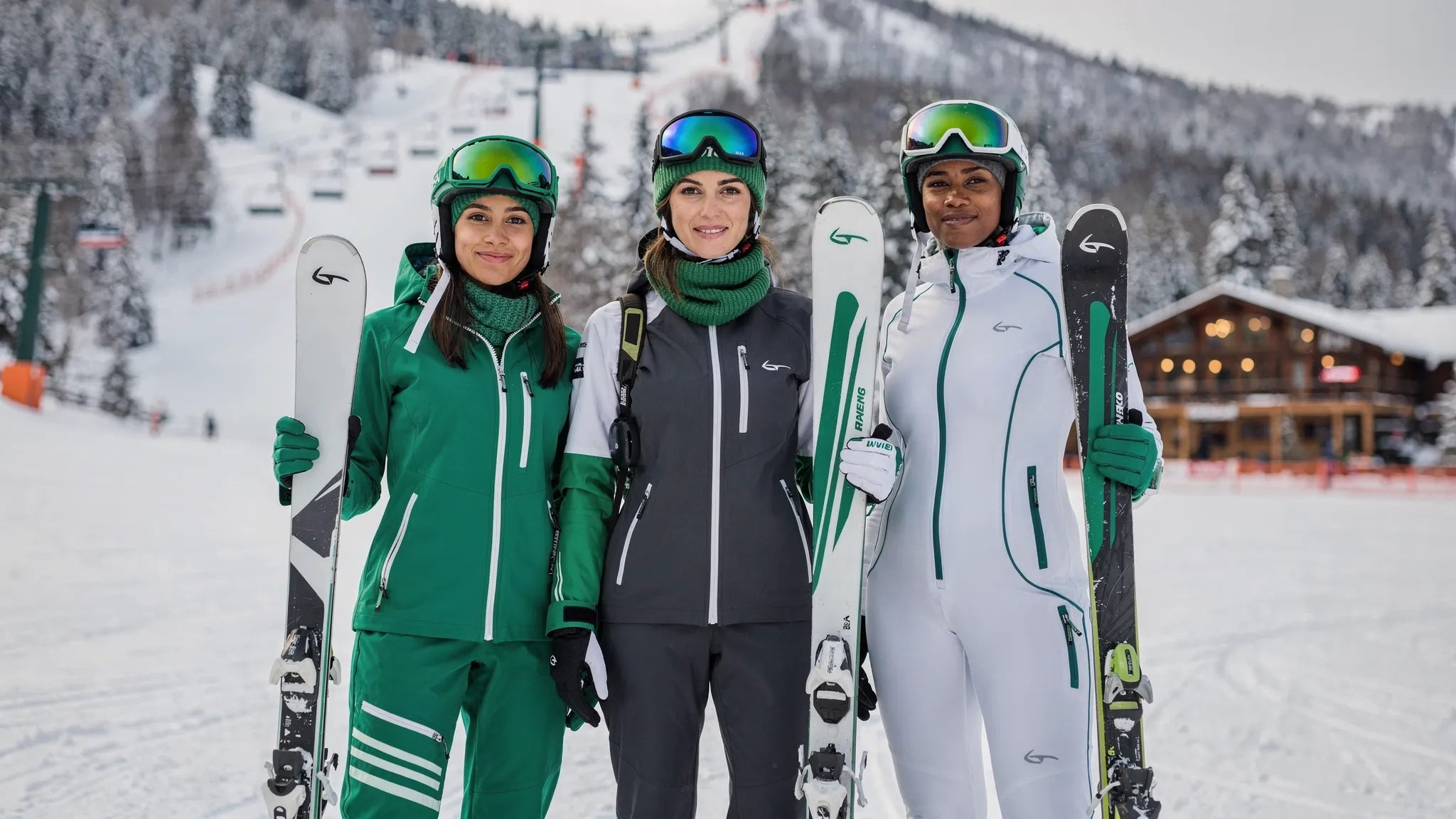
















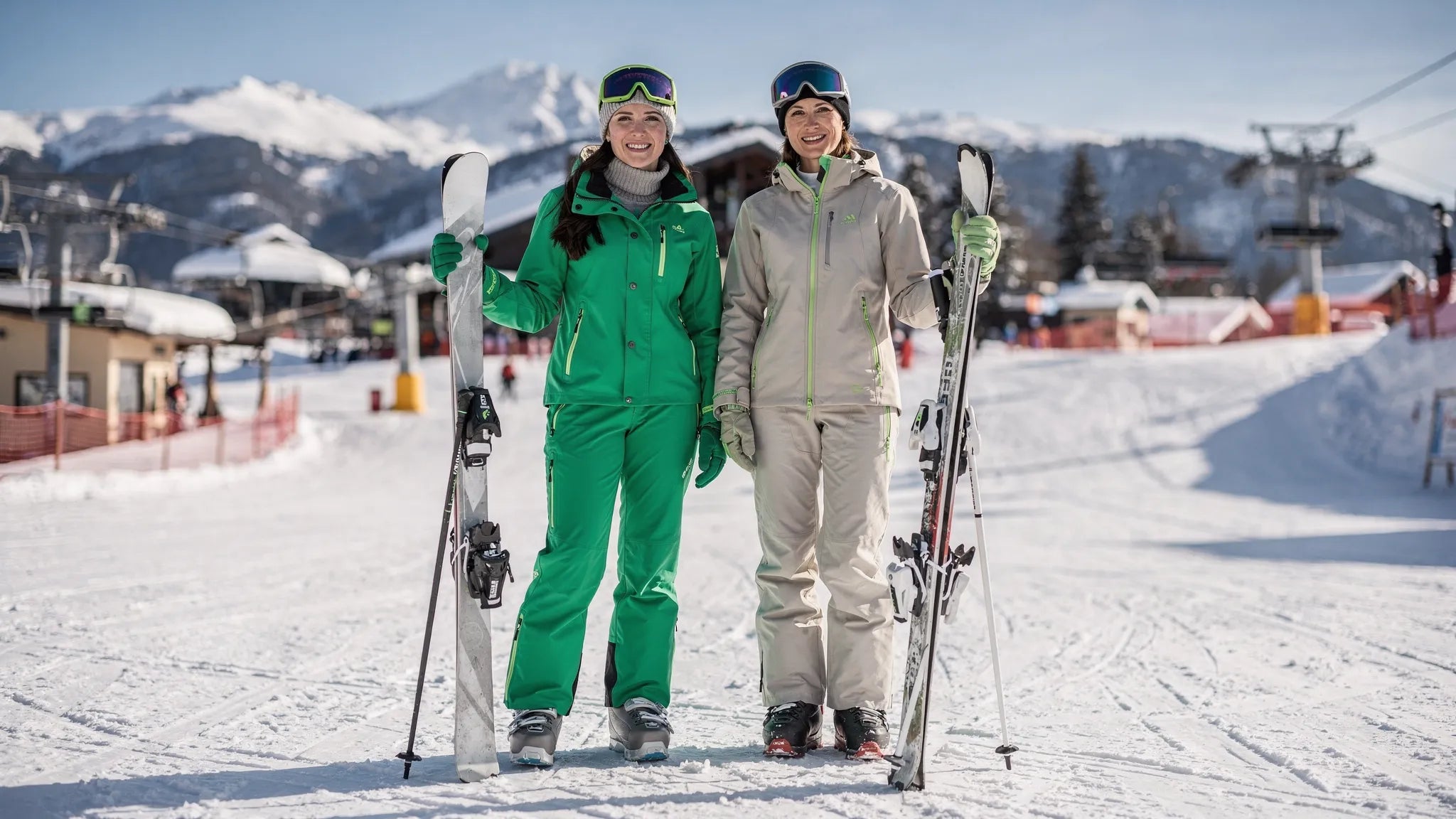
Ski pants woman: shell or padded?
Choose aSki pants womanseems easy until you are between two extremes: the shell that “respirates” but requires strategy in the layers, and the ambush that promises immediate heat but can become too much. This guide is for those who ski on the track (from the first white week to the most regular seasons), for those who are cold easily, and for those who want an essential set that functions in multiple conditions, without buying two pants.
Summary (in short)
- Choose the shellif you want a modular trousers, with more control over heat and breathability, and if you ski in varying conditions.
- Choose the paddedIf you ski often in the cold, take many breaks, or want immediate comfort with less “management” of the layers.
- The correct choice depends mainly onperceived temperature, wind, ski rhythm and amount of stops, not technical.
- Any model you choose, counts more than anything:fit (heart and knee), usable ventilations, gaiter, bottom leg and reinforcements.
Smooth or padded: what really changes
A ski pants can be read as a system.
- Theshell shellis the outer layer: protects from snow, wind and humidity. The heat “build” under layer and mid layer base.
- Thepaddedit also integrates a share of thermal insulation. It makes your life easier when temperatures drop and when your heat production is low.
The practical difference is one:how much control you want.
- With a shell you are more flexible between mild days and cold days, but you have to adjust the layers.
- With a padded seat you have a feeling of comfort more immediate, but you can find yourself managing sweat and ventilation on dynamic or warmer days.
If you want to learn more about the building elements that count (cucitures, gaiters, bottom leg, reinforcements), find a dedicated guide here:Ski pants: 5 features to check immediately.

Quick decision: 60 seconds to choose
Start with four questions, all concrete:
- Are you often cold in the chairlift or during breaks?
- Do you sweat easily when you ski strong or when it's mild?
- Skiing on very variable days (sun, fog, snow, wind)?
- Do you prefer “mit and go” or do you like to adjust the layers?
Use this table as an orientation.
| Real status | More sensible choice | Why? | Suggested sections (logic) |
|---|---|---|---|
| Cold dry, wind, many breaks | Padded | Immediate comfort, less management | Base layer + (possible) light mid layer |
| Variable temperatures, alternating rhythms | Gum | Modulate heat without changing trousers | Base layer, add or remove mid layer |
| Intense skiing, so much breath | Gum | Easier to stay dry | Breathable layer base, focus on ventilation |
| Unique set for more seasons and travel | Gum | Maximum versatility | Roads “to climb” according to the weather |
A useful note: the shell is not “more technical” by definition, it is simplymore modular. The ambush is not “from beginners”, it is often the best choice for those who wantthermal stability.
Details that count on a woman ski pants (besides the type)
The difference between a purchase that works and one that remains in the closet often lies here.
Fit: seat, thigh, knee
A ski pants must allow three movements without pulling:
- Complete welcome (as to close the boots)
- long pass (how to climb a staircase)
- rotation of the bust (how to look up)
If in one of these movements you feel traction on sitting or inside thighs, on track you will feel twice as much.
Ventilation “usable”
Ventilation zips only serve if:
- you can open them with gloves
- do not interfere with fit
- You'd really use it while you ski
If you know you'll never open it, it's a detail that doesn't have to drive the choice.
Snow seal: gaiter and leg bottom
Snow protection comes from below. Search for a construction that works well with the boot:Internal gaiter, clean closing on the leg, bottom leg thought to stay in place without “response”.
Durability: reinforcements where needed
In the ski you consume above all:
- inside bottom leg (lamine)
- areas close to boot hooks
The rest is secondary.
Fit and sizes: a micro guide to buy online
If you are buying online, the goal is not the perfect size “from photo”. It's the size that leaves youto move and to layer, without unnecessary volume.
Minimum measures to be taken(also with a meter of tailor): waist, hips, inner leg. Then compare it to the product table.
Practical rule for shell vs padded:
- With ashell shell, consider that below you could also put a mid layer. Avoid a tight fit.
- With apadded, usually layering too much under does not need. If you are between two sizes, consider the one that does not compress on hips and thighs.
If you want a broader reference on the theme “fit and comfort” in women snow garments, here you find a consistent deepening:Ski women's suit: how to choose fit and waterproofness.
Our recommended options (without complications)
Below you will find “type” options, designed to cover most real scenarios. The idea is to choose a family and then refine according to the details (fit, ventilation, construction).
1) Technical beam (maximum modularity)
Best for:regular skiers, variable weather, who wants only one trousers for more conditions.
Key features:weather protection, good breathability, space for layering.
To match with:technical layer base, and a light mid layer when the day asks.
If you are looking for a more “mountain oriented” setting, explore our selectionDynafit.


2) Lightweight shell and “travel friendly”
Best for:white week with mild climate, travel, not extreme but frequent ski.
Key features:low weight, ease of management, feeling less bulky.
To match with:Intelligent layering (base layer suitable for perceived temperature), well-chosen gloves and jacket with good heat regulation.
3) Padded “comfort” (immediate heat)
Best for:who suffers cold, who makes many breaks, who wants a simple set.
Key features:Integrated insulation, more stable thermal sensation.
To match with:base layer not excessive, to avoid finding yourself too hot when you increase the rhythm.
4) Padded with focus on ventilation
Best for:who wants heat but does not want to “pay” in breath.
Key features:balance between comfort and moisture management, useful when alternating chairlift and more intense ski.
To match with:Breathable layer base, and a jacket that doesn't force you to close too much.
5) Bib (salopette) instead of classic trousers
Best for:days with deep snow or wind, freeride, who wants maximum sealing.
Key features:extra protection on life and back, less snow input, greater stability of fit.
To match with:mid layer clean and little voluminous, and a jacket with good mobility in life.
6) Hybrid oriented to movement
Best for:dynamic skiing, those who want freedom and management of the most precise heat.
Key features:comfort in movement, good balance between protection and breathability (without promising the impossible).
To match with:an essential layered system, avoiding unnecessary overlaps.
Care and duration: two habits that make the difference
The surrender of a ski pants is very linked to how you treat it.
- Full dryingafter each exit: even if it looks dry outside, the internal moisture spoils comfort and materials.
- Correct washwhen needed: dirt and residues can reduce breathability and water repellency. For general indications about the care of membranes and technical leaders, a useful reference is the official guide toGORE-TEX Product Care.
If you are in Biella area and want to make the equipment last even more, the services in store can help:Sport service: all services in store.
Frequently Asked Questions
Is a shell pants colder?Depends on what you put under. The shell in itself isolates little, but allows you to build heat with layers. If you choose well base layer and mid layer, it can be more comfortable than a padded on many variable days.
If I ski only on the track, better stuffed?Not necessarily. On the track you alternate chairlift and intense stretches: if you sweat easily, a shell helps you manage moisture. If you take a lot of breaks or feel cold, the padded is often the most peaceful choice.
How much should a woman ski pants be?Enough to allow you to welcome and step along without pulling on seat and thigh, and enough to accommodate at least one layer base. Too tight limits movement and increases the feeling of cold.
Can I use the same pants for more seasons?Yes, and usually the shell is the easiest way: in spring lighten it in the layers, in full winter add insulation below.
Should I buy a salopette (bib) if I ski a few times?If you get plenty of snow or wind, the bib is an upgrade of comfort (sealing and stability). If you ski a few times and always in “easy” conditions, a well-chosen classic pants remains more versatile.
Recommended action
If you want to choose with criterion and close the purchase without rethinking, start from the selection dedicated to women skiing and filter according to your real scenario: collection Ski Woman. If you have doubts about fit and layering, the Fabbrica Ski Sises team can help you even before ordering.
Ski Sises on Google
Choose Ski Sises as a preferred source: you'll see our guides and news more often in Top stories on Google.