

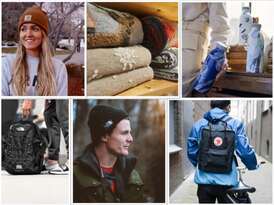



North Face ski: the pieces to choose for the slopes and travel
Who’s looking North Face ski usually doesn’t want just a warm jacket: they want a system that works on the slopes, while traveling and moving between town, hut and hotel. The right choice depends on pace, weather, luggage and the expected level of comfort. This guide is designed for resort skiers, moderate freeriders, outdoor travelers and anyone who wants a clean technical look off the snow too. The goal is simple: build a coherent kit without buying more than necessary.
Quick answer
- If you mostly ski on groomed runs, start with a coordinated jacket and pants, with suitable insulation and freedom of movement.
- If you switch between slopes, travel and urban use, prioritize versatile pieces that are easy to layer and have a neat fit.
- If you travel often, reduce luggage volume: a shell, a mid-layer and well-chosen accessories cover many conditions.
- If you’re a beginner, choose comfort and simplicity before extremely technical details.
- If you’re experienced, pay more attention to breathability, helmet compatibility, boots, pack and thermal layers.
North Face ski: the right system for slopes and travel
A snow outfit works when every piece has a clear role. The jacket protects against wind, snow and cold. Pants must follow movement without interfering with boots and protection. Inner layers regulate warmth. Accessories close off sensitive points: hands, neck, head and feet.
In practice, a kit North Face ski well built starts from real use, not the single garment considered in isolation. If you spend many hours on lifts, you need more thermal protection. If you often walk between parking, hotel, gondolas and town center, practicality matters too. If you want a technical look usable beyond the mountain, the fit should stay clean and not bulky.
To guide you, you can compare pieces with the selection of ski clothing, using this logic: function first, then comfort, finally style.
| Situation | Most sensible choice | Why it works |
|---|---|---|
| Cold-climate piste | Insulated jacket and technical pants | Provides steady warmth on long days on the lifts |
| Dynamic piste or variable weather | Shell plus thermal layers | Allows better temperature regulation |
| Mountain weekend | Versatile pieces and compact accessories | Reduces luggage without losing protection |
| City and snow travel | Technical jacket with a clean fit | Also worn outside the ski context |
How to choose based on your skiing style
For groomed runs, the approach North Face ski that favours protection, comfort and simplicity is the most balanced. You don’t always need the most technical piece: you need the piece that keeps you dry, warm and free to move all day.
Those who ski a few times a year should aim for intuitive, durable pieces that are easy to match. An insulated jacket reduces layering complexity, while pants with good waist and knee comfort make your stance on skis more natural.
Frequent skiers can think more modularly. A shell paired with a mid-layer and base layer lets you adapt to different temperatures, sunny days, high-altitude wind and hut breaks. It’s a more technical choice but requires more attention when composing layers.
| If this sounds like you | Choose like this |
|---|---|
| Beginner or occasional skier | Warm jacket, comfortable pants, reliable gloves |
| Resort skier | Technical outfit with good freedom of movement |
| Light freeride | Protective shell, durable pants, breathable layers |
| Outdoor traveler | Compressible pieces, essential accessories, a versatile jacket |
| Urban and mountain use | Clean cut, weather protection, discreet details |
Pieces to consider before buying
Jacket: insulated, shell or 3-in-1
An insulated jacket is ideal if you want an immediate solution for the slopes and cold days. It’s practical, comfortable and requires less thought about layers. It’s the most straightforward choice for steady warmth.
The shell suits those who want control. It doesn’t provide much warmth on its own but protects from the elements and leaves thermal work to the mid-layer. A 3-in-1 jacket can be interesting if you want versatility for travel, city and snow, provided the fit remains tidy when layers are worn together.
Pants: freedom, protection and compatibility with your boot
Ski pants shouldn’t be chosen just for looks. They should bend well at the knees, stay stable at the waist and fall correctly over the boot. If they pull when you bend or create excessive bulk, they become annoying on the slopes.
In your luggage, a curated selection North Face ski A well-planned kit should include trousers that match the jacket and your range of movement. For easy runs and a relaxed pace, comfort comes first. For more dynamic descents, look for a cut that follows bending without restricting you.
Inner layers: base layer and mid-layer
The base layer must manage sweat. It shouldn’t be too heavy, because warmth builds in layers. A dry first layer improves comfort more than a very warm outer garment worn over unsuitable underwear.
The mid-layer is the regulator. It can be lighter or more insulating depending on the season, activity level and personal cold sensitivity. For travel, a versatile mid-layer is one of the smartest pieces: wear it under the jacket in the mountains and on its own while moving around.

Accessories: small items, big difference
Gloves, neck warmers, technical socks and a beanie have a big impact on comfort. They’re also the easiest items to forget when packing. Choose them with the same logic as the outfit: protection, moisture management and simplicity.
To complete the kit you can also look at the mountain accessories, especially if you’re preparing a ski week or a useful technical gift.
Recommended options
In the options below, North Face ski suggests a considered approach to choice: garments and accessories designed to work together, without forcing an overly technical look if it’s not needed.
| Recommended option | Ideal for | Features to look for | To pair with |
|---|---|---|---|
| Padded ski jacket | Cold days on the slopes and occasional skiers | Steady warmth, wind protection, hood compatible with mountain use when present | Technical trousers and lightweight base layer |
| Technical shell | Dynamic skiers, variable weather and light freeride | External protection, good breathability, fit suited to layering | Thermal mid-layer and trousers with freedom of movement |
| Ski pants | Resort, lessons, weekends and frequent outings | Comfort at the waist, free knees, hem compatible with the boot | Coordinated jacket and technical socks |
| Mid-layer | Travel, layering and après-ski use | Adjustable warmth, low bulk, comfort under a jacket | A shell or a lighter jacket |
| Technical base layer | All skiers, especially on long days | Moisture management, snug but non-restrictive fit | Mid-layer and jacket depending on temperature |
| Duffel or travel backpack | Ski week and short trips | Organization, durability, practical transport | Compact accessories and thermal changes |
This approach is also useful when buying a gift. If you don’t know the person’s technical level exactly, choose a versatile item: a mid-layer, accessories or a jacket that’s travel-friendly are easier options to use.
Fit and sizing: what to check before confirming
The performance of an outfit North Face ski depends greatly on the fit. A garment that’s too tight limits layering and movement. A garment that’s too loose loses heat and can be uncomfortable with a backpack, helmet or lifts.
When trying on or evaluating a size online, simulate real movements: bend your knees, raise your arms, fully zip the jacket, check that the pants stay secure at the waist. If you plan to use a substantial mid-layer, allow space under the jacket without choosing an overly large size.
Quick checklist before the trip
- The jacket closes well even with inner layers.
- The sleeves properly cover the wrists with gloves on.
- The pants don’t pull when flexing.
- The pant hem works well over the boot.
- Base layer and socks are technical, dry and not too bulky.
- Essential accessories are already in the luggage, not scattered.
If you want to travel lighter, especially for a ski week with children or a short trip, you can consider the ski and snowboard rental in Biella. If instead you use your own equipment, it makes sense to stop by the workshop for ski and snowboard repair and preparation, so clothing and equipment work at the same level.
Slope and travel: how to build an essential kit
For a weekend you don't need duplicates. Better to choose items that cover several parts of the day. The jacket should work on the slopes but also during an evening walk. The mid-layer should fit under the shell but still look presentable indoors. Accessories should be technical but not bulky.
An essential set can include a jacket, trousers, two base layers, a mid-layer, two pairs of technical socks, gloves, a neck warmer and a warm piece for après-ski. If you start from Biella or stop by the shop before the mountains, you can complete the last pieces more precisely than with a rushed purchase.
For those who alternate between snow and city, the collection The North Face is interesting precisely for this continuity between outdoor protection and everyday use. The point isn't to dress “expedition-style” if it's not needed, but to have reliable garments when the weather changes.
FAQ
Is North Face ski also suitable for beginners? Yes, if you choose simple, comfortable pieces consistent with piste use. For a beginner, North Face ski it can make sense especially if they're looking for a durable outfit usable also on trips and not just during lessons.
Insulated jacket or shell? A padded jacket is more immediate for the cold and for those who want fewer layers. The shell is more modular and suited to frequent skiers, travellers or those who want better temperature control.
How do I choose the size if I buy online? Assess the fit with the layers you'll actually wear. If you're between sizes, consider how much room you need for the mid-layer, but avoid excessive volume that can reduce comfort and protection.
Which garments are most versatile for a mountain trip? A clean shell, a mid-layer, comfortable trousers and technical accessories are the most cross-functional pieces. They cover slopes, transfers and off-snow moments with less luggage.
Does it make sense to buy technical accessories even if I ski little? Yes. Gloves, socks and a neck warmer directly affect comfort. They're often the simplest upgrade to improve a day on the slopes without changing the whole outfit.
Choosing well means building a system, not chasing the most visible item. Start from your real use — piste, travel, family, light freeride or city — then complete the kit with a few coherent elements. You can buy online on Fabbrica Ski Sises, with free shipping in Italy over 50 euros, or stop by the shop in Biella for direct advice before you leave.
Ski Sises on Google
Choose Ski Sises as a preferred source: you'll see our guides and news more often in Top stories on Google.


