













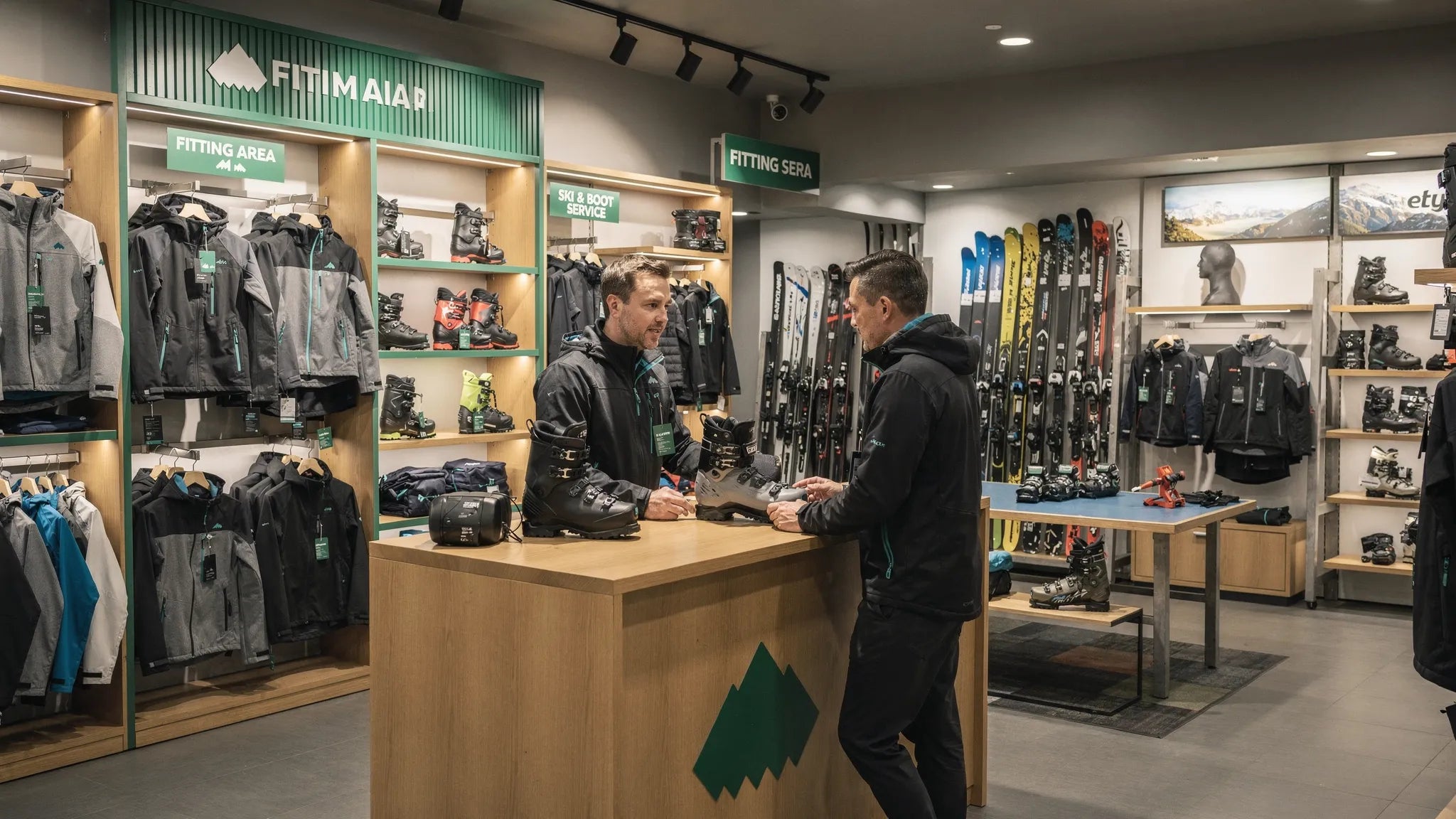
Mountain shop near me: how to choose it well
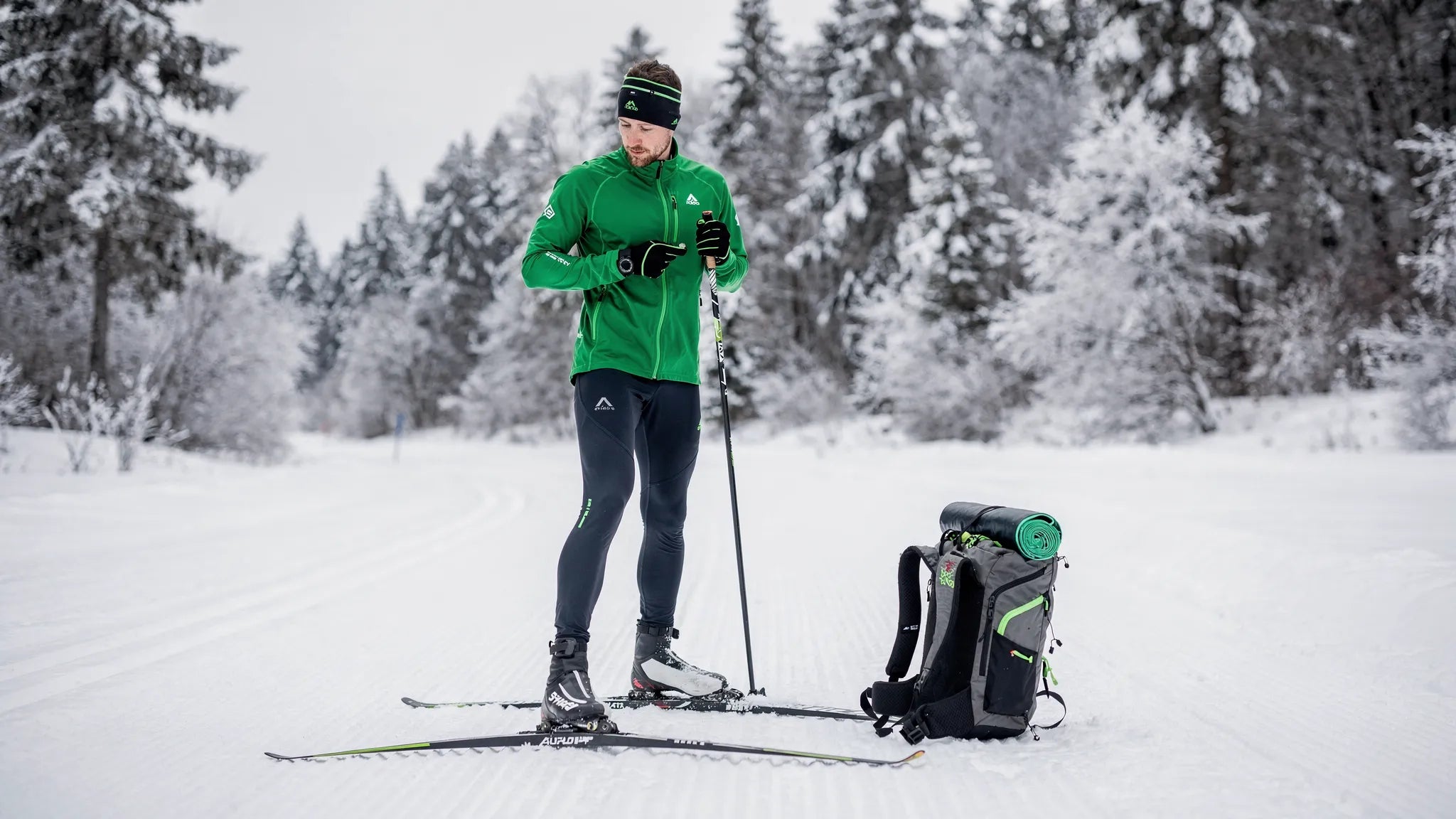
Typing “mountain shop near me” is often a practical search: you need an extra layer for the weekend, a better-fitting boot, ski gear checked, or a technical gift without risking a mistake. Proximity matters, but it’s not enough. A good mountain shop helps you choose based on elevation, weather, pace, fit and durability. This guide is for anyone buying for trekking, skiing, travel, urban outdoor or the whole family, with a simple method to really evaluate the right shop.
In short
- Choose a shop that starts from real use, not from the most visible product.
- Assess expertise, services, fit testing, returns and online availability.
- For skis and snowboards, rental and a workshop can be worth more than a rushed purchase.
- For trekking and travel, favor modular layers, comfortable shoes and durable accessories.
- A good retailer helps you buy less, but better.

First question: what kind of mountain do you actually do?
Choosing a shop starts with a question more important than distance: what do you need the gear for?
A hiker walking at altitude has different needs than someone looking for a winter commuting jacket, a family renting skis for the weekend, or someone preparing a ski holiday. Even the best product is wrong if it doesn’t match use, weather and technical level.
For outings in the mountains, Mountain Rescue stresses preparation, adequate equipment and attention to conditions. Translated to shopping: the right shop must ask questions before proposing solutions.
| Use scenario | Priorities to communicate | What the shop should be able to advise |
|---|---|---|
| Day hike | Duration, altitude, weather, backpack weight | Shoes, socks, pants and lightweight layers |
| Resort skiing | Ability level, frequency, perceived cold, boot fit | Clothing, gloves, helmet, rental or purchase |
| Freeride or ski touring | Pace, elevation gain, breathability, safety | Shells, technical layers, accessories and maintenance |
| Outdoor travel | Variable climate, hours on your feet, limited luggage | Versatile garments, comfortable footwear, minimal layering |
| City and urban outdoor | Weather protection, clean aesthetics, everyday use | Technical pieces with an essential look and durability |
| Family | Sizes, children's growth, budget, frequency of use | Rentals, adjustable garments, essential accessories |
The signs of a good mountain shop
A nearby shop is convenient. A knowledgeable shop prevents bad purchases. The difference shows in a few minutes, especially in how staff interpret your needs.
A good shop doesn’t just ask “what size are you?”, but “where will you use it?”, “how much do you walk?”, “do you sweat a lot?”, “do you already have a midlayer?”, “do you need it for one season or for years?”. These are simple questions, but they completely change the choice.
| Criterion | Positive sign | Sign to evaluate with caution |
|---|---|---|
| Assortment | Curated selection for sport, travel and everyday use | Too many options without a clear criterion |
| Expertise | Questions about ability level, weather, frequency and fit | Advice based only on price or brand |
| Fit | Ability to try real movements | Trying limited to the mirror |
| Services | Rentals, maintenance, repairs, technical support | No support after purchase |
| Online | Clear product pages, easy returns, size support | Incomplete information on materials and measurements |
| Seasonality | Collections consistent with skiing, trekking, travel and city | Disorganized or outdated stock |
The quality of the assortment doesn't mean having everything. It means having the right alternatives for different profiles: beginner, advanced skier, commuter, traveler, parent, footwear enthusiast or a customer looking for a durable garment.
Quick decision tree: physical, online, or service?
The search "mountain shop near me" doesn't always lead to the same answer. Sometimes it's better to visit the shop, sometimes to buy online, sometimes to rent or get maintenance.
| If you need... | Head towards... | Why |
|---|---|---|
| First pair of hiking boots | Physical shop, if possible | Fit should be tried by walking and simulating load |
| Jacket or mid layer already known | Shop online with size guide and returns | You can compare sizes and availability at your leisure |
| Skis for a few weekends a year | Rent | Avoid buying, maintenance and transport |
| Equipment already owned but underperforming | Workshop or sports service | Edges, insoles and adjustments affect skiing |
| Technical gift | Shop with a curated selection and assistance | Need to choose a product that's useful even without perfect measurements |
| Outdoor capsules for travel | Online plus consultation | You can build modular outfits and reduce duplicates |
If you’re unsure whether to buy or rent, start with how often you’ll use it. For an intense season it makes sense to invest in personal garments and gear. For a test, a weekend or growing children, renting is often more sensible.
What to ask before buying
The right questions reveal the shop’s expertise. Take them with you, especially if you’re buying technical garments, shoes or ski and outdoor equipment.
- Is this product intended for static use, intense activity, or both?
- What layer should I wear underneath to use it correctly?
- Can I try it by simulating real movements, like climbing stairs, bending or raising my arms?
- If I’m between sizes, which choice reduces the risk of restricting movement?
- For what weather conditions is it suitable and what are its limits?
- How should it be washed or maintained to last several seasons?
- Is there a more versatile alternative if I’ll also use it in the city or while traveling?
- For skiing or snowboarding, is it better to buy or rent for my level?
A good answer isn’t necessarily long. It’s precise, consistent and linked to your actual use. If the seller helps you rule out an unsuitable product, that’s a good sign.
Our recommended options
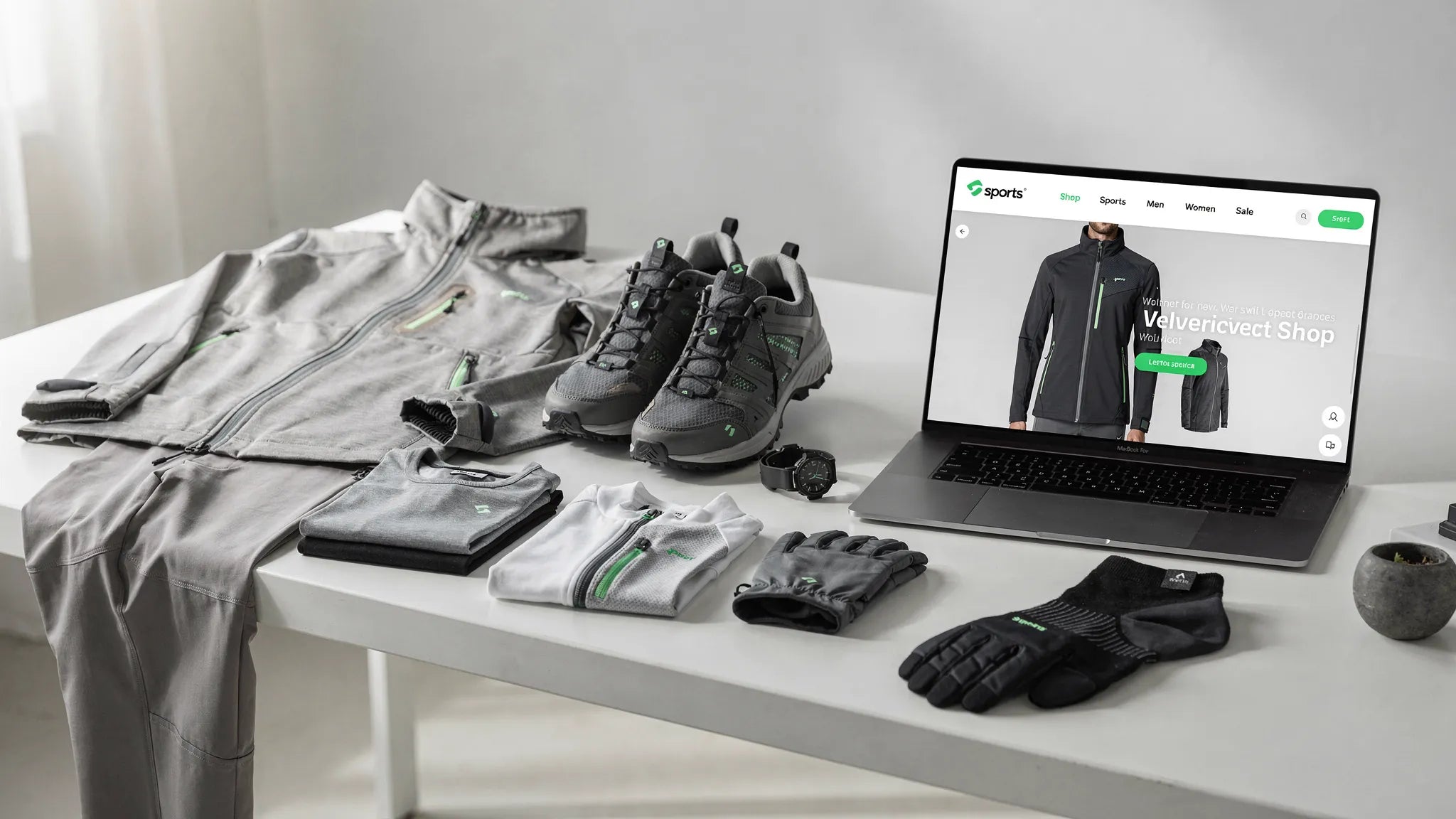
A well-chosen mountain shop should help you build a system, not just buy single pieces. Here are some useful directions to guide the choice, with examples of collections to start from.
| Recommended option | Ideal for | Features to look for | What to pair |
|---|---|---|---|
| Shell or technical layer Dynafit | Fast trekking, trail, light ski touring, variable days | Weather protection, good breathability, construction suited to movement | Technical base layer, outdoor trousers, light backpack |
| Overshirt, knitwear or bridge piece Lanapo | Travel, city, light outdoor, weekend | Versatile fit, comfortable materials, clean style | Technical T-shirt, travel trousers, outdoor sneakers |
| Outdoor and travel sneakers Flower Mountain | Urban walks, travel, easy mixed routes | Extended comfort, stability, sole suited to varied surfaces | Technical socks, lightweight trousers, compact shell |
| Heritage garment or accessory Filson | For those seeking durability, travel, robust everyday use | Solid construction, materials designed to age well | Essential knitwear, durable trousers, structured footwear |
| Technical mountain trousers | Trekking, snow, winter travel | Mobility, protection, useful pockets, compatibility with shoes or boots | Technical sock, thermal underwear, modular jacket |
| Ski and snowboard rental plus sports service | Occasional skiers, families, upgrade before buying | Correct adjustment, equipment checked, in-store assistance | Personal socks, gloves, helmet, thermal layers |
The point isn’t choosing the most famous brand. It’s choosing the piece that solves your scenario with the fewest compromises.
Fit and size: the 5-minute test
Fit in the mountains isn’t judged standing in front of a mirror. It’s judged in motion, with the right layers and imagining real use.
For a jacket, wear the layer you’ll use underneath. Raise your arms, simulate closing a backpack, bend forward. For trousers, sit down, do a light lunge, check that the waist stays stable. For a shoe, walk, step up onto a step, check heel hold and toe room.
| Product | Quick test | Correct signal |
|---|---|---|
| Jacket or shell | Arms up and shoulder rotation | Doesn’t pull on back, armpits or wrists |
| Mid layer | Try it under a jacket | It moves smoothly and doesn’t add excessive bulk |
| Pants | Squatting and long stride | Doesn’t restrict thigh, knee or waist |
| Shoes | Simulated walking and descent | Stable heel, toes not cramped |
| Gloves | Pole grip or zipper pull | Enough mobility without excess space |
If you buy online, measure a garment that fits you well and compare it with the product’s size guide. When choosing between two sizes, always consider the layer you'll wear underneath and the type of movement required.
When service matters more than the product
For the mountains, service is part of the purchase. Especially in skiing, a correct binding adjustment, a well‑fitted insole or an efficient edge can change comfort and perceived safety more than a new item.
Renting is useful if you ski a few times a year, if you travel light, if you have growing children or if you want to understand which type of equipment you prefer before buying. The workshop is useful when skis and snowboards lose grip, don’t glide well or show signs of wear.
Fabbrica Ski Sises combines an online shop and a retail store in Biella, with a curated selection of clothing, accessories and sporting goods, plus in‑store services like ski and snowboard rental, repairs and racket stringing. Online, shipping in Italy is free from €50, with fast delivery and returns within 14 days. For those looking for a mountain shop near me but who also want to choose calmly, the integration between physical store and online is often the most efficient solution.
FAQ
What should a good mountain shop near me have? It should have a coherent assortment, staff able to ask about your real use, technical services when needed, clear return policies and a selection suitable for multiple scenarios: skiing, trekking, travel and city.
Is it better to buy in a physical store or online? For shoes, boots and initial technical gear, the physical store is often preferable. For familiar items, repeat purchases, accessories and modular outfits, online works well if product pages are clear and returns are simple.
When is it better to rent instead of buy? It’s worth renting if you ski only a few times a year, want to try before investing, travel without equipment or are buying for growing children. Buying makes more sense when use is frequent and preferences are already defined.
How do I tell if the staff is knowledgeable? A knowledgeable adviser asks where you’ll use the product, how often, with what layers, in which conditions and at what skill level. They don’t push the most expensive item immediately, but help you find the right compromise.
How much does the brand matter in the choice? It matters, but shouldn’t be the only criterion. A reliable brand is useful if the product suits your scenario, your fit and the maintenance you’re willing to do over time.
Can I wear mountain clothing in the city? Yes — if you choose modular pieces, clean lines and functional materials. Tech-casual works well when the garment protects from the weather, pairs easily and isn’t too specialised for everyday use.
Next step
If you’re choosing a mountain shop, start from your scenario: trekking, skiing, travel or urban use. Then look for a retailer who can combine selection, fit and services. You can explore the online collections of Fabbrica Ski Sises or drop into the shop in Biella for tailored advice on garments, footwear, rental and maintenance.


Ski Sises on Google
Choose Ski Sises as a preferred source: you'll see our guides and news more often in Top stories on Google.