Women's hats: how to choose the right model for use, warmth and style
If you're looking for women's hats, decide first how you'll use it, then choose material and color. A cashmere beanie, a merino headband, a cap with mesh or a convertible neck warmer don't solve the same needs, even if they look similar in photos. The right pick depends on how active you are, how long you stay outside, and on wind or humidity. One practical detail often matters more than expected: after two or three hours, does the hat keep you comfortable or do you want to take it off?
In the selection of outdoor hats and accessories by Ski Sises you'll find very different categories. That helps, because not everyone needs a technical accessory and not everyone suits a heavy beanie. The choice gets easier if you separate three scenarios: everyday cold, activity on the move, and sun or midseason.


Women's hats for everyday cold: when a beanie makes most sense
For city life, errands, commutes or gentle walks, a beanie is often the simplest solution. It covers well, you can put it on and take it off in an instant, and it rarely needs adjustments. It works especially if you want to keep your ears warm and don't expect to heat up much while walking.
Here the material greatly changes the wearing experience. The Beluga Lilac Women's Hat by Alyki Cashmere is 100% cashmere. It makes sense if skin contact matters most to you and you want a city accessory that's understated and easy to add to a neat wardrobe. The benefit is a very soft hand. The limitation is equally clear: it isn't designed for heavy sweat, a backpack, or constant on-off use. Before buying, ask if you'll mostly use it for ordinary outings and short stops. For trekking or more active adventures, it's not the most coherent choice.
Products mentioned in this article

On a more practical level, there's the Brodeo Black Hat by Patagonia, made from 70% recycled wool blend and 26% recycled nylon. Here the point isn't luxury yarn but the balance between warmth, structure and frequent use. It can make more sense if you want a beanie to wear often without special care. On the other hand, it may feel less soft on the brow than cashmere. If you're sensitive to heavier yarns, check that before choosing.
Products mentioned in this article

If instead you want a simple everyday beanie without a particular yarn requirement, the Zeta Black Hat by Montura should be read plainly: unisex acrylic knit beanie. The advantage is ease of use. The trade-off is that if you expect the thermoregulation typical of wool or merino, this will behave differently. It's fine for a practical hat for normal cold, less so if you want a natural fibre or a more technical use.
Products mentioned in this article

Headband or beanie: you feel the difference when you move
Many people buy a beanie and then, on active outings, end up wearing a headband more often. The reason is simple: when you walk fast, jog lightly or climb, your head heats up before your ears do. In those situations covering the whole head can become too much.
The Ski Local Bieleis Headband White band from Asa Headwear, made in merino wool, makes sense exactly for this. The spec mentions natural warmth and breathability plus merino’s thermoregulating properties. In practice: ears protected without locking too much heat on your head. The downside is a headband covers less than a beanie during long stops or in strong crosswinds. Before choosing, think about your typical outing: steady movement with few breaks, or walking with frequent stops?
Products mentioned in this article
Even more movement-oriented is the Broken Light Black Strap from Montura, in stretch polyester. The spec lists it for outdoor, hiking and jogging, focusing on keeping your head warm and dry and protecting against wind. The practical advantage is minimal bulk: it fits in a pocket, dries faster than a knitted beanie and adds less volume under a hood. The trade-off is warmth: on a very cold day or during a long stop it may not be enough by itself.
Products mentioned in this article

When a cap is more useful than a winter hat
Searching for “women’s hats” doesn’t always mean a cold-weather accessory. Sometimes you need a model for running, walking in sun, travel or simply managing hair in midseason. In those cases a cap can be more sensible than a beanie, provided you don’t expect insulation it doesn’t give.
The Cappello Aereoready White from Adidas should be read that way. The spec mentions a breathable design, mesh lining and an adjustable rear closure, intended from warm-ups to light runs. In practical use: sun protection, midseason wear, light to moderate activities, and heat management while moving. The advantage is ventilation. The clear limit: it won’t replace a beanie when it’s truly cold and won’t cover the ears.
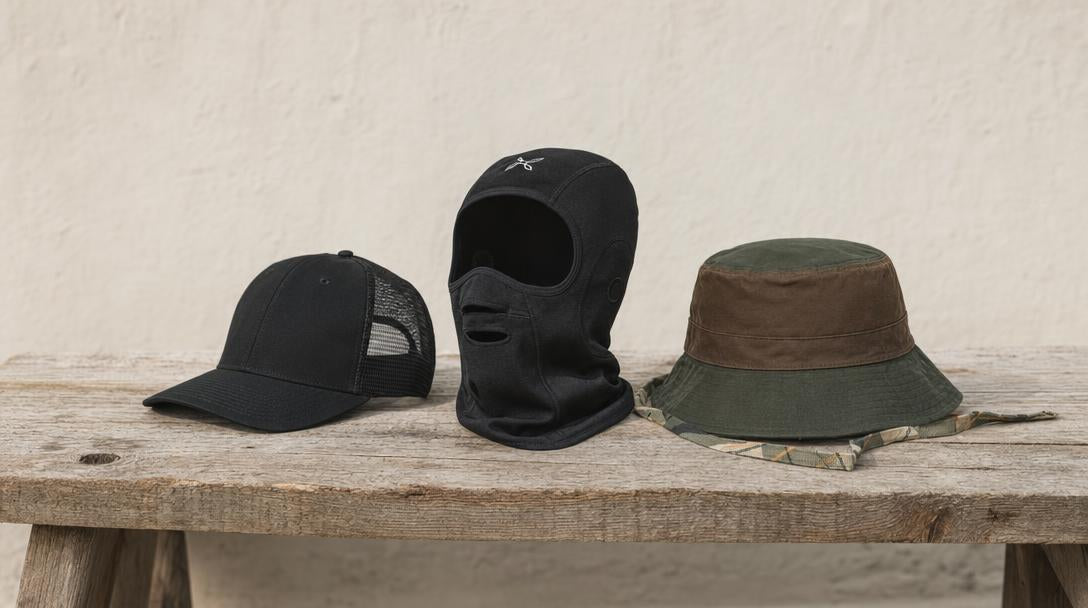
More casual is the P-6 Logo Lopro Trucker Hat Black from Patagonia, with a front panel in organic cotton, a recycled polyester mesh back and an adjustable closure. The construction says a lot: it’s a cap for mild days, travel and everyday use, not for full winter. The lower-profile fit may appeal if you don’t want a tall trucker. Before choosing, be clear whether you want sun protection or cold protection — here the answer is the former.
Convertible neckwarmer or balaclava: useful only if the context requires it
Not everyone needs multifunctional or very covering accessories. They’re often useful because they’re specific. But if you buy them out of curiosity rather than real need, they easily end up in a drawer.
The Polar Cap Neck Warmer White The Montura example, Montura, is clear. The product sheet describes it as a double‑pile thermal polyester neckwarmer that converts into a hat, with an adjustable upper section. The benefit is versatility: one accessory covers neck and head and takes little space in your pack. The downside is the shape—if you want the stability and fit of a classic beanie, the feel here is different.
On its official pages Montura also describes the Rewind Fleece Cap as wearable both as a hat and as a neckwarmer, and cites Polartec High Loft fabric for thermoregulation, lightness and insulation. It’s a useful reference for this family of products: they make sense when you alternate activity, wind and short stops. For simple urban use they’re often more than you need.
Even more specific is the Balaclava Light Men’s Hat — Black from Montura, made in brushed Thermolite DWR nylon on the reverse, with openings for eyes, nose and mouth and mesh side vents at the ears. The sheet lists it for mountaineering and other outdoor activities. Although described as unisex, its intended use is precise: cold, wind, exposure and the need for extensive coverage. For city use or ordinary walks it would often be overkill and less convenient to put on or remove.
Materials: how to read them without stopping at the label
Material matters, but only if you turn it into feel and context. Otherwise it stays a pretty word on the product page.
Cashmere, as in the Alyki model, works if you want softness and direct comfort against the skin. Check it especially if your use will be urban and relaxed rather than intense activity.
Merino wool, as in the headband Asa Headwear or in the Pro Glacier Grey Hat from Ortovox, makes more sense when you want a balance between warmth and breathability. The Ortovox product page indeed mentions thermoregulating and breathable properties. The advantage is better moisture management during active use. The trade‑off can be a more technical look or a fabric that feels less soft in the hand than a fashion yarn.
Acrylic, as in the Montura Zeta beanies, is a simple everyday solution. Don’t idealize it and don’t dismiss it outright. It can be perfectly adequate if you want an easy beanie, though it may be less convincing if you want a more natural feel or a hat for mixed city and mountain use.
Technical or stretch synthetic fabrics, like in the Montura range or the Adidas cap, perform better when you move and want low bulk. In return they give less of the full, enveloping feeling typical of a classic winter beanie.
What to check before buying online
The first check is real coverage. A trucker, a headband and a ribbed beanie all fall under “hats”, but they don’t protect the same way. Look at whether the model covers the ears, whether it fits snugly or is primarily designed for sun protection.
The second is duration of use. A hat fine for a twenty‑minute commute can become too warm on a two‑hour walk. Conversely, a headband pleasant on the ascent can feel insufficient as soon as you stop.
The third is compatibility with what you usually wear. If you often wear bulky hoods, a very thick beanie can get in the way. If you almost always wear your hair tied up, a headband or an adjustable cap may be easier to manage.
If you’re also comparing men’s or unisex models for shape and bulk, it helps to read how the reasoning changes in the guide to men's hats by use, season and style.
A simple rule to decide
If you’ll wear the hat almost every day in ordinary cold, start with a beanie. If you move a lot and heat up quickly, check headbands or lightweight technical models first. If you mainly need it for sun, travel or midseason, go for caps. And if a very technical accessory appeals but you can’t picture when you’d actually use it, you probably don’t need it.
To choose more calmly, compare the models in the Accessories Hats collection by coverage, material and use case.
FAQ
For a brisk winter walk, is a headband or a beanie better?
If you walk at a brisk pace with few stops, a headband is often more balanced: it protects the ears while letting more heat escape from the head. If the route includes wind, long breaks or very low temperatures, a beanie stays more protective because it covers the whole head. The right choice depends less on the “on-paper” temperature and more on how warm you get while moving.
Does a women's cashmere hat make sense outside the city?
Yes, but for low-key uses. A cashmere hat can work for short walks, weekends and outdoor trips without intense activity. It becomes less suitable when you sweat, frequently use a backpack or keep taking the hat on and off. If your priority is next-to-skin comfort, cashmere makes sense; if you want practical moisture management, look at merino or more technical fabrics.
Which hat is more comfortable if I often wear a ponytail or low bun?
Usually a headband or an adjustable cap cause less trouble. A headband leaves the crown area free and doesn’t press the hairstyle too much. A cap with a rear closure also lets you adjust the fit better. A beanie can still work, but if it’s thick or very tight it may compress your tied hair more.
Can a women's trucker cap be worn in cold weather?
You can wear it on cool, dry days, but not as a true substitute for a beanie. A trucker with a mesh back lets a lot of air through, so it works better in midseason, for travel or in light sun. When you need to trap heat or cover your ears, it’s not the right category.
Ski Sises on Google
Choose Ski Sises as a preferred source: you'll see our guides and news more often in Top stories on Google.