










Bl'ker cashmere hat: how fit and care over time
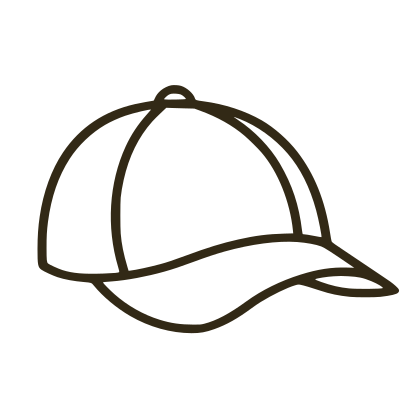
A cashmere hat looks like a detail until you really wear it: if it tightens, it spoils the day; if it yields, it loses structure; if you do not cure it, in a season it appears tired. ABl'ker cashmere hatit is thought to remain essential, but the difference, especially online, make it two things:Real fit(not “unique cut” on paper) andcare in time(washing, drying, pilling, storage). This guide is for those who want to choose well at the first shot and make it last for a long time, in the city, on the journey and on the cold weekends.
Summary (to be saved)
- Measure the circumference of the headbefore buying, the fit of cashmere changes a lot depending on coast and depth.
- Point upbalanced tension(stop but not constrictive) and on oneConsistent depthwith your use (return, ears, glasses).
- Over time, cashmere tends to makepillingand canyield slightly, is normal if handled well.
- To keep it “new”:rare washing, cold or warm water,drying in floor, combs or lumps with light hand.
- For a targeted purchase, depart fromBl'ker collectionand build the outfit with coherent external leaders.
Fit: what really matters in a cashmere hat
The cashmere is soft and “live”: it follows the head, but it responds to traction, humidity and heat. For this reason the fit is not only played on the size, but on three practical variables.
1) Circumference and tension
A hat must remain stable when you walk fast or go up and down the subway, but it must not compress.
Correct fit signals:
- stay in place without having to fix it every 5 minutes
- does not leave a marked sign after a few minutes
- does not push the ears forward, especially with glasses
2) Depth (as “scends”)
The depth determines whether the hat covers well or if it stays high. It is decisive if:
- you wear it often with glasses
- you want to cover your ears well
- look for a more essential and clean profile
3) Revolved and construction at coast
The twist increases insulation and stability, but can create volume. The coast (more or less pronounced) affects the elasticity and the ability to “hold shape” after many hours.
| Problem of fit | What causes it often | Practical correction |
|---|---|---|
| Slide back | little voltage or reduced depth | choose a deeper fit or with twist |
| Pizzica the front | excessive tension, edge too “stop” | avoids too dry fit, assesses a more elastic construction |
| Deforms the hairline | localized pressure and prolonged use | alternating position, do not pull it too low |
| Interferes with glasses | high edge or too often | prefer cleaner edge and stable depth |

Quick choice: how to understand the right fit (mini decision tree)
If you want to decide in less than a minute, use this logic.
If you use it especially in the city and commuting:look for a cashmere withclean profile, good elasticity and depth “media” (comfortable cover, without excess volume).
If you use it for trips and whole days outside:you prefer a construction that stands without pressure, often helpRevolvedand a coast that doesn't stop right away.
If you use it in light outdoor contexts:cashmere is great for comfort, but it is not the most suitable for rain, sweat and continuous friction. In these cases it makes sense to also have a more “service” hat (merino or technical fabric) and keep cashmere for dry and cold moments.
Fit and sizes: practical procedure (2 minutes)
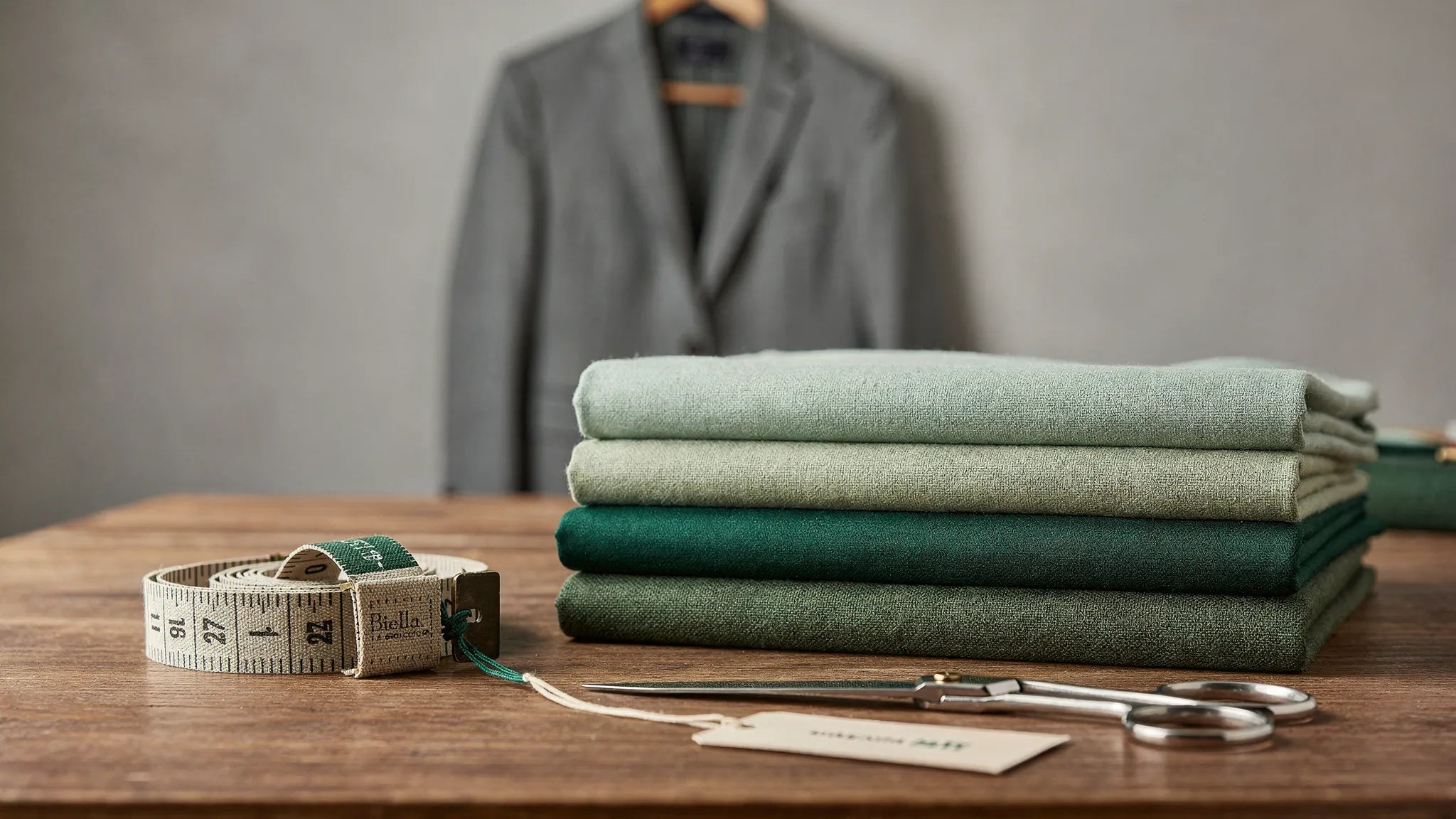
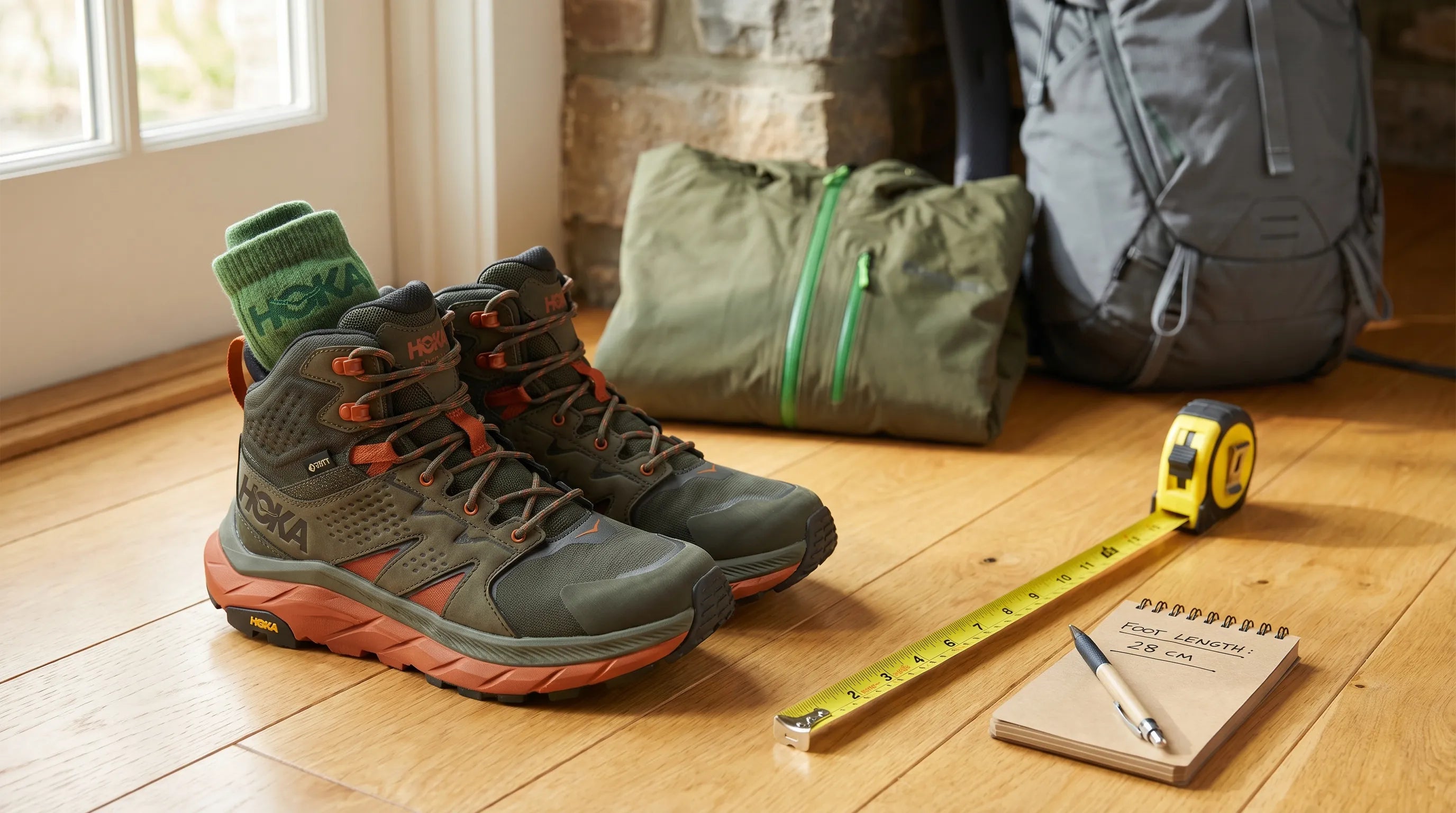
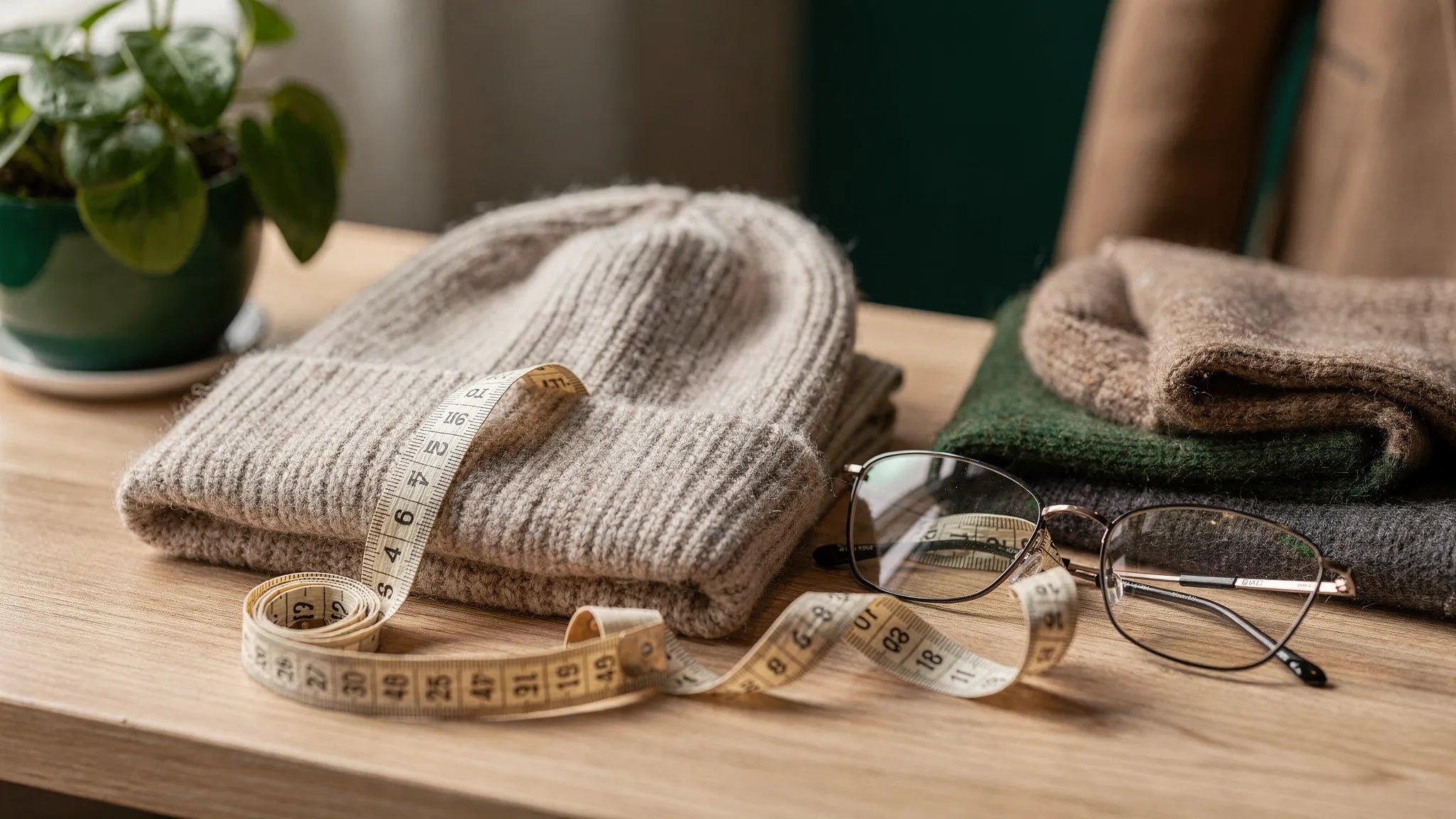
- Measure the circumference of the head with a meter of tailor, placedover the eyebrowsandover the ears.
- Compare the size with the size guide of the product card.
- If you are between two options, choose based on your use:
- prefer stability and coverage, go to the most “stop” measure
- prefer prolonged comfort and zero pressure, choose the most permissive
To see the selection available right now, start fromBl'ker collection.


Cashmere in time: what to expect (no surprises)
A cashmere hat changes predictably. Knowing what is normal avoids cure errors.
Pilling (the “pelucchi”)
The pilling is common in fine fibers: it is the micro friction effect (chip of the down jacket, scarf, backpack, car seat). It's not necessarily a fault, but a signal that the boss is working.
Mesh relaxation
After a few hours of use, the mesh can yield slightly. It usually recovers with rest and with a proper washing. Strengthening the dry shape, pulling, makes stability worse.
Unhappiness
It is the risk to avoid: it happens with too hot water, energetic rubbing, aggressive centrifuge. Once unhappy, the hat loses hand and shrinks.
Care: how to keep it soft, fit, clean
The premium rule is simple:less interventions, more precision.
Washing (when and how)
Wash the hat only when it really serves (persistent smell, prolonged contact with sweat, ended season). For wool and cashmere garments, the general guidelines prefer delicate cycles and low temperatures, as it also summarizesThe Woolmark Company in its care instructions.
Practical checklist:
- use cold or warm water and a mild detergent
- Immerse and press slightly, without rubbing
- rinse with the same delicacy
- do not squeeze, tampon with a towel
Drying and storage
- Dryon the floor, on a towel, away from heat sources
- remodel with hands when it is still slightly damp
- avoids grudges and hooks that “draw” the edge
Pilling: Clean Removal
- use a specific comb or lumps, with light steps
- not insist on the same point
- better little and often than an aggressive session
Conservation (end of season)
- clean and dry rest
- better bent in a breathable bag, not compressed
- avoid prolonged contact with rough surfaces
Outfit and combinations: how to make it work all winter
A cashmere hat is a “bridge” between technical and daily: it is fine with clean garments, consistent materials and controlled volumes.
- For an essential and modular wardrobe, combined with garments built for layering, such as those inLanapo collection.
- If you look for a more heritage and robust aesthetic, work well with outerwear and accessories ofFilson collection.
- For those who want to stay on yarns and manufacturing related to the territory, explore theBiella Fabrics collection.


Our recommended options (what to look for in selection)
No need to complicate: choose based on real use and sensitivity to fit. These are the most “safe” options.
1) Fine knit cashmere (clean profile)
Best for:city, office, light travel.
Key features:contained volume, discreet edge, soft feeling without excess thickness.
What to match:coat or clean jacket, essential mid layer, scarf not too voluminous.
2) Cashmere to coast more present (more stable)
Best for:cold and dry days, long walks, who wants a hat that stays still.
Key features:controlled elasticity, good hold over time, greater “take” on the head.
What to match:duvet or parka, warm gloves, winter trousers with consistent hand.
3) Cashmere with twist (covering and comfort)
Best for:sensitive ears, prolonged use, who wears glasses often.
Key features:double edge more comfortable, cover easier to adjust.
What to match:textured outerwear and a dry neck (sweet or warm layer base) to avoid overlays too thick.
4) Cashmere blend (more practical)
Best for:frequent trips, hat “from every day”, increased tolerance to stress and washing.
Key features:good hand, more friction resistance than 100% cashmere (in general), easier management.
What to match:tech-casual garments and functional accessories, without pushing on the volume.
5) Intelligent alternative: merino or technical fabric for activities
Best for:outdoor dynamic, unstable weather, use with helmet.
Key features:better moisture management and friction, more suitable for frequent washing.
What to match:shell or softshell, technical layer base, consistent gloves with the level of activity.
Frequently Asked Questions
The Bl'ker cashmere hat dresses “one size” or should I measure?Measure is always the safest choice. Even when a hat is indicated as unique, elasticity, coast and depth change the fit a lot.
Does cashmere expand with use?It can relax slightly after hours of use. It usually recovers with rest and with a proper washing, without rubbing and with drying in the floor.
How do I remove my hair without ruining my hat?With a specific comb or a lump, with light steps and without insisting on the same point. Avoid tearing the knots by hand.
Can I wash it in the washing machine?Depends on the product label. In general, if it is allowed, it serves a very delicate wool cycle, low temperature and minimal centrifugal. In case of doubt, better hand washing.
Is that a good gift? How do I choose without wrong?Yes, if you point on a versatile fit (clean or moderate profile) and on a construction that is not extreme. If you do not know the circumference, choose an elastic model and predict the return as a safety net.
Is it okay under a ski helmet?For use under helmet it serves minimum volume and excellent moisture management. Cashmere is comfortable but it is not always the most functional choice: evaluate a technical hat for business and keep cashmere for later.
One last step: choose according to use, then optimize fit
If you want a simple and successful purchase, start from your scenario (city, travel, cold weekend), measure the circumference and then choose the most consistent construction. Find the updated selection inBl'ker collection. If you are between two sizes or want a quick advice before ordering, the customer team can help you validate your choice with few information (size and fit preference).
Ski Sises on Google
Choose Ski Sises as a preferred source: you'll see our guides and news more often in Top stories on Google.