



Cross-country skiing equipment: what to buy to start
Starting with cross-country skiing is a smart choice: it requires less logistics of alpine skiing, works on technique and resistance, and allows to live the snow with a quieter pace. The critical point is to buy only what you really need. Too much equipment, or the wrong one, makes the first exhausting and little pleasant exits. This guide is designed for those who start from scratch, wants to move between skiing, boots, sticks and clothing, and prefers to buy with criterion instead of relying on a generic kit.
In summary: the kit from which to start
- To start, choose it almost alwaysclassic cross-country skiing, more intuitive than skating and suitable for beaten track tracks.
- The minimum kit consists ofskis, attacks, compatible boots, sticks, technical socks, light gloves, glasses and breathable clothing.
- Skiing withskinorscalesare more practical than shaking models, because they simplify the management of the estate.
- The boots are the part to try with more attention: comfort, compatibility and stability are worth more than any aesthetic detail.
- Avoid too heavy garments. In the bottom you warm quickly, so you need light, dry and modular layers.
First decision: classic, skating or hiking fund?
Before buying cross-country skiing equipment, you have to understand what kind of background you want to practice. The categories look similar, but change skis, boots, sticks and sensations on snow.
Theclassic backgroundis the most natural entry point. Skiing in the track, with an alternating movement similar to a slipped walk. It is ideal if you want to start without a specific technical preparation, if you are looking for aerobic training or if you want to make quiet exits in the mountains.
I do.skatingis more dynamic and athletic. Requires wide beat tracks, balance, coordination and a more decisive side push. It is not impossible to learn, but for an absolute beginner it can be more challenging, especially without an initial lesson.
Thehiking backgroundor Nordic backcountry is thought for untapped snow and freer routes. Skis are often wider and stable, sometimes with lamines, and boots offer more support. It is an interesting choice for those coming from winter trekking, but it is not the simplest kit if your goal is to use prepared cross-country trails.
| If you want | Choose | Why? |
|---|---|---|
| Make the first exits on beaten slopes | Classic with skins or scales | It is stable, intuitive and requires less technical maintenance |
| Train with intense rhythm | Skating | It is more physical, faster and suitable for those who already have good coordination |
| Move on natural snow and easy routes | Hiking fund | It offers more support outside the track, but is less sliding on the track |
For most beginners, the correct choice is simple:classic cross-country skiing with sealing system without skis.
What to really buy to start
Temptation is to buy everything together. Actually, it's better to think first. Some elements immediately affect comfort and safety; others can arrive later, when you understand how often you will go on snow and in what conditions.
Background skiing: better skins or scales?
Classic cross-country skis for beginners have a central area that helps the uphill hold and push phase. Common solutions arescalesandskin.
Shark skis are robust, simple and often very suitable for those who want little maintenance. They offer reliable grip, although they can be less silent and less sliding than other solutions.
Skies with skins, often called skins, give a more smooth and modern feeling. They are a very balanced choice for those who want to start well, with good grip and smoothness. They still require a minimum of care, because the skin must remain clean and in good condition.
Sciolinare skis remain interesting for those looking for precise performances and adjustments, but they are not the most practical solution to start. They require knowledge of temperatures, snow and sealing products.
Boots and attacks: compatibility first of all
Boots and attacks must speak the same language. Today the most popular systems in the recreation fund are compatible with standards such as NNN, Prolink and Turnamic. Older heels, like some SNS, may not be compatible with modern boots.
When purchasing, do not choose boots and attacks separately without verification. The risk is simple: having two valid products, but not usable together.
The classic boot must be comfortable, flexible on the forefoot and stable on the heel. You don't have to compress your fingers, because the circulation counts to cold. At the same time, it should not be too big: if the foot moves, loses control and creates rubbing.
Sticks: correct size, not only lightness
In the classic, a practical reference is to choose sticks around 83% of your height, or to indicate between shoulder and armpit, depending on the structure of the body and technique. In skating are longer, often around 89% of the height, but if you’re starting in the classic you don’t need to buy skating sticks.
For a beginner, it counts more the comfortable grip and the lace well adjustable than the extreme weight. Too short stick limits the push; too long makes the gesture rigid.
Essential accessories
The accessories make the difference in the first exits, because they manage cold, sweat and visibility. Start from a thin or medium technical stocking, light but protective gloves, breathable band or cap, sports sunglasses and a windproof layer.
You don’t need a big backpack for a short run on the track. A shoulder belt or a small technical vest are often more comfortable. However, if you expect longer days, snacks, shells and spare parts become useful.
| Priority | Where to buy | Practical note |
|---|---|---|
| High | Skiing, attacks, boots, sticks | They must be compatible and chosen according to weight, height and level |
| High | Technical footwear and gloves | Improve comfort and moisture control immediately |
| Media | Glasses and bands | Protect from wind, light and temperature changes |
| Media | Technical areas | You can reuse running garments, trekking or cycling if breathable |
| Low at first | Advanced Scioline Kit | Useful later, not necessary for skis to skins or scales |
Size, fit and compatibility: errors to avoid
The cross-country ski size does not only depend on height. The most important factor is often theweight of skier, because it determines how much the ski breaks. A ski too soft remains crushed on snow and brakes. A ski too rigid does not allow the sealing area to work well, so it slides back into the climbs.
For this reason, manufacturers' tables are more reliable than a generic rule based on the centimetres. If you are between two sizes, consider level, objective and type of snow. A beginner usually benefits from a predictable ski, not a too technical model.
For boots, try the fit measure you'll really use. Avoid very thick alpine ski socks: in the bottom they reduce sensitivity and can create sweat. The fingers must be able to move slightly, the heel must remain firm, the neck of the foot should not be compressed.
If you are in the Biella area and want to compare before buying, the ski and snowboard rental service in Biella can be a useful starting point for talking with technicians accustomed to snow equipment. For already used skis or materials to be checked, even the repair and maintenance workshop is a practical resource before the season.

How to dress for cross-country skiing
Cross-country skiing is an aerobic sport. This means that after a few minutes the body produces heat. The most common mistake is to dress like alpine skiing, with very padded garments. The result is sweat too much, cool down in breaks and move worse.
The correct logic is layered. A breathable layer base is needed in contact with the skin. Above, a light mid layer if it is cold. Outside, a windproof jacket or softshell with good freedom of movement. For legs, better technical pants or winter tights than heavy and rigid pants.
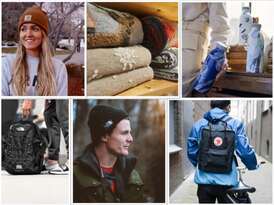
For a technical wardrobe that also works outside the track, you can watch the selectionThe North Face, particularly suitable for outdoor layers, bags and versatile garments. If you are looking for a lighter and movement-oriented setting, the selectionLa Sportivais consistent with a sports use, from trail to beaten snow.
For after activity, or for a trip in which you walk from the city to the mountain, it can make sense to complete the kit with clean and easy to match. The selectionAdidascan cover this part well more daily, especially if you want a technical wardrobe but not too specialized.
Our recommended options
1. Classic cross-country skiing kit
Best for:who wants to start well on beaten slopes, with a smoother feeling than the scales and without getting into the world of sealing ski.
Key Features:practical grip, good smoothness, simple management and suitable for regular outputs. It is the most balanced choice for those who plan to ski several times during the season.
What to match:classic boots compatible with attacks, sticks of the correct measurement, light gloves and an anti-wind layer.
2. Classic cross-country skiing kit
Best for:Absolute beginners, families and occasional skiers looking for robustness and simplicity.
Key Features:little maintenance, immediate grip and predictable behavior. It is ideal if the priority is to leave without too many adjustments.
What to match:breathable but not too technical clothing, comfortable stockings and a small belt carrying bottle for the first exits.
3. Comfort oriented classic boots
Best for:who wants to avoid pain, cold feet and rubbing, especially in the first exits where the technique is not yet natural.
Key Features:adequate bending on the forefoot, stable heel, precise but not compressed fit. Compatibility with the attack remains the first control.
What to match:thin or medium technical socks, not too padded, and trousers that do not interfere with the ankle.
4. Bases entry performance
Best for:who wants reliable support without immediately investing in racing materials.
Key Features:comfortable grip, adjustable lace, good stiffness and correct fit. Lightness is useful, but it must not be the only criterion.
What to match:adherent gloves, not voluminous, so as to maintain sensitivity in the handle and push.
5. Light Technical Layering
Best for:skiers who want to use the same garments also for winter walks, light trekking, trips and half season outdoor activities.
Key Features:breathability, wind protection, freedom of movement and quick drying. Better three modulable layers than one too hot head.
What to match:technical layer base, light softshell, breathable band or cap and sports glasses.
6. Basic maintenance accessories
Best for:who buys own skis and wants to keep them efficient without becoming immediately expert in preparation.
Key Features:ski drying cloth, simple brush, product dedicated to skin care if necessary and carrying case. For more technical interventions, better to rely on a laboratory.
What to match:an ordered bag to separate boots, gloves, dry layers and small accessories, especially if you travel often.
Buy everything immediately or proceed by degrees?
If you already know that you will cross-country skiing several times during the winter, buying boots, sticks and technical clothing makes sense from the beginning. They are personal elements, affect comfort and can last long if chosen well.
For skis, it depends on the frequency. If you make one or two exits, you can rent in the place where you will ski and understand what kind of background you like. If you have a nearby track or are planning a white week with days dedicated to the bottom, a well chosen personal kit becomes more comfortable and consistent.
The simple rule is this: buy first what touches the body and determines comfort, then what defines performance. Wrong boots and clothing also ruin a valid ski.
FAQ
What is the best cross-country skiing equipment to start?For most beginners, the safest choice is a classic cross-country kit with leather or scale skis, compatible boots, correct sticks and breathable jackets.
Better cross-country skiing or scales?The scales are very simple and robust, ideal for occasional use. The skins offer a smoother flow and are great if you think of going out with a certain regularity.
Can I use alpine ski clothing for the bottom?Not usually, or only partially. Cross-country skiing requires lighter and breathable items. An upholstered alpine ski jacket can be too hot and limit movement.
Are skating boots good for the classic?I'm not the ideal choice. The skating boots are more rigid and structured, while in the classic it serves a more natural bending on the forefoot.
How long should the classic cross-country ski sticks be?As an initial reference, in the classic it is often used a measure around 83% of its height. The final choice also depends on proportions, technique and preferences.
Do you need to split the cross-country skiing to start?If you choose skis to skins or scales, you do not have to manage the sealing slip as in traditional models. It remains useful to keep the suns clean and follow the indications of the manufacturer.
Start with an essential kit, chosen well
To start in cross-country skiing you don't need to buy the most, you need to buy consistent. Start from the classic, care for compatibility and fit, choose light layers and leave the advanced accessories at a second stage. If you want to build a complete kit with attention to quality, durability and real use, explore online selectionFabbrica Ski Sisesor switch to Biella store for a targeted advice before the next snow exit.


