












Ski equipment: what to buy and what to rent
Choosing the ski equipment does not mean buying everything immediately. For many skiers, the best choice is a hybrid kit: some personal pieces, because they affect comfort, safety and hygiene, and other rentals, because they change with level, snow, destination and frequency of use. This guide is designed for those who are preparing a white week, for families with growing children, for those who are skiing a few days a year and for those who want to upgrade without accumulating useless material.
In summary: what to buy and what to rent
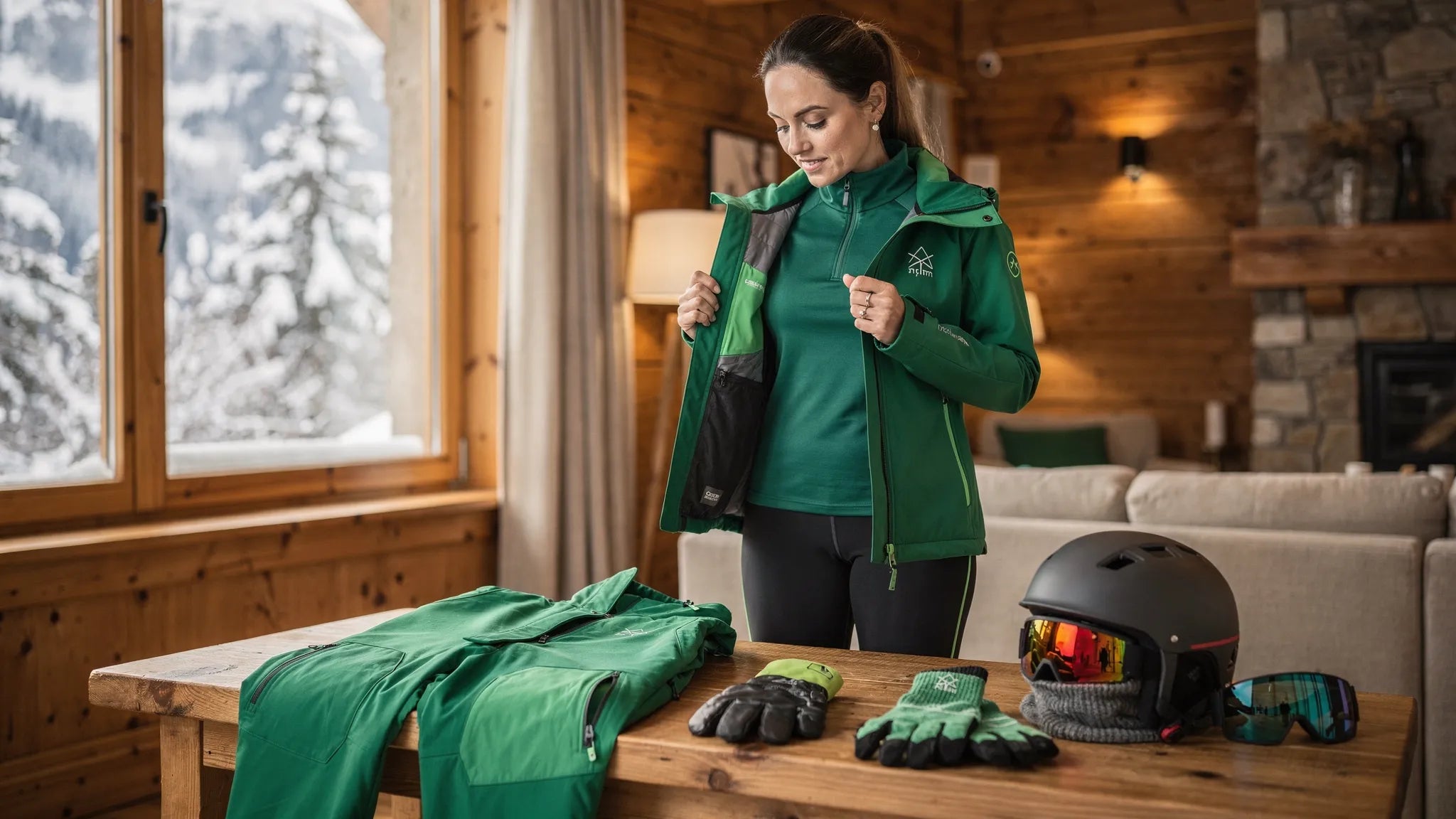
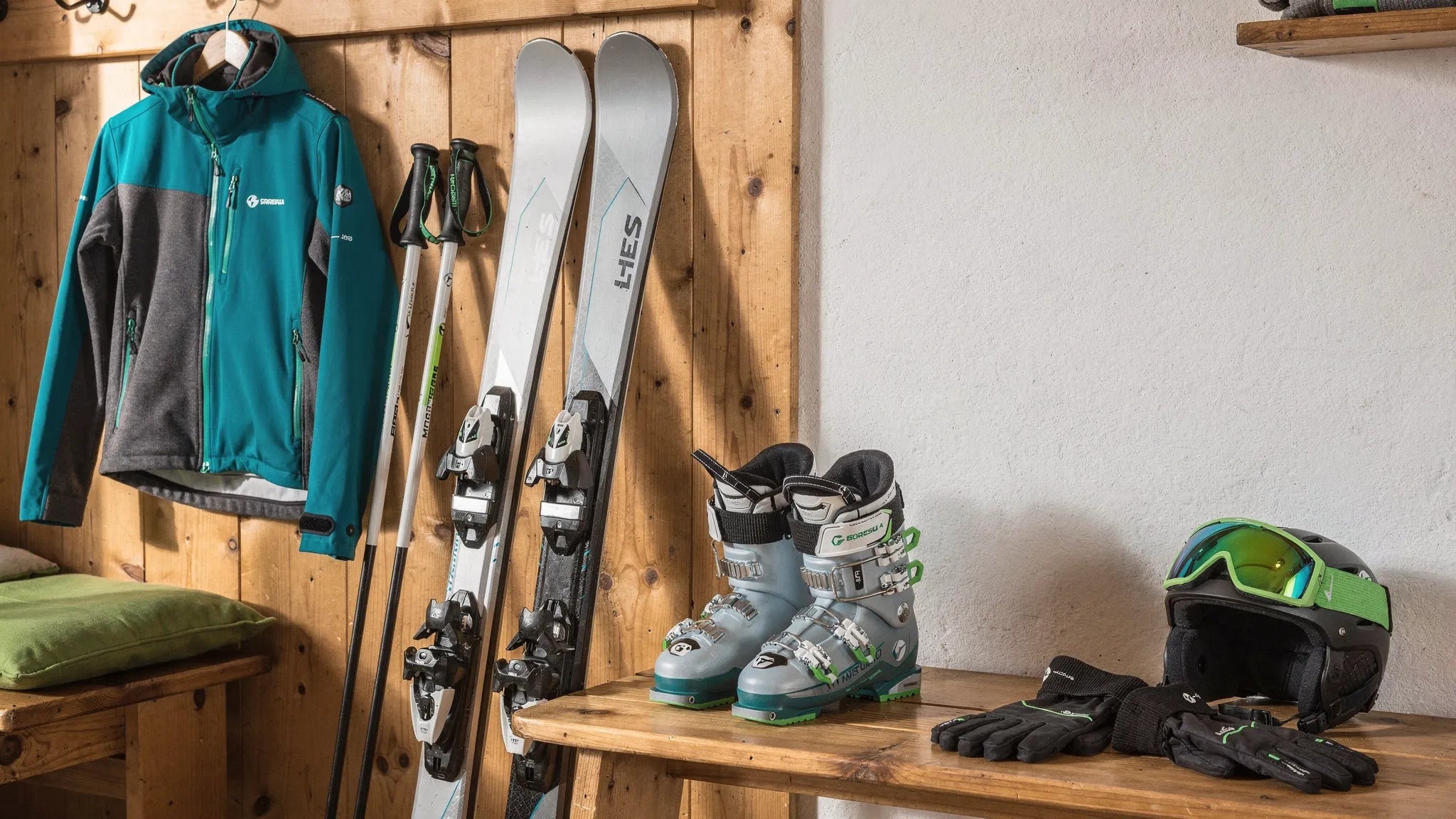
- Buy what must fit perfectly: boots if you ski regularly, helmet, mask, gloves, technical stockings and clothing.
- Rent what is expensive, voluminous or often changes: ski, snowboard, poles and boots for beginners, children and occasional skiers.
- Invest first in comfort: dry feet, protected hands and correct stratification improve the day more than a ski too technical.
- For families and first seasons, rental is almost increasingly rational: avoid purchases exceeded after a few months.
- For experienced skiers, buying makes sense when you know your style well: track, freeride, touring or all-mountain require different choices.
- If you are in Biella area, rate ski and snowboard rental in Biellato try before buying or traveling lighter.
The basic rule: buy for fit, rent for variability
The clearest distinction is this:what touches directly the body must be chosen with more care, while what depends on the day, the technical level or the snow can be rented with intelligence.
A helmet must stand still. A boot must lock the foot without creating pain. A glove must protect from cold and humidity for hours. These elements are very personal.
Skiing and snowboarding are more variable tools. A beginner can start with an easy set, then switch to a more structured ski. An expert may want to change radius, width or behavior based on track, transformed snow, fresh or mixed days. In these cases, the rental reduces waste and premature purchases.
| Element | Better to buy | Better to rent if | Practical note |
|---|---|---|---|
| Skiing | I ski often and you already know what you want | You are beginner, little trips or want to test models | Require maintenance and space |
| Boots | Skiing more than a few weekends per season | Six at first exits or children grow | The fit changes everything |
| Casco | Want control over fit and historical use | It is a single exit and the rental is verified | Always check certification and conditions |
| Mask | Ski regularly or have visual needs | You just need a day | The lens must adapt to weather and visibility |
| Gloves | Always, except for occasional uses | Almost never recommended | Hygiene and heat are personal |
| Clothing | Want comfort, durability and also use off track | Single output seamless | Layering also serves on the road |
| Sticks | You already have a stable personal set | Rent skis or six beginner | Inexpensive, but comfortable to rent with the set |
| Freeride security | You have training and often use the material | Are you doing a course or a guided exit | ARTVA, shovel and probe require real practice |

What to buy: personal pieces that make the difference
The most common mistake is to immediately spend on skiing and save on what determines comfort. Actually, for many skiers the first smart shopping is the personal kit.
Casco
The helmet is a choice of safety and fit. It must adhere without compressing, remain stable when moving the head and closing with a simple adjustment even with gloves. For alpine skiing, check the specific certification for winter sports, such as EN 1077.
Buy the helmet if you ski more than once or if you want to know the history of the product. After an important impact, a helmet should be replaced even if externally it seems intact.
Mask
The mask affects visibility and comfort. It must fit well with the helmet, do not create pressure points on the nose and limit the enclosure. If you wear glasses, look for compatible models or evaluate dedicated solutions.
For regular use, buying it makes sense. For a single day, you can rent it or use a basic solution, but without sacrificing vision.
Technical gloves and socks
Gloves and socks are almost always recommended purchases. They are personal, subject to moisture and direct contact with the skin. The technical stocking, in particular, should not be too thick: a precise boot works better with a tight, dry and without folds.
A ski glove protects from cold, wind and snow contact. Choose it according to the sensitivity to the cold, not only at the expected temperature.
Technical areas
A good layered system is more versatile than a warm jacket. The base has to manage sweat. The mid layer must isolate. The outer layer must protect from wind, snow and humidity.
For those looking for technical items to use even in fast activities or light ski touring, the selectionDynafitis a consistent starting point. For those who want more transversal, travel and everyday items, also collections such asLanapoorFilsoncan complete the wardrobe off-piste with a logic of duration.


What to rent: when it really happens
Renting is not a choice from beginners. It is an efficient choice when the material is expensive, bulky, subject to maintenance or yet to understand.
Skiing and sticks
Skis are the first to rent if you don't have a stable frequency. The advantage is double: you can use appropriate length and category to your level and you can change sets when better.
For a white week, rental avoids transportation, storage and maintenance. For those who ski in different locations or travel often, it is also an elegant logistics choice.
Boots, only at the beginning
The boots are the most delicate exception. For a beginner or for a child, renting them is sensible. For a regular skier, however, the personal boot often becomes the first real upgrade.
The reason is simple: the boot transmits the movement to the ski. If the foot moves too much, even the most performing ski becomes imprecise. If the boot shakes badly, the day ends soon.
Snowboard and junior equipment
Snowboard, junior set and children's material are perfect for rent. Children change weight, height and shoe number quickly. Buying every season is rarely efficient.
For families, the priority is to get to the collection with correct data: height, weight, level, age and shoe number. This way the set can be prepared more accurately.
Technical and maintenance material
If you already have skis or snowboards, the real difference is the lab. Lamines, suns and attacks influence safety and pleasure of skiing. Before the season, or after many days, it evaluates a control at the Sport Service Ski Sises, especially if known loss of grip, dry bottom or small damage.
Decision tree: buy or rent in 60 seconds
If you ski1-5 days per year, ski hire, sticks and often boots. Buy helmet, gloves, socks and a technical base if you expect to return to the snow.
If you ski6-12 days a year, progressively buy the personal kit. The first serious investment should be the boot, if you have already realized that you will continue skiing. Skis can stay for hire until you have a clear style.
If you skimore than 12-15 days a year, evaluate a complete set of properties. Makes sense if you want continuity of sensations, precise adjustments and immediate availability. But remember that the real cost includes maintenance and transport.
If you're buying fora child, ski hire and boots in most cases. Buy gloves, socks, layers and helmet only if the fit is correct and the garment can be used continuously.
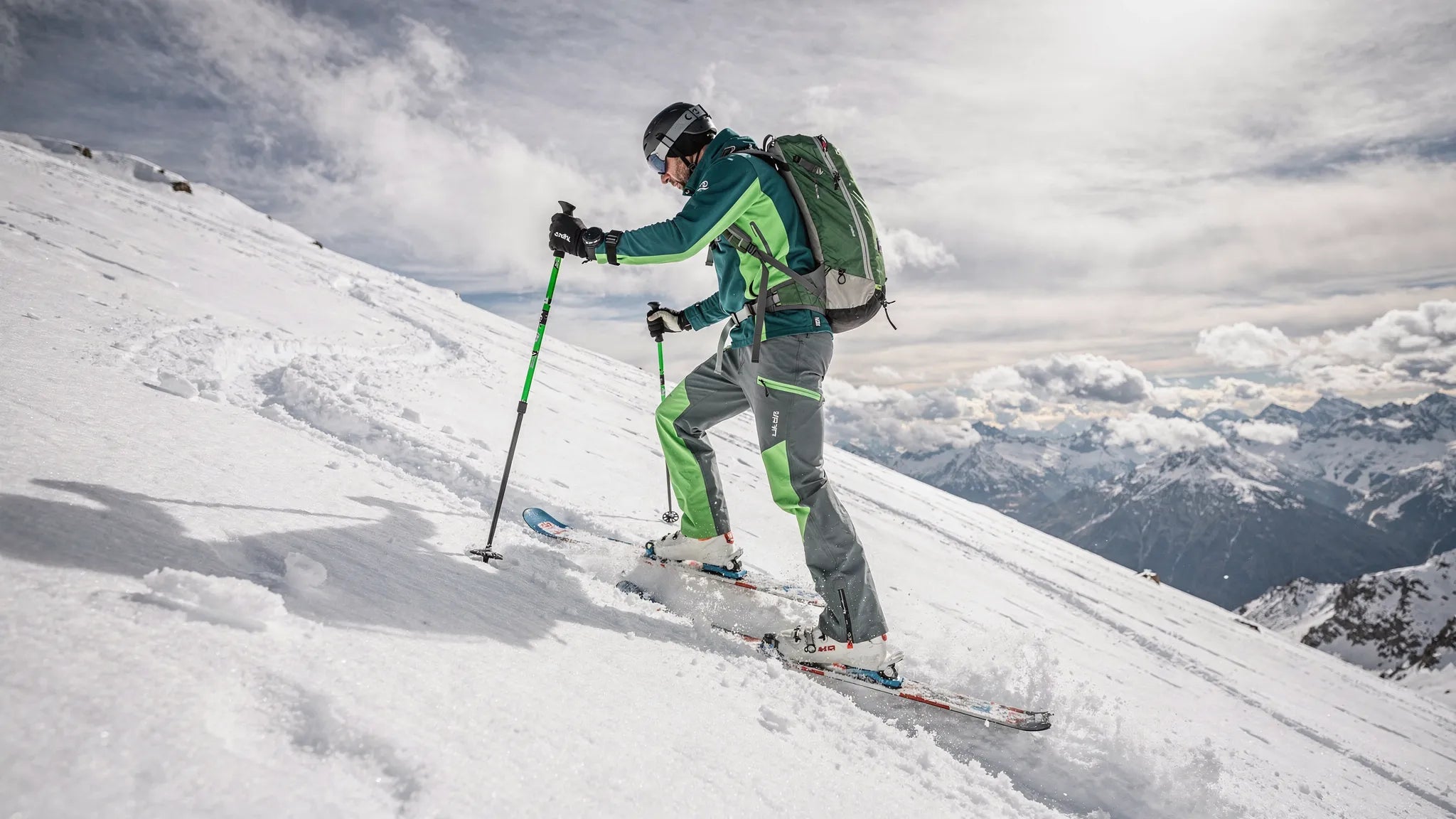
If you dofreeride or ski touring, buys what concerns safety, fit and layering. Rent or test skis if you are defining width, weight and behavior. For off-piste exits, always consult local bulletins like those ofAINEVAand use security only if you can use it properly.
Fit and sizes: controls to do before deciding
The wrong size is the hidden cost of ski equipment. It is not only measured in returns, but in cold, pain, poor precision and shortened days.
For boots, always try with a technical stocking. The foot must be firm, but not crushed. The fingers can touch the tip from the stand, while in the ski position the foot drops slightly. If you have any doubts, it's better to be guided in the store.
For the helmet, measure the circumference of the head and verify that the adjustment system works half-race, not all open or all closed. Move your head: the helmet should not slip.
For jacket and trousers, simulate the real movements: welcome, arms forward, bust in twist, gesture to close the boots. The head must allow layering without pulling on the shoulders, waist or knees.
| Quick trial | What to check | Positive signal |
|---|---|---|
| Ski Resort | Folded knees, forward bust | No excessive traction on back and knees |
| Arms forward | Simulate the use of sticks | The jacket remains stable and does not discover the wrist |
| Footwear in the boot | No fold or useless thickness | Fixed feet and uniform pressure |
| Helmet with mask | Compatibility between helmet and mask board | No annoying space and no pressure on the nose |
Suggested options
Essential personal kit
Ideal for:Beginners, casual skiers, weekends and first white weeks.
Key Features:well stocked helmet, compatible mask, gloves, technical socks, layer base and mid layer. It is the kit that remains useful even if you change skiing, location or level.
To match:skis and boots for hire, plus a jacket or technical trousers chosen according to the expected weather.
own boots, ski rental
Ideal for:who skis several times a season but does not yet want to buy skis.
Key Features:stable comfort, better transmission of movements, less variability from one day to another. It is often the best upgrade after the first seasons.
To match:thin technical socks, ski rental consistent with the level and periodic control of the fit.
Complete set for regular skier
Ideal for:advanced or very constant track skiers in practice.
Key Features:always equal feeling, known adjustments, possibility to care for maintenance and preparation in a personal way. It's good when you know what kind of ski you prefer.
To match:seasonal maintenance, adequate housing and technical clothing proportioned to the rate of ski.
Asset travel-light
Ideal for:who travels by train, shared car or plane and wants to move lightly.
Key Features:purchase only personal items and rent heavy equipment on site. Reduce luggage, transport costs and risk of damage.
To match:versatile items for travel and post-ski, with sneaker or lifestyle footwear from selectionFlower Mountainfor moments outside the plants.


Family Setup
Ideal for:parents with growing children.
Key Features:rental for skis, boots and junior sticks, targeted purchase of personal accessories and easy to reuse layers. It is the most neat formula to avoid doubles and exceeded measures.
To match:Early booking, precise data for each child and accurate testing of boots at the retreat.
Touring kit or controlled freeride
Ideal for:technical skiers alternating plants, light climbs or days off track accompanied.
Key Features:priority to layering, moisture management, safety and compatibility between backpack, helmet, mask and layers. The specialist equipment must be chosen with more experience, not for imitation.
To match:light technical items from selectionDynafit, adequate training and control of snow conditions before exit.
Where to save and where not to cut
You can save by renting skis, poles and snowboards in the first seasons. You can also save money by choosing versatile items, which can be used in the mountains, travel and everyday life.
It is not advisable to cut on helmet, gloves, socks and boots, if you ski often. They are elements that affect the day directly. An unsuitable glove, a wrong stocking or an imprecise boot can also make the rest of the setup useless.
A good logic of purchase is progressive: first safety and comfort, then fit, then performance. Ski comes later when your style is clear enough.
FAQ
How many days do I have to do to buy skis?It usually makes sense to think about it when you ski continuously, know your level and want a stable feeling. If you do a few days a year or are still improving quickly, the rental remains more flexible.
Better buy skis or boots first?For many skiers it is better to buy boots first. The fit influences comfort, precision and control. Skis can stay for hire until you define your style well.
Can the helmet be rented?You can, but buying it is often preferable for fit, hygiene and knowledge of the usage historian. If you rent it, check conditions, closure, regulation and certification.
Should children buy the equipment?Usually not for skis and boots, because growth and level change quickly. It makes more sense to buy personal accessories and technical layers, if the size is correct.
What do I have to take to the rental?Door or communicate height, weight, age, level, number of shoe and dates of use. For the boots, try the sock you'll use on the track.
If I do ski touring I have to buy everything?Not now. Buy what concerns personal safety, fit and clothing, but evaluate rental or ski and attack tests until you have clear the type of exit you will most often make.
Choosing ski equipment means buying less, but better. Start from your real use: how many days, what level, with whom you travel, how much you want to carry. You can explore Fabbrica Ski Sises's technical and lifestyle collections online, or go to Biella's store for rent, maintenance and tips on fit. For online purchases, the shipment is free in Italy from 50€, with fast delivery and made within 14 days.
Ski Sises on Google
Choose Ski Sises as a preferred source: you'll see our guides and news more often in Top stories on Google.