
Trek to Lago della Vecchia from Piedicavallo: route and clothing
Route, effort and preparation
This is a waymarked trek on trail E50: starting from Piedicavallo and ending at Rifugio Lago della Vecchia. Official sources list the start elevation as 1,049 m, the arrival elevation as 1,872 m, a positive ascent of 835 m and an estimated climb time of about 2h30 (round trip around 4h30). Use these values to plan energy and layering, but recheck the weather and conditions on the day: nothing here replaces official bulletins or updated communications from the rifugio.
Map and starting point
Route map
The line follows the GPX track published by the cited source. Use it for orientation, but always check signs, conditions and notices before setting off.

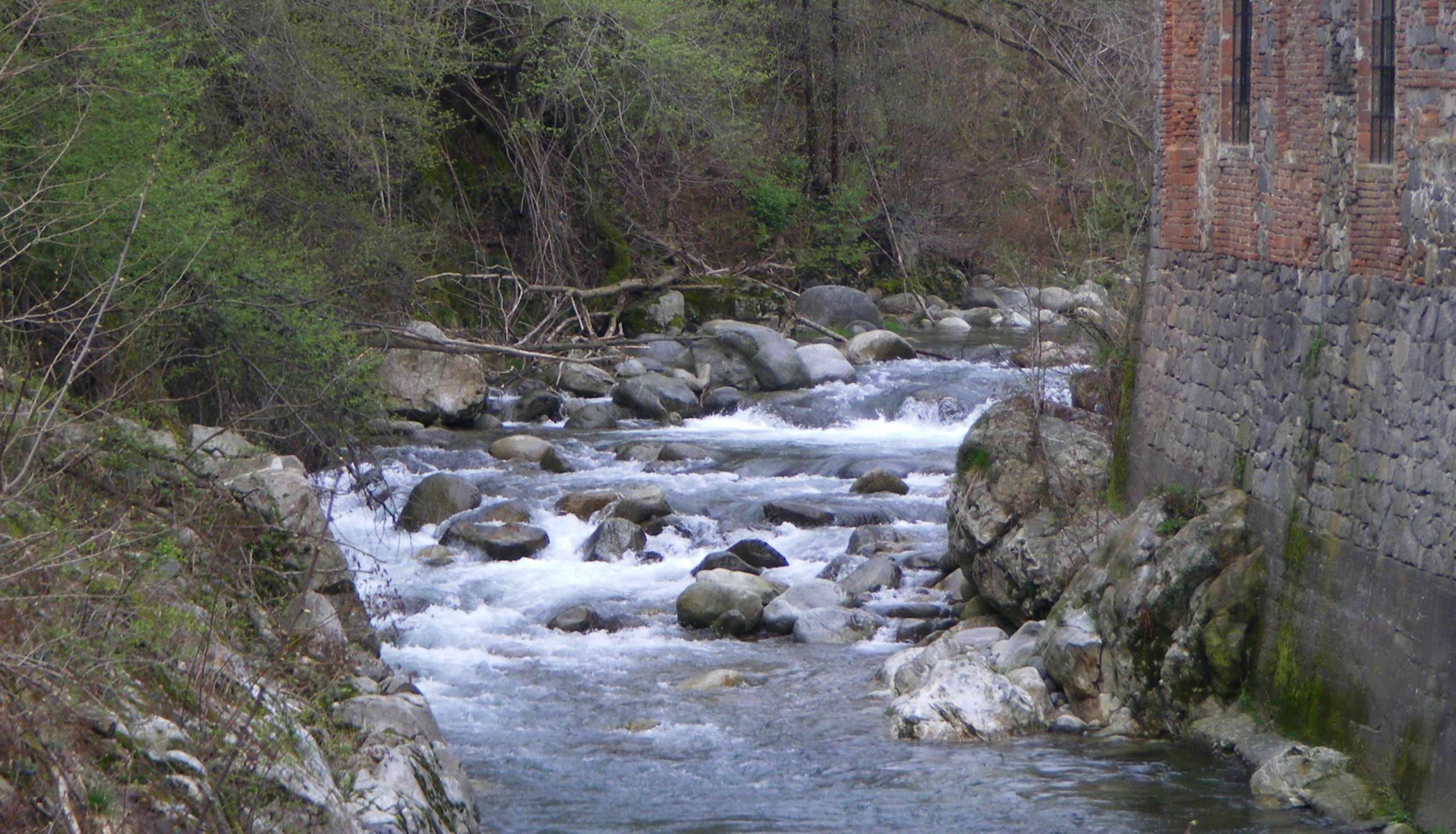
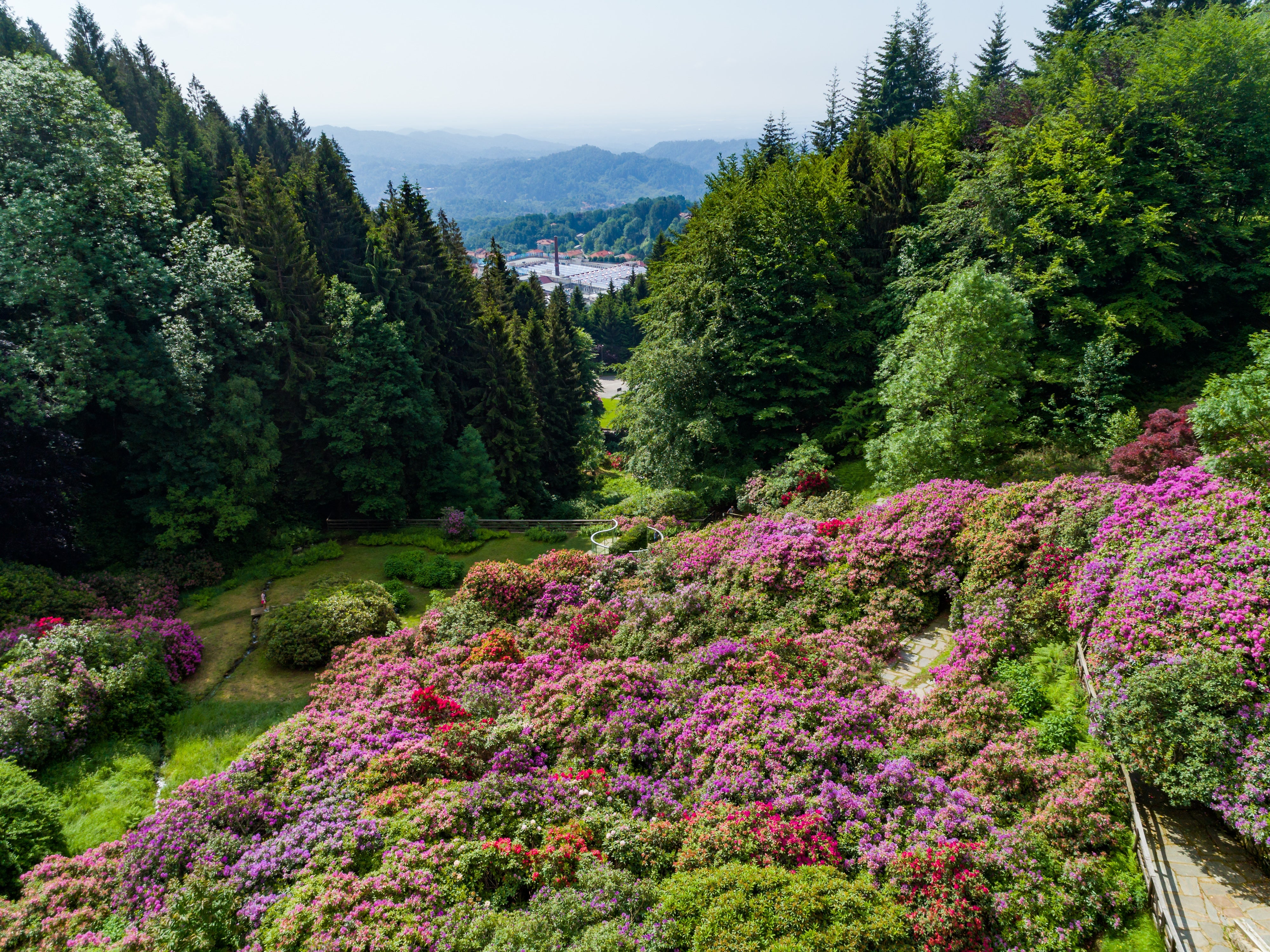
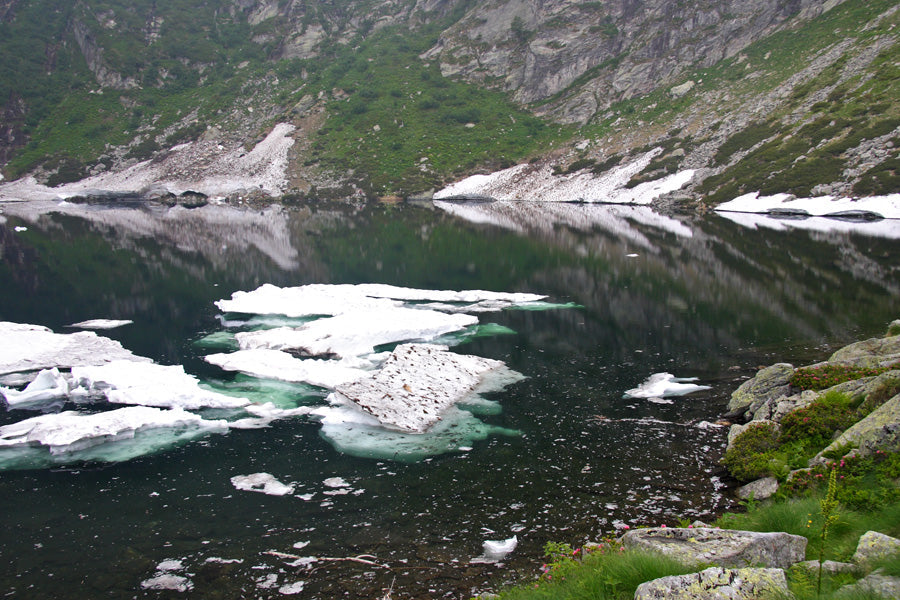
Views along the route


To compare garments and equipment suited to this activity, you can consult the Trekking collection of Ski Sises.
Trekking Lago della Vecchia Piedicavallo: documented route
Verified facts: departure from Piedicavallo (elevation 1,049 m) and arrival at Rifugio Lago della Vecchia (elevation 1,872 m). The source records a positive ascent of 835 m and indicates the duration as about 2h30 for the climb, with a round trip around 4h30. The seasons noted are late spring, summer and autumn: these are the windows documented by the official sources.
The place and the itinerary (verified facts)
The trail is marked as E50 according to official documentation. The elevations, ascent and duration are reported by the same sources used for this article: use them as numerical references to plan equipment and breaks, but not as confirmation of the current state of the trail.
What to check before you leave
Always check on the day of your outing: local weather forecasts and wind at altitude; trail conditions (landslides, slippery sections or debris); any communications from the rifugio or the local manager. For residual snow, exposed sections or unusual conditions, request up-to-date information from the rifugio or local authorities. Bring a map or GPX track and make sure your phone is charged: waymarking can be intact, but a human check on the day is always more valuable.
Why verified data affect clothing
The official values for ascent, elevations and duration (835 m, arrival 1,872 m, estimated climb around 2h30) imply two practical things: on the ascent you'll generate heat and sweat; at higher elevation temperature and wind can change quickly. Consider the 2h30 climb estimate when choosing layers: you need garments that wick moisture and are easy to open or remove quickly.
Two ways to build the look
AI-generated outfit scenes grounded in the linked product photographs. The landscape is illustrative.


Products mentioned in this article


Layering: what to wear and why
Base layer
Prefer a fabric that breathes and doesn't retain odors. Merino wool regulates temperature and controls odors, useful during prolonged climbs and to reduce the feeling of cold during stops. An example consistent with this use is the T-shirt S/S Ocean Uomo Blu (100% Merino wool), which appears in our selection as a breathable base.
Midlayer
On the torso you need a garment that provides warmth without restricting movement. A padded vest is practical: it warms the core while keeping the arms free. The Gilet Inversion Primaloft Uomo Blu declares Primaloft insulation and moisture management (VapoVent™), features useful for breaks and temperature changes.
Outer shell
Bring a windproof, water-repellent compressible shell with a hood. It should protect from wind and light rain without taking up too much space in the pack: for a documented trek like this a lightweight shell is a good compromise between protection and weight. In our Outdoors collection you’ll find options for compressible outer layers without excessive technicality.
Accessories
A light neck warmer that converts into a hat is useful for windy sections and for stops. The Scaldacollo Polar Cap Bianco is described as polyester thermal double-pile and convertible into a hat, so it takes little space and serves two functions. For legs, the Pantaloni Trail Uomo Neri (listed as Merino wool in the product sheet) offer temperature regulation and can work well on multi-hour hikes if you prefer natural materials.
Fit, size and practical compromises
Choose garments with freedom of movement: sleeves that don't pull when you raise your arms and room for a thin layer under the shell. If you prefer to travel light, forgo bulky insulation: on a documented ascent of 835 m you'll tend to warm up quickly during the climb. If you expect long stops at the rifugio or cold conditions, carry a warmer midlayer in your pack. Try garments together with the layers you'll use: the perfect size accounts for the sum of base + mid + shell.
Pace, energy and hydration: concrete criteria
Organize breaks based on pace and ascent: dividing the climb into sections and evaluating short regular stops helps maintain energy and body temperature. For an outing with an estimated round trip of around 4h30 bring water and snacks in quantities appropriate to your consumption, the season and the weather; adjust personal amounts according to heat, intensity and the availability of water sources along the route. Don't wait until you're thirsty to drink.
Use of poles and descent management
Poles reduce knee fatigue on the descent and help with the step on the ascent: if you have joint issues or face long technical descents bring them. On the descent adjust your layering before you lose too much heat: remove the midlayer when you start moving if you sweat a lot on the climb, put it back on during stops.
What to put in your pack (practical list)
- merino wool base shirt (e.g. T-shirt S/S Ocean Uomo Blu);
- midlayer or compressible vest (e.g. Gilet Inversion Primaloft Uomo Blu);
- light windproof/water-repellent shell;
- convertible neck warmer/hat (e.g. Scaldacollo Polar Cap Bianco);
- technical hiking pants (e.g. Pantaloni Trail Uomo Neri), water, snacks, map or GPX and a first aid kit.
How to use the cited products on the trail
Use the Merino T-shirt as the first layer during the climb: it limits odors and keeps the skin drier. Put the Primaloft vest on during breaks or if you stop moving; it's designed to add torso warmth without hindering movement. Merino pants are useful if you seek thermal comfort and moisture management over hours of walking. The Polar Cap is suited to cover neck or head quickly in windy conditions.
Adapting the outfit to the season
In late spring bring an extra layer for the summit: the weather can be cooler and windier. In high summer favor lighter fabrics and pay attention to sun protection; in autumn opt for a warmer midlayer and accessories resistant to moisture. Remember that even in summer days at altitude may require wind protection and a shelter from light rain.
Limits and warnings
The territorial information reported here (waymarking, elevations, ascent, duration and seasonality) is drawn from official sources: it says nothing about the current state of the trail, the presence of snow or openings/closures. For these aspects consult local sources updated on the day of your outing. For hazardous terrain or uncertain conditions consider the support of a qualified guide. If you have particular medical conditions, consult your doctor before undertaking hikes with significant ascent.
If you like, I can help turn this list into a complete outfit for the Lago della Vecchia Piedicavallo trek or check sizes and compatibility of the cited garments before purchase.
FAQ
How long does it take to climb from Piedicavallo to Rifugio Lago della Vecchia?
Official information indicates about 2h30 for the ascent and about 4h30 round trip. Actual time varies with pace, breaks and trail conditions.
What is the ascent and what are the start and arrival elevations?
The route starts at 1,049 m and reaches 1,872 m, for a positive ascent of 835 m. Use these values to plan water, energy and layering.
Which waymarks should I follow along the itinerary?
The official documentation records the trail with waymark E50. Still bring a map or GPX track and confirm the waymarking on site.
In which period is the route documented?
The seasons indicated by the sources are late spring, summer and autumn. Even in these periods verify conditions and updated weather on the day of your outing.
Do I need specific equipment beyond clothing?
In addition to the layers described, bring sufficient water and snacks, a map or GPX track, a first aid kit and a charged phone. For residual snow or exposed sections get information before the outing or consider the support of a guide.