Eastern Oropa MTB Cycle Route: start, route and clothing
If you're considering the Eastern Oropa MTB cycle route, start with three simple facts. The indicated departure point is the Cossato railway station. The route connects Cossato to the Sanctuary of Oropa. And it doesn't run on a separate cycle path, but on roads also passable by car. This changes how you read the ride far more than the label 'cycle route'. There's another number you shouldn't ignore: the listed elevation gain is 3072 m. It isn't enough to assign a precise difficulty rating, but it's enough to understand this isn't a ride to improvise. If you want guidance on garments and accessories suited to days in the saddle like this, in the cycling collection you'll find a coherent starting point.

Where the route starts
Route map
The line follows the GPX track published by the cited source. Use it for orientation, but always check signs, conditions and notices before setting off.

We’ll send you links to this route’s official GPX track and its starting points.
Notify me when my size arrives
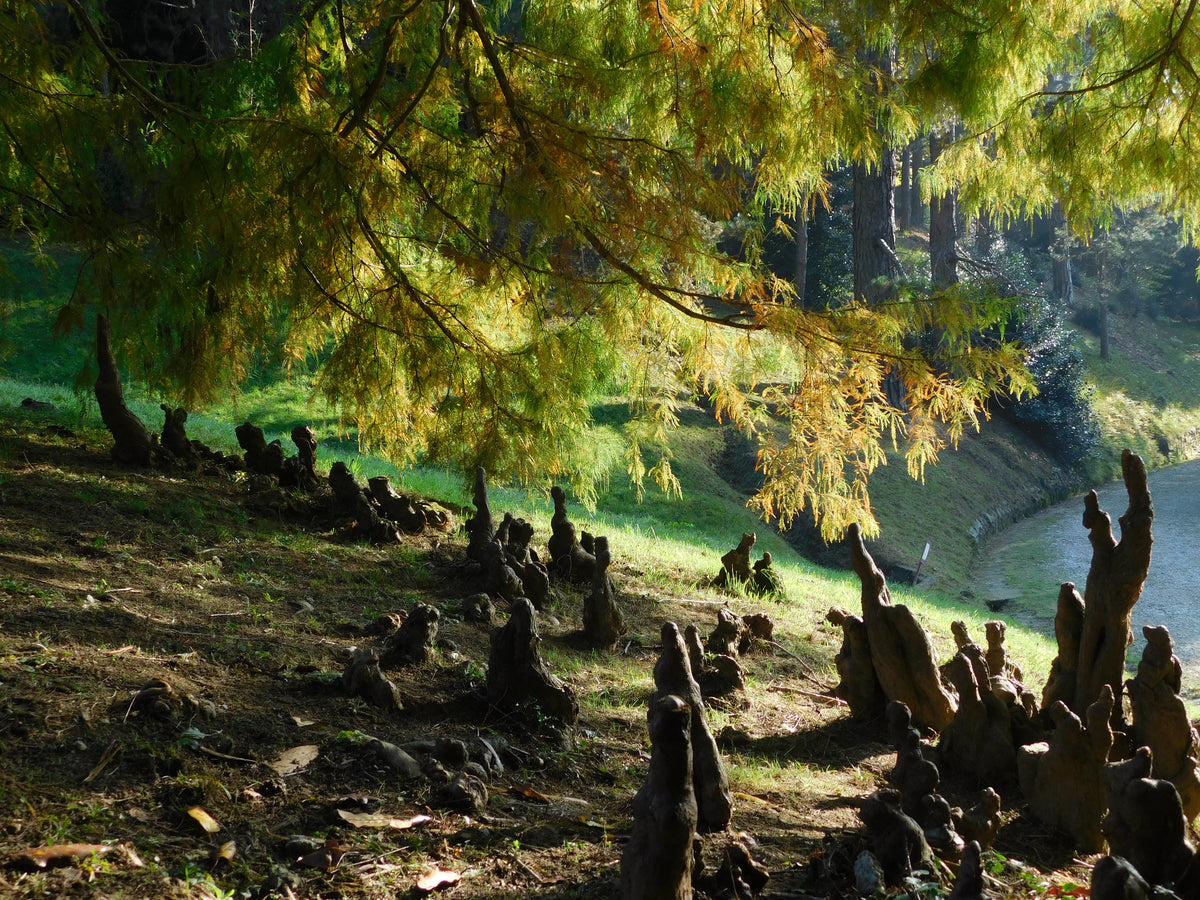
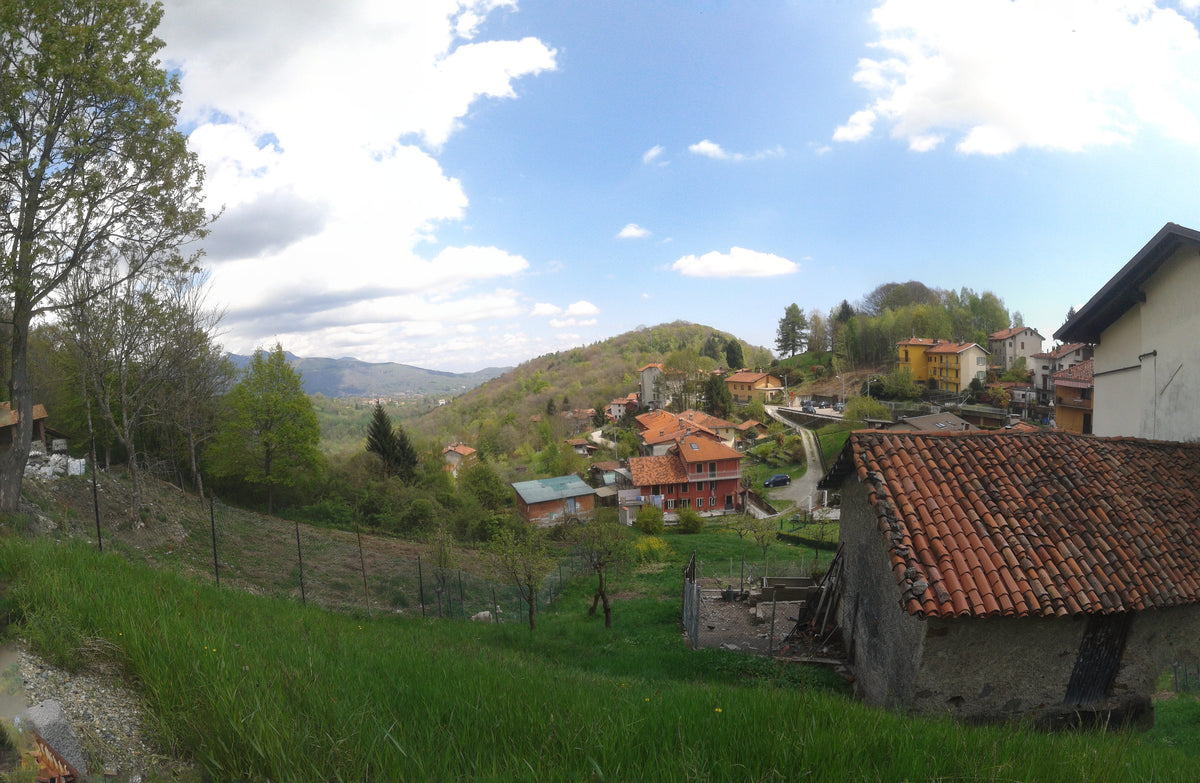
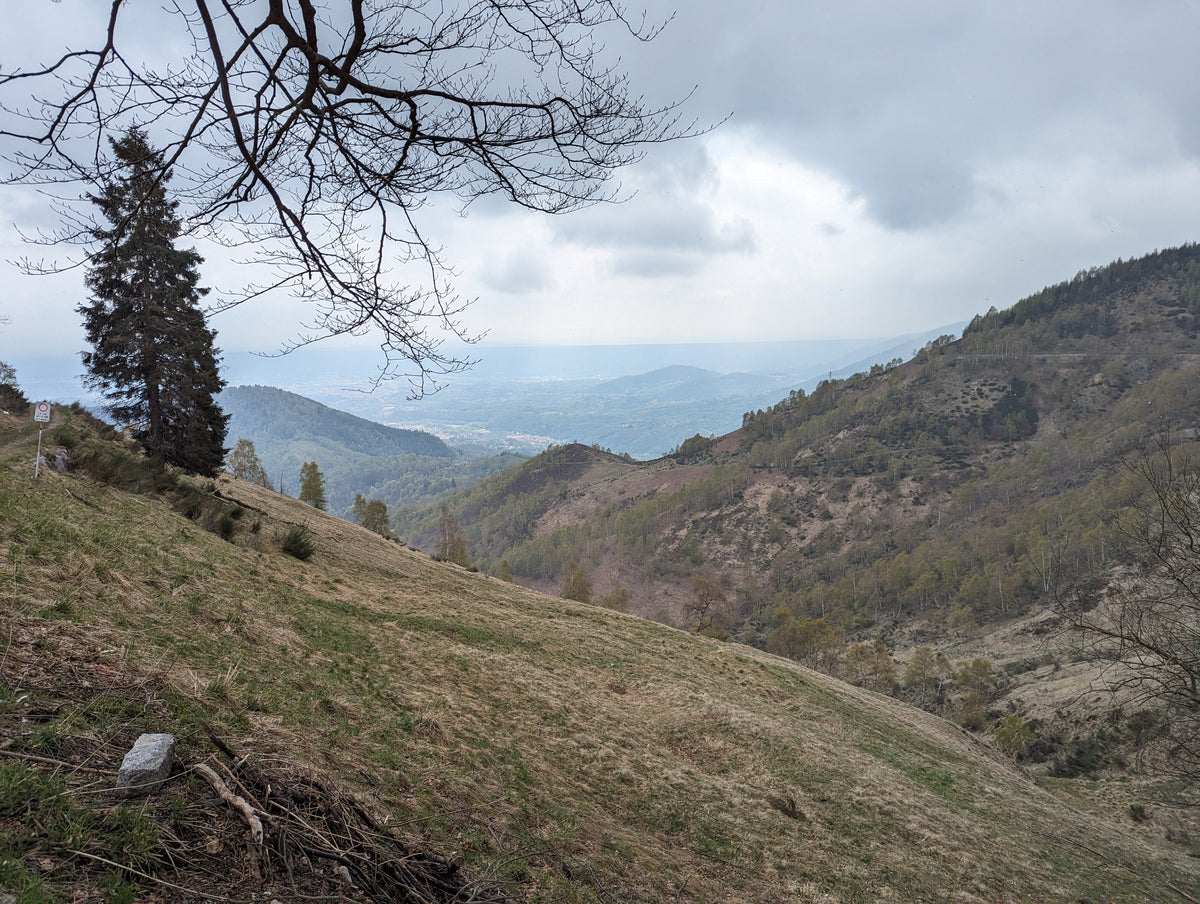
Views along the route


Route facts
- Length: 99 km
- Elevation difference: 3072 m
- Highest point: 1495 m (computed from the GPX track)
- Loop route: no
Eastern Oropa MTB cycle route: what to expect from the route, without imagining it as an easy cycleway
The Eastern cycleway links Cossato railway station, on the Biella/Novara line, to the Sanctuary of Oropa. It runs across the hills of eastern Biella and crosses the whole Oasi Zegna. That sequence already tells you enough: this isn't a linear, protected transfer but an extended itinerary on shared roads, in terrain that alternates climbs and significant distance.
The clearest fact remains the elevation gain: 3072 metres. You don't need to convert it into assumed times or a classification that's not provided here. Read it for what it really means: the day requires continuity, pacing and clothing that won't start to irritate you after the first hour.
The fact that roads are also used by cars adds a practical aspect often underestimated. On a bike, visibility counts more, as does how garments sit and how stable accessories are. A flapping jersey, glasses that fog or shorts that move become a concrete problem, not a minor detail.
So when you prepare the ride, think less in terms of a 'technical kit' and more about real function: pieces that stay put, that dry in reasonable time and that don't change behaviour as soon as the pace picks up or the temperature swings.
What to check before you leave
The seasons indicated for the Eastern Oropa cycleway are spring, late spring/summer and autumnIt's useful information, but not enough to decide how to ride that day. Before leaving always check updated weather, road conditions, any official notices about the route and the actual state of the roads involved. An article can help you prepare; it can't tell you what the trail is like today.
It's also worth checking daylight margins. With that elevation gain and a route with significant distance, timings can stretch more than expected. That doesn't mean automatically planning a return after dark. It means avoiding leaving with a schedule that's too tight.
- check the day's weather and the temperature swings between departure and arrival;
- check for any official route and traffic notices;
- try on the full kit in riding position, not just standing still;
- think ahead about pockets, spares and small accessories, because disorder shows on a long ride.
How to dress when the day is long and the route stays on road
On a route like this the common mistake is dressing for the starting temperature. That usually fails. If you start cool and overdress, you trap moisture going uphill. If you go out too lightly, a change in weather or a stop brings the chill immediately. It's much better to build a lightweight, modular setup.
The practical logic is: a jersey that manages sweat without clinging, shorts that stay stable when you push on the pedals, and accessories that don't need constant fiddling. You don't need the most technical piece available; you need a combination that remains comfortable and reliable for many hours.
For a men's cycling fit, the Reform Enduro Men's T-shirt Turmaline Navy focuses on recycled materials, breathability and freedom of movement. Those three features make sense when you ride long and don't want a stiff or bulky jersey. For a female rider, the MTB Pure 3/4 Jersey Women's Epidote Green uses a lightweight mesh fabric, designed for hot conditions, with quick drying; the 3/4 sleeves add coverage without constricting the arm. If you want to compare other options for the same use, you can return to the cycling collection.
Here it's worth being clear: a very airy jersey isn't always the easiest choice. It works well if you ride hard and suffer from the heat. It can be harder to manage if you take frequent breaks or are sensitive to temperature changes. In that case a less extreme solution often makes the day simpler.
When merino makes more sense than a very technical jersey
In cycling there's a tendency to assume the more technical an item looks, the more suitable it will be. That's not always true. If you're not setting up a race outing, if you alternate intensity and stops, or if you want an item that's less reactive in thermal management, merino can be a more balanced choice.
The S/S Ocean Men's T-shirt Blue is 100% Merino wool and works through natural thermoregulation and anti-odor properties. In real use that means a steadier response when the day changes. For a more covering women's option, the LS Half Zip Women's T-shirt White is 100% Merino Reda Active® and the half-zip lets you regulate ventilation without changing layers. It's not automatically the best choice in high summer, but in shoulder seasons or variable days it can be easier to wear for hours.
The practical difference is: a very open, lightweight mesh if you want maximum airflow while moving; merino if you prefer more tolerance for swings and stops. Neither choice is absolutely right. It depends on how you actually ride.
Shorts and chamois: get this wrong and you'll notice fast
On a climb-heavy bike route, comfort in the saddle isn’t fixed by a “pretty close” size. Shorts must stay put, not pinch when you’re bent over the bars and not crease where you contact the bike. Small static faults become the main issue after hours in the saddle.
For men, a practical combination is Men’s Essential Enduro Shorts Sylvanite Grey and Men’s Re-cycle Boxer Uranium BlackThe first uses a lightweight, durable nylon with stretch; the second adds a wide pad, breathes and dries fast. Together they work because they split tasks cleanly: the boxer handles time in the saddle, the outer short handles movement, coverage and practicality.
For women, the Women’s Up Cyclist Shorts Black feature stretch jersey, an elasticated waist, silicone gripper at the hem and a front zip pocket. In practice: the garment stays firmer while you pedal and tends to shift less. These are details that can seem minor in-store; on a long day they aren’t.
If you prefer a less overtly cycling look, keep one simple limit in mind: a more versatile appearance doesn’t replace saddle support. On long routes, a padded base layer or purpose-built construction matters more than outer style.
Glasses and light: small accessories, big problems if you get them wrong
On roads shared with cars, visual quality matters. Glasses that shift, fog or press poorly under a helmet force you to adjust them too often. It takes little to lose flow precisely when you need to stay focused.
The Sutro Lite Sweep (Vented) Matte White/Prizm Road Jade Glasses have vented lenses designed to boost airflow and reduce fogging. If you sweat a lot or ride continuously, that’s a real benefit. The Fury Dark Grey/Orange Reactiv Glasses 0-3 instead focus on a wide field of view, ventilation and lightness; they’re also described as compatible with all helmets, a useful detail if you want to avoid temples that press uncomfortably.
For emergency margin, the Sprint Plus Headlamp isn’t made as a dedicated bike light, so it doesn’t replace a bike’s specific lighting. It can make sense in your pack as a handy light if a stop runs long or your return is delayed. Important difference: useful as backup, not as the sole solution.
Three fit checks worth more than a rushed spec sheet
The first check is seated, in riding position. A jersey that looks right standing can pull across the shoulders once you reach for the bars. Shorts that seem fine upright can pinch at the waist or gape over the thigh when you’re flexed.
The second check concerns pockets. Fill them with what you’ll actually carry. Garment behavior changes a lot once you add items, especially rear or side loads. On a route with much elevation, even a small repeated shift becomes annoying.
The third is the most underrated: don’t look only at the maximum temperature forecast. Think about swings between the early hours, the time you’re moving and the final part of the day. Often a light, well‑tried setup performs better than an overly warm kit chosen “to be safe”.
For Ciclovia di Oropa Orientale MTB, if you still need to complete your kit, you can use cycling collection to calmly compare garments and accessories based on how you ride, not only on technical labels.
FAQ
Where does the Ciclovia di Oropa Orientale start?
The indicated start is Cossato railway station, on the Biella/Novara line. The route connects Cossato to the Sanctuary of Oropa.
Is the Ciclovia di Oropa Orientale a protected cycle path?
No. Official sources state these are not dedicated cycle paths but routes on roads that cars can also use. For that reason you should prepare visibility, bike setup and clothing carefully.
Which seasons are suitable for the Ciclovia di Oropa Orientale?
The seasons indicated are spring, late spring/summer and autumn. Before you leave, however, it’s wise to recheck weather, road conditions and any updated official notices.
For a hilly route is merino or a very light technical top better?
It depends on how you actually ride. A very light, airy jersey helps if you pedal hard and get hot. Merino can be more balanced if you alternate effort, stops and temperature changes.
On a long bike ride what should you check about the shorts?
Pay attention to stability, absence of folds at contact points and comfort while in the riding position. If you use an undershort with a pad, check that it works well with the outer short and doesn’t cause pressure points or chafing.
Products mentioned in this article
 Men's Reform Enduro T-shirt Turmaline NavyView
 Women's MTB Pure 3/4 Jersey T-shirt Epidote GreenView
 S/S Ocean T-shirt - BlueView
 LS Half Zip T-shirt - WhiteView
 Men's Essential Enduro Shorts Sylvanite GreyView
 Men's Re-cycle Boxer Shorts Uranium BlackView
 Up Ciclista Shorts - BlackView
 Sutro Lite Sweep (Vented) Sun Glasses Matte White/Prizm Road JadeView
Ski Sises on Google
Choose Ski Sises as a preferred source: you'll see our guides and news more often in Top stories on Google.