



























Cammino di Ermenegildo: how to prepare for 50 km in the Oasi Zegna
The Cammino di Ermenegildo is a three-day trek: 3 stages covering about 50 km with a total elevation gain of around 2,000 m and a T2 technical rating. This means the route doesn’t require mountaineering gear, but it demands a sure foot on trails and uneven ground and good endurance for prolonged walking. Before choosing equipment, consider the pace you want to keep and how much weight you’re willing to carry each day.
Where the route starts
Open the starting-point pin in Google Maps: Trivero Valdilana Centro Zegna
Route map
The line follows the GPX track published by the cited source. Use it for orientation, but always check signs, conditions and notices before setting off.

We’ll send you links to this route’s official GPX track and its starting points.
Notify me when my size arrives
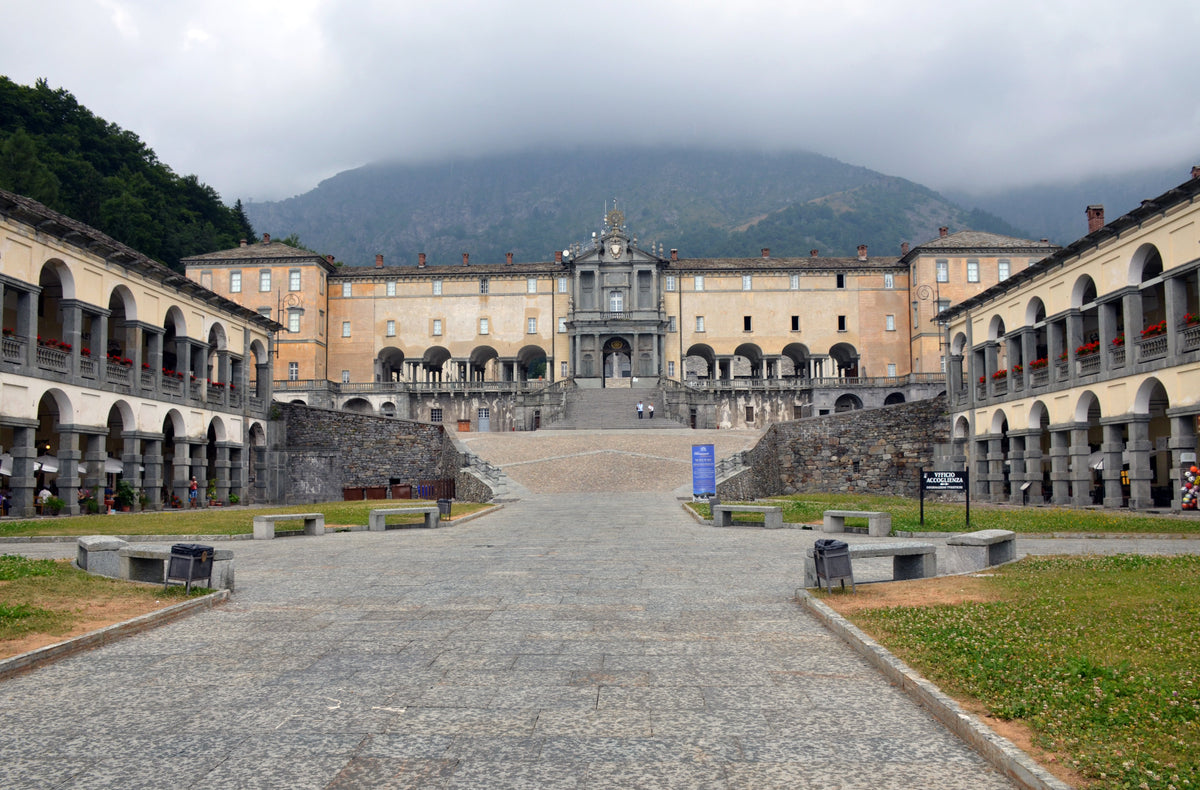
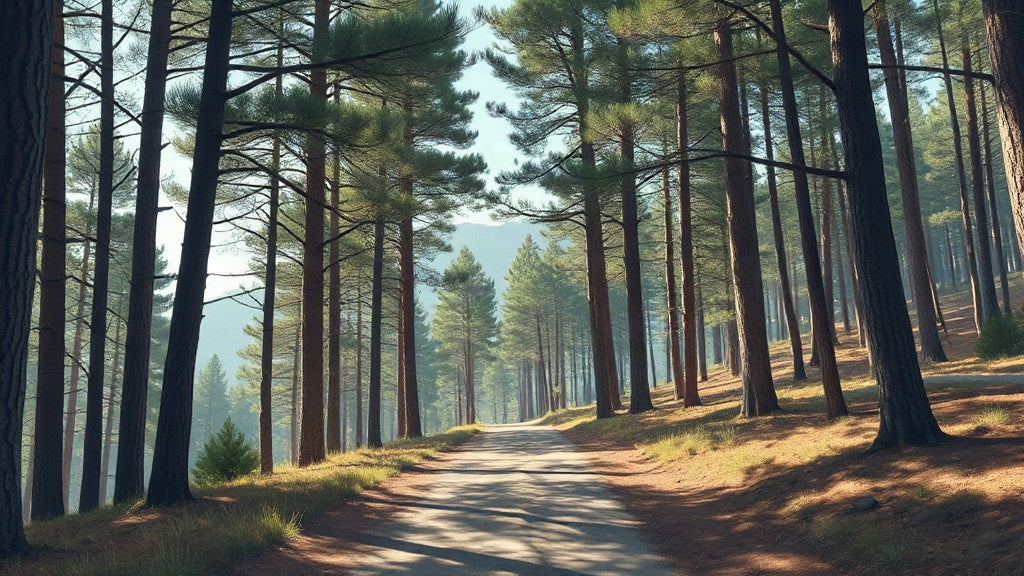
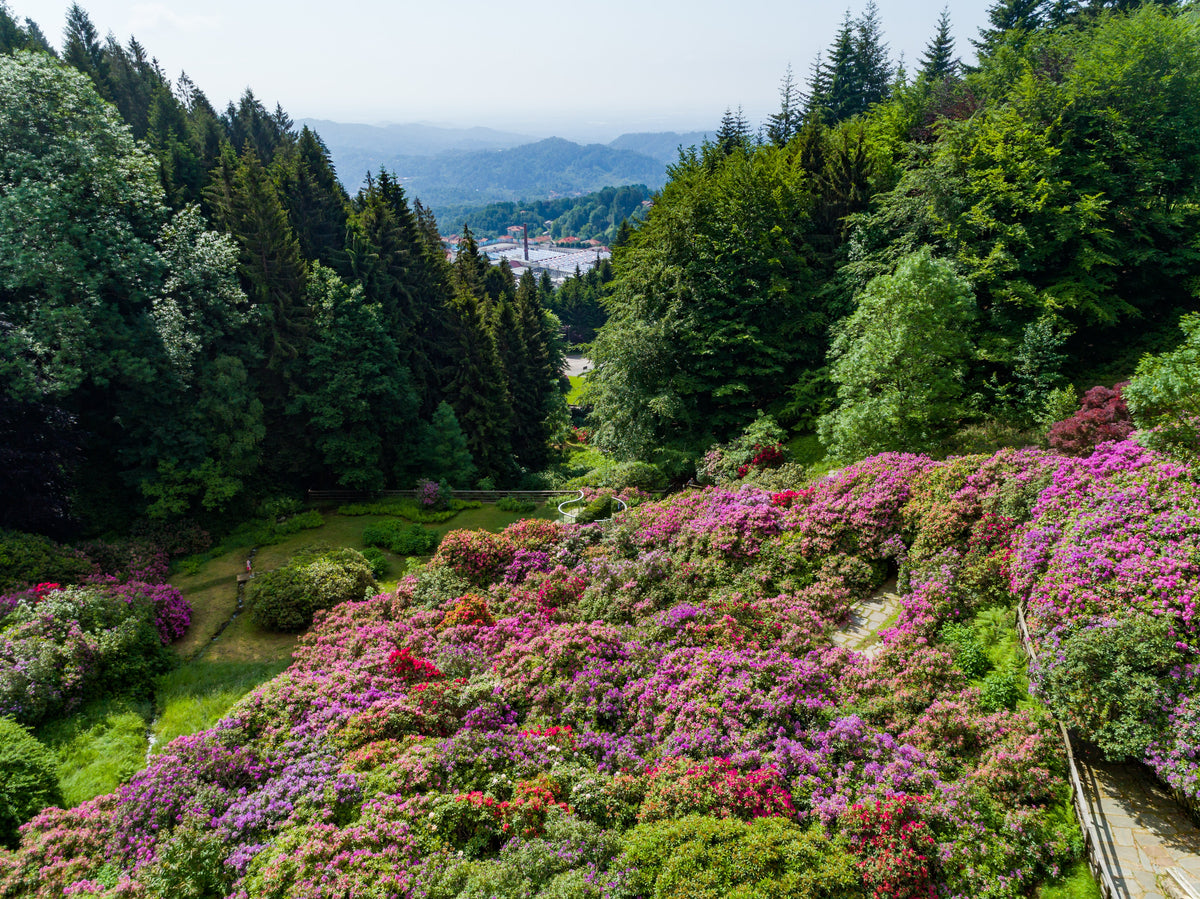
Views along the route


Take a look at the Trekking collection to get oriented on technical garments and footwear before diving into the technical and clothing details.


Cammino di Ermenegildo: what to expect from the route
Official material indicates 3 days, 3 stages and roughly 50 km total, with a cumulative elevation gain around 2,000 m. Reference starting points include Centro Zegna in Trivero Valdilana and Bocchetto Sessera; choose your start point based on how you want to organize the stages. The route is intended to be walked outside the winter season.
The T2 classification signals mountain trails with steep sections, uneven ground, scree or rocky bits. You need hiking experience, basic aerobic training and shoes suitable for mixed terrain; it’s not a technical itinerary but it’s not an easy dirt-track walk either.
What to check before departure
Targeted checks and up-to-date verifications remove many uncertainties: make them a routine the day before and the morning of departure.
Check the local weather for the time windows you plan to walk and plan stages and pace accordingly. Consult official communications from the Oasi Zegna or the local tourist office for alerts on trails, detours or events that coincide with your Cammino dates; never state the condition of a section based only on old information.
Contact in advance the refreshment points or accommodations where you plan to stop: confirm opening hours, availability of spaces and arrival or baggage transfer arrangements if you expect to use them. Also make sure you know how to reach your chosen start point and, if needed, arrange transfers between stages.
Prepare useful contacts: save the tourist office number, any local reference numbers and emergency services. Share your itinerary with a contact person and verify they received it. Charge your phone, bring a power bank and make sure you have offline maps or the GPX of the route if you plan to use a navigation device.
Clothing: start from the season and the intensity
For the Cammino, outside winter, the practical rule is layering: a breathable base layer, a midlayer for warmth and a lightweight wind/rain shell. Weather can change within the same day between valley and ridge; a layered system lets you adapt without carrying too much weight.
Two ways to build the look
AI-generated outfit scenes grounded in the linked product photographs. The landscape is illustrative.

Products mentioned in this article


Products mentioned in this article


Base layer
Start with a garment that wicks moisture and limits odors on long days: merino wool is useful for this. A merino shirt dries quickly and keeps odor under control over consecutive stages.
Midlayer
A compressible midlayer that retains heat without taking up space is ideal for morning breaks and slower sections. The Atom SL Jacket Men's Black is an example of a lightweight, compressible midlayer that protects the torso without adding volume to the pack.
Shell / outer protection
Always bring a lightweight, water-repellent and windproof shell. It should fit well over your backpack and allow freedom of movement. For heavy rain you need a more protective membrane; for the variable conditions typical of spring and summer a light shell is often more practical and less bulky.
Pants, footwear and backpack
Pants should combine freedom of movement and durability: stretch panels in high-stress areas help on long climbs and descents. The Men's Octa Hybrid Pants Sage Green are designed for this type of movement and offer extra protection on cool days.
For shoes the criteria are clear: support, grip and heel protection. For mixed terrain and scree you need a sole with good grip and a structure that stabilizes the foot. Among available models, the 001A Men's Shoes Star Anise is built for dynamic routes; for women the Renegade Evo GTX Women's Shoes Asphalt/Turquise offers a waterproof membrane and a cushioned midsole useful on long days.
For a daypack, for daily stages with a light change and the essentials, a daypack around 25 L is a practical choice: the Ubic 25 Black Backpack is a 25 L example organized for day hikes. If you expect to carry a sleeping bag or extra equipment, choose larger volumes and a carrying system with a well-adjusted hipbelt.
What to put in the pack (practical)
- Enough water for the stage (bottle or hydration system) and high-energy snacks.
- Extra layers: spare shirt, compressible midlayer and lightweight shell.
- Minimal first aid kit, sunscreen, hat and sunglasses.
- Charged phone, power bank, ID and a bag for wet clothes.
Fit, practical checks and trade-offs
Try shoes with the socks you’ll use on the trail: there should be some space in front of the toes and the heel should not slip. Check pants by bending the knee: they should not pull or restrict your stride. When trying the jacket, do so with the backpack on to ensure mobility isn’t limited.
Trade-offs are inevitable: more insulation means more weight; more ventilation means less wind protection. If you prioritize lightness, favor compressible garments; if you fear heavy rain, consider a shell with a more protective membrane at the cost of weight and bulk.
Logistics and small tips
If you start from Centro Zegna in Trivero Valdilana use the tourist office as an information point to check local updates and practical directions. If you begin from Bocchetto Sessera the stage logistics and connections change: define transfers and refreshment points before you leave. Tell a reference person your route plan and make sure your phone stays charged for the duration of the stages.
Products mentioned in this article (for comparison and practical choice): Atom SL Jacket Men's Black, Men's Octa Hybrid Pants Sage Green, 001A Men's Shoes Star Anise, Renegade Evo GTX Women's Shoes Asphalt/Turquise and Ubic 25 Black Backpack. If you have doubts about size or volume, visit the store in Biella or contact the shop for tailored advice before purchase.
For the Cammino di Ermenegildo, before you leave, separate the essentials from items you bring out of habit: lay out garments, footwear and accessories together and check that every piece has a concrete function for trekking in the Oasi Zegna. Try the layers in the same order you plan to use them and check they don’t restrict movement. Recheck updated forecasts, any official communications about the route and the availability of the services you plan to use on the day of departure.
FAQ
How long is the Cammino di Ermenegildo and what is the total distance?
The Cammino is structured over 3 days and 3 stages for about 50 km in total.
What is the technical difficulty of the route and what does T2 mean?
The technical classification is T2: mountain trails not equipped with steep sections and uneven ground. It requires hiking experience and suitable trekking shoes, but not mountaineering gear.
When is the Cammino passable?
The route is passable in seasons other than winter; avoid winter months due to weather and snow conditions.
What are the indicated starting points for the Cammino?
Suggested starting points include Centro Zegna in Trivero Valdilana (Via Guglielmo Marconi, in front of the Tourist Office) and Bocchetto Sessera.
What kind of backpack is practical for daily stages?
For daily stages with the essentials a daypack around 25 L is practical: the Ubic 25 Black Backpack is an example organized for hikes. If you plan to carry a sleeping bag or extra gear, choose larger volumes.
Ski Sises on Google
Choose Ski Sises as a preferred source: you'll see our guides and news more often in Top stories on Google.