Biella-Oropa Enduro MTB Loop: start, route and clothing
If you are considering theBiella-Oropa Enduro MTB loop, the first question is simple: does this ride match your technical level? Useful data are clear: start from Biella, locality Favaro, 16 km, 600 m elevation gain, technical difficulty: hard and high physical effort. Translated: distance alone doesn’t say much. What matters more is that the climb is followed by technical sections on the return, where sharpness, bike position and freedom of movement count more than the kilometers on paper.
Where to start
Open the pin for the start point on Google Maps: Biella, Località Favaro (45.597409000, 7.998877000)
Route map
The line follows the GPX track published by the indicated source. Use it to orient yourself, but always check signage, conditions and notices before setting out.

We’ll send you links to this route’s official GPX track and its starting points.
Notify me when my size arrives
Highlights along the route


Route sheet
- Length: 16 km
- Elevation gain: 600 m
- Loop route: no
If you want to view garments and accessories suitable for an outing like this, in the collection cycling you’ll find the most relevant categories for jerseys, shorts and glasses to use in MTB.


Biella-Oropa Enduro MTB loop: What to expect from the ride, even before thinking about your outfit
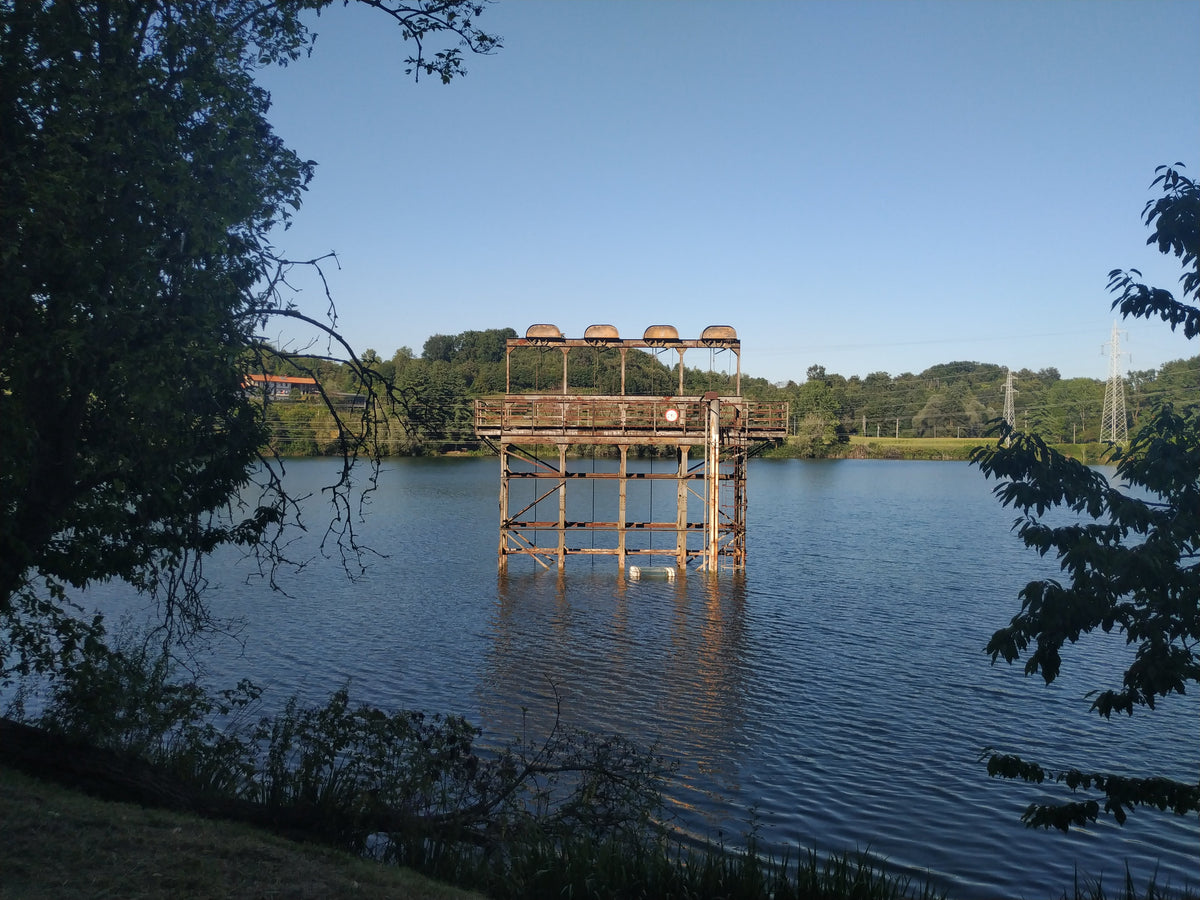
The itinerary climbs from the hamlet of Favaro toward Oropa along the old railway road of the Biella/Oropa little train. From the Oropa Sanctuary it continues west on the Tracciolino road. After that stretch, the return follows a series of singletracks described as at times very technical until the return to Favaro.
This changes how you should read the route. It’s not a uniform ride from start to finish. There’s a part where you must manage effort and body temperature, and a part where you need smooth movement, attention and clothing that doesn’t get in the way. If you sweat too much on the climb, you’ll carry it with you just when the terrain demands precision. If you wear too little or unstable garments, you’ll start adjusting your jersey and shorts at the wrong moments.
The recommended season includes spring, late spring/summer and autumn. It’s a wide span. That’s why it makes little sense to think of a fixed outfit that’s always valid. A light, adjustable system without unnecessary bulk works better here.
When the route is difficult, the point isn’t just having legs
On this loop it pays to be realistic. Sixteen kilometers may seem short, but the sheet rates it as hard and with high physical effort. If you pedal well on easy surfaces but lose fluidity as soon as the trail requires more precise lines, the issue isn’t just fitness. You need technical margin.
There’s also one practical extra detail: it notes the possibility of getting up to Oropa by bus with bike transport from Biella S.Paolo station on ATAP line 360. It can make sense if you want to concentrate the outing mainly on the riding-oriented part and reduce the fatigue accumulated beforehand. It’s not a shortcut to judge. It’s a logistical option to weigh according to your goal for the day.
The real mistake here is setting off with a vague idea of the ride. The climb, the Tracciolino and the singletrack require energy, but also a clear head. If you already know that when you get tired you tense your arms and posture, that matters more than a wrong choice of color or fabric.
What to check before you leave
Always check before the ride the weather, trail conditions and any official updated notices. This isn’t a formal step. On an itinerary with technical difficulty, unexpected surface changes, works, detours or temporary restrictions can greatly affect bike handling and timings.
- Check the updated weather for the time slot in which you expect to be cycling.
- Check for any local official notices or updates about the route and the bus service.
- Check the bike with at least a basic routine: brakes, tyre pressure, drivetrain and fastenings.
- Carry water and an essential kit for small repairs; if there’s a risk of finishing late, add a light.
The article does not replace day-of checks and can’t tell you the exact condition you’ll find on the route. Clothing helps you feel better in the saddle, but it doesn’t correct a wrong assessment of actual conditions.
How to dress when you need to climb well and ride cleanly
For an enduro loop with these characteristics, the most useful rule is this: dress so you don’t overheat on the climb and so you aren’t hindered on the technical sections. This is where mistakes are often made. People think mainly about elevation or the descent, overdress and arrive already damp at the passages where you’d need to feel dry and loose.
In spring and autumn it makes sense to start from a base that handles temperature and odors well. On mild or hot days heat dissipation matters more. If you use protection, check the fit in riding position, not standing in front of the mirror. A jersey that feels loose on the shoulders when standing can shorten on the back or restrict your arms as soon as you lean over the bars.
For men, the T-shirt Reform Enduro Men Turmaline Navy is a centered choice because the description presents it as designed for mountain biking and enduro, with recycled materials, freedom of movement, breathability and comfort. On a route like this the practical advantage is clear: a garment built to be comfortable while you change pace and posture tends to bother you less on the sections where you’re actually riding.
If you prefer a merino base in the shoulder seasons, the Trick Charcoal Men's Grey T-shirt follows a different logic. The description mentions 100% ZQ merino wool, thermoregulation and odor control. It can work well if you want a very pleasant first layer on the skin and more versatile use. The limitation should be noted: compared to a jersey explicitly aimed at MTB, here you get more general versatility and less bike-specific specialization.
For women, the T-shirt MTB Pure 3/4 Jersey Women Epidote Green is probably the most straightforward option for this loop. The lightweight mesh fabric, breathability, quick drying and cut compatible with body protection are details that become tangible in the field. If you expect a truly technical section, a jersey that doesn’t conflict with potential protection is more useful than a garment that’s only generically sporty.
If instead you ride on a cooler day or start early, the Women’s LS Half Zip T‑shirt White can make sense as a first layer: the description indicates 100% Merino Reda Active® wool, natural thermoregulation and a half zip. The zip, in this case, isn’t an aesthetic detail. It lets you dump heat on climbs without having to change the whole system. On hotter days, however, a long sleeve can simply be too much.
Shorts and liner shorts: comfort yes, but without complicating your ride
Down below the rule is the same: freedom of movement, stability and no annoyances when you stand on the pedals or shift your weight back. On a loop with technical return, shorts that pull on the knees or shift badly on the saddle are noticed immediately.
For men, the Shorts Essential Enduro Men Sylvanite Grey are consistent with this use because the description lists lightweight, durable nylon fabric, elastic component, compatibility with knee protectors, practical pockets and an elastic waistband. The crucial feature here is compatibility with protectors: if the short restricts movement exactly when you shift back or bend, the problem isn’t theoretical.
As an inner layer, the Pantaloncini Re-cycle Boxer Men Uranium Black can make sense if you feel a lot of contact with the saddle or want extra support in the pedaling area. The description mentions a wide pad, lightweight breathable fabric, quick drying and a structure without the compression typical of bib shorts. They aren’t mandatory for everyone on a 16 km ride. It depends on how you pedal, how long you’ll be in the saddle and how much value you give to chamois comfort versus simplicity of fit.
For women, the Up Cyclist Women's Shorts Black are a direct solution for bike use. The description cites stretch jersey, UV protection, elasticized waist, silicone gripper at the hem, nylon DWR 4-way stretch fabric and a front zip pocket. In practice: the garment stays more stable, allows good movement and avoids unnecessary waist compression.
If instead you’re looking for a more versatile outer short, the Land Women’s Ardesia Shorts bring in polyamide 4-way stretch, tear and abrasion resistance and a DWR treatment. They can be a good route if you want a robust piece less tied to solely bike use. The trade-off is simple: they don’t automatically replace the specific comfort of a cycling short built first and foremost for pedaling.
Glasses: useful even when the sun isn’t the main issue
On a ride alternating climbs, Tracciolino and singletrack, glasses aren’t just for screening light. They also help you read the terrain and protect the eyes while intensity changes.
The Sutro Lite Sweep (Vented) Sunglasses Matte White/Prizm Road Jade focus on ventilated lenses, increased airflow and reduced fogging. These are useful when you go from prolonged effort to livelier sections and don’t want the lens to cloud up at the wrong moment. The description adds that Prizm Road Jade technology is designed to enhance color and contrast.
Alternatively, the Fury Sunglasses Dark Grey/Orange Reactiv 0-3 offer a cylindrical lens, wide field of view, ventilation and helmet compatibility. You might prefer them if you want abundant visual coverage and a Reactiv 0-3 lens made for variable light. Here the choice is very personal: more than the model name, what matters is how they feel on your face and the type of vision you prefer.
Extra layers: add them only if they solve a specific problem
The most common mistake is putting on a jacket “just in case” even when the season and ride intensity would suggest otherwise. On this loop the climb can heat you up a lot. If you start too covered, you’ll often end up opening or removing layers at inconvenient moments.
Better a simple system: a coherent base layer, an outer shirt suited to the heat you’ll produce and, only if really needed, a lightweight spare layer. The opposite also holds. If you’re prone to cold and ride in spring or autumn, a merino base can help manage moisture and comfort on the skin. But don’t make it an absolute rule: on hotter days or continuous climbs it can be less suitable than a more open, ventilated shirt.
A small accessory that can save you an awkward return
The Sprint Plus Headlamp doesn’t replace bike lights, but can live in your pack if you think you might finish late or handle an unexpected low-light situation. It makes sense mainly as a margin. It’s light and doesn’t complicate the ride.
The Biella-Oropa Enduro loop starts from Favaro, climbs toward Oropa, runs along the Tracciolino and returns on singletrack that’s sometimes very technical. The numbers look modest only until you read them together with the difficult technical rating and high physical demand. That’s why the right choice here isn’t the flashiest piece. It’s the one that lets you pedal, breathe and move well for the whole outing. If you want to calmly compare the most coherent options, you can start from the collection cycling.
FAQ
Is the Biella-Oropa Enduro MTB loop suitable for riders with little singletrack experience?
It’s worth evaluating with caution. The technical difficulty is rated difficult and the return includes singletrack that’s sometimes very technical. If you lose confidence on narrow or rougher trails, this isn’t the easiest ride to pick lightly.
Where does the Biella-Oropa Enduro loop start?
The indicated start is in Biella, Favaro.
How long is the route and what elevation gain does it have?
Verified technical data show 16 km total and 600 m of elevation gain.
Can the initial climbed section be avoided by pedalling?
Route info also notes the option to reach Oropa by bus that carries bikes from Biella S.Paolo station on ATAP line 360. It’s wise to check the service updates before you leave.
How should you dress for an enduro loop with climbs and technical sections?
The best approach is to dress so you don’t overheat on climbs and so clothing doesn’t pull or shift on technical sections. A breathable jersey, stable shorts with a fit compatible with any pads, and few unnecessary layers are usually the most sensible base.


Ski Sises on Google
Choose Ski Sises as a preferred source: you'll see our guides and news more often in Top stories on Google.