



















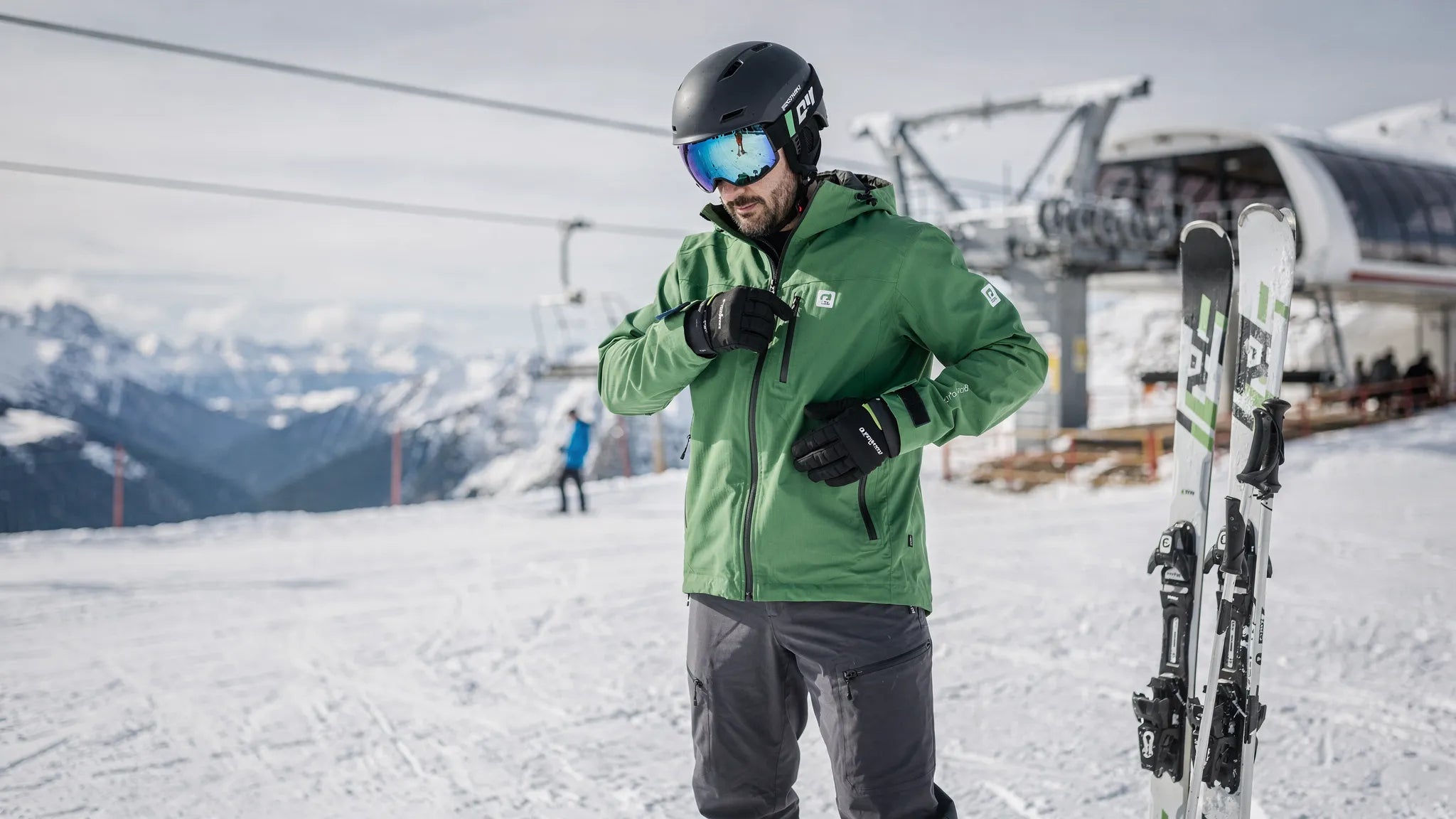
Men snow suit: how to choose for long days
Onesnow suit manrarely notice the first round. The problem comes later: when the snow turns, the wind changes, the temperatures drop and the day stretches between chairlifts, stops and stretches into shadow. In those hours, the difference makes it continuous comfort, moisture management, freedom of movement and practical details that reduce mental friction (tasks, adjustments, snow protection).
This guide is for those who ski “all day”, from intense weekends to white weeks, and want to choose a suit consistent with their own pace, without paying for features that will not use.
- In summary:for long days seeks balance between weather protection and breathability, more details that simplify life (ventilations, sensible pockets, adjustments).
- Practice rule:better a modular set well layered than a solution too hot (sweep) or too light (cold at the end of the day).
- Quick choice:relaxed and cold constant track, more insulation; intense and variable ski, more ventilation and layering.
- Before purchase:do a mobility test (arm up, welcome, sit) thinking about the real layers you will wear.
What makes “right” a man snow suit when the day is long
A long day amplifies three things:internal humidity, micro-fastingandenergy reduction. The ideal suit is not the “more technical” overall, but the one that keeps you stable while the context changes.
The 3 real objectives
- Stay dry: outside (black, wind, seats wet in the chairlift) and inside (fashion).
- Adjust the heat: without having to “subire” the suit when you raise the rhythm.
- Reduce friction: pockets accessible with gloves, zip that run, cuffs that close well, adjustments that do not move.
If you want to deepen the numerical part (water resistance, breathability, construction), you should also read the dedicated guide:ski suit man, how to read the real technical values.
Quick decision tree: which “structure” to choose
The first decision is structural:modular set (low + layers)orisolated set (padded). Everything else comes from here.
If you answer “yes” to these questions, go to shell + layering
- Easily sweat or ski with intensity.
- Make days with variable weather.
- Travel often and want a more adaptable set.
- You want to use the jacket even outside the snow (outdoor, city, travel).
If you answer “yes” to these questions, go to isolated set
- You suffer cold or take many breaks.
- More relaxed slides, more chairlift, less intensity.
- You want a “ready” comfort without thinking too much about the layers.
For a reading by discipline (track, freeride, touring) there is also this guide:ski suit man, differences between track, freeride and touring.
Table: fast choice based on rhythm
| Typical Scenario | More common feeling in 4–6 hours | Priority in the suit | Recommended structure |
|---|---|---|---|
| Pista at constant pace, many stops | Cold “that salt” when you stop | Insulation + wind protection | Set isolated or shell with warmer mid layer |
| Sports track, many repeated | Internal humidity and overheating | Ventilation + breathability | Guscio + layering |
| White week, variable weather | Different days between them | Modularity | Guscio + layering |
| Day with wet snow | Wet on seats and ski lifts | External protection + anti- snow details | Both, but with focus on finishes and closures |
Check-list “long day”: details that really matter
Here we do not talk about marketing, but of elements that reduce concrete problems after hours on the snow.
Ventilation and management of microclimate
Theventilation zipbecome a primary function on long days: it allows you to stay dry when you increase the intensity, without completely opening the jacket or changing layers uncomfortable.
For trousers, ventilation helps when altering more dynamic traits to laughter and breaks.
Pockets: few, but in the right place
For a long day, the best logic is “immediate access, zero chaos”. Basically:
- easy pocket for skipass
- a pocket that keeps your smartphone without hindering
- a safe pocket for keys or documents
If your pockets are too many and little functional, you end up losing time, or worse, to stick everything where it happens.
Snow protection: cuffs, gaiters, closures
Critical points are always the same:wrists, waist and ankles. Look for solutions that limit snow entry without creating stiffness.
On the trousers, theInternal gaiteris one of those details that you appreciate especially when snow is soft or when you move often off the beaten track.
Reinforcements where needed
Long days consume the head in a repetitive way: leg inner edge (contact with boots), trouser bottom, rubbing points with chair and equipment. You do not need “arming” everywhere, but a construction thought yes.

Fit and sizes: how to avoid the mistake that spoils the day
A suit can have excellent materials, but if the fit is wrong, after hours you notice it clearly: pull on the shoulders, waist tightening, pants that descend, cold that enters from unsealed points.
Basic rule for long days
The fit must allowmobility + layering, without becoming “flat”. The goal is not to have generic space, but space in the workplace: shoulders, elbows, knees, sitting.
Test (2 minutes, at home)
Wear the layers you really use and do:
- arms over the head (as to fix the mask or helmet)
- deep-seated (as to hook the boot)
- sitting (as chairlift)
If in one of these tests you feel clearly pulling, it is not a detail: on the track it becomes fatigue.
For a complete guide on fits and sizes, you can also use this resource:sports shop, how to choose sizes and fit.
Layering to withstand 8 hours: the most reliable formula
For long days, the most stable strategy is to build a system that lets you cross variations without “thermal shock”.
The practical formula
- Basic layer: moisture management and skin comfort.
- Intermediate layer (mid layer): modulable heat.
- External layer: barrier against wind and precipitation.
You do not need to change continuously: you often just adjust ventilation and zip, and remove or add a mid layer on pause.
If you are interested in a “4 seasons” approach (also useful beyond snow), you will find a solid base here:sportswear, basic garments for 4 seasons.
Our recommended options: “best for” curated configurations
Here we do not propose a specific model, butsolutions. It is the cleanest way to choose without being guided only by the look or by a product card number.
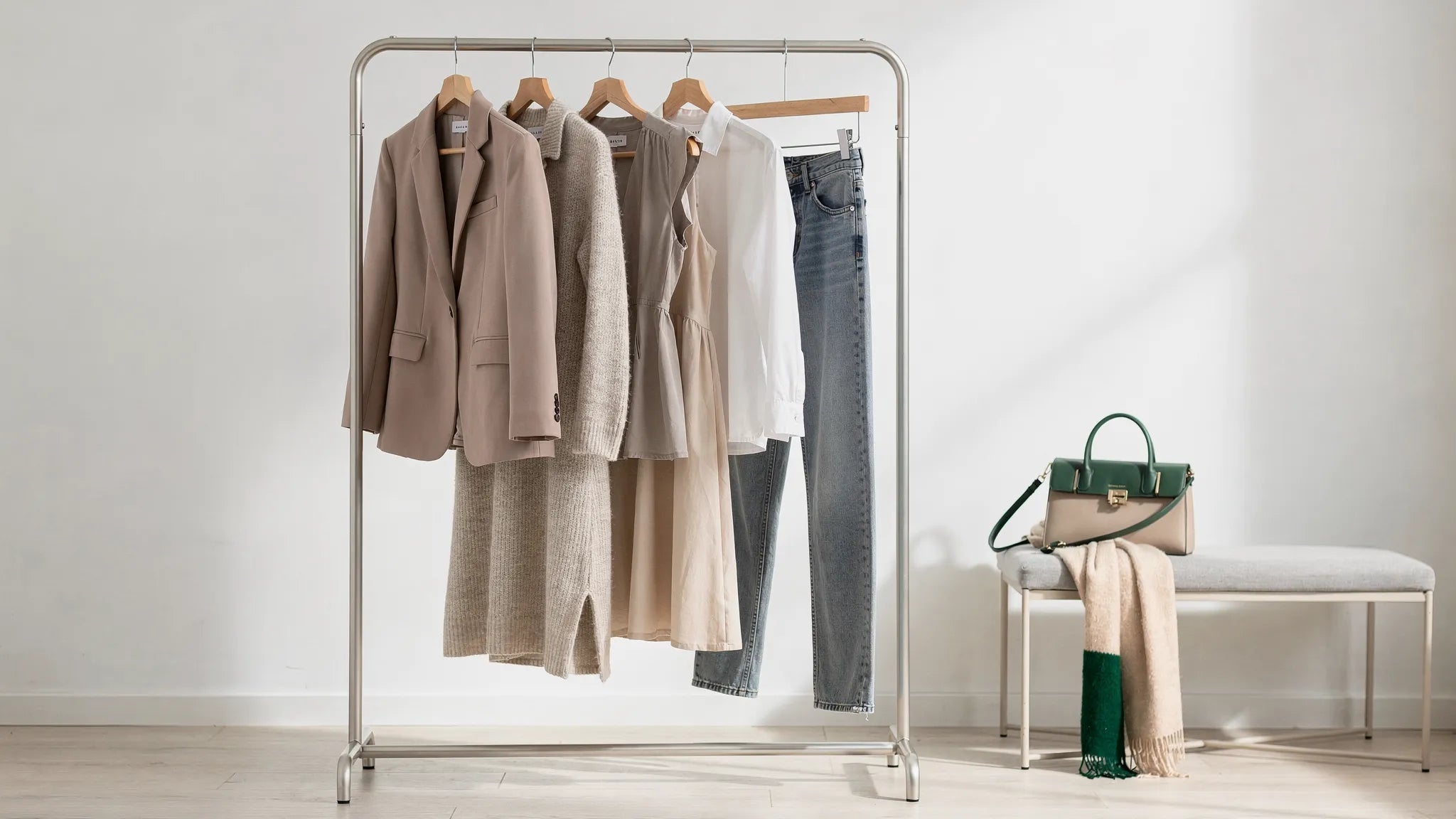
1) Modular Guscio + Layering
Best for:who does long days with variable rhythm and weather changing.
Key features:outdoor protection, ventilation, effective adjustments, good compatibility with intermediate layers.
What to match:Reliable layer base + modulable thermal mid layer + suitable gloves to the conditions.
To complete a “technical but clean” wardrobe (also used outside the snow), you can explore a curated selection in tech-casual style:Fashion sport 2026: technical garments that seem casual.
2) Isolated set (jacca and padded pants)
Best for:cold days, relaxed skiing, many breaks, who does not want to think too much about the layers.
Key features:immediate heat, constant comfort, less need for very heavy mid layer.
What to match:technical layer base and a light mid layer to adjust if the sun comes out or if it increases the rhythm.
3) Trousers with chest (bib) + jacket
Best for:who spends many hours outside, moves often, wants extra protection on back and life.
Key features:grip against snow, stability in movement, less “piffer effect” in chairlift.
What to match:a mid layer that does not create excessive volume on the bust, plus gloves with good protection.
4) One-piece (all)
Best for:who wants maximum continuity against wind and snow, and appreciates a head “all in one”.
Key features:continuous protection, lower snow input points, compact set feeling.
What to match:base layer and mid layer well chosen, and a focus on accessories (gulls and masks) to balance thermal comfort.
Practical note: the one-piece is great in protection, but it requires more attention on accessibility and management of breaks.
5) “travel-friendly” set for white weeks
Best for:who travels and wants versatility, less volume in suitcase, more adaptability to different days.
Key features:modularity, relatively fast drying, good temperature management with zip and layers.
What to match:a main mid layer and a second lighter mid layer (to alternate without filling too).
Useful collections to complete the set (without complicating it)
If you are building the suit around a layered system, these collections help to reason for consistent pieces:
- Lanapo Santa Margherita: ideal if you are looking for versatile garments for layering and transversal use (mountain, travel, après-ski).
- Biella Fabrics: useful to explore a careful selection with an idea of quality and duration.


Before the season (or before the weekend): services that increase the chances of a good day
A right suit works better if the rest of the equipment is consistent. If you are planning long days and want to reduce unexpected, it makes sense to consider the services in the store.
For a complete picture:sport service, all services in store. If you are considering not to take you behind everything and leave light:ski rental Biella, quick guide to book without errors.

Frequently Asked Questions
Better man snow suit two pieces or whole suit for long days?It depends on your rhythm. The two pieces are more modular (easy to adjust layers and temperatures), the whole suit offers continuity against snow and wind but requires more attention to the management of breaks and accessibility.
Is it better for a long day than a padded suit or a shell?If you sweat or ski strong, the shell with layering is often more stable because it better manages moisture. If you do many stops or suffer cold, a more isolated solution can be more comfortable.
How do I know if the size is right without trying it in the store?Test with the real layers: arms over your head, welcome, sitting. If you feel pulling on shoulders, sitting or inside thighs, on track it gets worse. In case of doubt between two sizes, decide the use: more layering and long days, better not tighten.
What is the most underrated detail to stay comfortable all day?The ventilation, especially if alternate intense and laughter strokes. Keeping indoor humidity under control is one of the most effective ways not to cool in the afternoon.
Does it make sense to build the suit around the layering even if I ski only on the track?Yes, because on track variability is still high (sun, shadow, wind, breaks). A well-chosen layer system prevents you from having “too hot” in the morning and “too cold” after hours.
A simple choice: start from the scenario, then close the set
If you tell me where you usually ski and how your day lives (remove, breaks, cold perceived), it is easier to narrow the field to a few sensible options. Meanwhile you can explore the collections to build a coherent and durable set, or contact the staff for a targeted advice before buying onFabbrica Ski Sises.
Ski Sises on Google
Choose Ski Sises as a preferred source: you'll see our guides and news more often in Top stories on Google.