
Ski shops: what to ask before buying (or rent)
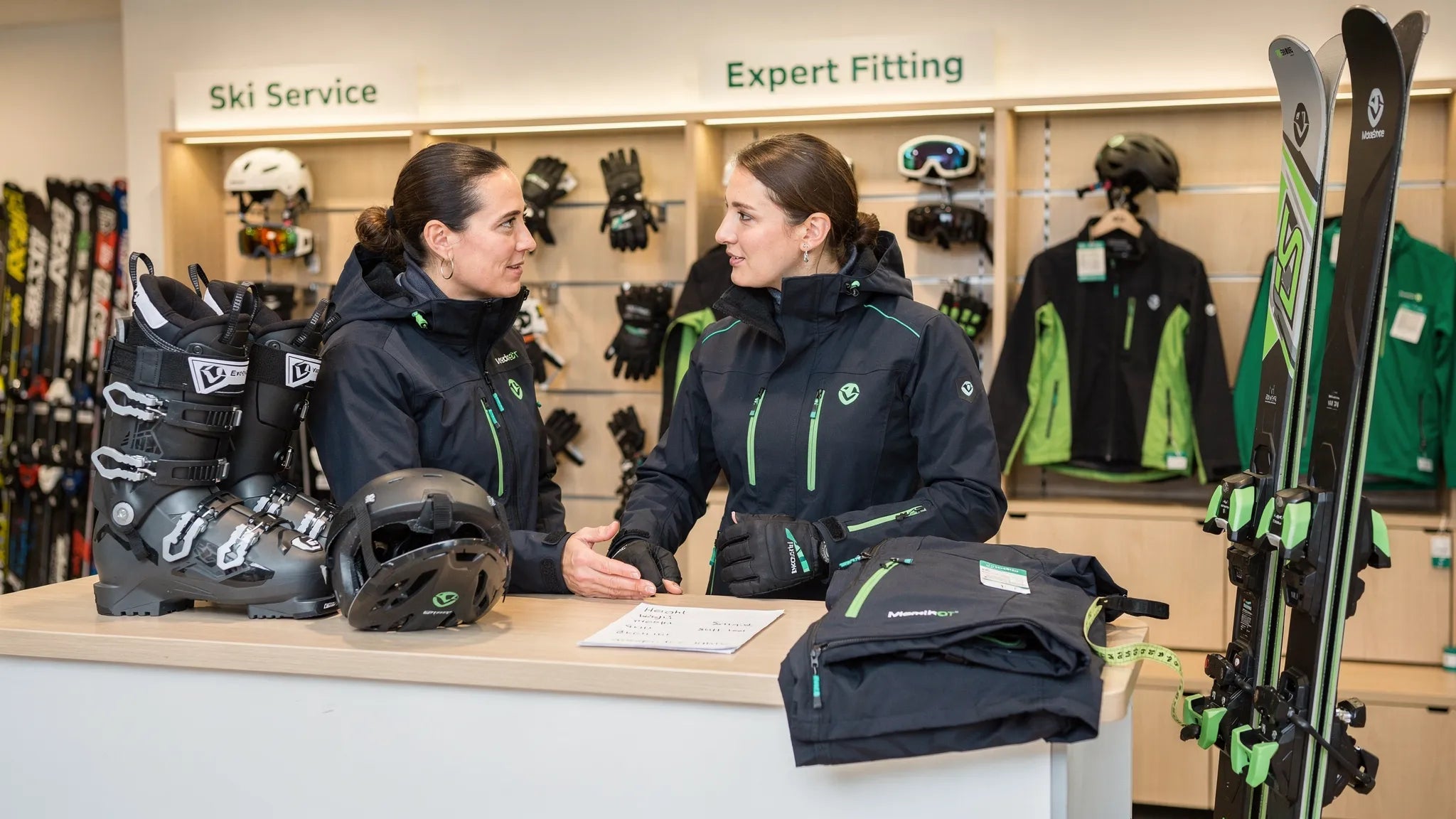
Enter one of the manyski shopsand exit with the purchase “right” does not depend on the price, nor on the model of the moment. It depends on the questions you ask, and how you read the answers. Because two skis that look similar can behave oppositely, and a wrong boot also spoils the best day.
This guide is for those who buy with criterion (principles included) and for those who are evaluating the rental: a coherent set-up, without waste, with a real safety margin.
- Objective: clarify in 5 minutes if to buy, rent, or postpone.
- Method: essential questions, signs of competence, and immediate controls.
In short: what to ask (and what to get as an answer)
- Define yourscenario of use(days/year, favourite tracks, technical target).
- Askthat compromiseyou are buying (stability vs ease, heat vs sweat management).
- Pretend a concrete fit test: boots and helmet do not “invent”.
- Verificationset-up and services: adjustment of attacks, maintenance, after-sales.
- If the answer is vague, better change approach (or shop).
1) Before talking about products: 3 data that change everything
In the most serious ski shops, the conversation starts from you, not from the equipment.
The scenario of use, in a useful form
Bring (or clarify) these three information:
- How many daysYou're really gonna do it in season.
- Where to skimore often (snake run, snow lasts morning, snow turned in the afternoon, some piste edge).
- Objective: learn, improve conduction, ski faster with control, reduce fatigue, make a set-up “travel”.
If you want a quick rule: the more you are discontinuous, the more well done rental beats impulsive purchase.

2) Buy or rent: practical, non-ideological decision
Buying makes sense when you are stabilizing your style, and you want continuity. Renting makes sense when you want to reduce risk and maximize adaptability.
Mini decision
If you recognize yourself in one of these phrases, you are already close to choice.
You should rent if:
- skiing a few times a year or irregularly
- you are changing technical level or want to try different categories
- travel often and you want to avoid management and maintenance
You should buy if:
- skis with frequency and you want a set-up always equal
- you already figured out what you like (or what you don't want anymore)
- you want to invest first on what stacks more comfort and control (especially boots)
| The theme | Purchase | Rental |
|---|---|---|
| Error Risk | Higher if you have no experience | Lower, you can quickly correct |
| Technical developments | Slow down if you take a set too “definitive” | Excellent for testing progression |
| Management and maintenance | At your expense | Often included or managed by the service |
| Cost in time | Advantage if you use very | Advantageous if you use little or you want variety |
If you are in Biella area and want to set the season without surprises, here you will find an operational guide to the rental:ski rental in Biella, booking without errors.
3) The questions a good store expects (and you should do)
These are not “experienced questions.” They are questions from person who wants to buy something right once.
A) Boots: first the fit, then the rest
Ask:
- What is the goal of stocking today?(immediate comfort, performance, compromise)
- What do I need to hear in the test?(admissible pressure points, what is a no)
- What stock should I use to try?(a technical stocking, not random)
- What is the plan if they are “between two sizes”?(Christian, not opinion)
What you want to get as an answer: a test protocol, not a “it’s good to you”.
B) Skiing and attacks: consistency, not “standard” length
Ask:
- What category am I choosing for my real land?
- What difference will I feel between this and an easier or more stable alternative?
- How is the adjustment of attacks set and what data?
Here the quality of the shop is seen from one thing: they ask you data (height, weight, level, type of ski) and explain why choices.
C) Technical clothing: ask in terms of moisture management
Ask:
- How do I manage sweat and wind with my rhythms?
- Better an isolated set or a shell with layers?
- What do I need to check in evidence to avoid wrong size?
If you want an essential and versatile setting, the reasoned layering remains the basis. For “technical but clean” garments, useful also outside the snow, you can start from collections curated asDynafitor a modular wardrobe asLanapo.
D) Safety and compatibility: helmet, mask, protections
Ask:
- Is the helmet certified for ski use?(in Europe typically EN 1077)
- Is the mask compatible with this helmet in terms of support and ventilation?
- What should I check to avoid condensation and pressure points?
A useful reference on the issue of security and requirements of the IMPs in the EU is the page of the European Commission onpersonal protective equipment (PPE).
E) Services: what transforms “sale” in relation
Always ask:
- What happens after purchase?(assistance, adjustments, maintenance)
- What maintenance do you recommend me and when?
If you want to understand what services to look for and when to use them, see alsoSport service: all services in store.
4) How to evaluate answers: green flag and red flag
Questions count, but they count more answers.
| Question | Good signal | Risk signals |
|---|---|---|
| “Why this model? ” | Clear compromises, alternative proposals | “It is the best” without context |
| “How should the boot fit? ” | Practical tests and expected sensations explained | “Stringi e via” |
| “Buy or rent? ” | They help you decide even if you don't buy today | Push to purchase regardless |
| “Post-sale? ” | Procedures, times, what is included | Vague responses |
A competent shop does not fear confrontation. It gives you criteria. And she lets you choose.
5) Fits and sizes: Quick protocol (also to buy online)
If you are using an online shop or want to reduce errors in the store, use a minimum protocol.
Boots (guide principle)
- Try technical stocking.
- Stable heel, steady foot, without “flagging”.
- Localized pressures should be interpreted, net and immediate pain usually not.
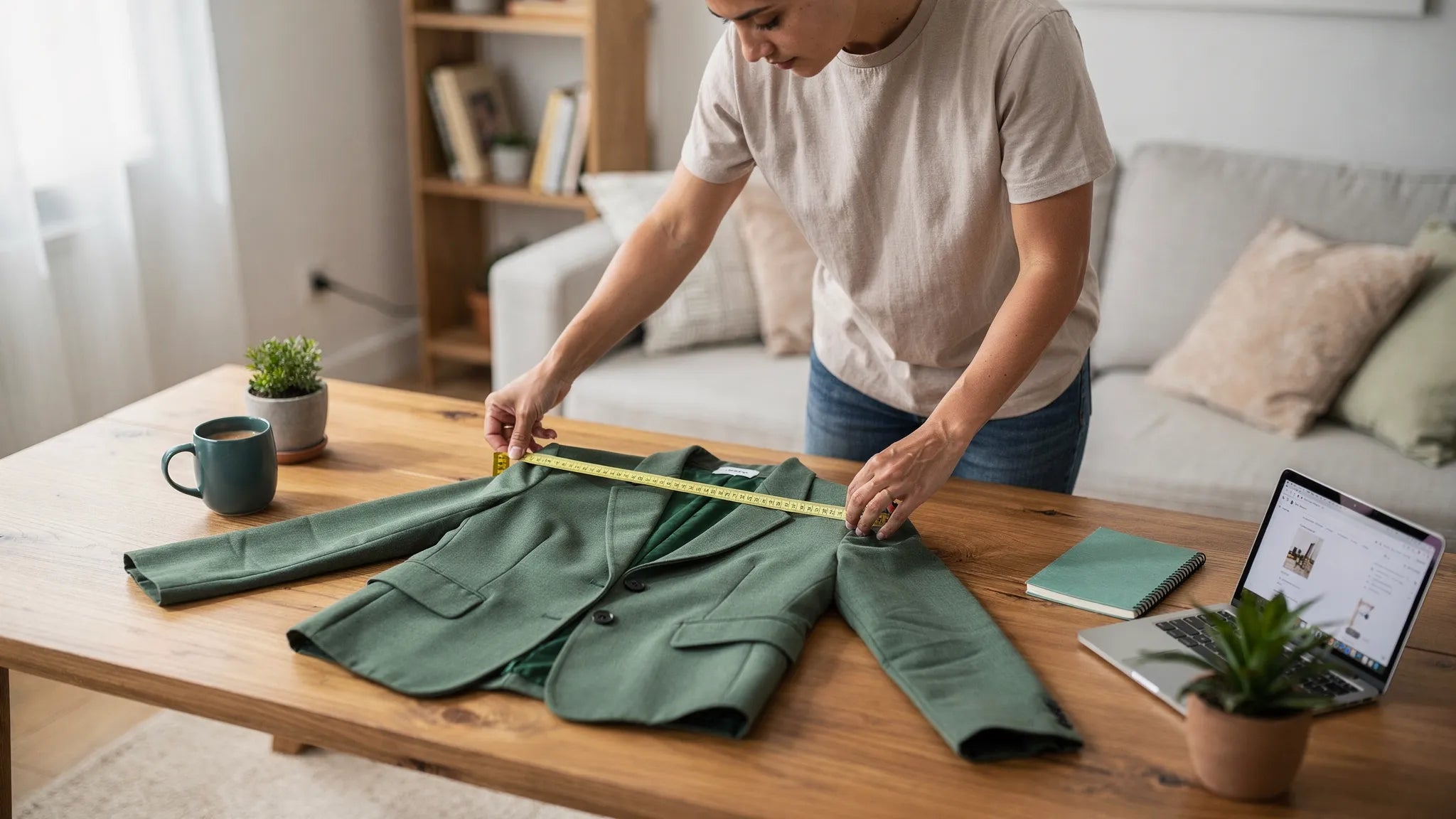
Jacket and trousers: 3 movements
- Arms on: it should not pull in a limiting way.
- Welcome: it should not block basin and knees.
- Simula lace boots: verification freedom in the lower part.
Footwear and technical lifestyle
If you are looking for transversal garments and shoes (travel, city, outdoor light), it makes sense to invest on pieces that hold real use. Collections asFlower Mountainand premium textile selections such asBiella Fabricsare a good starting point to build a coherent wardrobe even beyond the season.
Our recommended options (based on your profile)
They are not “right products for everyone”. They are sensible choices for recurring scenarios.
1) Careed rental for weekends and white weeks
Best for:who skis a few times, families, who wants zero management.
Key features:set suitable at level and conditions, quick correction if something does not return, managed maintenance.
What to match:essential layering (base, mid, external) and a reliable hot accessory. If you want to deepen a single key piece, read alsoSki gloves: how to choose.
2) Buy boots first, then skis
Best for:who wants to improve control, reduce fatigue, ski longer.
Key features:fit consistency, more precise transfer, more predictability in the curve.
What to match:ski rental for a test season, then targeted purchase.
3) “Stress-free” set for those who are progressing
Best for:Advanced and intermediate beginners who want ease and continuity.
Key features:skis manageable at the end of the day, set-up that does not punish errors, focus on technique.
What to match:pants with good mobility and practical ventilation, helmet well compatible with mask.
4) All-mountain reasoned set for skiers in varying conditions
Best for:who finds snow lasts in the morning and turned in the afternoon, and wants a single pair.
Key features:explicit compromise between stability and ease, choice that takes into account the real ground.
What to match:modulable shell and layers, so you better manage microclimates and rhythm.
5) Modular clothing kit that also works outside the slopes
Best for:who wants to buy less, but better, and use the garments all winter.
Key features:combineable garments, comfort in travel and in the city, manageable maintenance.
What to match:clean mid layer and a versatile exterior. For an essential technical style, check outLanapo.
6) “Advertising” for experienced skiers
Best for:who knows what he wants to change (more precision, more stability, more lightness perceived).
Key features:choice driven by priority and compromises, not by isolated numbers.
What to match:regular maintenance and laboratory services. Start from the overview:Sport service in store.
Frequently Asked Questions
What are the 3 most important questions to do in ski shops?Ask for the recommended use scenario for that product, as it must fit (fit) and which services/post-sale are included or available.
Better buy or rent skis for a beginner?Often renting is the most efficient choice: it reduces errors, allows you to quickly correct and adapt the set when better.
What do I need to bring to my store?Height, weight, age, level, number of boots (if you know it), and how many ski days really. Add the type of slopes and your goal.
How do I know if a boot is the right size?It should not “flavor”, the heel must remain stable and you must not have immediate net pain. We need a guided test, better with technical stocking.
What signs indicate that a shop is competent?They ask you precise questions, explain compromises, propose alternatives and do not force purchase. Also clarify adjustments, maintenance and times.
Can I buy online and then arrange in the store?Depends on the product and service available. In general, for fit and adjustments (especially skis and attacks) service in store reduces risks and improves yield.
A simple action: prepare the answers, then ask for a consistent choice
If you are planning the next exits, prepare the three basic data (days, ground, goal) and then choose a path: explore a technical selection asDynafit, build a modular wardrobe withLanapo, or set everything with the dedicated service starting from the guide toski rental in Biella.