
Cross-country ski shop: 8 services that make the difference
Choosing a cross-country ski shop doesn't just mean finding skis, boots and sticks available. It means getting a precise guide on technique, fit, maintenance and clothing, before spending on a set you will use in very different conditions. This guide is designed for those who are starting, for those who want to replace an element of the equipment and for those seeking a reliable reference between online purchase and consulting in the store.
In summary
- A good cross-country ski shop starts from your real use: classic, skating, light excursions or workout.
- The most important service is filing advice, especially for ski boots, sticks and ski stiffness.
- Maintenance, repair and possibility of comparison in store reduce wrong purchases and fixed equipment.
- The clothing counts as much as the hardware: the bottom serves breathability, freedom of movement and cold management.
- If you buy online, always check delivery, returns, assistance and after-sales support availability.
Why the right shop changes the snow experience
Cross-country skiing is technical, but it should not be complicated. The difficulty arises from the fact that small details influence the ski: a little stable boot, an unsuitable stick, a ski chosen only for length or too heavy clothing can make an easy run.
This is why a specialized store has to do two good things: help you choose first and follow you later. The sale is just a passage. The value lies in the ability to read your scenario of use and translate it into a coherent set.
| If your goal is | Priorities in store | Error to avoid |
|---|---|---|
| First exits on the beaten track | Comfort, simplicity, control | Buy equipment too technical |
| Regular training | Accurate fit, smoothness, breathable garments | underestimate boots and sticks |
| Long and cold outputs | Layering, accessories, maintenance | Dressing too heavy at first |
| Purchase by family | Sizes, duration, service | Choose only according to the price |
Good advice does not push towards the most expensive product. It takes you to the right one.
The 8 services that really make the difference
1. Analysis of your level and type of output
The first service is a well done conversation. Before talking about models, a consultant should ask you where you ski, how many times a season, with what goal and with what experience.
A person who wants to make some quiet exit on the track has different needs from those looking for rhythm and training. Those coming from the alpine ski can have good sensitivity on the snow, but must however adapt to a different technique. Who buys for a child or for the whole family needs simplicity, margin of growth and ease of management.
The right questions avoid a generic choice. And in cross-country skiing, generic often means uncomfortable.
2. Orientation between classic, skating and hiking
A useful cross-country ski shop clearly distinguishes between the main modes of use. Classical technique and skating do not require the same approach. Also boots, sticks and feelings in support change.
The classic is often the most natural entrance door for those who start on beaten slopes. skating requires more dynamic, more lateral push and a different physical preparation. Light hiking, on the other hand, favours stability, protection and ease of progress on less sporty routes.
Here the service is not only explaining the differences. It is to understand what discipline will make you come out more often, with less frustration.
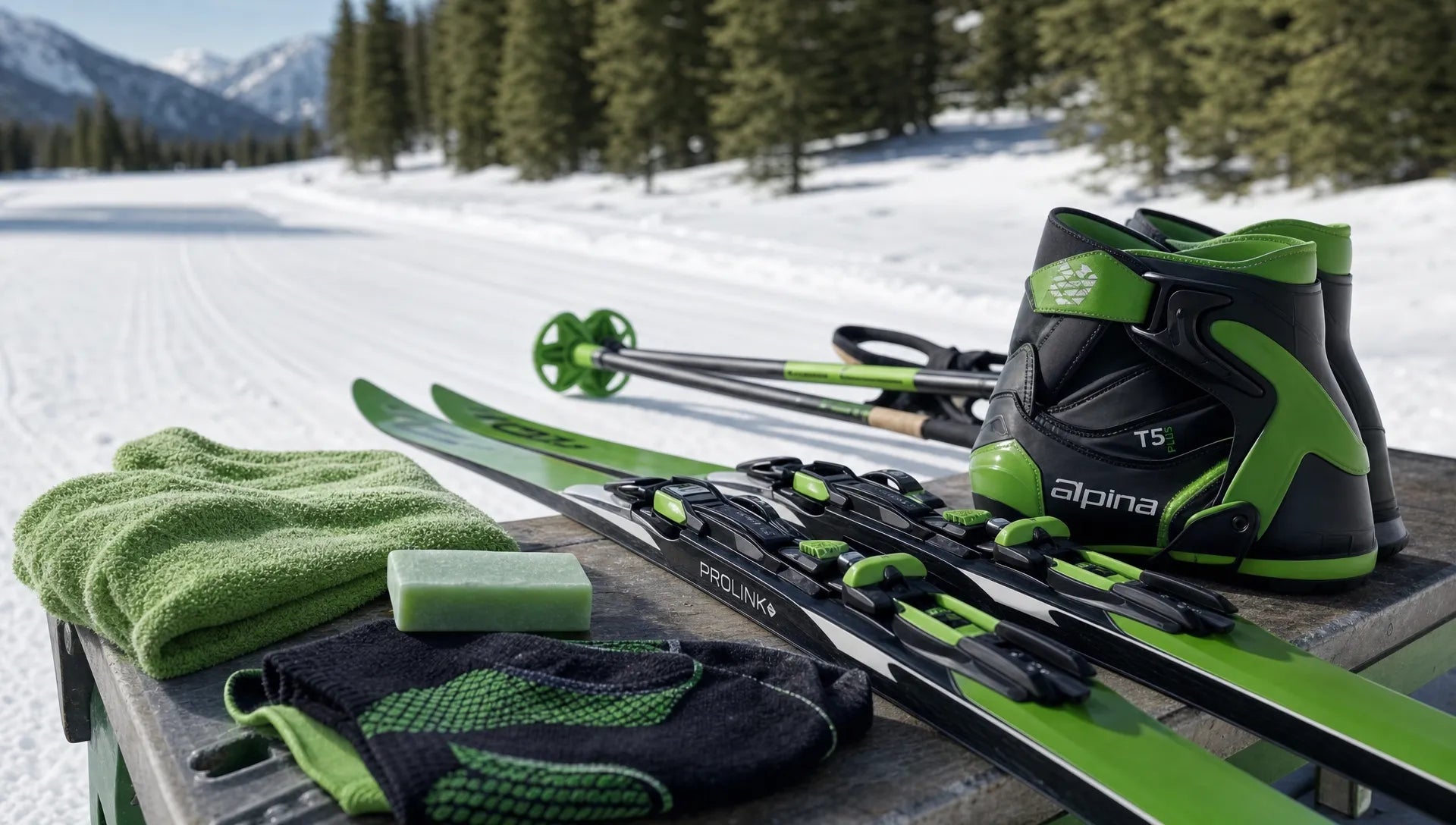
3. Control of the fit of boots, sticks and attacks
In the background, the fit is not an aesthetic detail. A boot must lock the heel well, leave comfort to the forefoot and work with the right technical stocking. A stick must be consistent with technique, height and strength. Attacks must be compatible with the rest of the system.
A careful store controls these elements together. It is not enough that each piece is correct taken individually. The set must work as a system.
This is even more true if you are replacing one component. Before buying new boots, for example, it is essential to check compatibility with existing attacks.
4. Layering advice for the fund
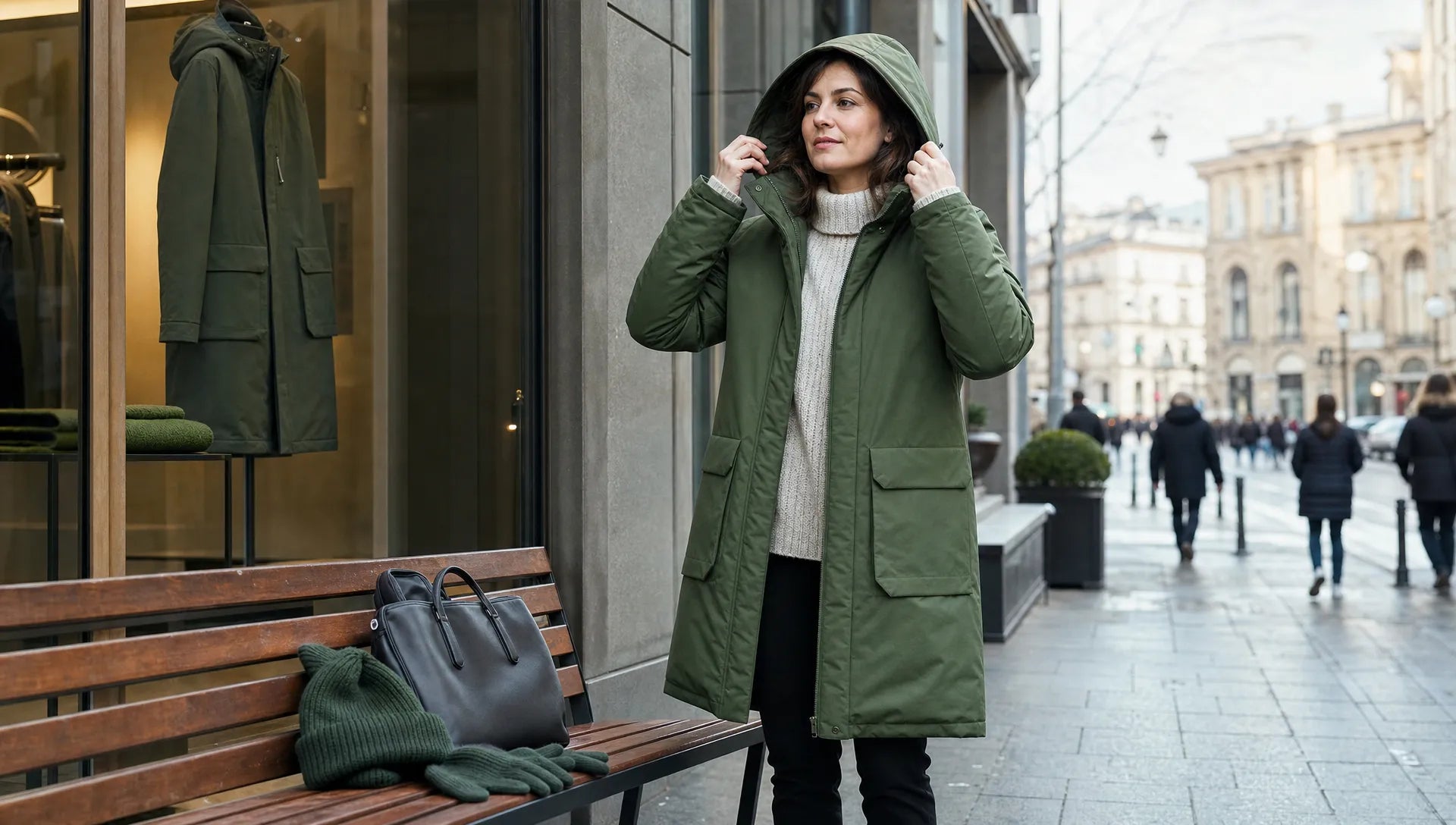
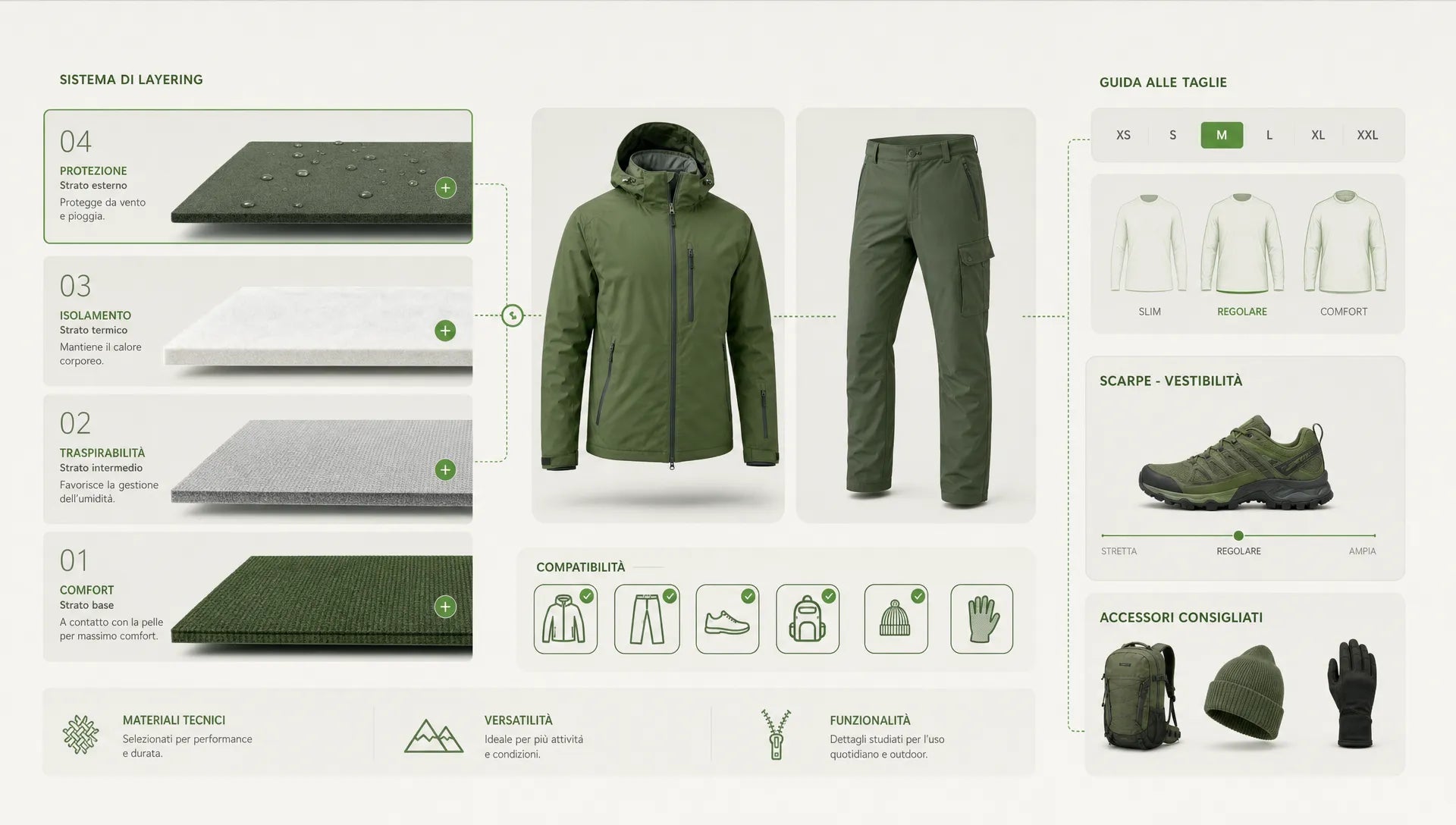
Many mistakes in the bottom do not concern skiing, but clothing. It is an aerobic sport: start with cold, then produce heat, then stop and cool. The layer system must handle all this without limiting movement.
The practical rule is to build a light, modular and breathable wardrobe. First technical layer, midlayer suitable for intensity, external protection when wind and humidity require it. Gloves, socks and accessories count more than you look.
For a versatile winter wardrobe, you can start from consistent selections with your use: technical and clean garments in the collectionBiella Fabrics, a more heritage snow setting in the Rossignol selection, or garments designed for specific fit in the collectionsWomanandMan.

5. Accessories chosen for durability, comfort and safety
Accessories should not be bought randomly at the end. In the background they can improve the quality of the output.
Glasses, gloves, socks, band or technical cap, bottle holder and small protective elements help to manage cold, wind and sweat. For those who make long outputs, even the choice of a compact backpack or a solution for hydration can make a difference.
The useful service is the reasoned selection: what is really needed for your use, what can wait, what should be bought immediately because it influences comfort and safety.
6. Rental and testing before purchase
For those who are at first, rental is often the most rational choice. It allows you to understand whether you prefer classic or skating, how long you really spend on snow and what sensations you look for.
Even those who have already experience can use the rental or comparison in the store to validate a choice before buying. This applies especially when changing discipline, frequency of output or technical level.
Fabbrica Ski Sises offers winter services such as ski and snowboard rental, with store support in Biella. To check availability, types of equipment and workings active in the season, it is useful to consult the overview ofsport service in storeor contact the store directly.
7. Maintenance, repair and preparation of equipment
A neglected ski loses smoothness, control and pleasure of use. A good store does not leave you only after purchase: it must be able to indicate when to intervene, how to store the equipment and what processing is necessary.
In the bottom, maintenance can cover cleaning, general control, insole preparation and verification of the state of the equipment. The needs change according to frequency of use, snow, discipline and level.
The point is not to do everything often. It is doing the right thing at the right time, avoiding both abandonment and unnecessary interventions.
8. After-sales assistance, returns and service continuity
The last service is what you notice when something does not come back: a measure to be reviewed, a component to check, a head to change, a doubt after the first exit.
A serious store makes the after-sale simple. In the case of online purchase, they count clear delivery, manageable returns and assistance. Fabbrica Ski Sises provides free shipping in Italy over 50 euros, fast delivery in 1-4 days and returns within 14 days, useful items when you are completing a technical set or buying a gift.
Continuity is worth more than the occasional discount. It allows you to build a consistent equipment over time, without starting from scratch every season.
Quick guide to sizes and fit
The correct size in the bottom is not only evaluated with a table. The measurements are a starting point, then come into play technical, weight, posture, stockings and personal preferences.
| Element | What to control | Why does it matter |
|---|---|---|
| Boots | Standing heel, comfortable forefoot, stable closure | Reduces rubbing and loss of control |
| Sticks | Consistent length with technique and body | Push, rhythm and fatigue influence |
| Classic skiing | Choice related to weight, level and type of grip | Improved balance between tightness and smoothness |
| Ski skating | Side stability and adequate response | Helps in push and conduction |
| Clothing | Freedom of movement and transpiration | Avoid overheating and cold in breaks |
If you are between two sizes, do not decide only on the basis of habit. Try with the sock you will really use, simulate movement and evaluate comfort after a few minutes, not in the first ten seconds.
Our recommended options
There is no universal set. There is a smarter combination for your way of living the snow. These options help guide your choice before consulting.
| Recommended option | Ideal for | Features to search | To match with |
|---|---|---|---|
| Guided Input Set | First exits on the beaten track | Intuitive equipment, convenient fit, simple management | Technical socks, light gloves, first breathable layer |
| Classic evolutionary set | Who wants to go out several times a season | Good balance between tightness, smoothness and comfort | Technical midlayer, glasses, variable cold accessories |
| Regular skating set | Funders with training goal | Stability, precision of fit and freedom of movement | adherent but comfortable heads, more dynamic gloves, technical band |
| Family package | Parents and boys | Controlled cuttings, durability, ease of assistance | Durable accessories, versatile garments, transport bags |
| Snow travel kit | Weekend and travel | Compact selection, modular garments, essential accessories | Compact backpack, combined layers, outdoor shoes for after skiing |
This logic works even if you purchase only one element. First ask yourself what problem should solve: more comfort, more control, more heat, more durability or more ease of maintenance.
Checklist before entering the store
Getting prepared makes counselling faster and more accurate. You don't need to know every technical detail. Need to bring useful information.
- Where you will ski more often: beaten track, easy rings, longer routes or mixed exits.
- How many times do you think you're going out in a season?
- What you already have: boots, sticks, skis, clothing, accessories.
- Possible problems: cold at the feet, blisters, little stability, excessive sweating.
- Indicative budget and priority: buy everything, replace a piece or start with rental.
If you wear boots, sticks or skis already in use, the comparison becomes more concrete. The store can verify compatibility, wear and real need for replacement.
FAQ
What is the difference between a cross-country ski shop and a generic ski shop?A cross-country ski shop must be able to read technical, fit and specific use. It is not enough to sell winter products: they serve expertise on classic, skating, boots, sticks, breathable clothing and maintenance.
Better buy now or start with the rental?If you are at first experience, rental is often the most prudent choice. It allows you to understand discipline, frequency and preferences before investing in a personal set.
How much does the boot count in the bottom ski?Very. The boot influences comfort, stability and control. A wrong measure can create blisters, loss of precision and fatigue, even if the ski is correct.
Do I need maintenance even if I use skis a few times?Yes, at least a periodic check is useful. The frequency of interventions depends on use, snow conditions and equipment status, but preservation and verification help to make the material last better.
Can I buy online equipment and clothing?Yes, especially if you already have clear size, use and priority. For technical elements such as boots, attacks and skis, advice before purchase reduces the risk of errors.
Choose by method, then build your set
A good cross-country ski shop helps you buy less randomly and better over time. If you are preparing the season, start from your use scenario, check fit and compatibility, then complete with consistent clothing and accessories. You can explore the Fabbrica Ski Sises online collections or go to the Biella store for direct advice on equipment, clothing and winter services.